How many red-billed queleas are there?
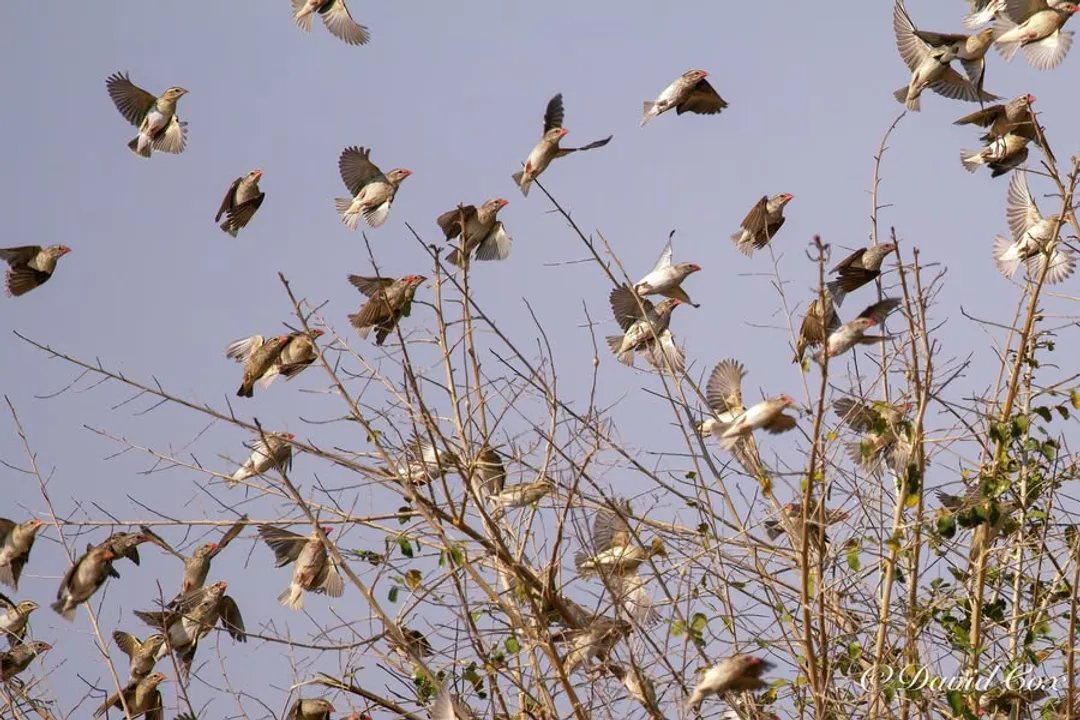
The Red-billed Quelea holds a distinct, if somewhat notorious, title among the world’s avian species: it is widely recognized as the most numerous wild bird alive today. [1][2][3][7][9] This designation immediately prompts the natural curiosity about the sheer scale of their population. While the exact census is inherently difficult to ascertain for a nomadic species present in such massive quantities, the consensus among ornithologists and general sources points toward numbers that dwarf those of almost any other bird on the planet. [6]
# World's Most Numerous
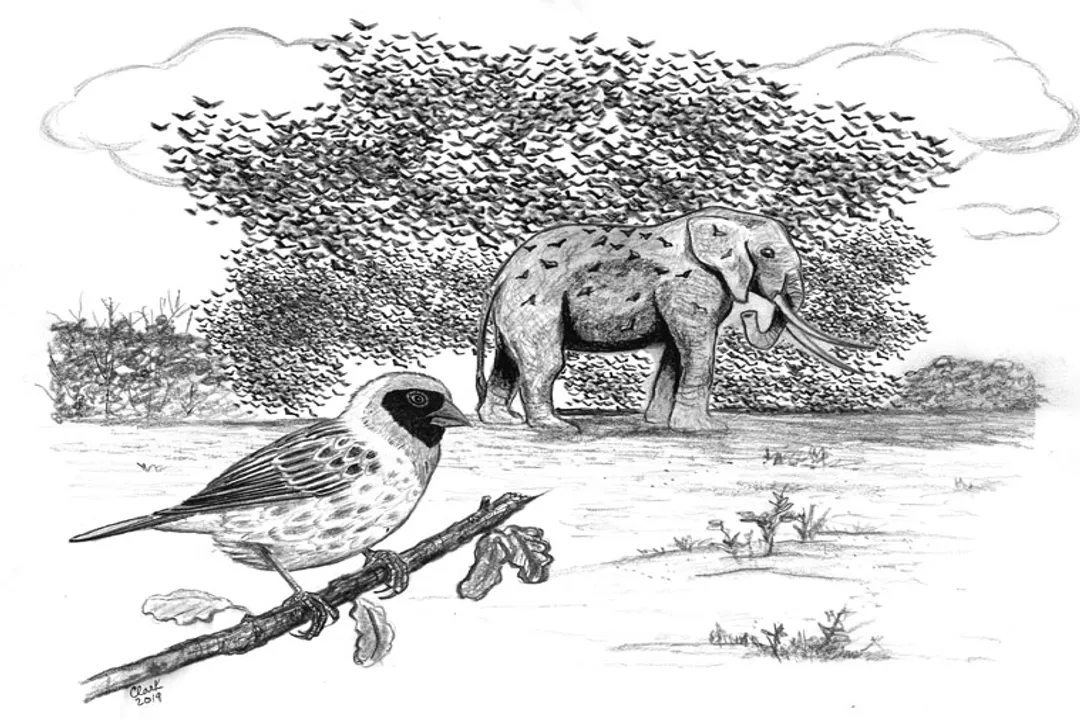
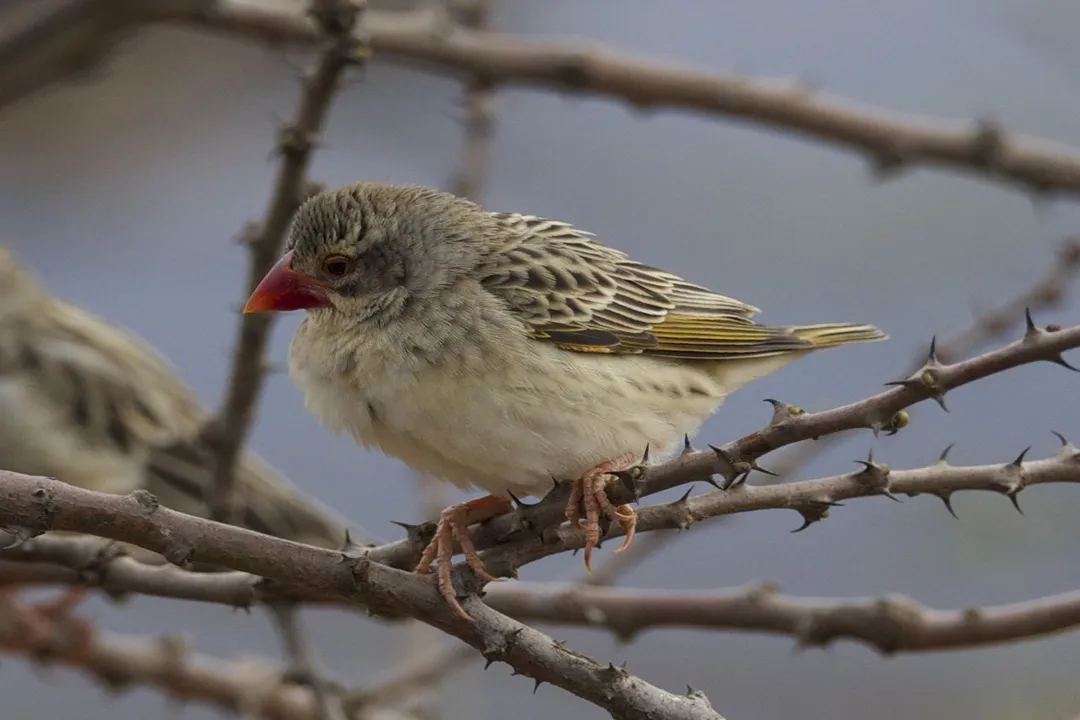
The assertion that the Red-billed Quelea (Quelea quelea) occupies the top spot in global bird abundance is consistent across various sources. [1][2][7][9] This small passerine bird, often grouped with the weavers, achieves this status through sheer reproductive success and survival rates across its range. [1] It is endemic to sub-Saharan Africa, inhabiting a wide swath of territory below the Sahara Desert. [1]
The scale of their existence is what truly sets them apart. These birds do not just number in the millions; their populations are often discussed in terms of billions. [4][6][7] This extraordinary abundance translates directly into significant ecological and human interaction, primarily because of the way they aggregate and feed. [1][9]
# Number Estimates
Pinpointing a single, definitive figure for the global population is impossible due to the dynamic nature of the species, but the figures cited paint a picture of immense avian biomass. Estimates frequently place the population in the hundreds of millions, often pushing past the one-billion mark. [1][6][7] One historical data point, for instance, referenced an estimate of 1.5 billion breeding individuals dating back to 1970. [4]
It is vital to recognize that these are estimates, and the true count is always fluctuating. The population size is not a static number recorded at a single moment; rather, it reflects the peak reproductive potential and survivability across a vast area. [1][7] A population figure cited in one year might be considerably higher or lower the next, depending on environmental conditions, rainfall patterns, and local resource availability. [7] This inherent variability means that any large number quoted—be it 500 million or 2 billion—should be viewed as a general order of magnitude rather than a precise headcount. [1][4]
# Agricultural Threat
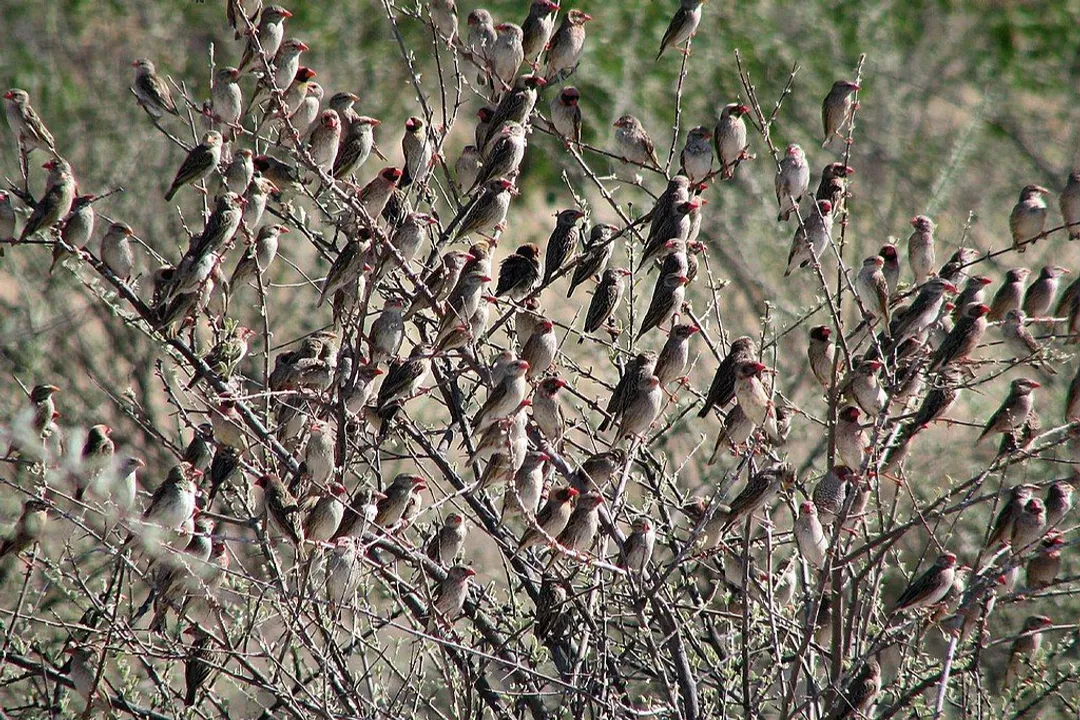
When bird populations reach such staggering numbers, their interaction with human interests, particularly agriculture, becomes pronounced. [1] For farmers in regions where the Red-billed Quelea is prevalent, this bird is not merely abundant; it is frequently categorized as a pest. [9]
The threat arises from their tendency to form immense flocks, sometimes numbering in the millions when feeding. [1] If a flock of this size descends upon a field of ripening grain, the devastation can be total. [1] Consider the implication of that 1.5 billion estimate from decades past: if even a small fraction of those birds focused their feeding efforts on a single crop district, the resulting economic loss for local communities could be catastrophic. [4] The very success of the species in terms of sheer numbers becomes an economic liability for those cultivating staple crops in their territory. [9] This forces a difficult conservation paradox: how to manage a species essential to the African biome while mitigating severe harm to food security. [1]
# African Habitat
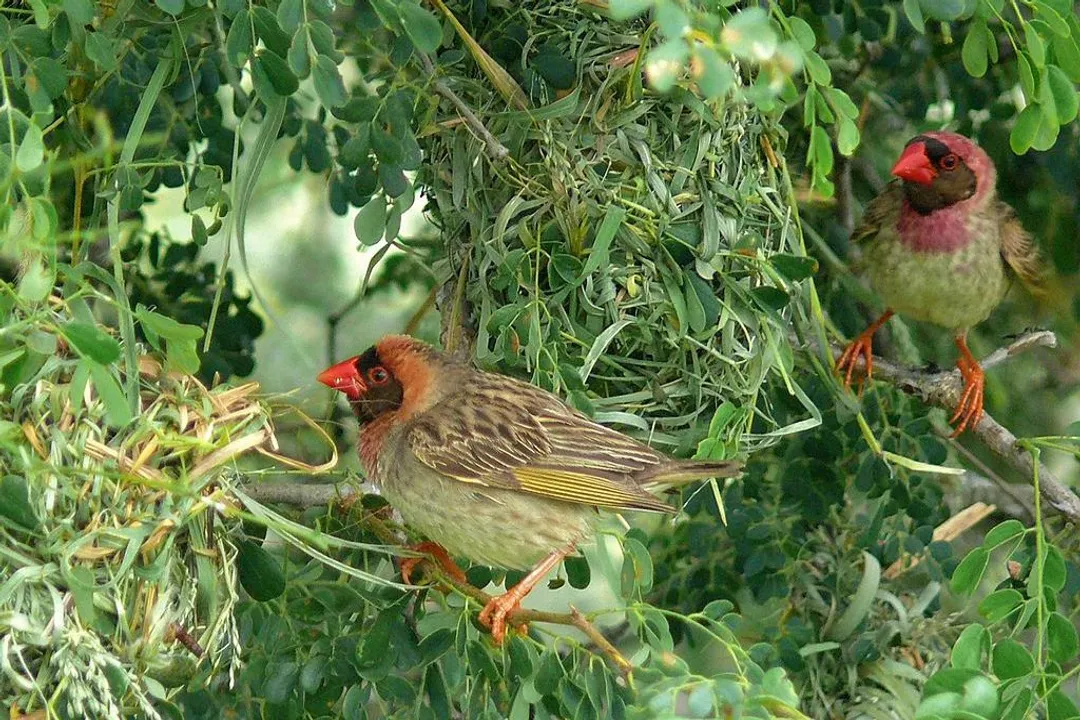
The range of the Red-billed Quelea is firmly rooted in sub-Saharan Africa. [1] They are not found naturally on other continents. Their preference for grassland and savanna environments across this broad expanse allows them to find the necessary seeds and breeding sites to support their massive numbers. [1]
The distribution means that the population dynamics of the quelea are intimately tied to the varying climatic conditions across this vast region. Wet years might allow for explosive population growth, leading to higher numbers in subsequent surveys, while drought years could see significant localized die-offs. [7] Their ability to move and concentrate in areas rich with food sources is a key adaptation enabling them to maintain such a high global total, despite localized crashes. [1]
# Tracking Volatility
The constant movement and the sheer density of these birds present unique challenges for anyone attempting to count them accurately. It's less about counting individual birds and more about estimating the size of amorphous, shifting clouds of feathers. [6] One insight gleaned from the difficulty of census-taking is that we might fundamentally misunderstand population trends if we only rely on once-a-year counts. The actual peak biomass at the height of the breeding season is likely far greater than figures derived from less intensive monitoring periods. [4]
This leads to an analytical point: when comparing the Red-billed Quelea to other numerous species, like perhaps the most abundant domesticated chicken or even certain small songbirds, the quelea’s mobility is the crucial differentiating factor. A massive population concentrated in one area for a short time (like breeding) is far more damaging and noticeable than a widely dispersed, though equally numerous, population. This inherent grouping behavior is what elevates the species from simply being numerous to being globally recognized for its impact. [1][9] If the world's estimated 8 billion human population were compared to the lower bound of the quelea estimate (hundreds of millions), it suggests that for every few humans, there might be one Red-billed Quelea alive at any given time, illustrating a staggering density of life for a single non-domesticated species. [6]
# Management Perspective
Given the documented conflict with agriculture, understanding where management efforts are focused can be informative. While the sources confirm the pest status, they also imply that controlling a bird present in the hundreds of millions across multiple nations is an enormous logistical task. [1][9]
An actionable consideration for those studying or living near these populations involves focusing monitoring efforts not just on the total count, but on colony movement synchronization. Because the birds are nomadic, effective, localized control—if deemed necessary—cannot be achieved by reacting to a single massive swarm. Instead, success would likely rely on anticipating where large breeding colonies are likely to settle based on preceding rainy seasons and vegetation growth, targeting the congregation points before the destructive feeding swarms leave the nest. This shifts the management strategy from reactive pest control to proactive ecological forecasting based on climate indicators relevant to their food supply. [7] The sheer volume of the bird dictates that large-scale eradication is neither feasible nor ecologically advisable; therefore, the focus must remain on localized mitigation strategies that account for their massive, but shifting, numbers. [1]
Related Questions
#Citations
Red-billed quelea - Wikipedia
What Is the Most Abundant Wild Bird in the World? | Audubon
The Most Abundant Bird in the World The Red-billed Quelea
More Than a Billion - Birds Outside My Window
Red Billed Quelea are the most abundant wild bird species on the ...
TIL: Red-billed Quelea is Most Abundant Bird. Flies in flocks of 2M+.
Red-billed quelea | Research Starters - EBSCO
Red-billed Quelea - DeWetsWild
Quelea | African, Red-Billed, Ploceidae | Britannica