What vegetation primarily comprises the natural forage of wild yaks?
Answer
Grasses, sedges, and forbs
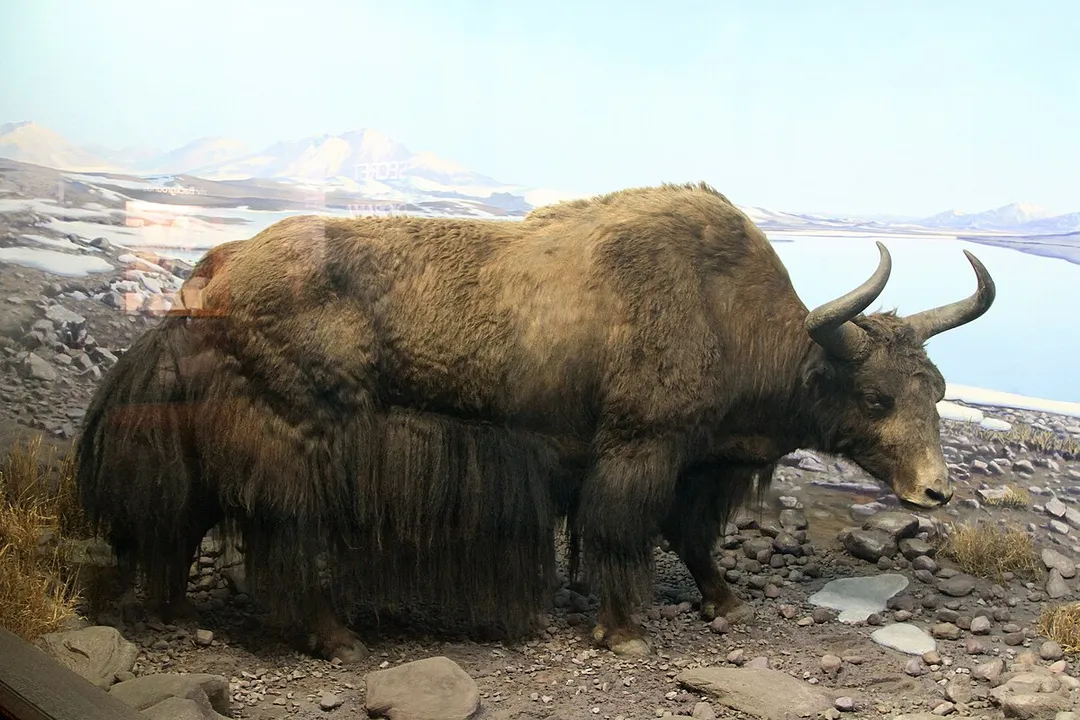
Wild yaks, living in harsh, high-altitude environments like the Tibetan Plateau, subsist on vegetation naturally available in alpine meadows and plateaus. This diet is fundamentally composed of grasses, sedges, and forbs, which are the plant types capable of surviving the extreme cold and aridity inherent to their habitat. This reliance on coarse, fibrous material dictates their unique digestive physiology, as they must extract maximum nutrition from this low-quality, fibrous roughage.
Related Questions
What vegetation primarily comprises the natural forage of wild yaks?What necessitates a high minimum caloric intake for a wild yak during winter?What is the required crude protein range for lactating female yaks?What is the approximate Net Energy for Maintenance (NEm) density needed by a milk-producing domestic yak?What becomes indispensable for domestic yaks when year-round intensive grazing is impossible?What specific feeds form the nutritional base for domestic yaks at the Toronto Zoo?What physiological constraint arises if a yak diet is too high in grain concentrates?What is an actionable step for producers monitoring the stress of seasonal feed transition?What substance serves as the yak's primary energy source absorbed through the rumen wall?Why is adequate water intake non-negotiable, especially with high-fiber yak diets?Despite supplementation for production, what must remain the base of the yak diet due to ruminant structure?