Yak Diet
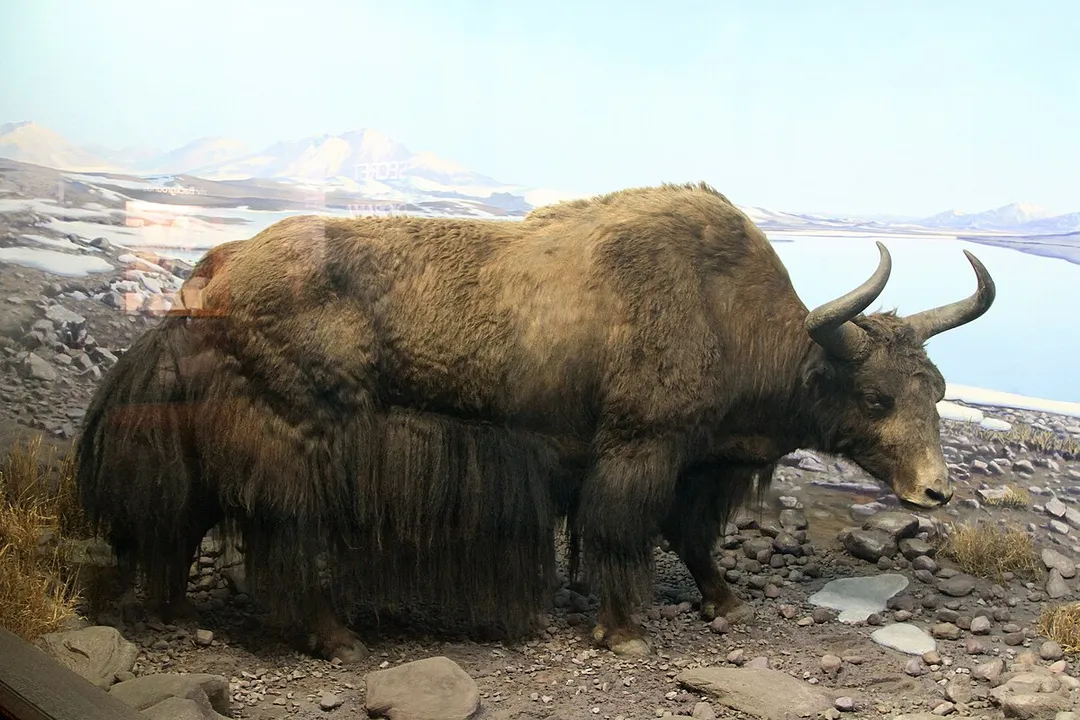
The yak, an animal intrinsically linked to the extreme altitudes of Central Asia, possesses a digestive system exquisitely adapted to extract maximum nutrition from sparse, often low-quality vegetation. Understanding the yak diet moves beyond simply listing what they eat; it requires appreciating the severe environmental pressures that have shaped their grazing behaviors and nutritional requirements over millennia. Whether in the wild, navigating the Tibetan Plateau, or managed in modern farming systems, the foundation of their sustenance remains roughage.
# Natural Forage

Wild yaks (Bos grunniens) are primarily grazers, subsisting on the vegetation naturally available in their harsh, high-altitude environments, which often include alpine meadows, plateaus, and mountainous regions. Their natural habitat dictates a diet heavily reliant on grasses, sedges, and forbs that can survive the cold and aridity. In the wild, their feeding patterns are characterized by constant movement and opportunistic grazing across vast areas to locate sufficient biomass. They consume coarse, fibrous material that many other domestic ruminants would struggle to process efficiently.
The composition of this natural forage changes dramatically with the seasons. During the short growing season, the available plants offer relatively better nutritional value. However, as winter sets in, much of the vegetation dies back, leaving behind dried stems and stalks that provide minimal energy and protein. The wild yak's survival hinges on its ability to maintain body condition through these lean times by consuming whatever dead plant matter remains available. This historical dependency on highly fibrous, low-digestibility feed has molded the physiology of the species.
# Nutrient Demands

For any yak, be it wild or domestic, the maintenance of body temperature in cold, wind-swept environments demands significant energy expenditure. This is a critical factor often overlooked when only considering bulk intake. A wild yak needs substantial energy just to survive the severe cold, meaning the minimum caloric intake must be high, even if the diet is poor in other nutrients.
Domestic yaks, particularly those raised for commercial purposes such as meat, milk, or fiber production, have vastly different, and often higher, nutritional requirements than their wild counterparts. While they still thrive on roughage, production animals need a higher concentration of protein and energy to support lactation or growth.
For instance, a typical maintenance diet for a yak might involve a high percentage of roughage, but production animals require supplementation to meet specific life-stage demands. A general guideline for dry matter intake often falls between $1.5%$ and $2.5%$ of body weight daily. For protein, maintenance levels might hover around $8%$ to $10%$ crude protein in the total diet, but lactating females or growing calves need considerably more, sometimes requiring diets reaching $12%$ to $15%$ crude protein.
An interesting comparison arises when looking at the energy density required for survival versus production. A wild yak might survive a long winter on forage yielding perhaps $0.6$ Mcal of Net Energy for Maintenance () per kilogram of Dry Matter (DM) intake, relying on sheer volume and metabolic adaptation. In contrast, a modern domestic yak producing milk might require forage closer to $1.0$ Mcal/kg DM to sustain that production level, even if housed in a relatively protected environment, necessitating better quality feed inputs. This difference highlights the pressure put on modern husbandry systems to improve feed quality dramatically over what nature provides.

# Managed Diets
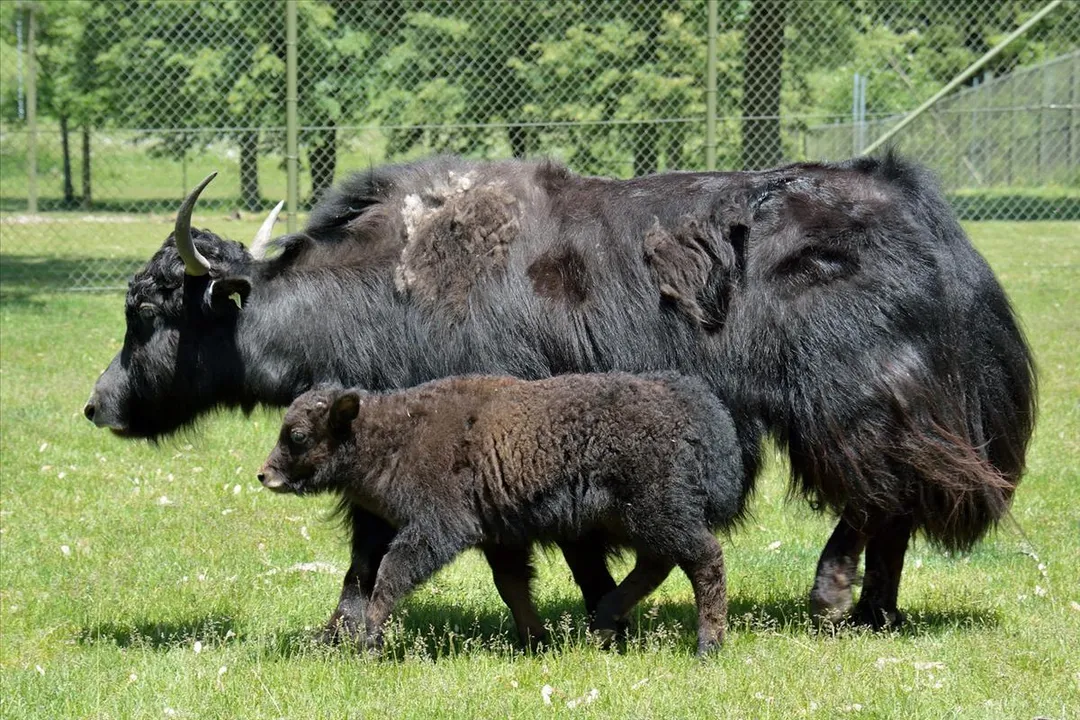
When yaks are domesticated, their diet shifts from opportunistic foraging to managed feeding, allowing for greater control over nutritional balance. The primary dietary component remains forage, often in the form of hay, silage, or pasture grazing, depending on the region and availability.
In environments where year-round intensive grazing is not possible, hay becomes indispensable. Good quality grass hay, such as timothy or orchard grass, can form the bulk of the diet. However, yaks are known to tolerate coarser feeds, and providing variety is important for behavioral well-being as well as nutrition.
Concentrates—grains or processed feeds—are introduced to boost energy and protein, especially for production animals. These might include supplements like soybean meal for protein or molasses for palatability and energy, as well as mineral and vitamin mixes. The Toronto Zoo, for example, feeds its domestic yaks a diet based on grass hay, alfalfa hay, and specialized herbivore pellets to ensure complete nutrition. For farm settings, careful balancing is necessary; simply increasing grain without ensuring adequate long-stem fiber can lead to digestive upset.
# Seasonal Shifts
Feeding management is perhaps most complex when dealing with high-altitude domestic yaks where environmental conditions mimic their native range, but production goals remain high. Seasonal feeding strategies must account for fluctuating availability and the yak’s physiological state.
During the lush summer grazing period, yaks can often meet their maintenance needs entirely from pasture. The focus then shifts to ensuring adequate mineral intake, as lush grass can sometimes be low in essential trace minerals, or conversely, too high in some minerals, affecting the absorption of others.
Winter presents the biggest challenge. When natural grazing ceases, supplemental feeding must take over. This involves providing harvested forages like grass hay, supplemented with concentrates to maintain body condition and support late-gestation or early lactation demands. A key aspect of this transition is the slow introduction of drier, stored feeds to allow the rumen microflora time to adapt to the lower digestibility of the winter diet. Rapid changes in forage quality can lead to digestive distress, a common failure scenario when managing hardy livestock suddenly transitioned to stored feed.
One actionable step for any producer managing seasonal transitions involves closely monitoring the manure output. A sudden shift to much drier feed without adequate water or fiber can cause the feces to become very hard and dry, a tell-tale sign that the rumen environment is stressed and needs immediate adjustment, perhaps through adding more accessible roughage or ensuring free-choice salt/mineral blocks are consumed.

# Ruminant Structure
Like cattle, yaks are ruminants, possessing a four-compartment stomach designed to break down cellulose through microbial fermentation in the large rumen. This biological mechanism is what allows them to thrive on fibrous feeds that other monogastric animals cannot digest. The rumen bacteria produce volatile fatty acids (VFAs), which are the animal's primary energy source, absorbed through the rumen wall.
The efficiency of this process is highly dependent on the diet's physical structure and the ratio of readily fermentable carbohydrates to fiber. If the diet is too high in rapidly digestible starches from grain concentrates, the rumen pH can drop, inhibiting beneficial fiber-digesting microbes and potentially leading to acidosis. This physiological constraint underscores why, even when supplementing for production, hay and grazing must remain the base of the yak diet, providing the necessary long-stem fiber for proper rumen function and cud-chewing activity.
# Hydration Health
While the focus is often on solids, water intake is non-negotiable, especially given the high fiber content of typical yak diets and the environmental stresses of high altitude. Adequate water is essential for the movement of feed through the digestive tract, maintaining rumen volume, and supporting metabolic functions.
In cold environments, yaks will naturally seek out water sources, but in winter, accessing partially frozen water or consuming snow requires significant energy expenditure. Farm managers often need to provide easily accessible, unfrozen water, particularly when feeding dry hay and concentrates, as water intake is directly linked to the efficiency of fiber digestion. A general rule for ruminants suggests that water intake increases significantly with rising dry matter intake, especially when that intake is comprised largely of low-moisture hay.
In essence, the yak diet is a testament to adaptation, balancing the need for high-energy survival in a severe climate with the modern requirements of domesticated production. Success in managing yaks hinges on respecting their ancient adaptation to coarse forage while supplementing intelligently to meet contemporary output expectations.
Related Questions
#Citations
Feed & Nutrition - Firebird Farms
Wild yak - Wikipedia
14 YAK NUTRITION - A SCIENTIFIC BASIS by Long Ruijun[16]
Domestic yak - Animals - Toronto Zoo
How To Start Raising Yaks - Seasonal Feeding For High-altitude Yaks
Yak diet: supplementing pellets with alfalfa/grass hay - Facebook
Yak Characteristics, Behavior & Diet - Study.com
ABOUT YAKS - Deep Draw Yak Ranch
“The Yak”—A remarkable animal living in a harsh environment