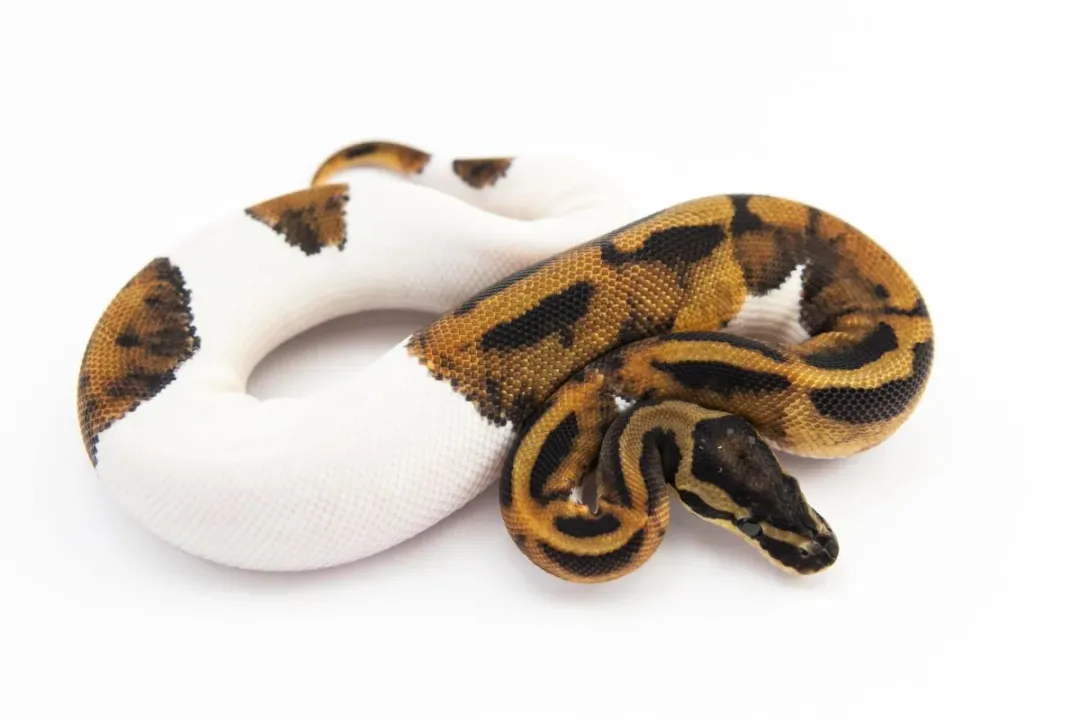
What type of genetic trait results in the Piebald coloration of *Python regius*?
Answer
Co-dominant
The striking visual characteristic known as Piebaldism in Ball Pythons is the result of a specific inheritance pattern governed by genetics. This trait is classified as co-dominant. This means that if an offspring inherits the gene from just one parent, the resulting phenotype will display the reduced or absent pigmentation characteristic of the morph. This genetic mechanism dictates the visual presentation—the white patterns—but it is distinct from the biological aging process, which is governed by the overall species potential.
#Videos
How long do Ball Pythons live? Pay attention to these 5 factors for a ...
Related Questions
What is the estimated average lifespan for a Ball Python in its native West African habitats?How long can Ball Pythons frequently live when housed in a controlled captive environment?Does the Piebald coloration independently influence a Ball Python's longevity?What relative humidity range is often cited for healthy adult Ball Pythons to ensure longevity?What is the primary reason attributed to the shortened lifespan of wild Ball Pythons?What is the typical length range an adult Ball Python can reach?What type of genetic trait results in the Piebald coloration of *Python regius*?How might annual feeding frequency change for older Ball Pythons beyond 18 or 20 years?What addition is suggested as an insurance layer for hydration during shed cycles for very mature snakes?What is the consequence of an enclosure that forces an adult Ball Python to constantly compromise its body temperature?