How long can a pastel ball python go without eating?
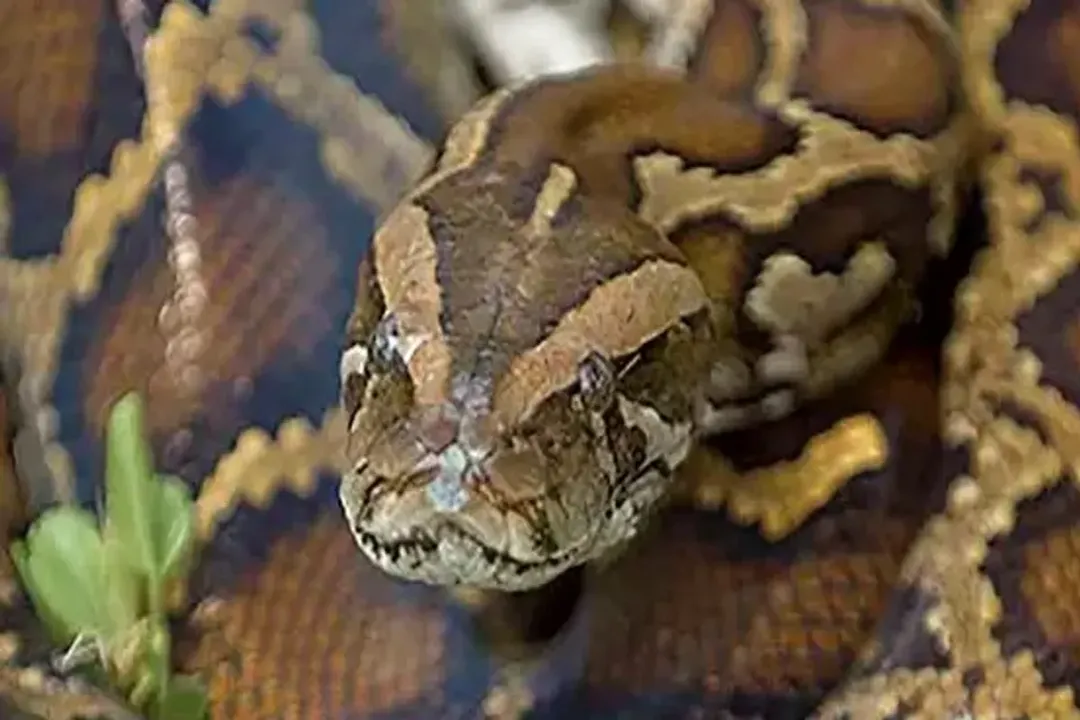
The resilience of the ball python, even a pastel morph, often leads owners to wonder about their fasting limits, especially when a meal is refused. This isn't a simple yes or no answer, as the duration a snake can safely go without eating depends heavily on its physical condition, age, and, most critically, the environment it is kept in [cite multiple sources]. While a healthy adult python is built to withstand extended periods without food—a survival mechanism evolved from their African origins—this tolerance is not infinite, and understanding the underlying physiology is key to ensuring their well-being.
# Physiological Limits
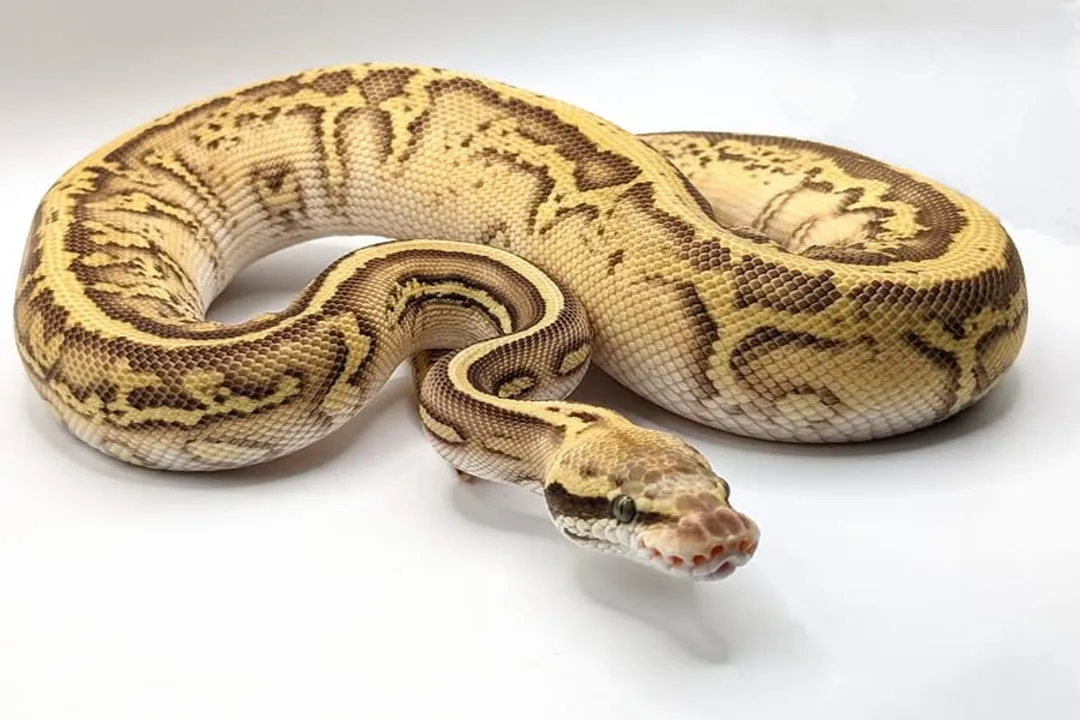
For a fully mature, healthy ball python, the generally accepted safe fasting window often extends for several months under ideal husbandry conditions [cite multiple sources]. Many experienced keepers report successful feeding strikes resuming after three to six months without a meal, provided the snake is not simultaneously attempting to shed or deal with other major stressors [cite various sources]. This extended period is possible because snakes, being ectotherms, can drastically lower their metabolic rate when ambient temperatures are lower or if they are simply conserving energy [cite sources discussing metabolism].
However, this maximum timeframe only applies to adults in prime condition. Younger snakes, such as hatchlings or juveniles still putting on significant mass, have much smaller energy reserves to draw upon. For a small baby ball python, even a few weeks without food can quickly lead to dangerous weight loss and dehydration, necessitating a much more proactive approach to feeding [cite sources mentioning age differences]. If a juvenile is consistently refusing meals, the situation moves from a typical fasting concern to an urgent health check much faster than it would for a large, established adult [cite sources discussing young snakes].
# Husbandry Influence
The snake's internal clock, which dictates how slowly it burns fat reserves, is directly controlled by its external environment. Therefore, the time a ball python can go without eating is inextricably linked to how well its enclosure parameters are maintained [cite sources focusing on care]. If the required thermal gradient is not met, the snake cannot properly digest or conserve energy efficiently.
Consider the ambient temperature settings. While an adult might comfortably fast for five months when the cool side is maintained around 75°F and the warm side is stable at 90°F, that same snake kept consistently at 80°F overall will burn through those reserves at a faster clip [cite sources about husbandry and temperature]. A slight, sustained drop in ambient temperature essentially forces the snake into a higher maintenance mode metabolically, effectively shortening its safe fasting window from months to perhaps weeks, even if it appears otherwise calm. Similarly, low humidity can cause dehydration, which compounds the negative effects of not eating, leading to potential health crises long before actual starvation sets in [cite sources on humidity].
# Common Refusal Triggers
When a snake stops eating, it is almost always communicating something about its state. Pinpointing the why behind the refusal is usually more important than counting the days on the calendar. The most frequent reason cited by keepers is stress [cite various sources]. A recent move to a new enclosure, excessive handling while the snake is preparing to shed, or even changes in the immediate environment (new pets, loud noises) can put a snake off its food entirely [cite sources listing stress factors].
Another major factor is the shed cycle. Snakes rarely eat when they are "in blue" (having developed their cloudy eye caps) or just before shedding begins, as their eyesight is impaired, making hunting difficult and increasing their vulnerability [cite sources on shedding]. Furthermore, males often refuse food during the peak of breeding season, driven by hormonal surges, and females may do the same if they are gravid or preparing for egg-laying [cite sources mentioning breeding]. In many cases, a refusal lasting a few weeks during these known periods is normal biological behavior, not a medical crisis.
# Monitoring Health Indicators
Since the time frame is so variable, tracking physical indicators is superior to tracking the calendar. The most important metric for long-term survival assessment is body weight. An owner who regularly weighs their snake (once a month is usually sufficient outside of a fast) can quantify the exact amount of reserve fat being used [cite sources discussing weight loss]. A loss of up to 10% of body weight is often considered acceptable during a long fast, but anything exceeding that warrants a serious look into the husbandry or a consultation with an exotics veterinarian [cite sources on acceptable weight loss].
Beyond using a scale, observing the snake's overall turgidity provides a rapid, though less precise, check. When a snake is healthy and well-fed, its body feels firm and rounded when gently supported. When reserves are running low, the musculature along the spine may begin to look slightly less full, and the skin might exhibit a slight looseness or subtle wrinkling when the snake is briefly handled and moved. While this visual cue isn't a substitute for actual weighing, paying attention to the snake's general firmness can alert an owner that the "safe" fasting period is nearing its end, regardless of the exact day count.
# Troubleshooting Feeding Strikes
If your pastel ball python has gone beyond the typical short-term refusal (say, more than four to six weeks, depending on its age and the season), it’s time to troubleshoot actively rather than wait passively. The first and most crucial step is verifying the enclosure environment: double-check the basking surface temperature with a reliable digital thermometer, ensure the cool side isn't dipping too low overnight, and confirm humidity levels are appropriate for the snake's current state (higher if it’s close to shedding) [cite sources on troubleshooting].
If husbandry is confirmed perfect, manipulation of the meal itself can sometimes restart the feeding response. Try changing the prey item's presentation. If you usually offer thawed, warmed rodents, try offering a live feeder (if you are comfortable and experienced with that protocol) or, conversely, try scenting a thawed rodent with something pungent like tuna juice to trigger interest. Sometimes simply changing the location where the food is offered, or reducing handling stress for a couple of weeks before offering the next meal, can be enough to prompt the snake to eat again [cite sources suggesting prey changes/handling reduction]. If the snake remains disinterested for many months, or if you observe any visible thinness, lethargy, or regurgitation attempts, seeking advice from a reptile veterinarian specializing in snakes becomes necessary, as the cause may be internal rather than environmental or behavioral [cite sources recommending vet checks].
Related Questions
#Citations
How long can he go without food? : r/ballpython - Reddit
How long can ball pythons go without eating? – XYZReptiles
I have a question how long to people leave there ball python without ...
Adult ball python refusing food for long periods
My ball python snake (about 1.5 years old) hasn't eaten in 8 months I ...
Ball Python Complete Food Guide - Zen Habitats
How long can a ball python stay in its cage without needing ... - Quora
How long can a python go without eating? - Naples Daily News
How long can my ball python go without food? - Reptiles