How rare is a piebald ball python?
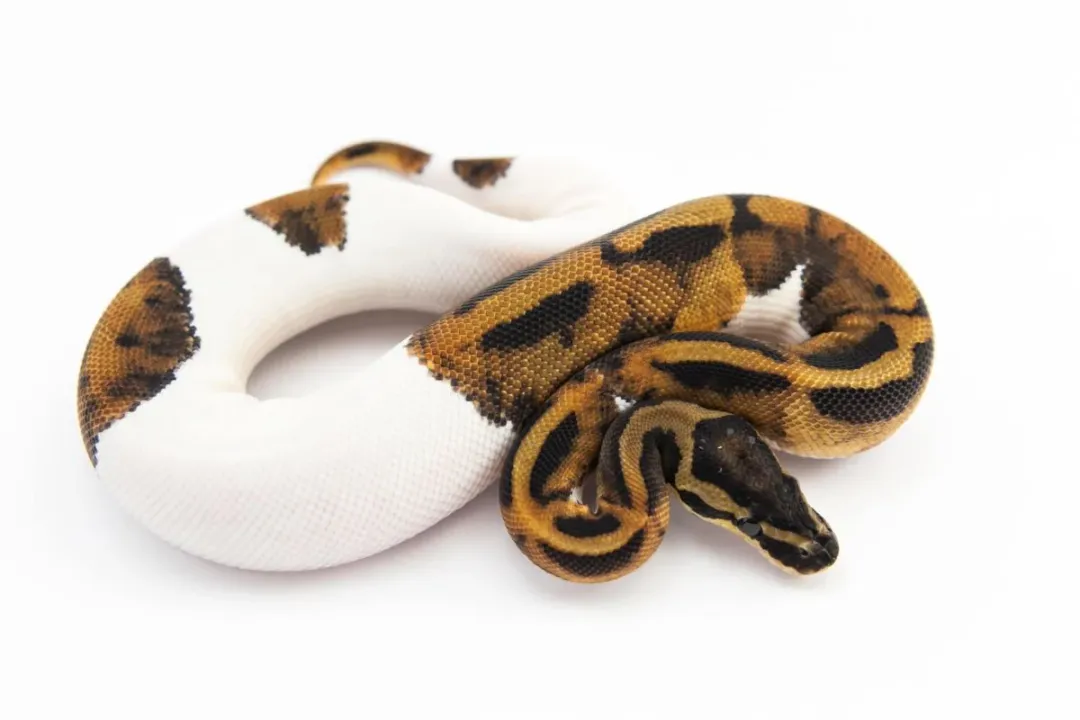
The status of the piebald ball python within the reptile community is often debated, leading many enthusiasts, especially newcomers, to wonder just how uncommon this striking animal truly is. To understand its rarity, one must look past the immediate accessibility in today's market and consider its genetic background and history. While they are now staples in many collections and readily available from numerous breeders, the piebald trait holds a significant place as one of the earliest recessive mutations successfully established in captive ball python breeding programs. [2][6] This history means that while a visual pied is not an ultra-rare "unicorn" find today, its existence in the hobby was once a significant milestone. [4]
The perception of rarity shifts dramatically depending on context. If we consider rarity in terms of encountering one in the wild, the probability is essentially zero, as the first documented specimen was produced in captivity. [4] In the captive market, however, the piebald gene is now well-propagated. They are often cited as one of the initial "designer morphs" that hobbyists encounter after starting with normal or common morphs like albinos. [2] This accessibility can make an observer think they are abundant. However, pinpointing an exact percentage of the entire ball python population that is piebald is impossible without massive, centralized data collection, which simply does not exist in the private breeding world. [1] What is clear is that compared to highly specialized, multi-gene recessives or ultra-rare dominant genes, the Piebald gene is relatively common, yet its unique visual appeal keeps it highly sought after. [2]
# Recessive Inheritance
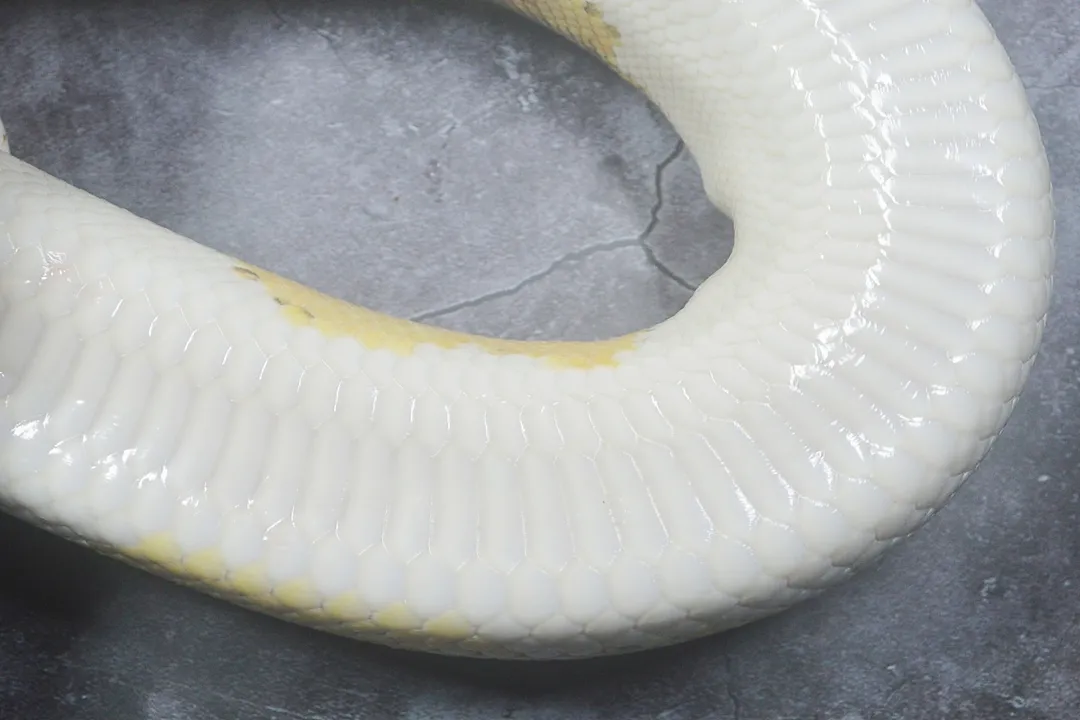
Understanding the genetic blueprint of the piebald ball python is crucial to understanding its historical rarity and current breeding economics. The Piebald (often shortened to "Pied") gene is recessive. [4][6] In simple terms, for a snake to visually display the piebald pattern—the distinctive patches of white interrupting the normal dark coloration—it must inherit the mutated gene from both its mother and its father. [4]
If a snake inherits only one copy of the gene, it will look entirely normal but will carry the gene. This animal is known as a Het Pied (heterozygous). [4] Het Pieds look identical to wild-type snakes, making their genetic status invisible to the untrained eye. This requirement for two copies of the gene is what historically slowed the proliferation of the trait immediately following its discovery in 1997. [4] Unlike dominant genes, where only one parent needs to carry the gene for a 50% chance of expression in the offspring, recessives require more planning and dedicated pairing strategies to produce the desired visual result. [4][6]
# Visual Range
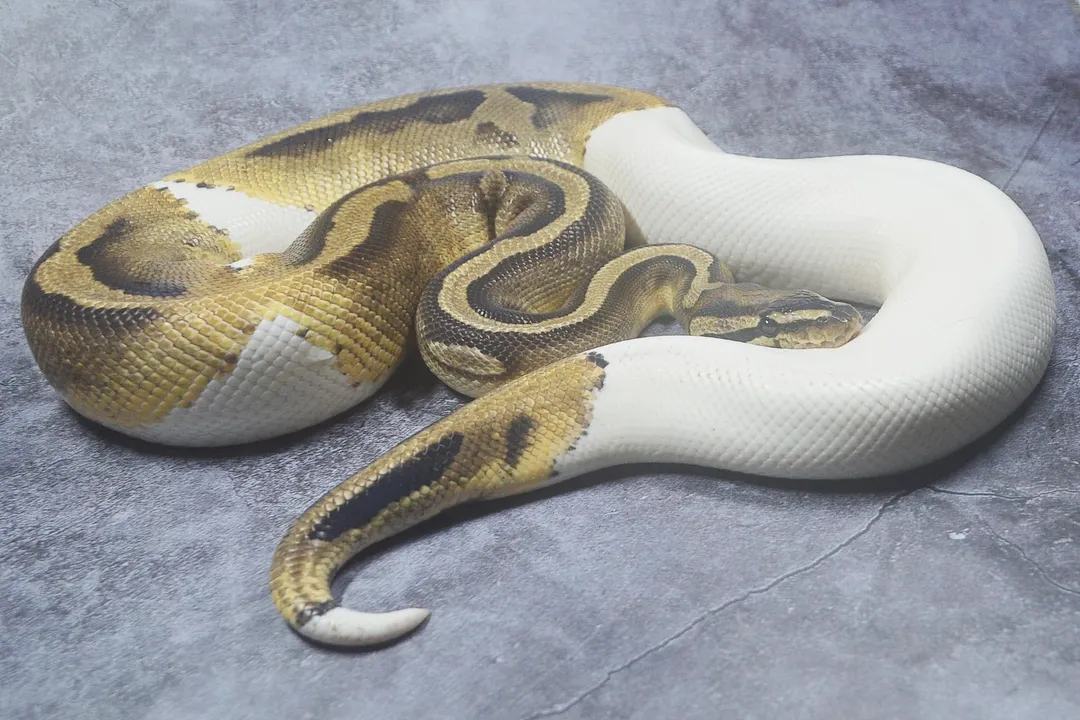
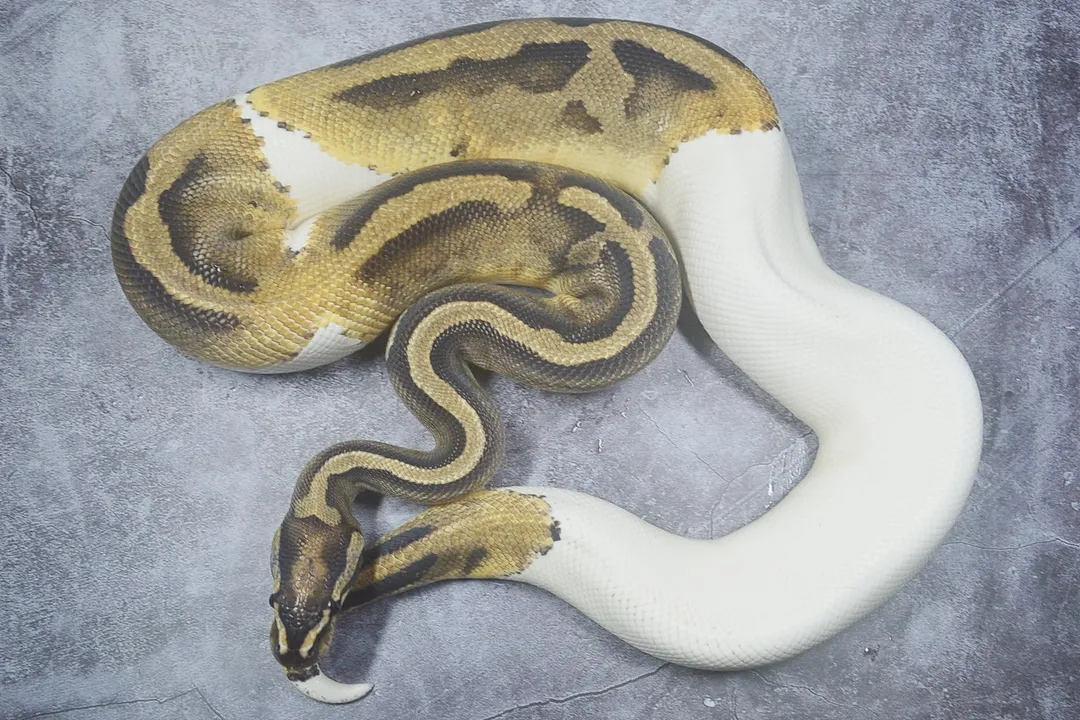
What makes the piebald morph so captivating is the incredible diversity in expression across individuals. [2] The gene causes a reduction in the normal black and brown pigments, resulting in areas where pigment fails to develop, leaving white patches. [2][4] This variation is not subtle; it ranges from snakes that are nearly entirely white, sometimes referred to as "high white," to those that display only minimal white flecking, often near the belly or vent area. [2]
Some Piebalds may also exhibit atypical eye coloration, sometimes displaying blue eyes, a trait which generates different levels of interest among collectors. [4] The market doesn't treat all Piebalds equally based on pattern. Breeders and serious collectors often look for specific attributes when evaluating a potential purchase, sometimes prioritizing heavy white coverage or unique pattern breaks over simple presence of the gene. [4] This grading scale—from low white to high white—is a major factor in valuation, effectively creating sub-rarity levels within the Piebald morph itself. [4]
# Early Discovery
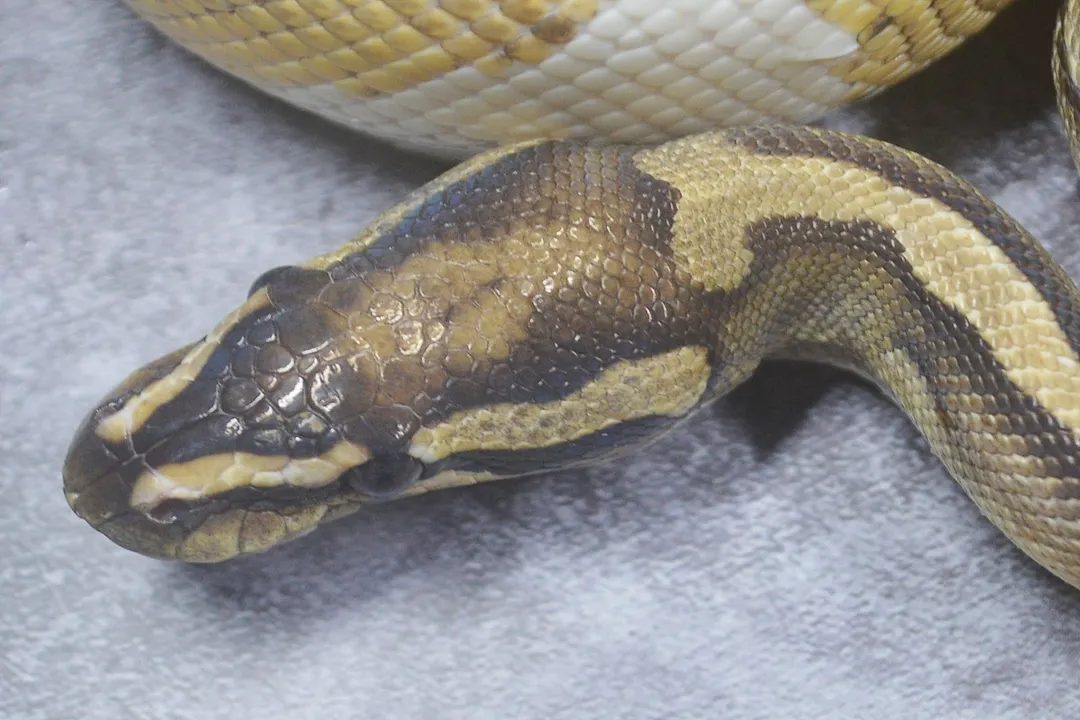
The first documented Piebald ball python materialized in captivity back in 1997. [4] This event marked a significant moment for the captive breeding world because it confirmed the existence of a recessive pattern mutation in the species, opening the door for a whole new line of genetic exploration. [4][6] Because the discovery occurred in a captive-bred animal, the gene was immediately available for controlled breeding projects, unlike wild-caught rare morphs whose genetics are harder to trace immediately. [4] This early start cemented its status as a foundational morph. It is worth noting that because it was one of the first recessive morphs successfully bred, it became a blueprint for how breeders approach other recessive traits discovered later. [4][6]
# Breeding Calculations
For breeders aiming to produce visual Piebalds, understanding the breeding odds dictates both their setup and their investment strategy. A straightforward pairing involves a visual Piebald male or female bred to a normal, non-carrier snake. In this scenario, every single offspring will look normal but will carry one copy of the gene—they will all be 100% Het Pied. [4] These Het carriers become valuable assets for future breeding projects.
The real genetic lottery occurs when two Het Pieds are bred together. [4] Based on Mendelian genetics for a single recessive trait, the expected offspring ratio from a Het x Het pairing is:
- 25% Visual Piebald (carrying two copies of the gene). [4]
- 50% Het Pied (carrying one copy). [4]
- 25% Normal (carrying zero copies). [4]
The fact that only one out of every four babies from the most common Pied breeding project results in the visual desired morph explains why purchasing a proven adult visual Pied often carries a higher price tag than purchasing a proven Het Pied. [4] A breeder investing heavily in Het stock understands they are essentially purchasing lottery tickets, where the cost of the het must be offset by the eventual market value of the 25% visual pull. New keepers looking for a first investment often find that a visually spectacular, proven Piebald is a more direct route to acquiring the trait than trying to breed it from scratch, given the initial cost of acquiring two healthy Het parents. [4]
# Collector Value
The rarity of a Piebald is now mostly dictated by its quality rather than its genetic presence alone. [4] A snake with minimal white patterning might be inexpensive and easy to find, while one that is 90% white with crisp pattern breaks might command a premium price. This emphasis on aesthetics creates a tiered market. Furthermore, the desirability of combining the Piebald gene with other existing morphs introduces layers of complexity. For instance, a Piebald Pastel or a Piebald Yellowbelly combines two distinct sets of traits. As more genes are added to the Piebald line, the difficulty in producing the specific combination increases, which in turn drives up the rarity and price far beyond that of a simple visual Piebald. [2]
When assessing a potential purchase, especially for a first-time investor or keeper, focusing solely on the word "Piebald" misses the mark. The visual appeal of the white patterning relative to the remaining dark pigment is the true measure of its current market standing. [4] This subjective evaluation is a key characteristic of the ball python morph hobby: established genes still generate demand when they are paired with exceptional aesthetics or combined with newer genetic mutations. Therefore, while the gene itself is common, finding a museum-quality Piebald remains a niche pursuit within the hobby. [1][4]
#Videos
Pied Ball Pythons Explained - YouTube
Piebald Ball Pythons: Under The Hood! - YouTube
Related Questions
#Citations
How common are piebald pythons : r/snakes - Reddit
Piebald - Ball Python Traits - Morphpedia - MorphMarket
The Piebald Ball Python: A Complete Guide - Wilbanks Reptiles
Pied breeding and choosing a good first investment - Ball Pythons
Pied Ball Pythons Explained - YouTube
Is a high white pied ball python worth breeding? - Facebook
Piebald Ball Pythons - Genetic Gems Peter Kahl Reptiles