What plant material often forms a particularly important component of the Xerus vegetable diet?
Answer
Underground storage organs, such as roots and tubers
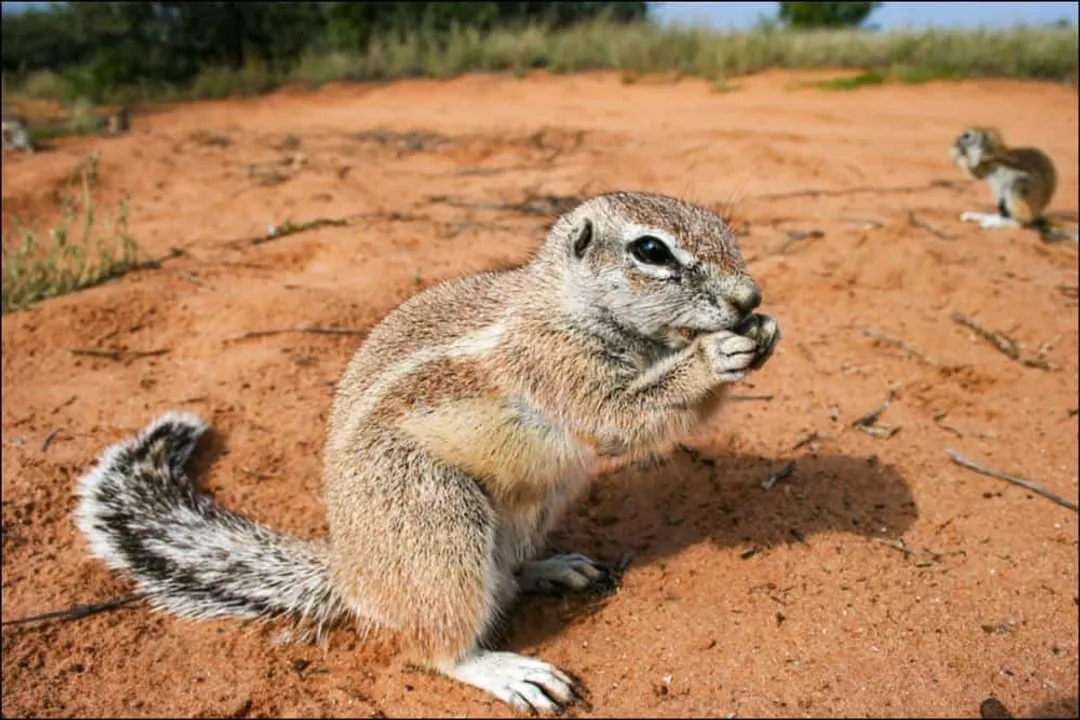
While Xerus species consume grasses, seeds, and flowers, a critical element of their vegetable intake involves underground storage organs like roots and tubers. Ecologically, this makes significant sense for a small, active mammal dealing with extreme temperatures. These buried sources offer a highly concentrated package of carbohydrates. Furthermore, and perhaps most importantly for arid survival, tubers store necessary moisture that is often depleted or unavailable in above-ground vegetation during drought conditions. Efficiently locating and digging these starchy roots directly impacts the ability of species like the Cape Ground Squirrel to maintain body condition through hot months.
Related Questions
How is the general dietary approach of the Xerus genus, encompassing Xerus erythropus and Xerus inauris, characterized?What plant material often forms a particularly important component of the Xerus vegetable diet?Which specific invertebrates do ground squirrels actively seek out to meet requirements for essential proteins and fats?What term describes the strictly diurnal pattern of feeding activity observed in Xerus squirrels?How do Xerus squirrels maintain their fluid balance without always accessing streams or ponds?What is the purpose of Xerus squirrels caching surplus seeds or provisions in their burrow systems?What diet is noted for the African Striped Ground Squirrel (Xerus erythropus) in its more vegetated habitat range?What dependency is often shown by the Cape Ground Squirrel (Xerus inauris) regarding its location in the drier Karoo and Kalahari regions?Why does digging for underground food in deep, loose, sandy soils of the Kalahari offer a maximized caloric return for Xerus?What distinction separates the general Xerus diet from that of a strict herbivore?