Xerus Diet
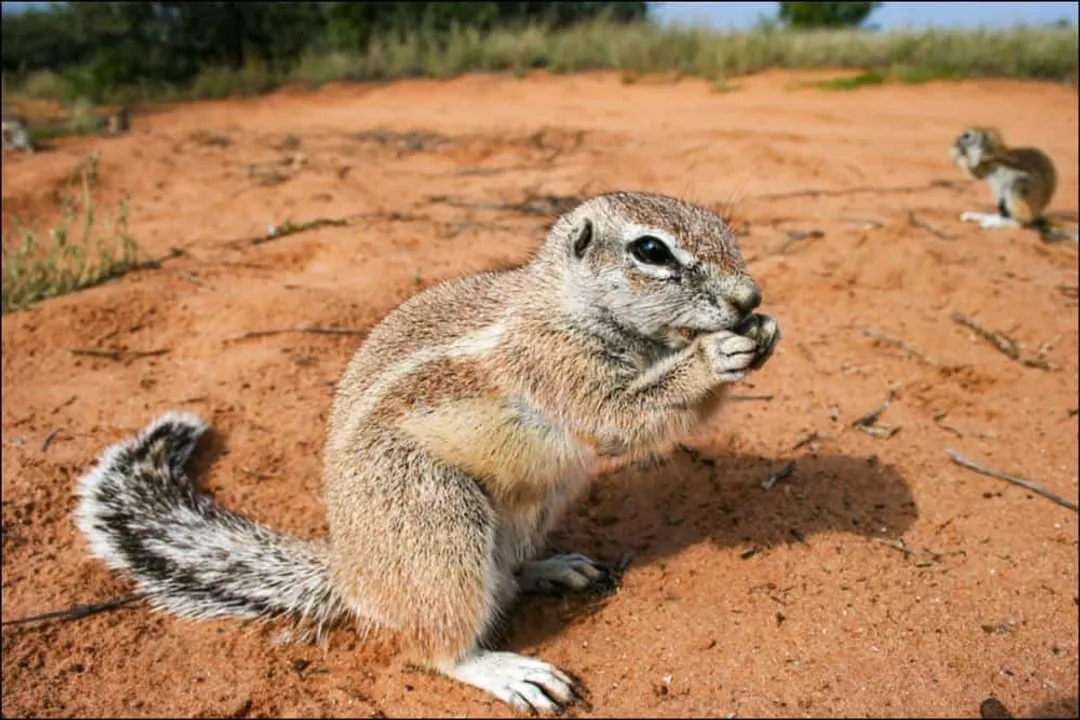
The diet of the Xerus genus, commonly known as African ground squirrels, reveals a flexible and opportunistic approach to sustenance, necessary for survival across the diverse, often arid, landscapes they inhabit across sub-Saharan Africa [cite a, c, f, h]. These creatures are generally characterized as omnivores, meaning their survival strategy relies on a varied intake that shifts based on seasonal availability, local ecology, and the specific needs of the individual species within the genus, which includes the African Ground Squirrel (Xerus erythropus) and the Cape Ground Squirrel (Xerus inauris) [cite a, i, g, d].
# Omnivore Nature
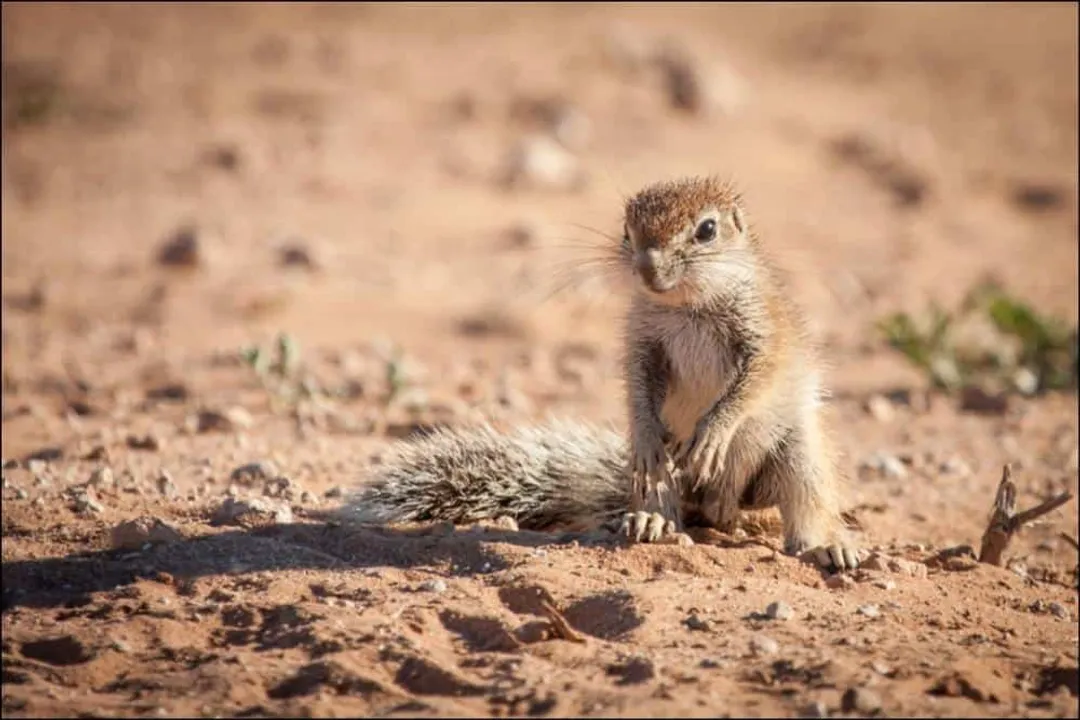
While the term "omnivore" accurately describes their potential, the bulk of the Xerus diet typically consists of vegetation [cite a]. However, their willingness to supplement this greenery with animal matter is what distinguishes them from strict herbivores [cite a]. This dietary plasticity is a significant advantage, allowing populations to persist even when preferred plant resources become scarce, such as during prolonged dry periods [cite a].
# Vegetable Intake
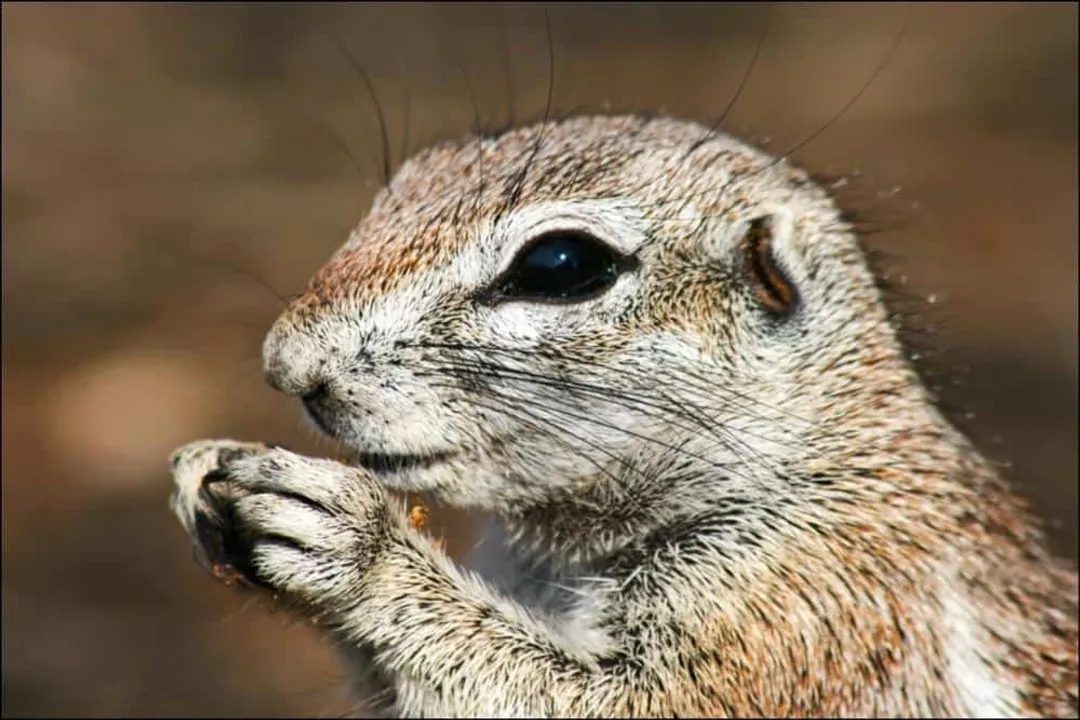
The primary caloric foundation for Xerus species comes from a wide array of plant materials. This intake heavily features grasses, though they consume seeds, fruits, and flowers when available [cite a][cite c]. A particularly important component of their vegetable diet often involves underground storage organs, such as roots and tubers [cite a].
When considering the energy demands of a small, highly active mammal living in environments subject to extreme temperature fluctuations, relying on underground food sources makes excellent ecological sense. These tubers and roots offer a concentrated package of carbohydrates and, critically, stored moisture that is often unavailable in the above-ground vegetation during drought conditions [cite a]. For a species like the Cape Ground Squirrel, which can be quite reliant on these buried reserves, the ability to dig efficiently dictates survival across the hotter months [cite i]. A good digger, one capable of locating dense pockets of these starchy roots, will maintain body condition far better than one restricted only to surface grazing.
# Insect Consumption

To meet their requirements for essential proteins and fats, ground squirrels actively seek out invertebrates [cite a]. This animal component of the diet is not merely incidental; it is a targeted acquisition. Common prey includes insects like grasshoppers and beetles, as well as larvae, grubs, and occasionally even eggs or small vertebrates if the opportunity arises [cite a].
There can be subtle differences in the degree to which different species incorporate animal protein. For instance, while all Xerus species consume insects, the specific ratio may shift depending on habitat quality. A species inhabiting a slightly more mesic (wetter) environment might find sufficient protein through readily available insects, whereas a species in a harsher, drier zone might have to rely more heavily on the fat stores found in specific seeds or underground parts, only turning to insects when absolutely necessary for immediate nutrient boosting.
# Hydration Sources
Water acquisition is a constant challenge for mammals inhabiting the savannas and arid grasslands where Xerus species are found [cite g]. While these squirrels do drink from surface water when it is present, they are well-adapted to survive long periods without directly accessing streams or ponds [cite a]. Their moisture intake is frequently derived indirectly from their food sources [cite a]. Succulent plants, dew collected on vegetation in the early morning, and the high water content within certain roots and insects all contribute to maintaining their fluid balance [cite a].
# Daily Foraging
Xerus squirrels are strictly diurnal, meaning their feeding activity is confined to the daylight hours [cite b][cite c]. They spend significant portions of the day above ground, foraging across their territory [cite c]. Like many ground squirrels, they exhibit behavior related to food storage, often caching surplus seeds or other provisions in their burrow systems [cite c]. This act of caching is essential; it smooths out the day-to-day nutritional intake, ensuring that a successful foraging trip one morning can support them through a subsequent rainy day when hunting might be difficult or when they need to remain underground for safety or thermoregulation.
# Species Variation
While the general dietary pattern holds true across the genus, distinguishing between species highlights fascinating ecological specialization. The African Striped Ground Squirrel (Xerus erythropus), for example, is found in habitats that can range from semi-arid to woodland areas [cite a]. Its diet is noted for incorporating a large amount of plant matter, particularly leaves and fruits available in more vegetated zones [cite a]. In contrast, the Cape Ground Squirrel (Xerus inauris), predominantly found in the drier Karoo and Kalahari regions, often shows a very strong dependency on the underground parts of grasses and other plants that store reserves against the harsh environment [cite i].
When observing populations across varying soil types, a key difference emerges in foraging effort versus reward. In areas with deep, loose, sandy soils common to the Kalahari, digging for underground food might be energetically cheaper than traversing vast distances for patchy surface vegetation, allowing the squirrels to maximize caloric return for effort expended in their immediate vicinity [cite i]. This localized feeding strategy minimizes exposure to predators, making the diet an integral part of their overall anti-predator defense structure.
Related Questions
#Citations
Xerus erythropus (striped ground squirrel) | INFORMATION
Xerus Ground Squirrels | Kalahari Safari | 2025 Exclusive
African striped ground squirrel
Assembly squirrules
Unstriped ground squirrel - Facts, Diet, Habitat & Pictures ...
Xerus Animal Facts
Cape Ground Squirrel - Rodent - South Africa
Genus Xerus, Euxerus, Geosciurus - African Ground ...