What is the name for the nests excavated by female bull trout in gravel beds during the fall spawning season?
Answer
Redds
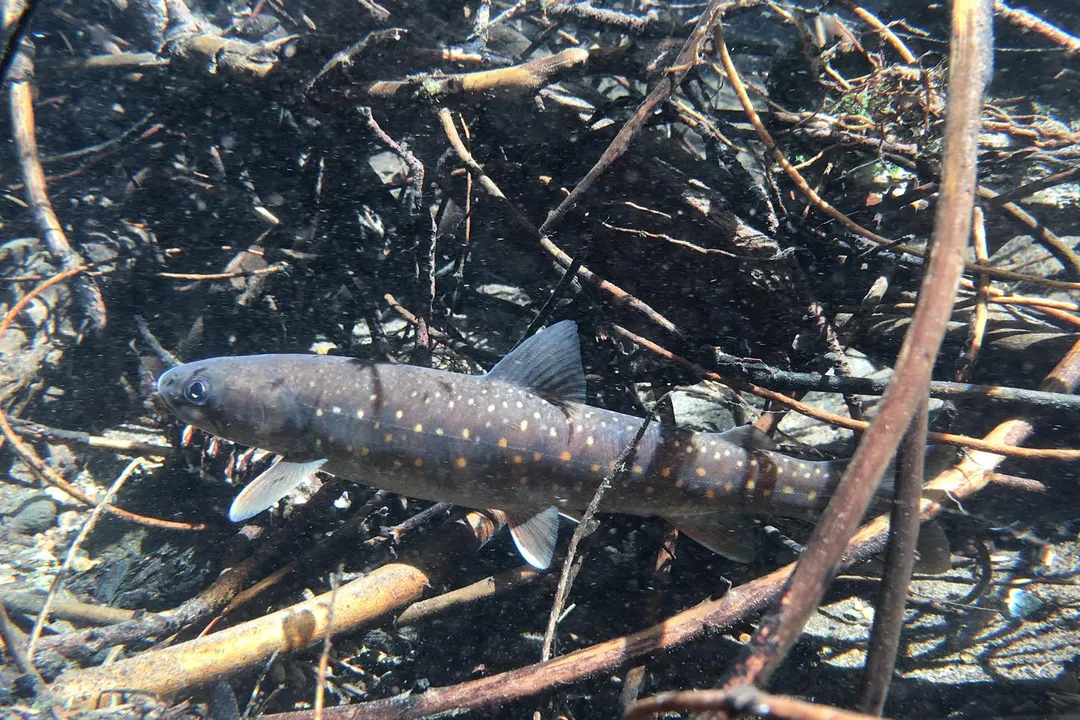
During the fall spawning period, female bull trout actively create specialized nests in the gravel beds of shallow, cold headwater streams. These excavated structures are formally known as redds. The female carefully digs these depressions to deposit the fertilized eggs, which are then covered with gravel by both parents to protect them from predators and stream currents. The structural integrity of these gravel beds is crucial because the eggs remain buried and developing within this substrate for an extended period, highlighting why habitat alteration that affects gravel quality, such as sedimentation from logging, is so detrimental to reproductive success.
Related Questions
What specific water temperature typically limits where bull trout can successfully spawn and rear young?What is the name for the nests excavated by female bull trout in gravel beds during the fall spawning season?What ecological role did the migrating bull trout historically fulfill across the watershed between different elevations?How did the construction of massive hydroelectric dams specifically impact migratory bull trout populations in the Columbia and Snake River systems?What characteristic is believed to inspire the common name of the bull trout, *Salvelinus confluentus*?In what year did the U.S. Fish and Wildlife Service list the bull trout as threatened under the Endangered Species Act across most of its U.S. range?What direct result of logging practices, particularly clear-cutting near streams, negatively affected bull trout egg incubation?What key modern insight gained from research dictates that bull trout conservation success is highly dependent on the exchange between separated populations?Which major river systems historically encompassed the bull trout's massive distribution west of the Continental Divide in North America?Approximately how long do young bull trout spend dependent on the clean gravel habitats of their natal streams before migrating to larger waters?