What is the ecological significance of the moose being the largest extant deer species?
Answer
Its immense size sets it apart from many of its Cervidae relatives
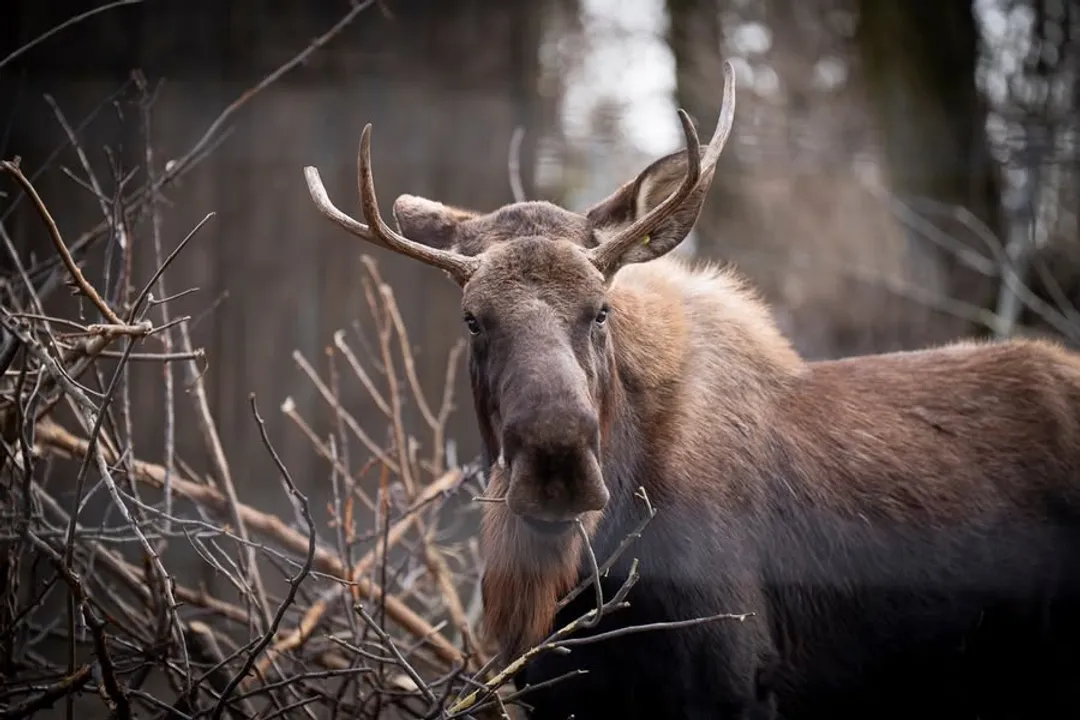
The moose's sheer size, sometimes exceeding 1,500 pounds and standing over six feet tall at the shoulder, immediately sets it apart from many other members of the Cervidae family.
Related Questions
What is the scientific classification of the moose?To which taxonomic family does the moose belong?What characteristic fundamentally sets the moose's classification as a mammal?The order Artiodactyla groups the moose with which type of ungulate based on limb structure?What common name is used in Europe for the animal identified globally as *Alces alces*?What is the ecological significance of the moose being the largest extant deer species?What is the origin of the North American common name 'moose'?What distinguishes the genus *Alces* from the genus *Cervus* within the Cervidae family?What specialized feeding habit related to water resources do moose utilize in warm summer months?What is the approximate gestation period for a moose calf?