What does a moose classify as?
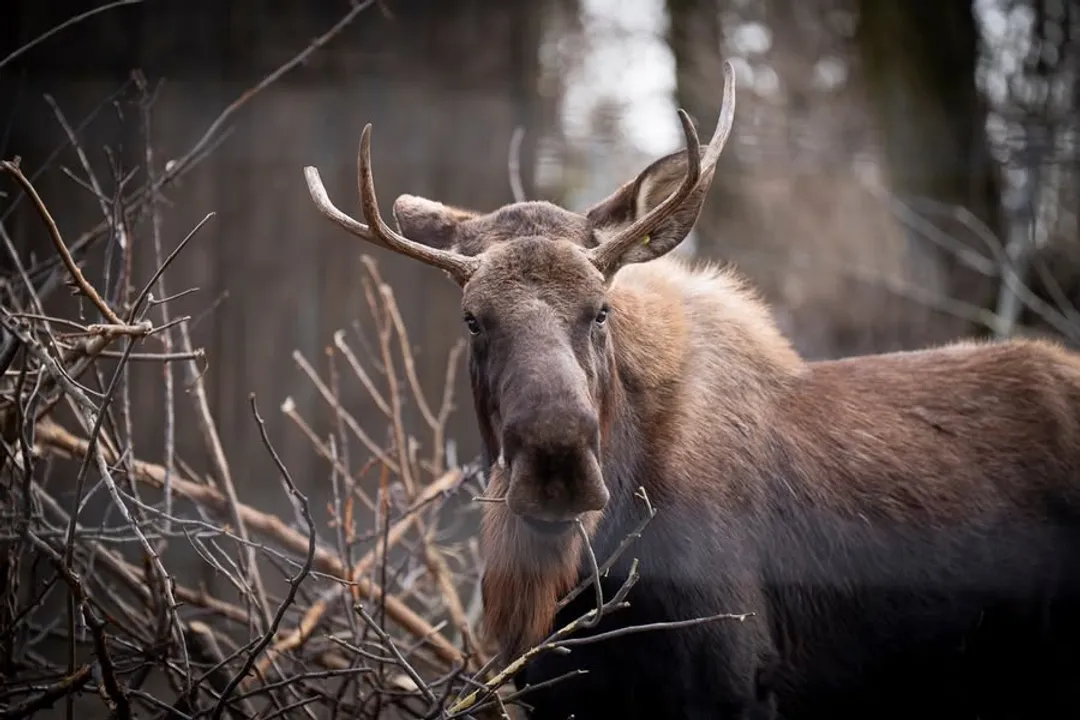
The classification of a moose places it firmly within the deer family, a group renowned for its members sporting antlers or horns. To answer the question directly, the moose is scientifically classified as Alces alces. This designation anchors it within the broader kingdom of animals, distinguishing it from plants and fungi, but its specific placement tells a much more detailed story about its evolutionary history, physiology, and ecological role. As a mammal, it belongs to the class Mammalia, meaning it is warm-blooded, breathes air with lungs, has hair or fur, and feeds its young with milk produced by mammary glands. This fundamental status as a mammal sets the stage for understanding its other specialized classifications.
# Taxonomic Placement
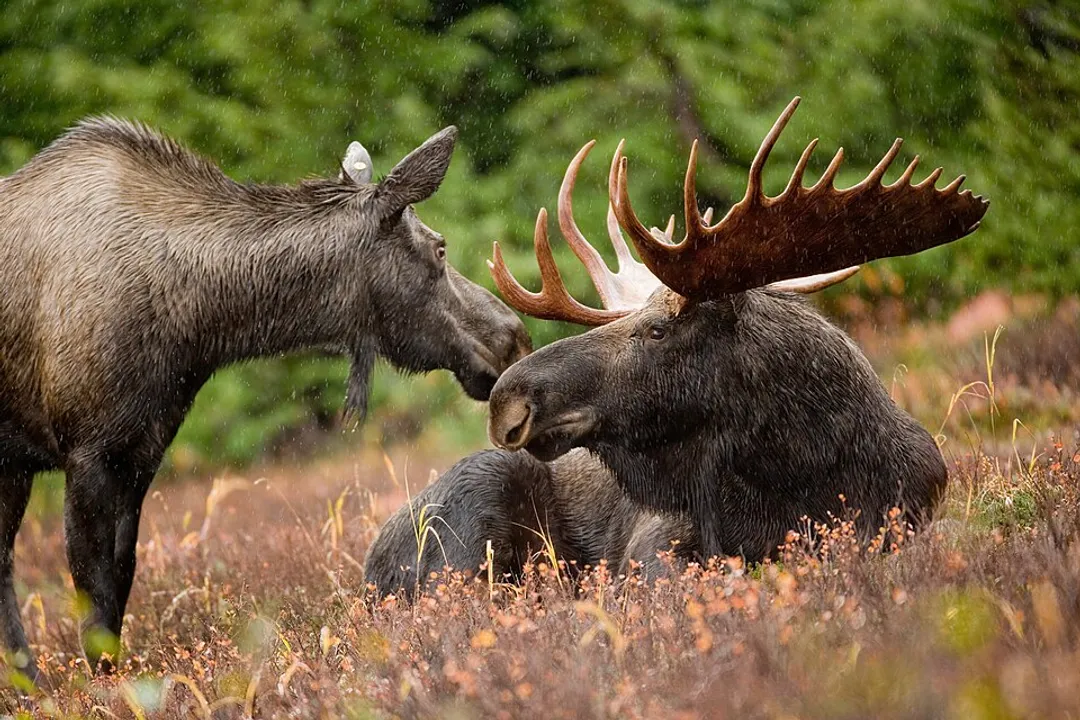
Delving deeper into the Linnaean system reveals the moose's precise niche. Moose belong to the family Cervidae, which is the deer family. This means that although they are the largest members of this group, they share ancestry with familiar animals like white-tailed deer and elk. Within Cervidae, the moose occupies its own genus, Alces. The species name, alces, completes this binomial nomenclature, providing the specific identifier for this particular animal across the globe. Biologically, they are members of the order Artiodactyla, which groups them with the even-toed ungulates. This trait—having an even number of toes—is significant, as it dictates much about their lower limb structure and how they move across different terrains, a necessity for an animal of such significant mass.
The full, recognized taxonomic breakdown according to scientific authorities looks like this:
| Rank | Classification |
|---|---|
| Kingdom | Animalia |
| Phylum | Chordata |
| Class | Mammalia |
| Order | Artiodactyla |
| Family | Cervidae |
| Genus | Alces |
| Species | Alces alces |
| [1] |
When assessing global conservation status, organizations track the species Alces alces. For instance, in some regions, the classification helps managers understand population health and manage local subspecies or distinct populations. The identity as Alces alces is globally consistent, even if local common names shift drastically.
# Scientific Identity
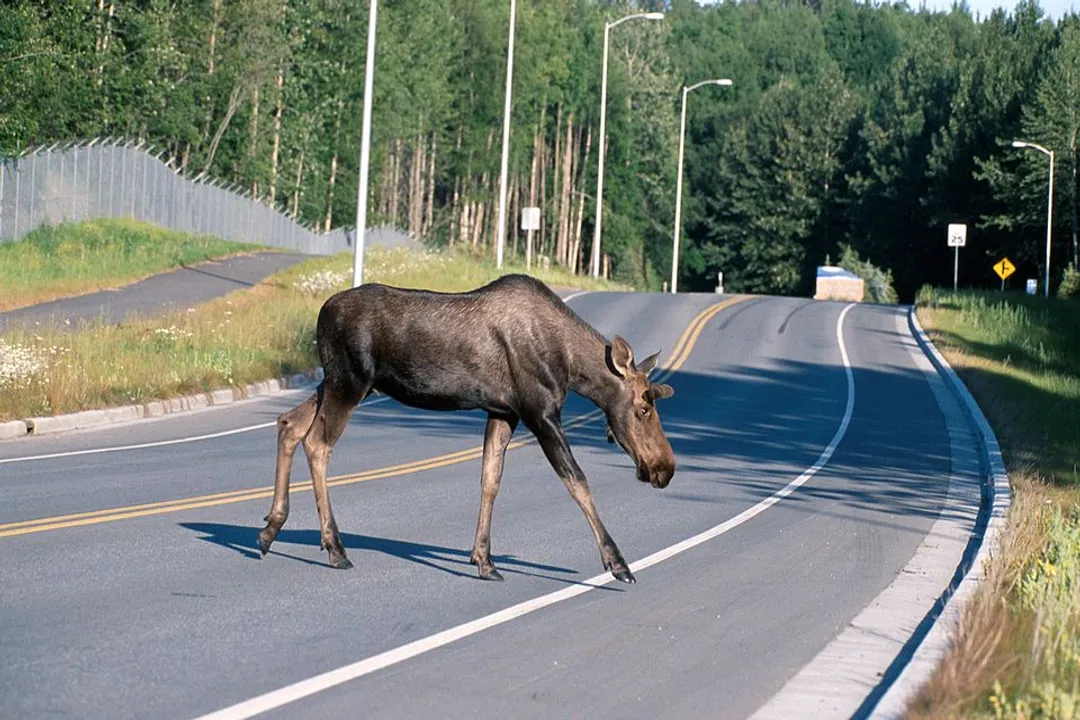
The scientific classification of Alces alces provides researchers with a universal reference point, sidestepping the confusion that common names can introduce. This species is recognized across North America, Europe, and Asia, and the Latin name remains the same regardless of location. In North America, the moose is known for its sheer size, with males sometimes standing over six feet tall at the shoulder and weighing over 1,500 pounds. This immense size is a characteristic trait that immediately sets it apart from many of its Cervidae relatives, cementing its status as the largest extant deer species. The antlers, unique to the males of the species, are also massive, spanning up to six feet wide, and are shed and regrown annually, a feature typical of many deer family members.
The classification within the genus Alces is important because it distinguishes the moose from the genus Cervus, which contains elk (wapiti) and red deer. While both are in the Cervidae family, the evolutionary divergence reflects different habitat adaptations and physical structures. For example, the structure and sheer scale of the moose’s palmate antlers contrast with the more branching antlers seen in many Cervus species. This fundamental identity as Alces alces is the single most reliable way to discuss the animal scientifically, whether you are in Minnesota, Maine, or Mongolia.
# Naming Confusion
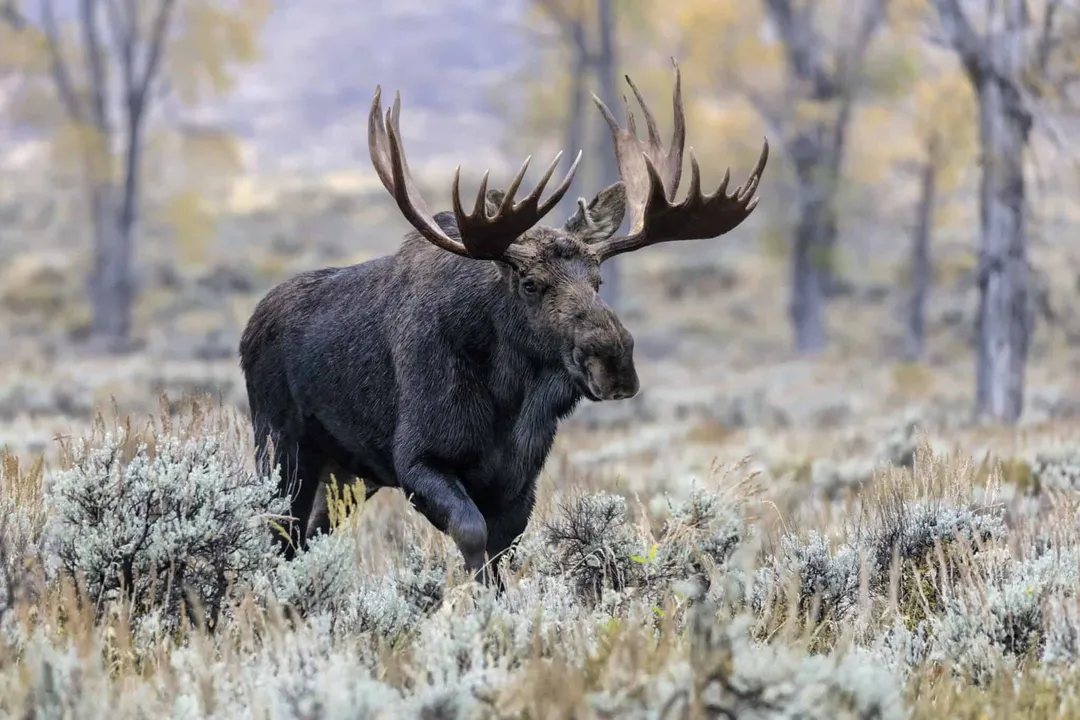
One of the most frequent points of confusion regarding the moose's classification relates to its common name versus its presence in different parts of the world. In North America, Alces alces is universally called the moose. However, the name "moose" itself has roots in Native American languages; specifically, it derives from the Algonquin word moosewa, which is often translated to mean "twig eater" or "stripper of bark". This name reflects their browsing diet of woody vegetation.
Contrastingly, in Europe, the animal referred to as Alces alces is known as the elk. This leads to significant geographical ambiguity, as the North American animal known as "elk" (Cervus canadensis) is a different species entirely, although it is still a member of the Cervidae family. Understanding that Alces alces is the constant factor, while the common name is variable based on latitude, clarifies where this animal fits within the mammalian order. A wildlife manager in British Columbia might discuss the Alces alces population, while a researcher in Sweden discusses the Alces alces population, and the two are referencing the same species, despite the use of "moose" versus "elk".
# Mammalian Traits
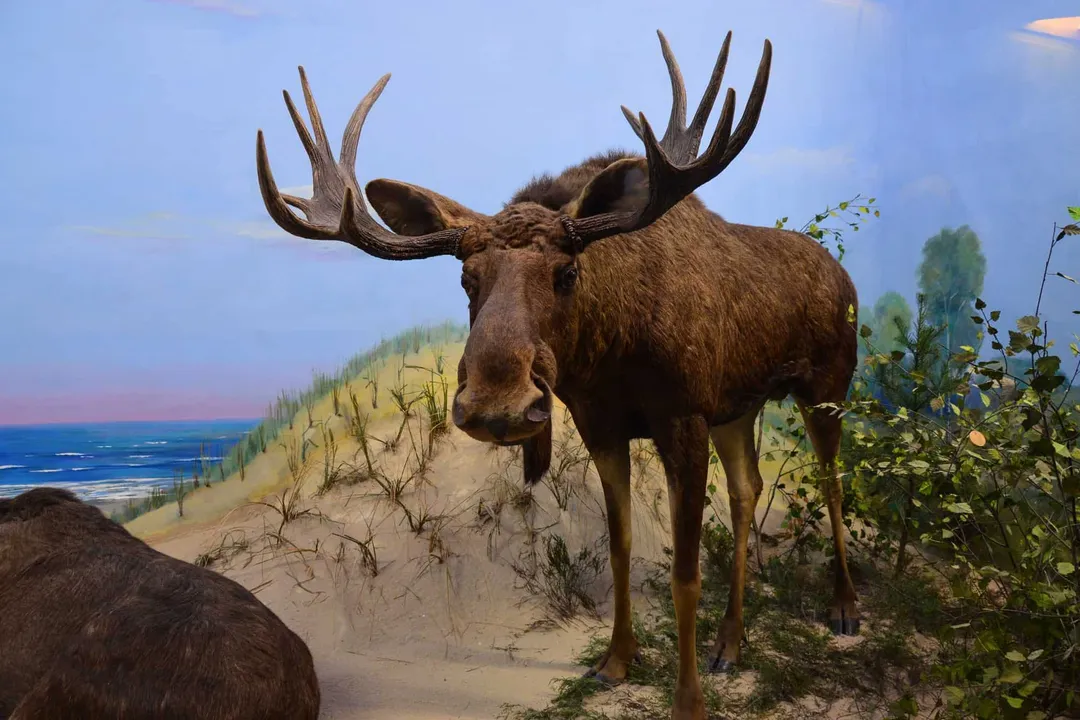
The classification as a mammal within the Order Artiodactyla dictates several critical survival characteristics for the moose. As large herbivores, they require significant energy intake, which is managed through a specialized digestive system common to ruminants, a sub-group within Artiodactyla. They browse on leaves, bark, twigs, and aquatic vegetation. Their classification as ungulates means they walk on the tips of their toes, which is highly efficient for covering long distances in the dense boreal and mixed deciduous forests they inhabit.
Furthermore, their classification as a mammal explains their reproductive strategy. Moose typically give birth to a single calf after a gestation period of about eight months. The calf is dependent on its mother’s milk, a defining mammalian trait, for its initial growth, often staying with her for nearly a year before becoming independent. This relatively slow reproductive rate is characteristic of many large ungulates and influences how wildlife agencies manage their populations. Their dense coat, another mammalian feature, is essential for survival in the frigid northern climates where they thrive.

# North American Range
The distribution of Alces alces helps define the ecological boundaries within which this classification exists. In North America, moose are generally found in the northern tier of the continent, including Alaska, Canada, and parts of the northern United States such as Maine, Vermont, New Hampshire, Minnesota, and Wyoming. This range primarily encompasses boreal forests, mixed deciduous forests, and taiga ecosystems. Their ability to thrive here is directly tied to their physical classification—large bodies help retain heat, and their specialized feeding habits allow them to utilize woody browse unavailable to smaller ungulates.
In contrast, the European and Asian populations of Alces alces occupy similar cold, forested environments. The successful adaptation of this species across widely separated continents highlights the effectiveness of the Alces alces classification in describing a highly specialized animal suited to cold, high-latitude forests. For instance, in Wyoming, their presence is often linked to willow-dominated stream bottoms and high-elevation slopes. Understanding this habitat preference is key to managing their classification's future, as habitat shifts due to climate change directly impact the viability of Alces alces populations.
One interesting ecological distinction tied to their classification as a large browsing mammal is their relationship with water. Moose are exceptionally strong swimmers and often utilize wetlands and shallow lakes not just for escape from predators or heat, but also to feed on submerged aquatic plants. This behavior is less common among other members of the Cervidae family of comparable size, suggesting a specialized niche adaptation within the Alces genus that goes beyond simple browsing on terrestrial woody stems. This reliance on aquatic resources links their physical build—a large, sturdy frame—with their dietary needs, providing a survival advantage during warm summer months when terrestrial forage quality might decline.
Another aspect arising from their classification as even-toed ungulates and their sheer size is the effect they have on their immediate environment, sometimes termed "browsing impact." Because a single mature bull can consume massive amounts of vegetation daily, the distribution and health of Alces alces populations can significantly alter the structure of local plant communities, especially in younger forests or areas recovering from disturbance. While other deer species cause damage, the sheer caloric demand of a moose means its impact is concentrated, acting as a natural pruning agent for specific types of woody growth. This impact profile is distinct from that of the smaller deer species found in the same biomes, like the white-tailed deer, even though they share the same family classification.
The moose’s classification as Alces alces is more than just a scientific label; it represents a highly successful evolutionary path optimized for cold, forested environments, characterized by massive size, unique antler growth, and specialized feeding habits that utilize both terrestrial shrubs and aquatic vegetation. This designation allows biologists worldwide to communicate about a creature whose identity might otherwise be masked by confusing local names like "elk".
Related Questions
#Citations
Moose - Wikipedia
Moose - Alces americanus - New Hampshire PBS
Alces alces - NatureServe Explorer
The name "moose" comes from the native Algonquin word ...
Alces alces (Moose) - Michigan Natural Features Inventory
Moose | Wyoming Game & Fish Department
Alces alces Moose - Species Summary
Alces alces : Moose | Rare Species Guide | Minnesota DNR
Moose Animal Facts - Alces alces - A-Z Animals