What are schnauzers classified as?
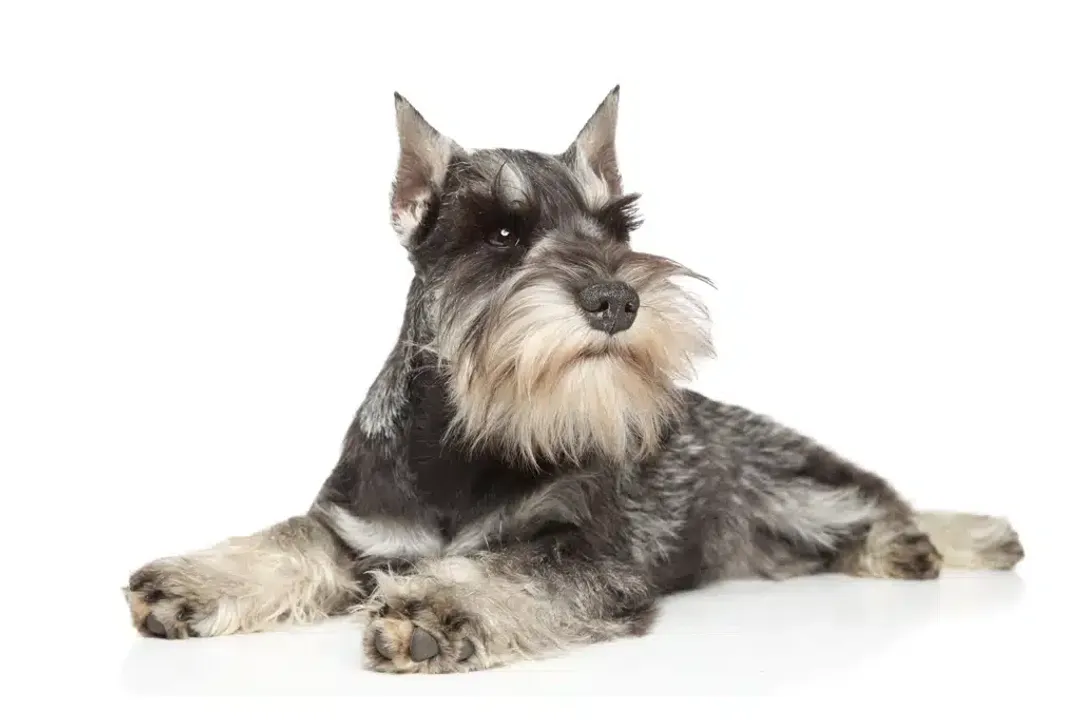
The Schnauzer name identifies a distinctive family of German dog breeds, recognizable by their wiry coats, pronounced beards, and expressive eyebrows. [1][2] While they share a common ancestry originating in Germany, the term "Schnauzer" encompasses three distinct sizes—Miniature, Standard, and Giant—each possessing subtle differences in history, development, and, perhaps most interestingly, how major kennel clubs categorize them. [1][7] Understanding the classification of a Schnauzer is not as simple as pointing to a single group, as their roles throughout history have caused them to drift into different categories depending on the registry you consult. [2][6]
# German Roots
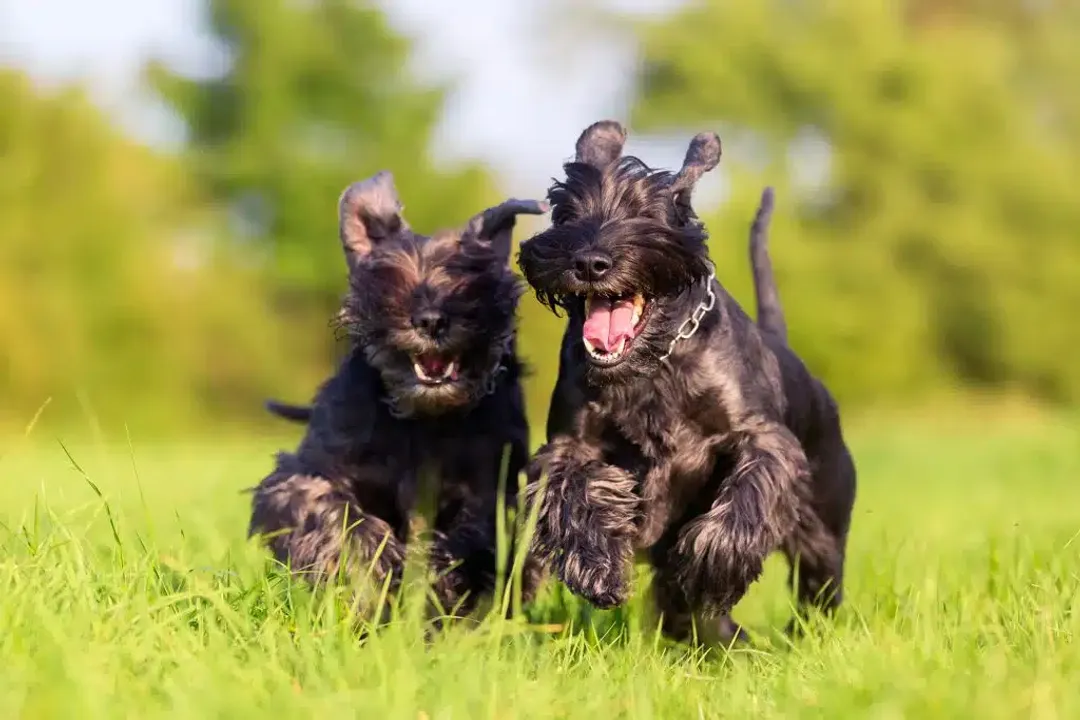
The foundational dog of this lineage is the Standard Schnauzer. [2][9] This breed is considered the prototype from which the other two variations were developed. [2][6] Originating in Germany, the Standard Schnauzer was historically a versatile farm dog, prized for its intelligence, alertness, and ability to manage vermin while also serving as a dependable guard dog. [1][6] Their medium size and hardy nature made them invaluable assistants to farmers and merchants. [6]
The breed's strong, square build and characteristic wiry coat—which helps protect them from the elements and from bites during pest control—are traits that define the entire family, regardless of size variation. [2][6] The commonality in appearance, despite the size differences, speaks to their shared genetic foundation derived from that original German working dog. [9]
# Three Sizes Emerge
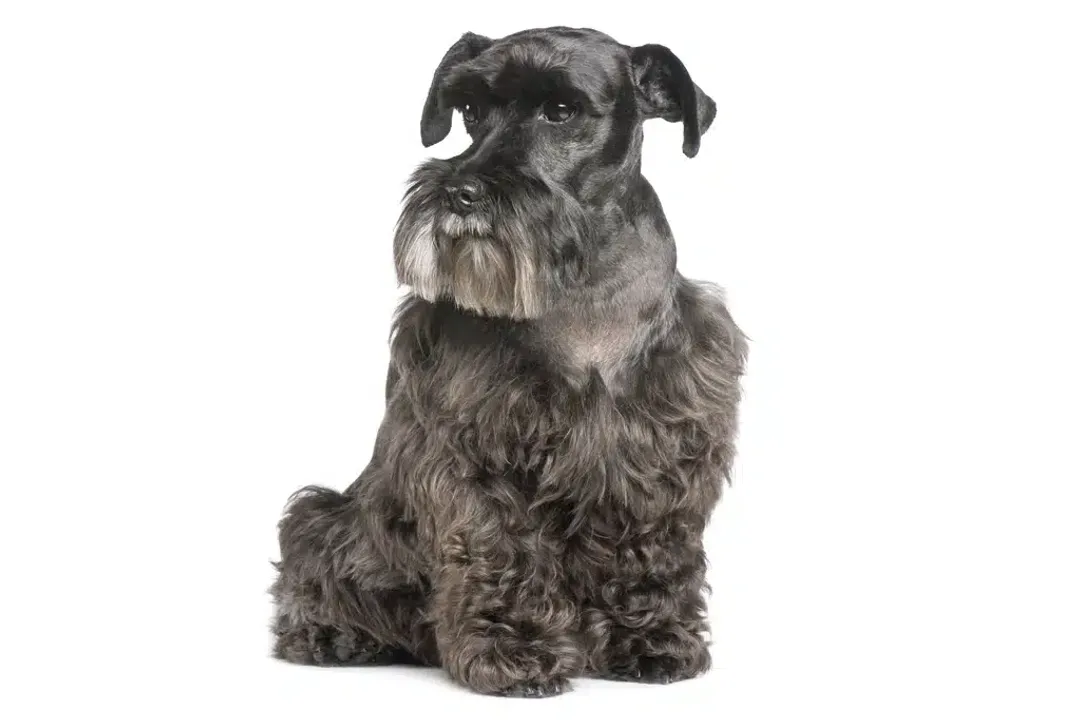
The divergence into three distinct sizes is a defining characteristic of the Schnauzer family, something that often causes confusion when trying to assign a single classification. [1][7]
The Miniature Schnauzer is the smallest of the trio. This variation was purposefully developed by breeding down the Standard Schnauzer. [3] Smaller specimens of the Standard were crossed with other diminutive breeds, such as the Affenpinscher and the Miniature Poodle, to achieve the desired compact size. [3] The primary goal for developing the Miniature was to create an exceptional house and barn ratter. [3] Their smaller stature made them ideal for tight spaces, yet they retained the spirited, intelligent disposition of their larger relatives. [3]
The Standard Schnauzer, as mentioned, is the intermediate and original form. [2][6] It sits squarely between the Miniature and the Giant in terms of height and weight. [7]
The Giant Schnauzer, conversely, represents the largest expression of the breed type. [6] This dog was bred for tasks requiring more strength and imposing presence, such as driving cattle to market and guarding property. [1][6] While the Standard was the starting point, breeding to achieve the Giant size likely involved crosses with larger working dogs, possibly including the Great Dane or Rottweiler, to enhance size and guarding instinct. [1][6] This variation clearly evolved toward heavy-duty utility work. [6]
Here is a quick comparison of their typical size ranges based on breed standards:
| Breed Size | Approximate Height Range (in inches) | Primary Historical Role |
|---|---|---|
| Miniature | 12 to 14 | Ratter, Companion [3] |
| Standard | 17.5 to 19.5 | Farm Dog, Guard [2] |
| Giant | 23.5 to 27.5 | Cattle Driver, Guard [1][6] |

# AKC Groupings Split
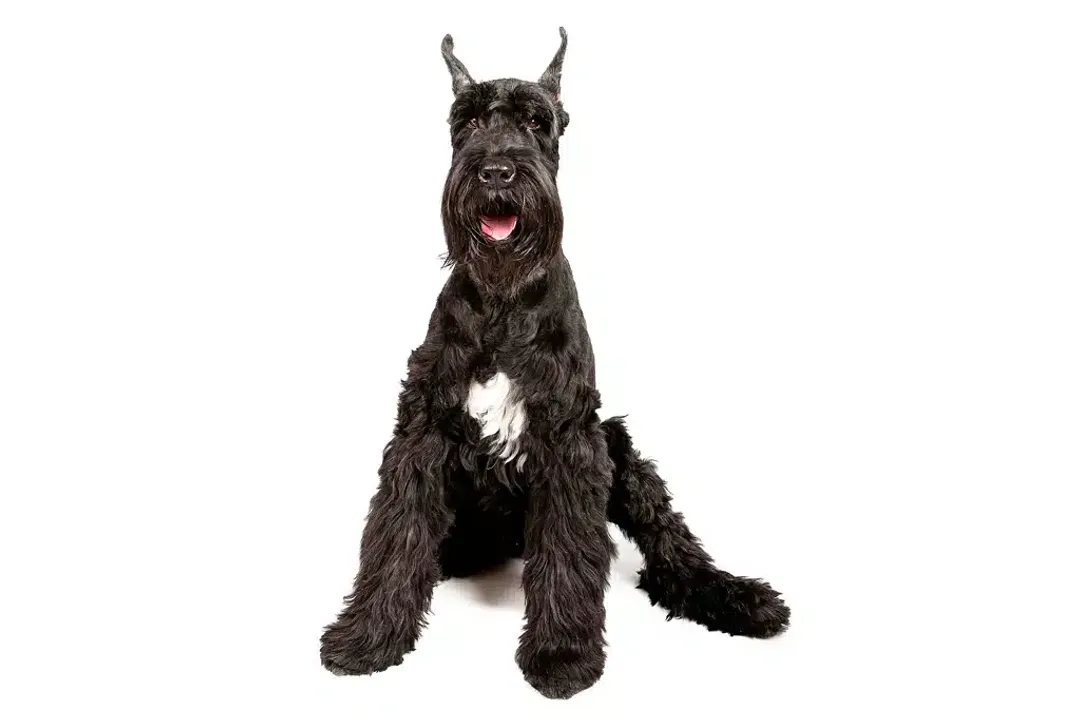
When looking at kennel club classifications, particularly the American Kennel Club (AKC), the functional history of the three sizes becomes clearly delineated, resulting in different group placements for the Miniature versus its larger counterparts. [2][6]
The Standard Schnauzer and the Giant Schnauzer are both firmly placed within the AKC's Working Group. [2][6] This grouping reflects their historical purpose: guarding, property protection, and heavy utility work associated with farms and herding. [1][6] Dogs in the Working Group are typically bred for specific, demanding jobs requiring strength, intelligence, and endurance. [6]
In contrast, the Miniature Schnauzer is assigned to the Terrier Group. [2][6] This classification highlights its successful early role as a vermin hunter. [3] Terriers, as a group, are generally known for their feisty nature, tenacity, and desire to dig and hunt small animals. [2] Even though the Miniature Schnauzer is primarily a companion dog today, its lineage and inherent drive tie it scientifically and historically to the terrier temperament profile. [3]
This difference in group assignment is a direct consequence of selective breeding emphasizing function over sheer lineage purity when registering distinct size variations. [2] While they share the "Schnauzer" name and general appearance, the Miniature's placement reflects its job description more than its Giant or Standard cousin's. [6]
# International View
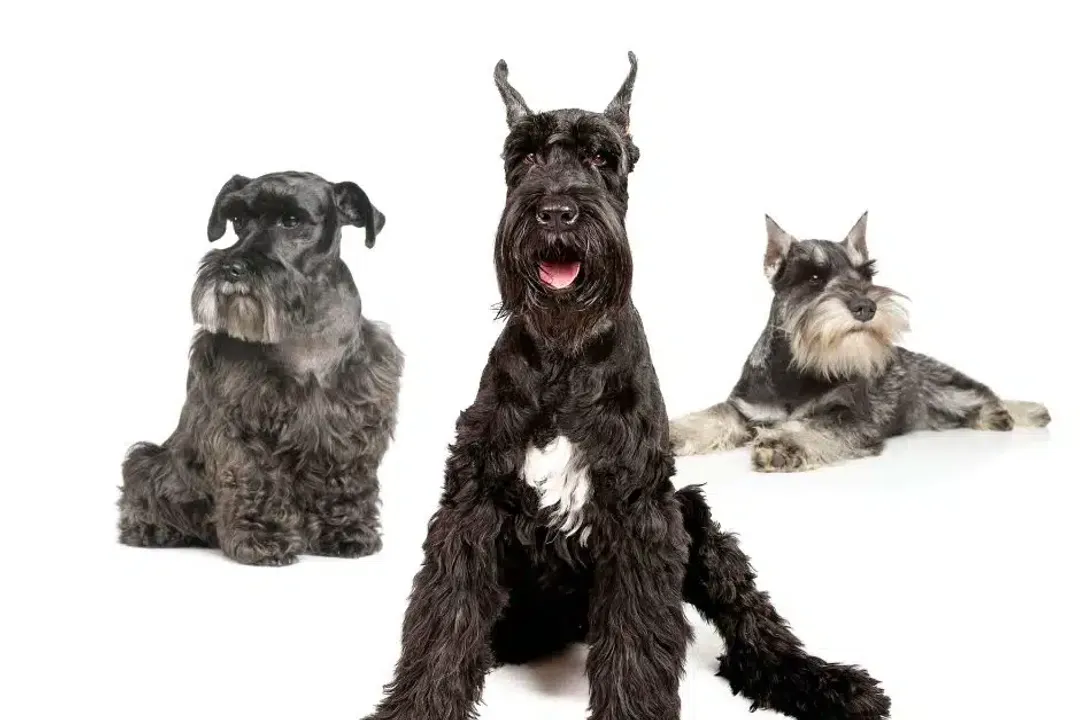
While the AKC separates the Miniature into the Terrier Group, other major international organizations adopt a different structure that groups the three sizes more cohesively based on their common Pinscher ancestry rather than the specific job they perform. [1]
The Fédération Cynologique Internationale (FCI), which governs many international dog shows, places all three Schnauzer variations—Miniature, Standard, and Giant—together in Group 2: Pinscher and Schnauzer – Molossoid and Swiss Mountain and Cattle Dogs. [1] This grouping places them alongside breeds like Dobermann Pinschers and Boxers. [1] This approach emphasizes the shared heritage and physical structure common to the Schnauzer family, grouping them with other German breeds often characterized by a strong, confident build and alertness. [1]
The contrast between the AKC system (splitting the Miniature into Terriers) and the FCI system (keeping all three together in Group 2) illustrates a fundamental debate in breed classification: should a dog be grouped by its original function (Terrier for ratter) or by its broader family type and overall construct (Group 2 for Pinscher/Schnauzer types)? [1][2] For owners interested in breed history, this difference is illuminating; for prospective owners, it signals that the dog's inherent personality may still lean toward terrier traits, even if its official AKC papers list it as a Working-line descendant, or vice versa. [6]
# Function Defines Label
The classification structure strongly suggests that function has dictated label, especially in the American context. [6] The Standard Schnauzer retained its initial, broad utility role, earning it a spot among the hard-working dogs. The Giant Schnauzer leaned into its heavy-duty guarding and driving duties, cementing its place in the Working Group. [1][6]
The Miniature Schnauzer’s journey is the most telling. When breeders successfully miniaturized the dog for ratting around stables and homes, the primary activity shifted from general farm utility to specific vermin control. [3] In the eyes of many kennel clubs, a successful ratter aligns closely with the established Terrier category. [2]
Considering the temperament, an owner bringing home a Miniature Schnauzer might instinctively prepare for training rooted in the tenacity and independent spirit characteristic of terriers, regardless of its Miniature status. [2] Conversely, an owner acquiring a Giant Schnauzer should anticipate the focus required for a dedicated Working breed, often involving more structured protection or obedience training from an early age. [6] Recognizing this classification distinction helps set appropriate expectations for training styles. For instance, those new to the Miniature Schnauzer might find that incorporating short, engaging scent games or short bursts of energetic activity aligns better with their terrier-derived drive than long, monotonous drills, which might suit the Standard or Giant better. [3] This subtle divergence in inherent drive, stemming from their historical specialization, is why the groups differ so widely. [2]
The presence of the Schnauzer in these varied groups—Terrier and Working—highlights a unique point in canine history where selective breeding created a size continuum within one named breed, forcing registries to make tough decisions about grouping based on perceived primary purpose or historical development path. [1][7] While the appearance is cohesive, the job split the family into different official categories.
# Coat Care Consistency
Despite the differences in size and group classification, one aspect that remains absolutely consistent across all three Schnauzers is their distinctive double coat, which requires specific grooming attention. [1][4] This coat is typically harsh and wiry on the outside, with a soft undercoat. [4] This texture is a key characteristic inherited from their working days, designed to repel dirt and weather. [4]
Maintaining this coat correctly involves regular brushing to prevent matting, and the traditional method, often preferred by enthusiasts, is hand-stripping. [4] Hand-stripping involves pulling out the dead outer hairs to allow new, correct-texture wire coats to grow in, which preserves the harsh texture essential to the breed standard. [4] Clipping, while easier and more common in pet homes, tends to soften the coat over time, making it less weather-resistant and altering the dog's authentic silhouette. [4] This grooming requirement is a universal classification point, irrespective of whether the dog is Miniature, Standard, or Giant. [1][4] A Miniature Schnauzer that is clipped too frequently might lose the very wiry texture that places the Standard Schnauzer in the Working Group for its hardiness. [2]
If you are considering adding a Schnauzer to your household, understanding the classification is the first step toward understanding its historical and behavioral underpinnings. [6] Whether you lean toward the feisty, smaller Terrier type or the more imposing, dutiful Working type, the common thread is an intelligent, bearded companion that carries a rich German heritage. [1][3]
#Videos
5 TYPES OF SCHNAUZERS - YouTube
Related Questions
#Citations
Schnauzer - Wikipedia
Standard Schnauzer - Dog Breeds - American Kennel Club
History of the Miniature Schnauzer
The 3 Schnauzer Types (and More About This Dog Breed) - PetHelpful
Schnauzers vs terriers? - Reddit
Standard Schnauzer Dog Breed Health and Care - PetMD
What's the Difference Between the Miniature Schnauzer, Standard ...
LETS TALK SCHNAUZERS: THE SURPRISING HISTORY OF ...
5 TYPES OF SCHNAUZERS - YouTube