What foundational principle describes the development of the WPG's outward appearance relative to its historical working mandate?
Answer
Form following function
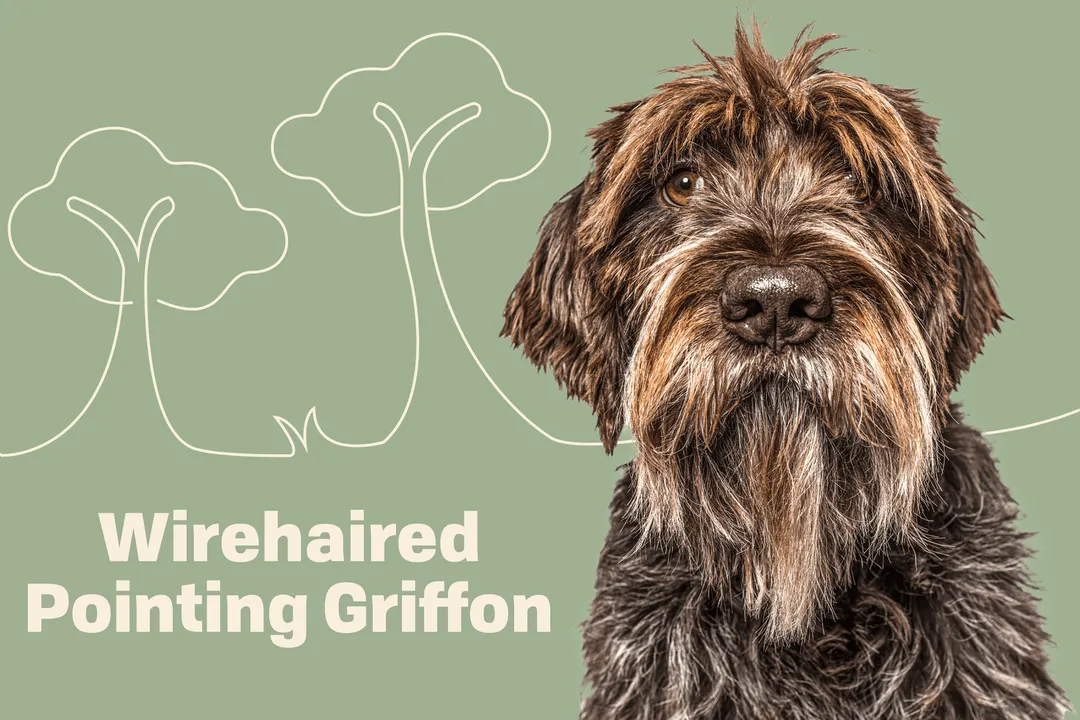
The entire development of the Wirehaired Pointing Griffon serves as a classic illustration of the principle of 'form following function.' This concept implies that the physical characteristics—the dog's outward appearance, including its sturdy build and specialized coat—were intentionally shaped to perfectly match the precise functional requirements of the job it was bred to perform: all-around hunting in harsh, varied environments. Consequently, the WPG’s resulting physique and coat became almost a perfect diagram illustrating its historical working mandate, demonstrating the success of a breeder intentionally shaping a lineage to be a comprehensive hunting tool.
#Videos
Where Did the Wirehaired Pointing Griffon Come From?
Related Questions
Who was the architect behind the distinct hunting dog known as Edward Radclyffe?In which European region did the modern WPG development efforts primarily begin around the 1870s?What specific trait was Edward Radclyffe explicitly aiming for when developing the WPG?What primary environmental hazards was the harsh and wiry coat designed to protect the Griffon against?From which linguistic source is the very name *Griffon* derived, relating to the coat?Which other breed's name caused historical overlap or confusion with the WPG due to early naming ambiguity?In what year did the American Kennel Club (AKC) officially recognize the Wirehaired Pointing Griffon?How did the WPG's evolution differ in selection pressure compared to the English Pointer?What is the consequence of stripping the dense, harsh coat of a WPG down to a soft texture today?What foundational principle describes the development of the WPG's outward appearance relative to its historical working mandate?