What breeds make up a German Wirehaired Pointer?
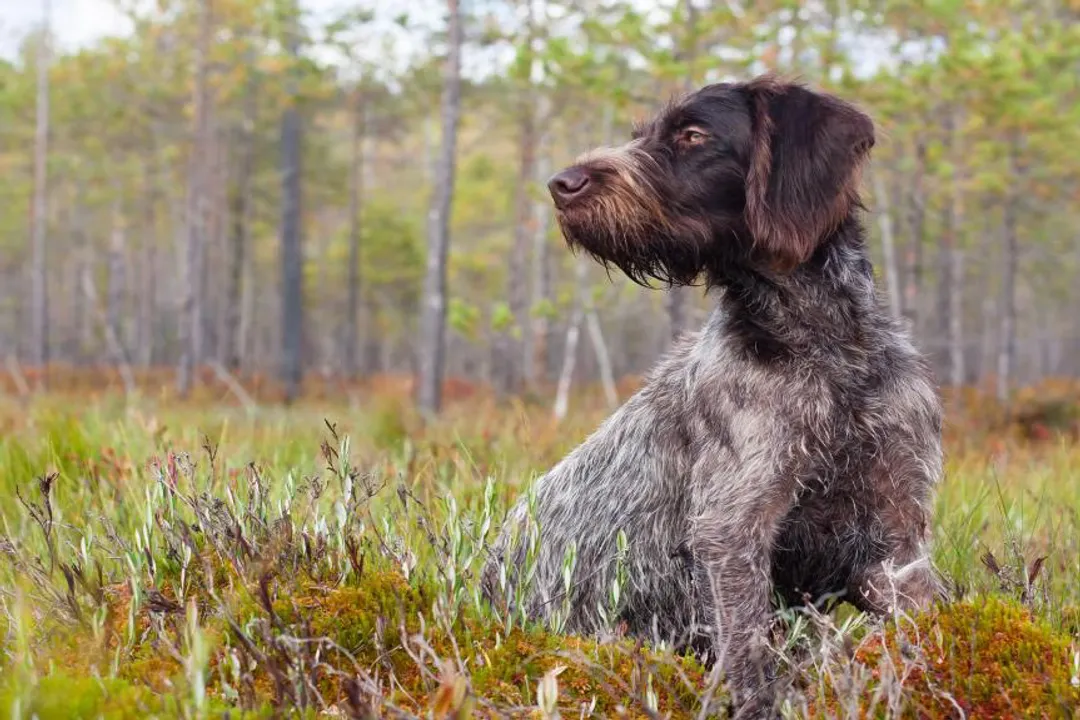
The German Wirehaired Pointer, often admired in the field for its distinctive, rugged appearance and tireless work ethic, represents a deliberate fusion of canine abilities rather than a purely ancient line. The breed's genesis lies firmly in late 19th-century Germany, a time when hunters sought to consolidate multiple necessary skill sets into one adaptable gun dog. The driving force behind this selective breeding was the desire for a versatile performer—a dog capable of pointing upland birds, robustly retrieving game from dense cover or icy water, and tracking wounded quarry across varied terrain. This need for comprehensive utility dictated the initial genetic recipe.
# German Origins
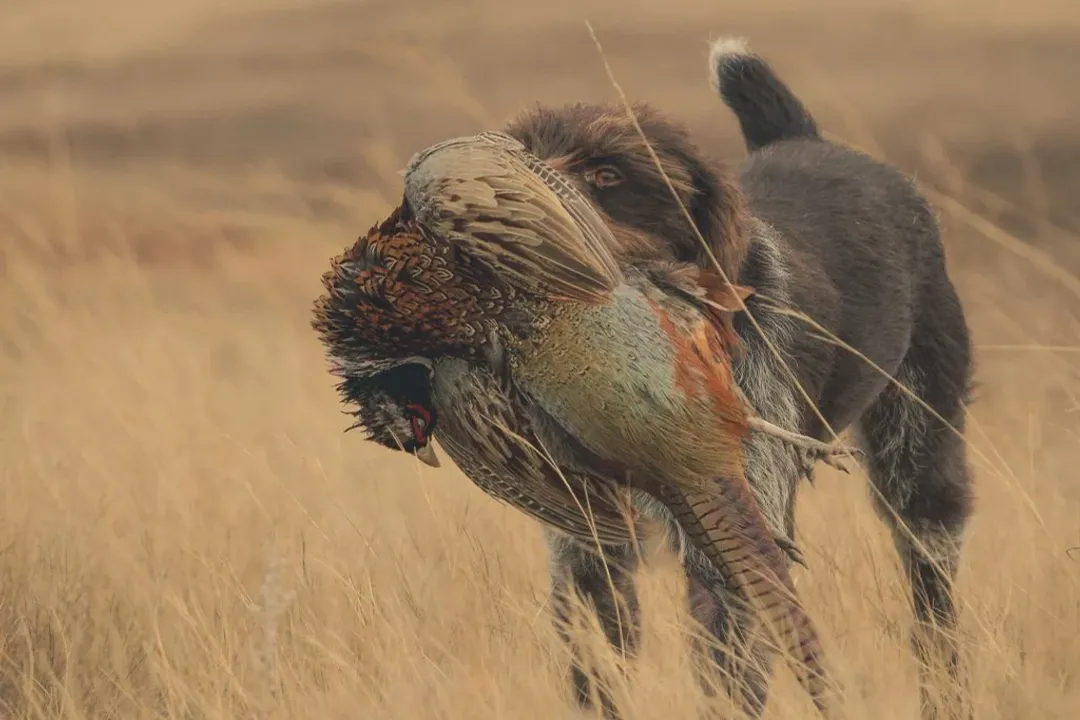
The systematic effort to create the Wirehaired Pointer began in Germany during the latter half of the 1800s. The context was an environment demanding supreme practicality from working dogs. Unlike breeds developed solely for one task, the German Wirehaired Pointer was an answer to the need for a universal hunting companion suited to the diverse and often challenging landscapes of the German countryside. Breeders weren't aiming for novelty; they were crafting a tool optimized for field efficiency across seasons and game types.
# Core Ancestors
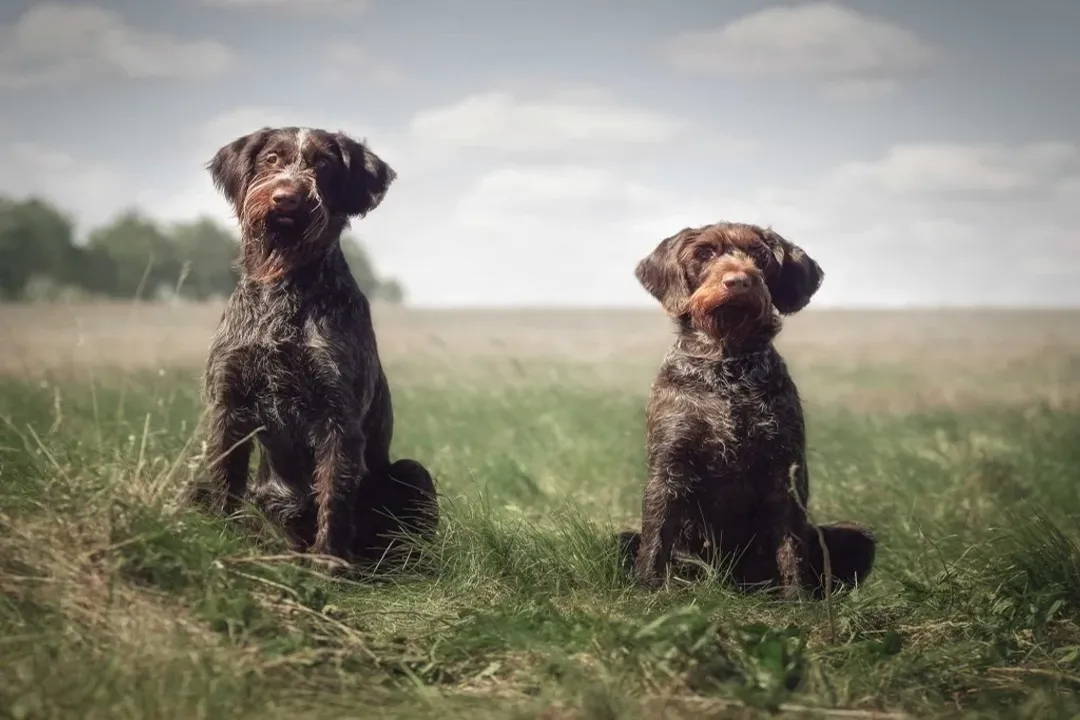
At the heart of the GWP's lineage sits the German Pointer, which provided the foundation for strong pointing instincts and general conformation. This foundational stock gave the emerging breed its drive and nose. However, the Pointer alone did not satisfy all the necessary criteria, particularly concerning coat protection and water work.
To introduce the necessary resilience and retrieving aptitude, breeders crossed the German Pointer with the German Rough-Haired Pointing Griffon (also known simply as the Wirehaired Pointing Griffon). This introduction was critical for achieving the hallmark wiry coat and imparting better water tolerance. The Griffon brought toughness and a dense, protective outer layer that could shed water and resist snags in thick briars, attributes essential for a dog working through heavy cover.

# Varied Genetics
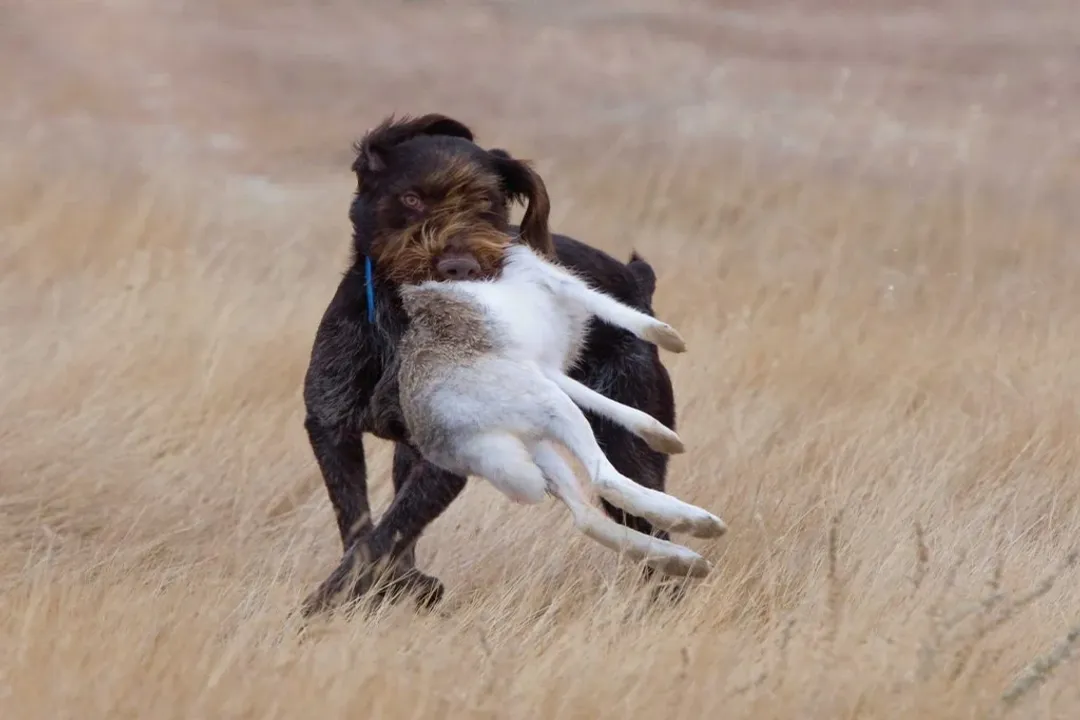
While the Pointer and the Griffon form the recognized backbone, the full genetic input for what became the modern German Wirehaired Pointer included other breeds, notably the Poodle and the Fox Terrier.
The inclusion of the Poodle, surprisingly to some, was likely intended to enhance water retrieving capabilities, as Poodles were historically proficient water dogs. Similarly, the Fox Terrier may have been introduced to sharpen gameness, agility, and perhaps contribute to the desired harshness of the coat texture. These infusions meant that the GWP was designed not just as a pointer, but as a hybrid possessing traits pulled from multiple specialized lines to create an all-in-one champion.
If we map these contributions against the desired outcome—pointing, tracking, and retrieving ability combined with a protective coat—it becomes clear the breeders were solving a complex engineering problem: how to combine the Pointer's scenting skill with the Griffon's armor and the Poodle's affinity for water, all within a single dog.
# Drahthaar Distinction
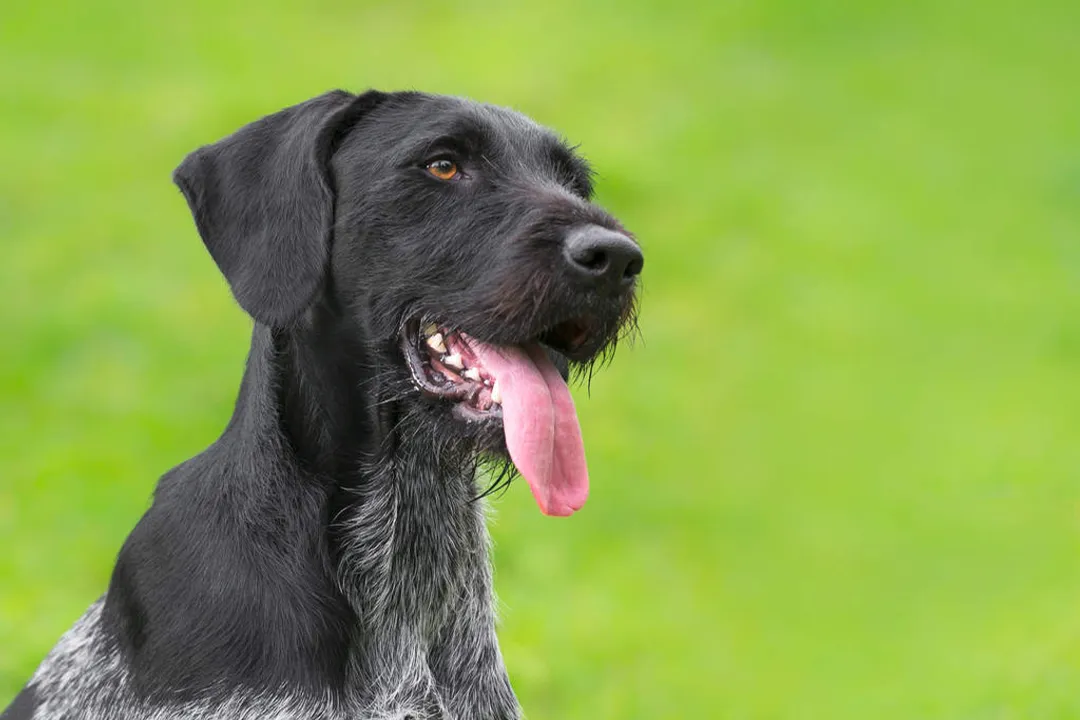
Understanding the GWP's makeup requires acknowledging its close cousin, the Deutsch Drahthaar (DD), as sources often discuss them together due to shared roots and visual similarity. While both breeds share the German Pointer in their ancestry and were developed around the same time for similar versatile hunting roles, the lineage and standards diverged slightly.
The Drahthaar line generally maintained stricter adherence to its core German breeding program, emphasizing the German Pointer, German Poodle-Pointer, and Griffon, often adhering closely to the standards set by the German Breed Club. Conversely, the line that became the American Kennel Club (AKC) recognized German Wirehaired Pointer seemingly incorporated more liberal outcrossing, potentially including the Fox Terrier and Poodle infusions mentioned previously. While both result in an outstanding versatile hunting dog, this subtle historical difference in accepted crosses can account for minor variations in temperament or physical traits seen between the two lines today.
# Coat Legacy
The defining characteristic, the dense, harsh, wiry coat, is a direct inheritance from the Griffon and the Poodle influences. This is more than just an aesthetic choice; it is functional armor. The wire coat provides insulation against cold water and protection against sharp underbrush, thorns, and ice shards during winter work.
This need for weather- and environment-proofing is fascinating when considering the breed's spread outside Germany. For instance, a hunter working a GWP in the rugged, brush-heavy fields of the American Midwest or the wet, cold waterfowl blinds of the northern states benefits immensely from this inherited protective layer. The density of the undercoat and the harshness of the outer guard hairs dictate how long the dog can remain comfortable and focused in adverse conditions, a direct result of selecting for Griffon and Poodle traits that provided superior water resistance.
# Function Over Form
The final composition of the GWP was always driven by function, a concept reflected in the very practical descriptions applied to the breed, such as being compared to a "canine muddy pick-up truck". This suggests a dog valued for its utility and endurance rather than delicate refinement. The ancestors chosen—the Pointer for scent, the Griffon for weatherizing, and the Poodle for water recovery—were selected because they filled a specific gap in the required skill matrix of the German hunter.
| Ancestor Breed | Primary Trait Contributed | Implied Purpose |
|---|---|---|
| German Pointer | Scenting ability, pointing drive | Upland Bird Work |
| Wirehaired Pointing Griffon | Harsh coat, water resistance | Protection and Water Retrieving |
| Poodle | Water retrieving proficiency | Waterfowl Recovery |
| Fox Terrier | Gameness, agility | Drive and Resilience |
This combination demonstrates that the GWP is less a single breed and more a blueprint realized through careful cross-breeding in the late 19th century. It illustrates an early focus on achieving peak performance across three distinct hunting domains—air scenting, ground tracking, and water retrieval—all wrapped up in a durable, weather-defying package. The resulting dog is a testament to deliberate, pragmatic selection aimed at creating the ultimate versatile hunting machine.
Related Questions
#Citations
Breed Breakdown: Which Wirehair is Which? - Pheasants Forever
German Wirehaired Pointer - Dog Breeds - American Kennel Club
The Difference Between a Drahthaar and a German Wirehaired ...
What is a dog breed similar to a German Wiredhair Pointer, but less ...
The German Wirehaired Pointer: The Canine “Muddy Pick Up Truck ...
German Wirehaired Pointer - Dog Breeds - Omlet
The Deutsch Drahthaar/German Wirehaired Pointer - Dog Willing
German Wirehaired Pointer Dog Breed Health and Care - PetMD
GWPs and Drahtaars...difference...? - Michigan Sportsman Forum