How were German Wirehaired Pointers bred?
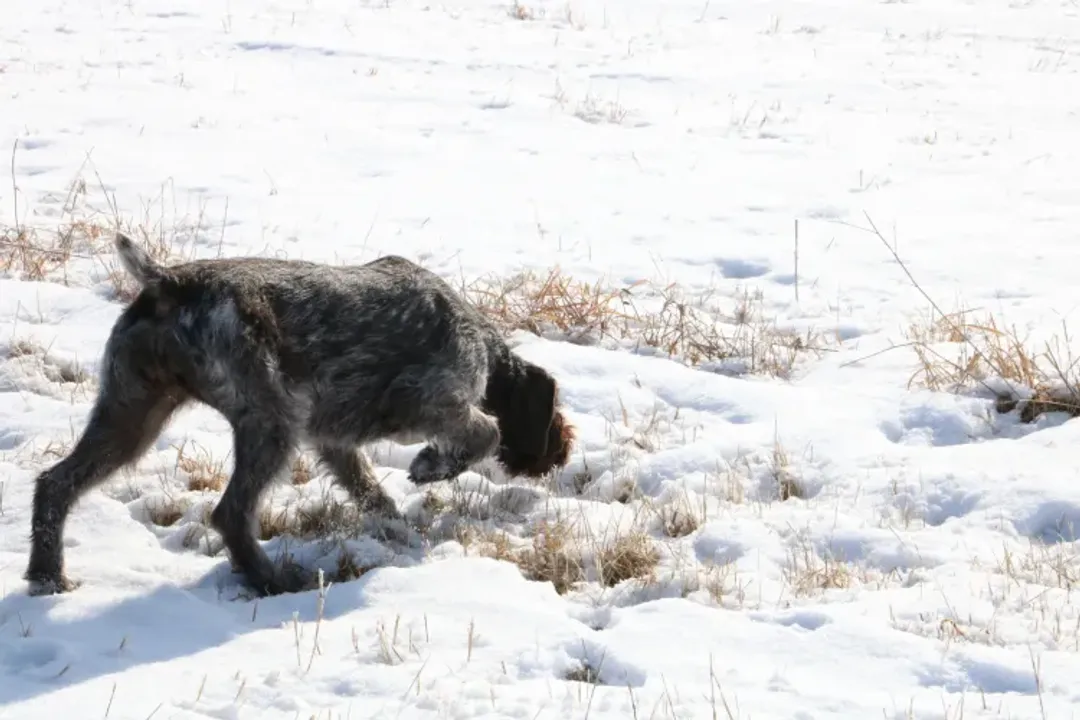
The German Wirehaired Pointer, often recognized instantly by its distinctive, harsh coat, represents one of the most singular achievements in late 19th-century German hunting dog development. This breed wasn't created by accident; it was meticulously engineered to solve a specific problem: the need for a singular, capable dog that could manage every aspect of the hunt across varied and often brutal terrain, from pointing upland birds to retrieving waterfowl in icy conditions. [4][5][8] Unlike some breeds refined over centuries for a single specialization, the GWP’s genesis was intensely focused on versatility—a desire for a true "all-purpose" gun dog that could work tirelessly from the fall grouse flush to the winter duck blind. [4][8] The resulting dog needed intelligence, incredible stamina, an unwavering desire to please its handler, and, critically, a coat tough enough to shrug off briars and cold water alike. [4][5]
# A Need Realized
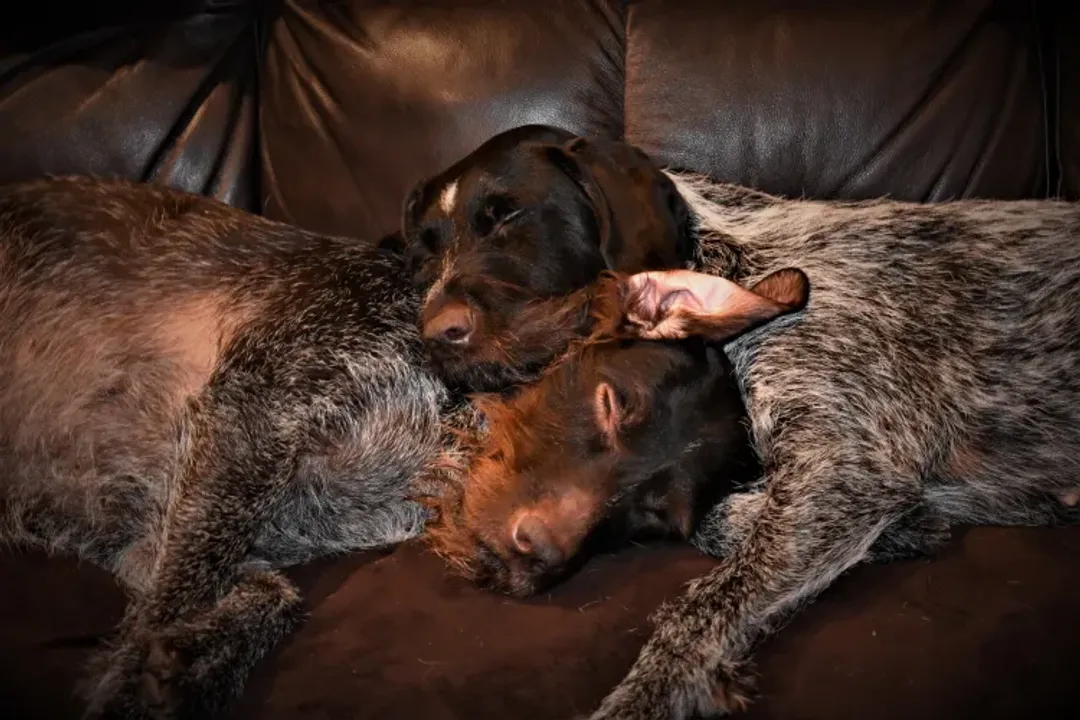
The foundation of the German Wirehaired Pointer traces back to Germany during the latter half of the 1800s. [1] Hunters of that era required a dog that possessed the pointing instincts of a continental pointer but with the ruggedness and retrieving tenacity of a water dog. [4] Previous German breeds, while capable, often fell short when faced with the combination of dense, thorny cover and the necessity of consistent, cold-water retrieval. [4] The goal was explicitly to create a single breed that could handle all game, whether feathered or furred, over land and water, making the dog an economical and highly effective partner in the field. [4][8] This intent differs notably from the simultaneous refinement of breeds like the German Shorthaired Pointer, which, while versatile, often lacked the dense, protective outer coat deemed essential for the GWP's prescribed harsh duties. [4]
# Foundation Stock
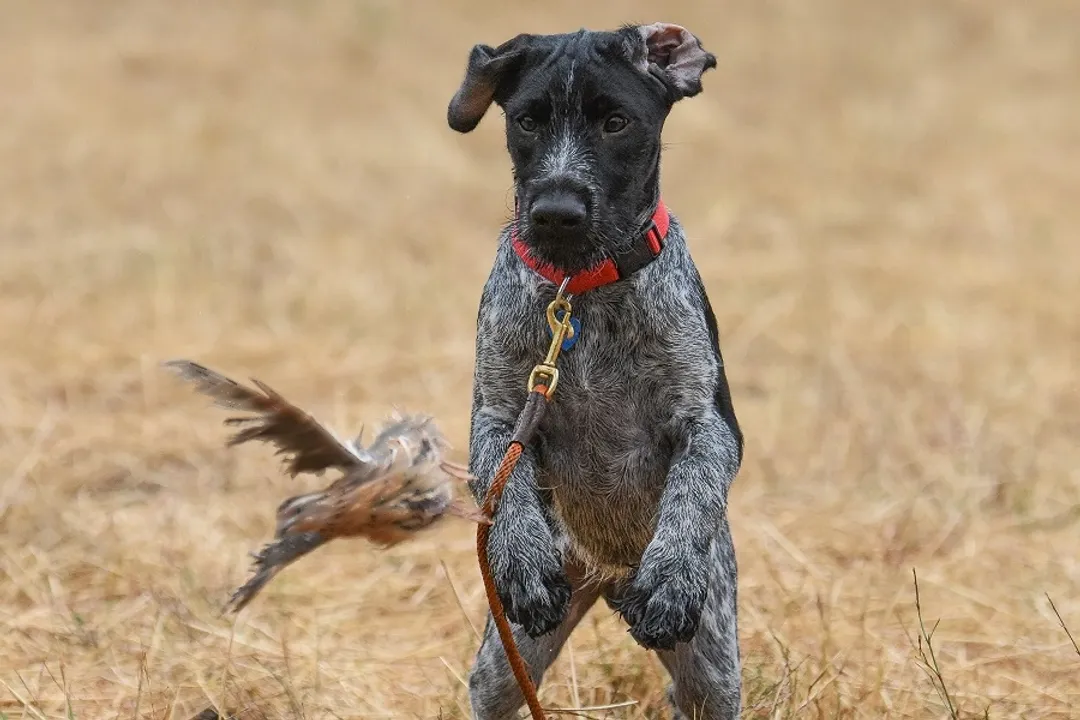
Pinpointing the exact lineage of every early GWP is difficult, as the early records were less centralized than modern kennel club documentation, but the breed's development drew upon several established German pointing lines. [1] The consensus points toward crosses involving existing German pointing dogs, most notably the German Shorthaired Pointer, and breeds already possessing the desired harsh coat texture. [4] Some experts trace a heavy influence from the Deutsch Drahthaar—which in many international contexts is considered synonymous with the GWP. [7][1] The Deutsch Drahthaar name literally translates to "German Wirehair," emphasizing that the texture was a primary, non-negotiable target for breeders. [8]
Breeders intentionally introduced genes from dogs that already exhibited the coarse, dense coat required for survival in thickets and icy rivers. [4] This selective process was not about breeding for beauty or a single athletic trait; it was about functionality above all else. [4] The process was iterative: breed for pointing ability, then introduce coat genetics, then test that new combination in the field, and repeat until the required suite of characteristics stabilized. [8] It is an example of intense, function-driven artificial selection over a relatively short period.

# The Coat Mandate
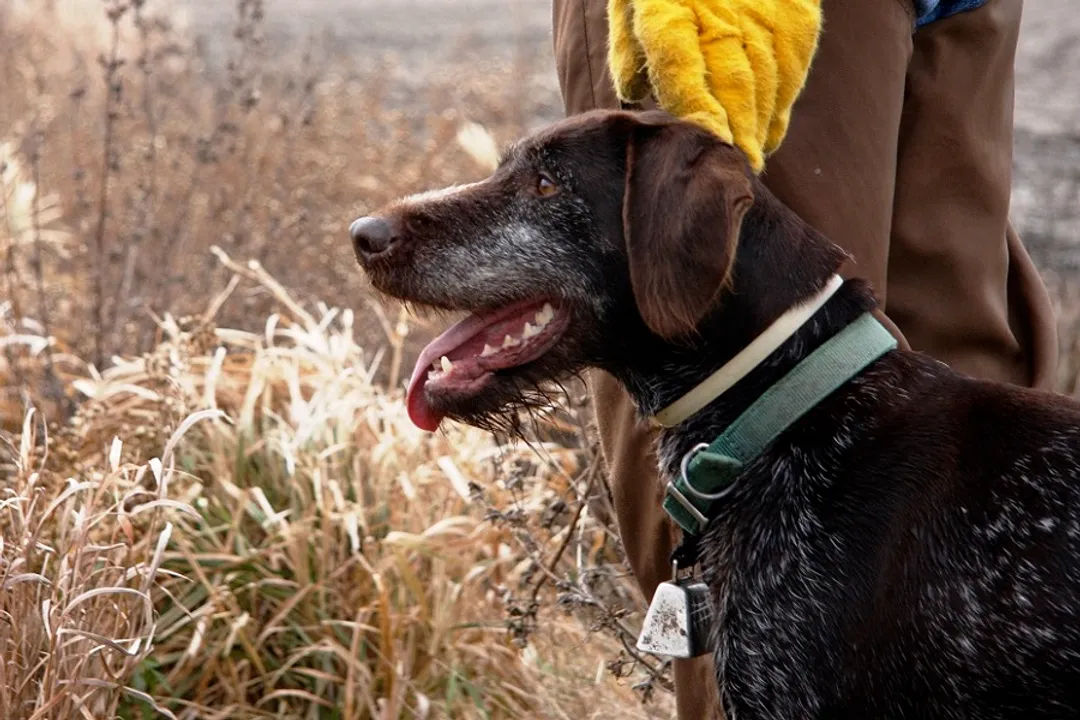
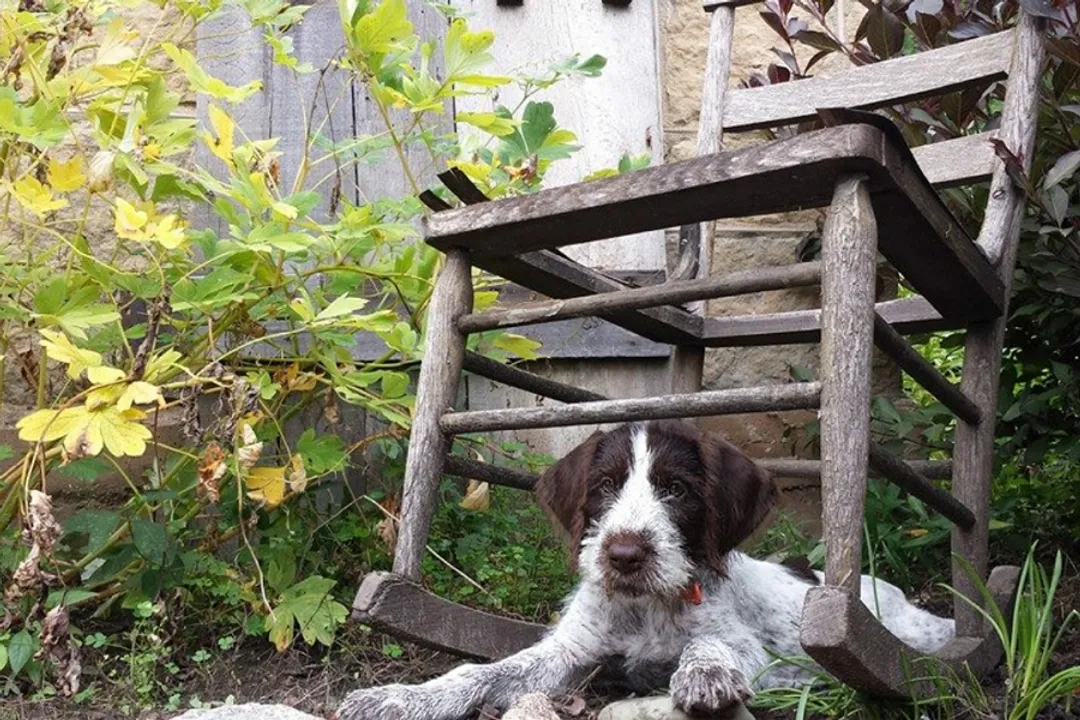
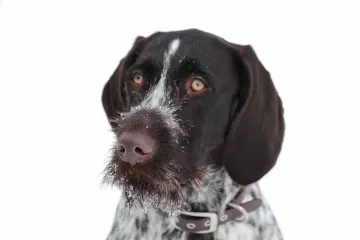
The most visually striking and functionally critical component of the GWP breeding program was the development and standardization of the wire coat. [4] This coat is not merely a protective layer; it is a characteristic that defines the breed's working identity. [5] The ideal coat is harsh, dense, and lies flat against the body, providing excellent water resistance. Crucially, it also features a soft, dense undercoat that insulates the dog against cold weather and water. [4][5]
When breeders were selecting the foundation stock, they were likely looking for dogs that displayed the "harsh" gene, often found in breeds like the German Rough Haired Pointer or perhaps even terrier stock, to infuse this necessary protection into the faster, more agile pointer framework. [4] The deliberate selection for this harsh texture meant that softer-coated offspring from these early pairings would have been systematically removed from the breeding pool if they did not meet the exacting standards for harshness and weather resistance. [4] In a way, the breeders were selecting for a functional "armor," prioritizing survival and comfort in the hunt over aesthetic uniformity, which is reflected in the breed's overall look. [5]
# Building the Modern Type
The process of creating the GWP was not just about mixing coats and instincts; it was about balancing them. [4] A dog that is too heavily weighted toward coat density might become sluggish or lose scenting ability. A dog that is too focused on speed might lack the necessary tenacity to push through heavy cover or stay in frigid water long enough to retrieve a downed bird. [4] The breeders, therefore, had to maintain rigorous field testing throughout the development phase to ensure that the pursuit of the wire coat did not inadvertently dilute the dog's primary purpose: superior pointing and retrieving skills. [8]
The standardization of the breed, eventually leading to recognition by organizations like the American Kennel Club (AKC) and the United Kennel Clubs (UKC), solidified these breeding goals. [2][7] While the UKC often recognizes the breed as the Deutsch Drahthaar, the American Kennel Club recognizes the German Wirehaired Pointer, confirming the dedicated development path taken to produce this specialized hunter. [2][7]
If we look at the selection pressures of the early developers compared to the pressures placed on the breed today, a key difference emerges. Early breeders were testing dogs in the field for absolute utility across all game types in often severe weather, meaning a single day's trial might involve tracking a wounded deer, pointing pheasants, and then retrieving a duck from an ice-fringed lake. [4] Modern kennel club validation often separates these tasks into specific classes or trials (e.g., conformation, obedience, field performance on specific quarry). This historical emphasis on the trinity of land pointing, water retrieving, and tracking sets a high, almost unrelenting standard for the breed's genetic makeup, a standard that often requires continued selection for extreme athleticism alongside the coat. [4]
Editor's Note on Early Selection: It is fascinating to consider that the early German breeders effectively built a versatile platform and then deliberately added a weather-proof layer on top, much like an engineer adds a specialized chassis to a standardized engine block. The goal wasn't just a good dog; it was a dog that could eliminate the need for a handler to bring separate breeds for different tasks, a practical consideration for a serious hunter in the late 1800s. [4]
# Temperament Requirements
Functionality extended deeply into the dog's mental makeup. The breeding was aimed at producing dogs that were intelligent, trainable, and fiercely devoted to their handlers. [4] A dog bred for solo work in remote areas needed an inherent desire to cooperate and a biddable nature, preventing the need for heavy-handed correction. [4] The wire coat protects the body, but the temperament protects the partnership. A pointer that hunts too independently or refuses direction after a long, cold swim is useless, regardless of its coat quality. Therefore, breeders continuously culled dogs that showed gameness but lacked cooperation, ensuring the resulting lines were sharp workers but reliable companions. [4][8] This careful cultivation of a trainable, keen disposition is perhaps the less visible, but equally intentional, outcome of the breed's development. [4]
The resulting dog carries a high drive, which translates into high energy and the need for significant mental stimulation today, even when not actively hunting. [5] This characteristic is a direct inheritance from a lineage bred to work all day, every day, across vast tracts of land and water. [4] Understanding this historical workload is key to managing the breed successfully as a modern companion animal. [5]
# Modern Lineage Consistency
The success of the German Wirehaired Pointer lies in the consistency achieved by dedicated breeders who maintained the original mandate even as the breed gained popularity in companion circles. [4] Responsible breeding programs continue to test their dogs in demanding field environments to ensure the utility and inherent traits—the coat, the drive, and the intelligence—are passed down generation after generation. [4][8]
If a breeder focuses only on the appearance—the classic "scruffy" look—without testing the dog's ability to naturally point, mark game, or enthusiastically enter cold water, they risk diluting the very traits the original founders strove to cement. [4] This highlights a common challenge in breeds developed strictly for function: maintaining performance standards once aesthetic appeal or casual companionship enters the equation. The preservation of the GWP is testament to the dedication of those who kept the functional requirements at the forefront of their breeding decisions, ensuring the wirehair remains a true hunter first and foremost. [8] The lineage is therefore one of continuous, practical refinement rather than a single, dramatic cross. [1]
Insight on Modern Application: One interesting consequence of this intense functional breeding is the GWP’s remarkable adaptability to cross-training, such as agility or nose work, provided the handler channels their inherent drive appropriately. Because the initial breeding targeted a dog that could switch from tracking scent on the ground to flushing airborne birds, the brain is already wired for pattern switching and task focus, which transfers surprisingly well to structured dog sports, offering an outlet that satisfies the historical demand for comprehensive capability. [4]
The German Wirehaired Pointer stands as a prime example of a breed developed with crystal-clear objectives: durability, versatility, and unwavering utility. Its creation was a concentrated effort spanning just a few decades to synthesize the best attributes of German pointing and retrieving dogs into one weatherproof, highly capable package designed to satisfy every demanding role a hunter might require of their canine partner. [4][8]
Related Questions
#Citations
German Wirehaired Pointer - Wikipedia
German Wirehaired Pointer - Dog Breeds - American Kennel Club
The German Wirehaired Pointer: A Bird Dog That Does It All
Breed Information - German Wirehaired Pointer Club of America
[Discussion] Weekend - Breed: German Wirehaired Pointer : r/dogs
German wirehaired pointer breed history - Facebook
German Wirehaired Pointer | Breed Guide - Scrumbles
Breed Standards : German Wirehaired Pointer - UKC
The Deutsch Drahthaar/German Wirehaired Pointer - Dog Willing