What characterized the tail of the Pembroke Welsh Corgi historically, as mentioned in the physical distinctions table?
Answer
Historically docked or naturally bobbed
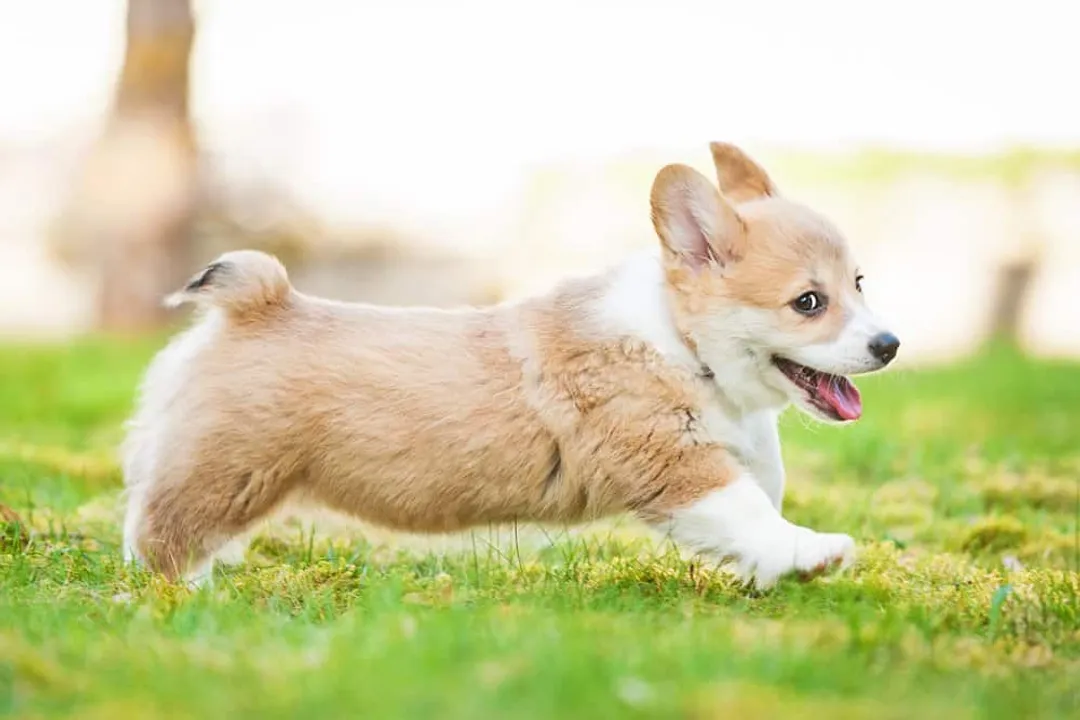
The tail presentation is a key marker distinguishing the two breeds. For the Pembroke Welsh Corgi, the historical standard involved a tail that was either naturally short (bobbed) or was subjected to docking procedures. This feature stands in direct contrast to the Cardigan Welsh Corgi, which retains a long, full, fox-like tail. It is noted that historical Pembrokes were not universally naturally bobtailed, suggesting early standardization efforts involved artificial alteration to emphasize this differentiating trait, thereby helping kennel societies formally separate the two established lineages.
Related Questions
What does the Welsh word *corgi* translate to, describing the dog's distinctive shape?Which ancient group is the Cardigan Welsh Corgi's pedigree potentially traced back to arriving in Wales around 1200 B.C.?What distinct herding technique, involving close contact, defines the function for which both Corgis were originally bred?What is the most obvious, defining physical characteristic used today to differentiate between the Cardigan Welsh Corgi and the Pembroke Welsh Corgi?How did the selective pressure shaping the Corgi's build differ from that applied to breeds like the Border Collie regarding livestock management?Which historical group is credited with bringing the ancestors of the Pembroke Welsh Corgi to Pembrokeshire around the 10th century?According to the physical distinctions table, what is the ear shape description for the Cardigan Welsh Corgi?In which year did The Kennel Club in the UK first formally recognize the Cardigan and Pembroke as two separate breeds?What characterized the tail of the Pembroke Welsh Corgi historically, as mentioned in the physical distinctions table?What designation were the two Corgi varieties often registered under before the formal split in recognition occurred?