Welsh Corgi Locations
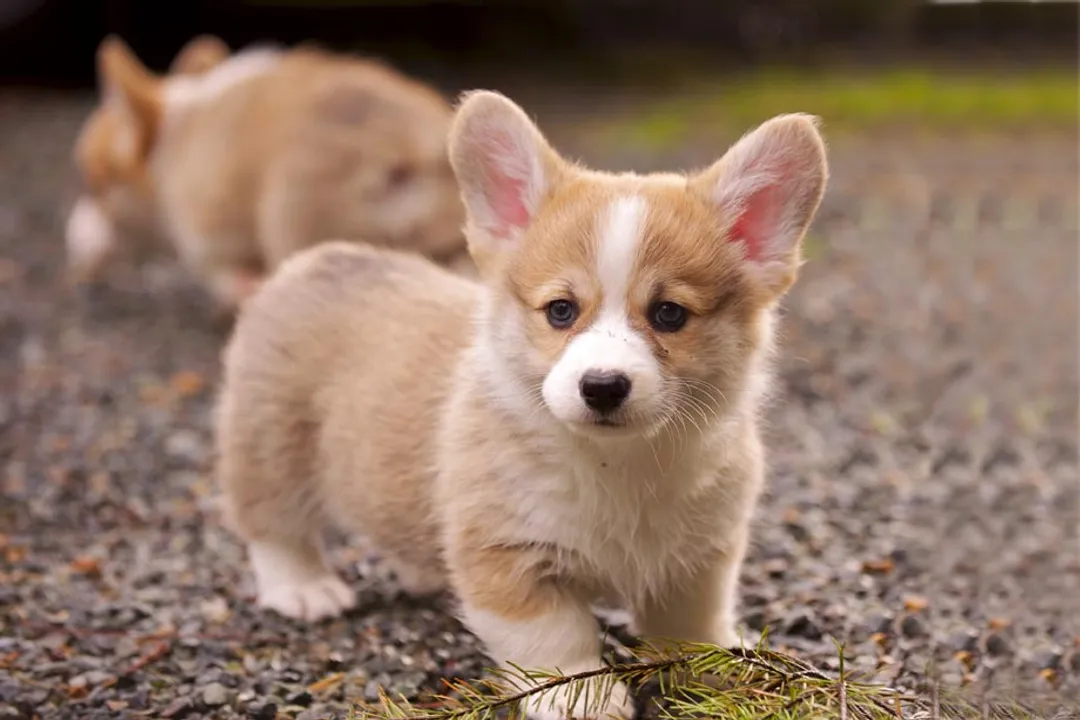
The quest for a Welsh Corgi, whether the sturdy Pembroke or the long-tailed Cardigan, often begins with geography. Locating a reputable breeder or rescue group requires knowing where to look, as the process differs significantly depending on whether you prioritize national standards or local convenience. [4][10] The sheer enthusiasm for these intelligent, low-set dogs has led to a scattered landscape of resources, ranging from highly vetted club directories to general puppy marketplaces. [3]
# Breed Specificity
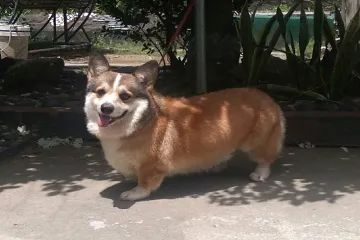
Before diving into locations, it is crucial to distinguish between the two recognized breeds, as the supporting organizations and search parameters will change based on your preference. The Pembroke Welsh Corgi is perhaps the more commonly seen of the two, often associated with British royalty. [3] However, the Cardigan Welsh Corgi, the older of the two breeds, possesses distinct physical characteristics, most notably its long, fox-like tail, which Pembrokes lack. [10] National breed clubs cater specifically to each type, ensuring that the standards you expect for health testing and temperament align with the correct lineage search. [4][10]
# Club Directories
The most authoritative starting points for finding a Corgi puppy involve consulting the official breed clubs. These organizations exist to maintain the health and integrity of the breed, and their breeder directories are generally considered the gold standard for ethical sourcing. [4]
For those interested in the Pembroke, the Pembroke Welsh Corgi Club of America (PWCCA) maintains a breeder search function. [4] Utilizing a national registry like the PWCCA helps ensure that breeders are adhering to established health screening protocols, often including evaluations for hip, elbow, and eye conditions common to the breed. [4]
Similarly, enthusiasts seeking a Cardigan Welsh Corgi should turn to the Cardigan Welsh Corgi Club of America (CWCCA). [10] Their resources offer access to breeders dedicated to the Cardigan standard. While both clubs serve a similar function, the specific health testing requirements or recommended practices might vary slightly between the two parent organizations, making it essential to check the specific club's guidelines. [4][10]
# Localized Clubs
Beyond the national umbrella, strong regional clubs often provide focused support and listings for breeders operating within a specific geographic radius. For instance, the Pembroke Welsh Corgi Club of Southern California (PWCSC) serves as a vital hub for enthusiasts in that area. [2][6] These local chapters frequently host specialty shows and events, offering prospective owners an excellent opportunity to meet breeders, interact with several adult dogs, and ask detailed questions about the breed temperament and early puppy care in person. [2] Finding a breeder associated with a respected local club, such as the PWCSC or perhaps a group like Golden Gate Corgis, [8] often means the breeder is highly engaged with the local Corgi community and its standards of practice. [2][8]
# Commercial Platforms
While official clubs offer strict vetting, other digital platforms aggregate breeders based on location and availability. These can be useful for comparison or if local club resources have no available litters, but they require a more discerning eye from the potential owner. [3][9]
The American Kennel Club (AKC) Marketplace allows users to search specifically for Pembroke Welsh Corgi puppies based on location. [3] Listings here indicate that the breeder is registered with the AKC, but the level of health testing or adherence to detailed ethical breeding practices can vary widely compared to breeders listed only through the breed-specific clubs. [3] It is always wise to cross-reference any breeder found on the AKC Marketplace with the PWCCA directory, if applicable. [4][3]
Another popular avenue is Good Dog, which hosts listings for breeders like Caldwells Corgis of Southern California. [9] Platforms like Good Dog often incorporate their own questionnaires or standards that breeders must meet, which may include providing proof of certain health testing or committing to lifetime support for their puppies. [9] When comparing a breeder found on a platform like Good Dog versus one found via the PWCCA, an experienced buyer should look closely at which set of standards the breeder prioritizes and can demonstrate adherence to.
# Breeder Deep Dive
Many specific breeding operations serve as key locations for acquiring Corgis, often appearing on multiple directories or having their own dedicated web presence. Breeders such as Circle Heart Corgis, [1] Poso Creek Corgis, [5] and Emerald Corgis [7] represent individual operations that prospective owners may encounter when researching specific regions.
When evaluating these individual locations, it’s less about where they are listed and more about what they provide. An owner using a local search might find these smaller operations, but the diligence required remains the same. They should be prepared to ask direct questions about the genetic testing performed on the parent dogs.
If you are comparing a breeder from a national club directory against one listed solely on a general puppy site, consider this analytical point: A breeder who actively lists on the PWCCA site and maintains their own professional website (like Circle Heart or Poso Creek) often invests more in breed education and public transparency than one who relies solely on a third-party marketplace listing. [1][5] This dual presence suggests a commitment to multiple avenues of credibility.

# Geographic Clustering and Proximity
The available URLs strongly suggest that regions like Southern California host significant Corgi breeding communities, evidenced by multiple dedicated clubs and breeders operating in that vicinity, such as those listed with the PWCSC [2] or Caldwells Corgis. [9] This geographic clustering is not accidental; areas with higher Corgi populations naturally support more breeders and breed clubs. [2][6]
Here is a practical consideration for new owners regarding location: always factor in travel time versus the ability to establish a relationship before pickup. While finding a breeder just an hour away is convenient for multiple pre-pickup visits, sometimes the best ethical breeder might be several states over. If a long-distance placement is necessary, ensure the breeder has documented experience with safe ground transport or air travel for puppies, and clarify who covers the associated costs and liability. For example, if you find an exceptional breeder via the national Cardigan club [10] who is 800 miles away, the cost of safe transport should be weighed against the assurance of receiving a puppy from parents fully screened according to CWCCA guidelines, which might be preferable to a locally sourced puppy from a less reputable, but more convenient, source. [10][4]
# Vetting Checklist
Regardless of the location you find—whether it's a specific breeder's farm or a club contact—the evaluation process should be standardized. When you find a promising location, treat the initial contact as an information-gathering mission focused on verifiable history and health, not just puppy availability.
A good checklist to apply to any Corgi location or breeder includes:
- Health Clearances: Can they provide proof (often via the Orthopedic Foundation for Animals or equivalent registries) that the parents have been screened for hips, elbows, and eyes? Club breeders are often rigorous about this. [4]
- Registration: Are the puppies eligible for registration with the AKC (for Pembrokes) or the CWCCA/PWCCA?[3][10]
- Visits and Socialization: Do they welcome visits to see the puppies interacting with their mother and environment? Early socialization is key to a well-adjusted Corgi. [2]
- Lifetime Support: Do they offer a contract requiring you to return the dog to them if you can no longer care for it, demonstrating a commitment beyond the sale date? Many reputable breeders, even small operations like Emerald Corgis, [7] include this stipulation.
- Litter Tracking: Are they transparent about how many litters they breed per year? Over-breeding is a significant red flag, regardless of the breeder's location. [7]
When comparing resources, such as the PWCSC club directory [2] against a single breeder's site, [5] look for consistency. If the breeder claims adherence to club standards, their stated health testing protocols on their website should align perfectly with the expectations set by the regional or national organization. Any discrepancy warrants deeper questioning.

# Finding Rescues and Rehoming
While the focus often leans toward finding new puppies, an equally important location-based search involves breed-specific rescues. Organizations dedicated to Corgi rescue operate across various states and often pull dogs from shelters or take owner surrenders. [2] Though the provided links focus on breeders, it is an important alternative location.
If seeking a rescue Corgi, the location becomes paramount for integration. Rescues often require local adopters because the initial fostering period is crucial for assessing the dog's true temperament and needs outside of a breeding environment. [2] A Corgi adopted through a rescue organization, even if the initial application was processed online, will almost always require local follow-up and home visits to ensure a successful placement. [6]
# Making the Final Selection
Choosing the right location for your Corgi means balancing accessibility with assurance. A breeder's location influences how easily you can monitor their operation leading up to pickup, which is vital for observing early puppy behavior and parent interaction. [9] Furthermore, local breeders often become your immediate, go-to resource for questions about local veterinary specialists or dog trainers familiar with the Corgi temperament—a nuanced benefit specific to proximity. [8]
Ultimately, whether you utilize the PWCCA finder for a national search, [4] look up a local specialist through the PWCSC, [2] or browse a platform like the AKC Marketplace, [3] the destination is the same: finding a healthy, well-socialized companion. The path taken to that location dictates the level of accountability and background verification you can expect from the breeder or rescue organization. A careful approach, cross-referencing club memberships with independent breeder websites, provides the best foundation for a successful Corgi ownership experience. [1][4][10]
Related Questions
#Citations
Circle Heart Corgis
PWCCSC
Pembroke Welsh Corgi Puppies For Sale - AKC Marketplace
Search For A Breeder - Pembroke Welsh Corgi Club of America
Poso Creek Corgis
Pembroke Welsh Corgi Club of Southern California (@PWCCSC)
Emerald Corgis | Pembroke Corgis California
Golden Gate Pembroke Welsh Corgi Fanciers
Caldwell's Corgis of Southern California - Good Dog
The Cardigan Welsh Corgi Club of America