What did Siberian cats evolve from?
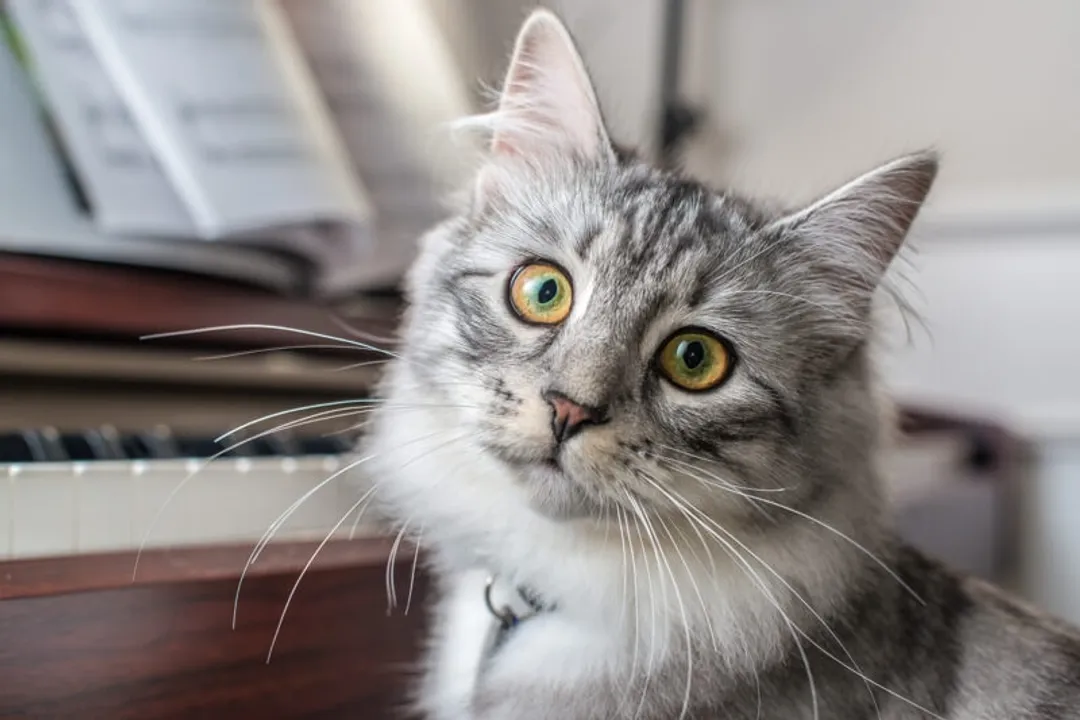
The Siberian cat is a creature forged by nature, one whose very existence is a testament to survival in one of the planet’s most unforgiving climates. Unlike many modern pedigrees whose lineage can be traced back to specific human pairings, the Siberian is considered an ancient, naturally occurring breed, known also as the Siberian Forest Cat or the Moscow Semi-Longhair. To understand what this majestic feline evolved from is to look back at a thousand years of adaptation in the deep, cold forests of Russia.
# Natural Selection
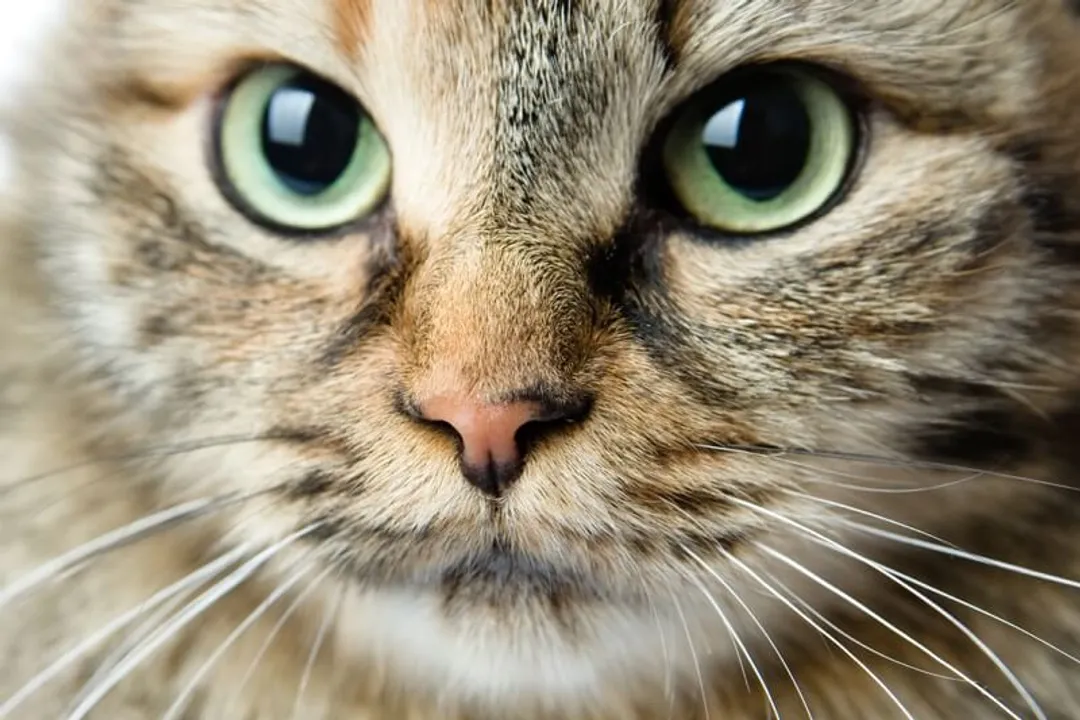
The evolution of the Siberian cat was not guided by the selective hand of an early breeder in a parlor room, but by the brutal realities of the Siberian Taiga. This environment, notorious for its long, brutal winters, demanded specific physical traits for survival, effectively acting as the primary selective pressure over centuries. The result is a cat so well-equipped for the cold that its ancestors were likely the backbone of Russia's domestic feline population for nearly a millennium before formal documentation began around .
This status as a landrace means the breed developed organically by adapting to its surroundings rather than being intentionally created through crossbreeding programs. This long, unmanaged period of natural selection suggests a high degree of genetic variability compared to more recently standardized breeds, which often contributes to a generally hardy constitution. While we do not have a fossil record detailing the exact transition from a feral population to one living alongside Russian humans, it is clear that the cats which thrived were those best suited to the climate and most useful to the local populace.
# Ancestral Origins
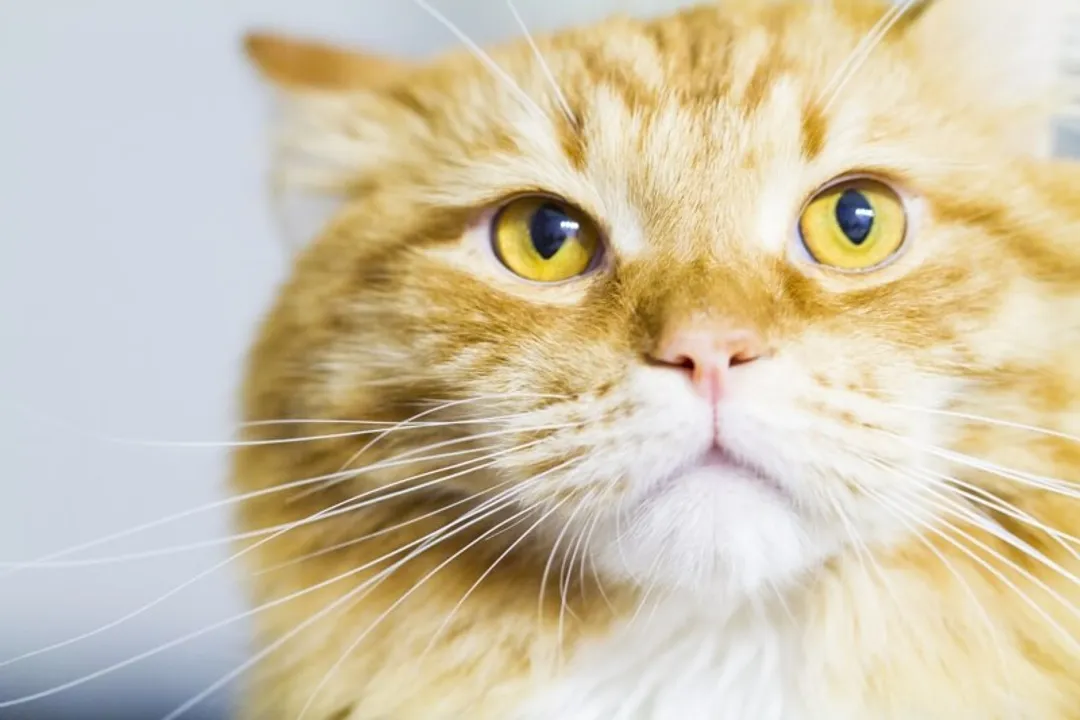
Pinpointing a single progenitor is impossible, given the breed’s age and natural development, but several intriguing speculations exist regarding the genetic contributions that shaped the Siberian we see today. One significant theory suggests the Siberian developed through the interbreeding of the existing domesticated cats present in the region with the local wildcat populations. Specifically, some researchers hypothesize that they outcrossed with one or more subspecies of the Felis Silvestris, or European wildcat, whose physical appearance is noted to be quite similar to the modern Siberian.
Further complicating the genetic story are historical trade routes. It is also speculated that the Bukharan cat, a breed moved along trade routes from Bukhara, Uzbekistan, may have contributed to the gene pool, adding another layer of influence to the Siberian's ancient background. This admixture of wild, local, and transient domestic lines explains the breed's powerful build and dense coat—traits favored by harsh conditions.
# Physical Manifestation
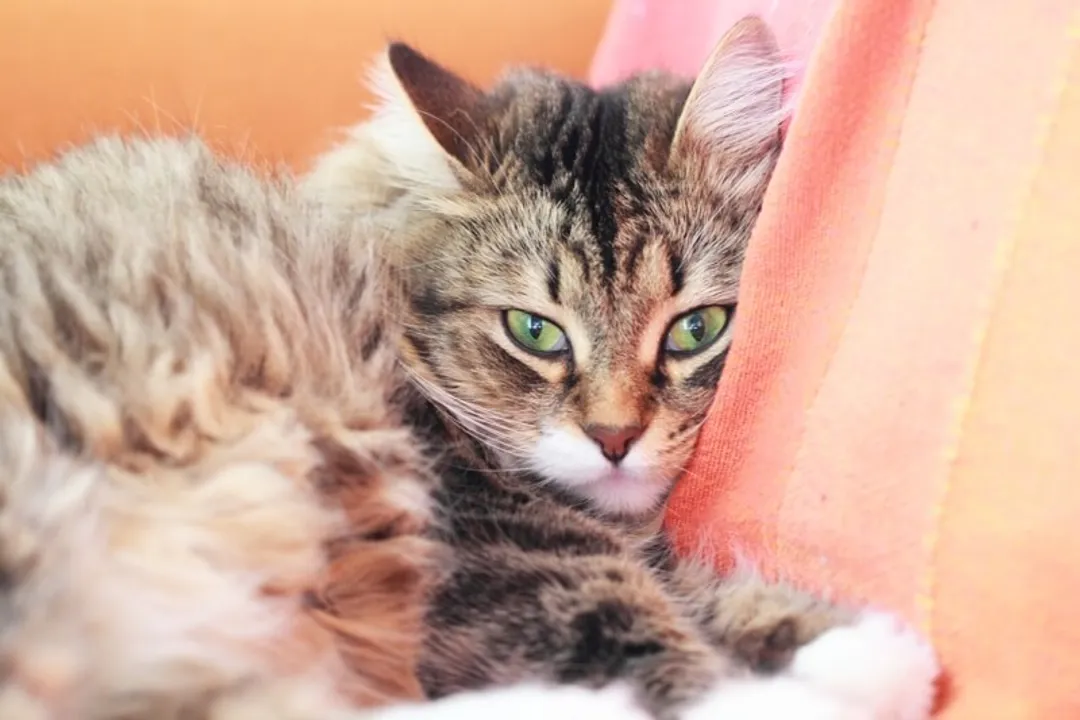
The most striking evidence of this rigorous evolution is the Siberian’s magnificent coat. It is not merely long hair; it is a specialized triple coat designed for extreme insulation. This protective layering consists of:
- Guard hairs: Coarse and straight, providing a water-repellent outer barrier.
- Awn hairs: Thin and wavy, helping to regulate temperature.
- Down undercoat: A wooly layer that provides the primary insulation against the intense cold.
This adaptation is so profound that their coats change dramatically with the seasons, becoming less dense and shorter in the summer months after a heavy spring shed to cope with warmer temperatures. Furthermore, their natural oils give the fur a waterproof quality, making them one of the few domestic breeds known to actively enjoy playing in water, a necessary trait for dealing with snow and sleet. Beyond the fur, their muscular build, strong hind legs giving a slight arch to their back, and large, tufted paws—ideal for walking on snow—are all evolutionary advantages honed over centuries in the wild.
# The Color Point Distinction
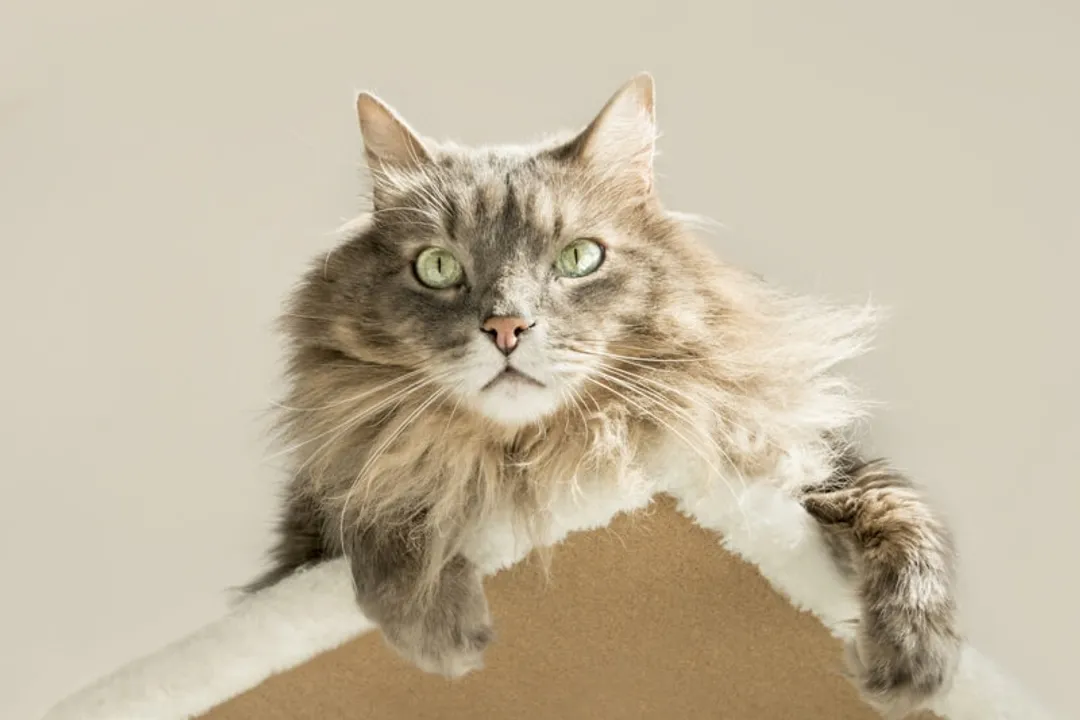
A fascinating area of discussion involves the Neva Masquerade, the color-pointed variety of the Siberian. While some registries consider the Neva Masquerade to be genetically the same cat as the traditional Siberian, others suggest a divergence in ancestral origins. Unlike the traditional Russian forest cat, the Neva Masquerade variety, which gained prominence in large Russian cities like St. Petersburg in the 1980s through intentional breeding for fancy colors, is thought by some to share common ancestry with Asian color-point cats, such as the Siamese. This intentional breeding for aesthetics in urban centers represents a pivot away from the purely natural selection that shaped their wilder cousins.
This distinction presents a unique challenge for breed preservationists. On one hand, maintaining genetic health requires accepting a broader gene pool that may include Neva Masquerade parentage. On the other hand, an over-reliance on outcrossing, whether with the Neva Masquerade or other breeds that may have historically mixed with Siberians, risks diluting the specific genetic markers selected by the harsh Russian environment over a thousand years. In a way, the Siberian’s history shows two evolutionary paths running parallel: the survival-driven development in the remote forest and the more recent, human-directed development of color variations in the city.
# From Forest to Fancy
For most of their history, Siberians served a practical purpose: they were the indispensable guardians of food stores, expertly controlling the rat and mouse populations on Russian farms, in shops, and within monasteries. This utility cemented their place alongside humans long before they were considered "pets" in the modern sense. Their status was cemented in Russian culture, appearing in folklore as characters like "Kotofey the Cat".
It was only later that their striking appearance caught the eye of the organized cat fancy world. They were mentioned in Harrison Weir’s -century book, Our Cats and All About Them, where they were referenced as the "Russian Long-haired Cat" and participated in early shows around $1871$. However, due to political barriers like the Cold War, they remained largely unknown outside Russia until the late $1980$s. When the first few Siberians were finally exported to the United States in $1990$—reportedly in exchange for other breeds—they began their journey toward official international recognition, which culminated with organizations like the CFA granting full championship status in the $2000$s.
The sheer longevity of the Siberian as a naturally developed breed offers a comparative advantage when considering common hereditary issues seen in younger breeds. While they are generally considered very healthy, careful breeders still screen for conditions like hypertrophic cardiomyopathy (HCM). However, the fact that they thrived without veterinary intervention for so long suggests that the traits responsible for robustness—like high genetic variation—were naturally selected for survival, a direct consequence of their wild evolution. Any potential owner should still inquire about genetic testing for HCM and Polycystic Kidney Disease (PKD), even within this hardy lineage. The transition from a wild, climate-adapted survivor to a beloved, pampered indoor companion is a swift one in historical terms, meaning responsible ownership must now center on providing mental stimulation to satisfy the intelligence that helped them outsmart prey for centuries.
Related Questions
#Citations
A Litter Summary of Siberian Cats | Cat Breeds Facts & Stats
Siberian Cat History, Health, Fun Facts | Pet Parenting - Trupanion
Siberian Cat History
Facts About Siberian Cats | ASPCA Pet Health Insurance
Stillwater Siberians - Siberian Forest Cattery in the Pacific Northwest
Everything you need to know about Siberian cats and kittens - Yarrah
9 Facts You Didn't Know About Siberian Cats | FELIWAY Cat Experts
What To Know About a Siberian Cat - WebMD