What did schnauzers evolve from?
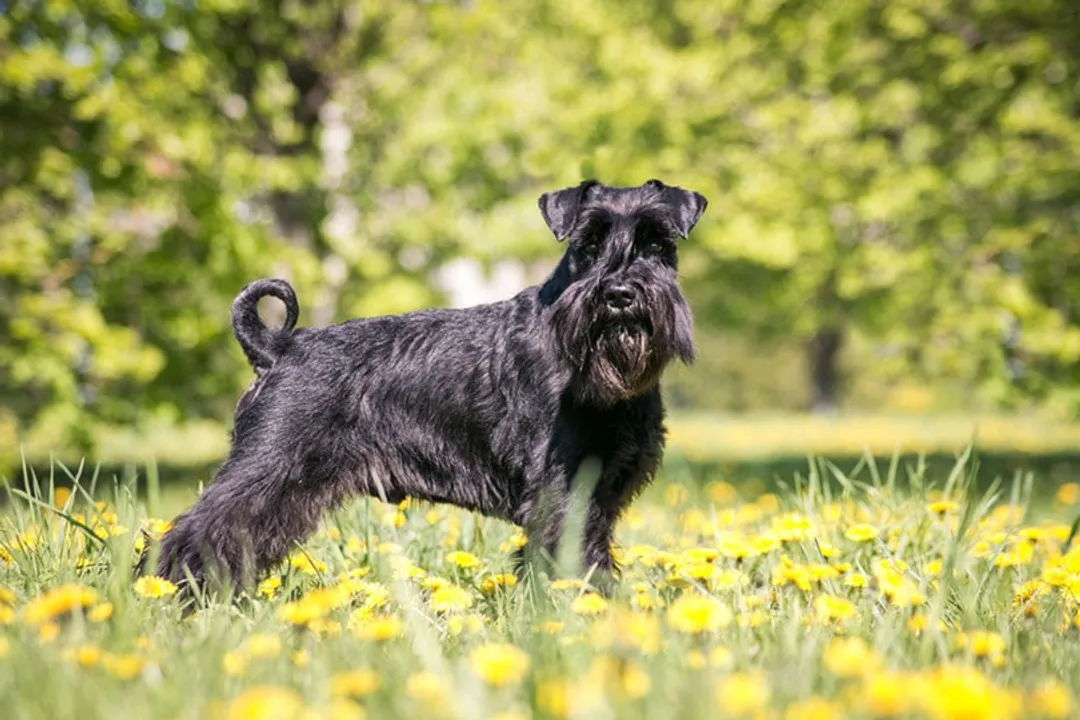
The Schnauzer is not the product of a single, neat line of descent, but rather a distinct type of German dog that gave rise to three recognized sizes, each specialized for different tasks, yet all sharing a common heritage rooted in the German countryside. [2][5] These dogs first appeared in written history and artistic depictions between the 14th and 16th centuries in Germany, establishing themselves as versatile, rugged farm hands. [7][1] Understanding what they evolved from requires looking at the foundational breed, the Standard Schnauzer, and tracing how specialized breeding created the smaller and larger variations from that template. [4]
# German Origins
The earliest ancestors of what we now call Schnauzers were simply farm dogs found throughout Germany. [2][7] These dogs needed to be multi-talented: capable of guarding property, driving livestock to market, and, perhaps most importantly, dispatching rats and other vermin infesting barns and stables. [9][4] They were known for their intelligence, tenacity, and weatherproof, wiry coats. [4]
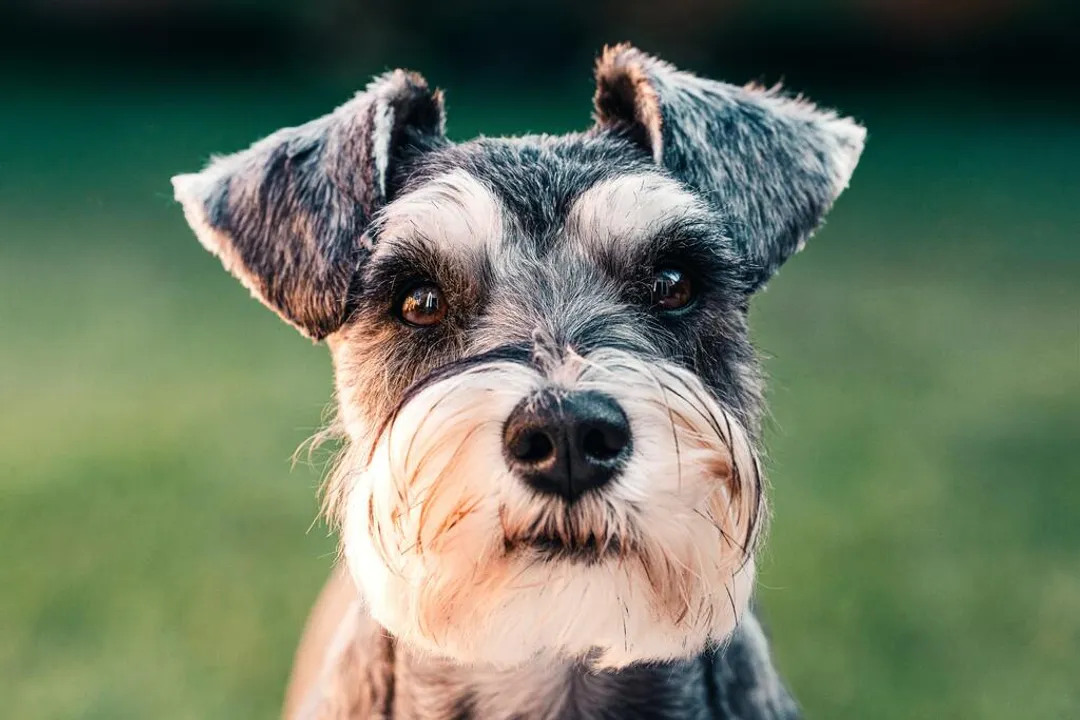
The name itself hints at their physical characteristics and working style. "Schnauzer" is derived from the German word for "snout" or "muzzle," directly referring to the breed's defining bearded facial furnishings. [4] This wire-haired terrier-type dog served as the all-purpose working companion for farmers and travelers alike in their native land. [1][8] Unlike some breeds developed for singular purposes, the original Schnauzers were valued for their adaptability across a range of agricultural and protective duties. [4]
# Standard Foundation
The Standard Schnauzer is considered the original and direct ancestor of the other two sizes. [4] Developed in central Germany, this medium-sized dog possessed the perfect combination of strength, speed, and nerve required for its demanding roles. [8] Before the formal recognition of the three sizes, the dog known today as the Standard Schnauzer was simply the Schnauzer. [5]
Their utility extended beyond the farmyard. Historically, Standard Schnauzers frequently accompanied horse-drawn carriages as coach dogs, running alongside or beneath the coach to guard against robbers and keep the horses calm. [4] This required a dog with stamina, sound judgment, and a natural alertness to strangers. [8] The breed club history points to the 19th century as a crucial time when breeders began to standardize the characteristics of this core type. [4] The characteristics we recognize today—the robust build, the intelligent expression dominated by heavy eyebrows, and that distinctive beard—were solidified during this period when these dogs were first being formally exhibited. [4]
# Miniature Development
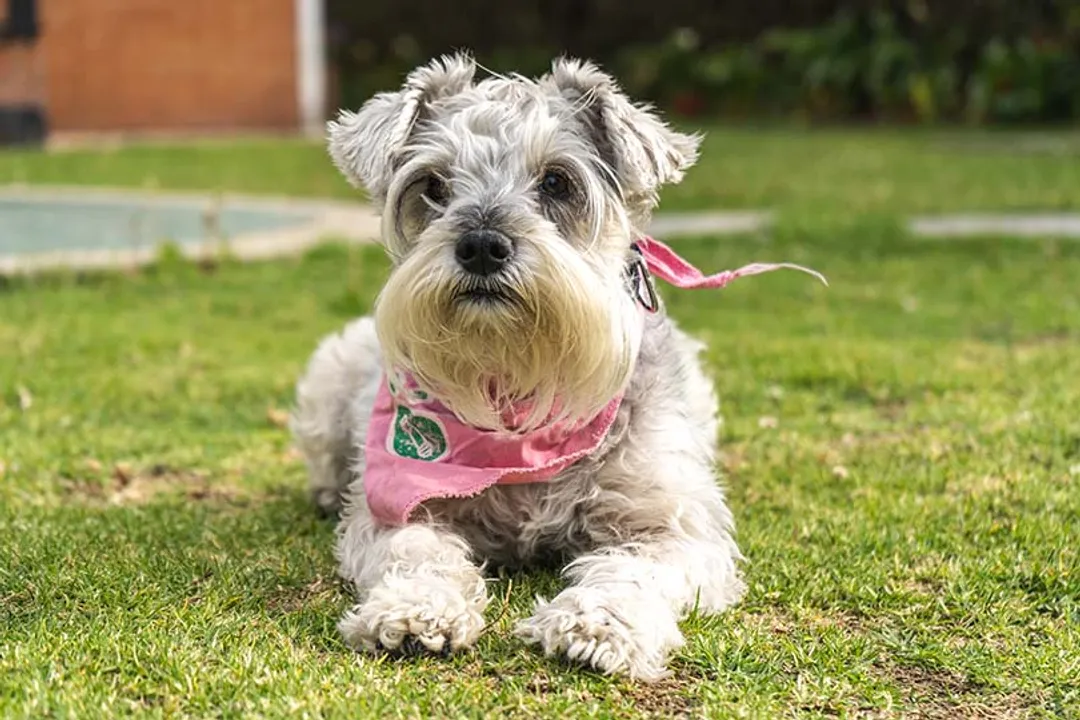
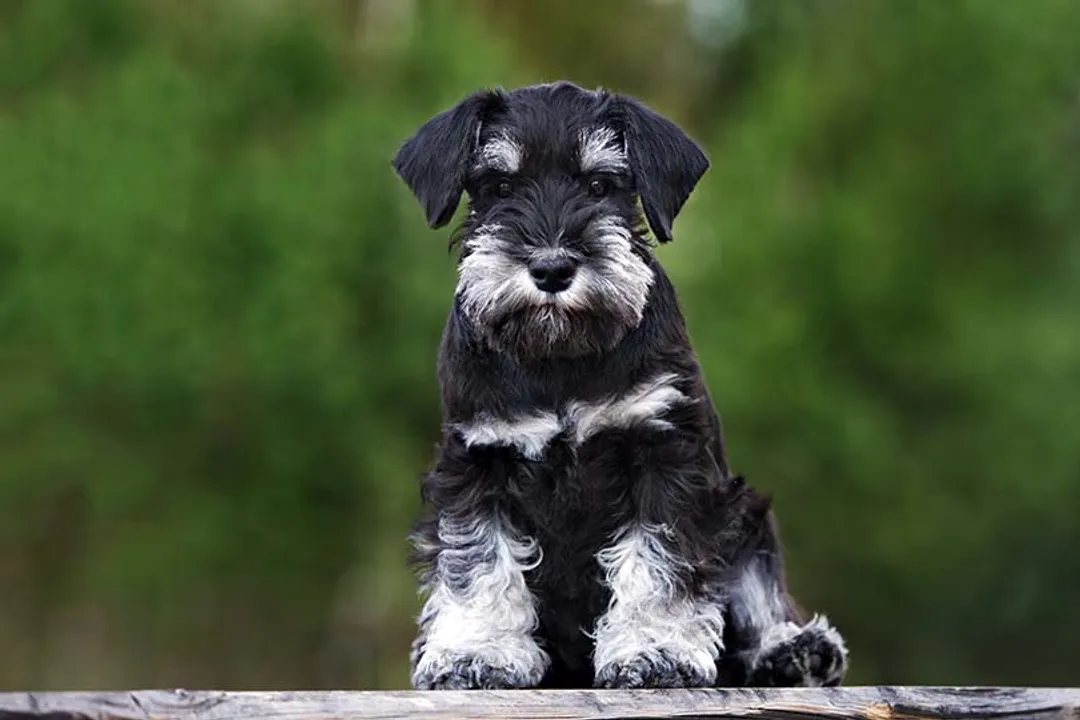
The Miniature Schnauzer emerged as a direct, deliberately miniaturized version of the Standard. [3] This shift in size was driven by a change in the primary work assignment. While the Standard excelled in open farm settings and travel, a smaller dog was preferred for keeping houses and smaller premises free of vermin. [3][9]
The development process involved carefully breeding the smaller Standard Schnauzers together. [3] While the exact genetic cross is sometimes debated, sources suggest that breeds like the Affenpinscher and the Poodle may have been introduced into the lineage to help achieve the desired smaller stature while retaining the terrier temperament and coat texture. [3][2] This cross-breeding wasn't about creating a fluffier pet; it was about engineering a more agile and compact ratter. [3] It is worth noting that the stiff, wiry coat and distinct facial furnishings (the beard and eyebrows) were not aesthetic choices in the early days; they were essential protective gear, guarding the dog’s sensitive facial skin while it worked underground or among barn vermin—a feature deliberately selected for in all three lines because of its utilitarian necessity. [9]
# Giant Diversification
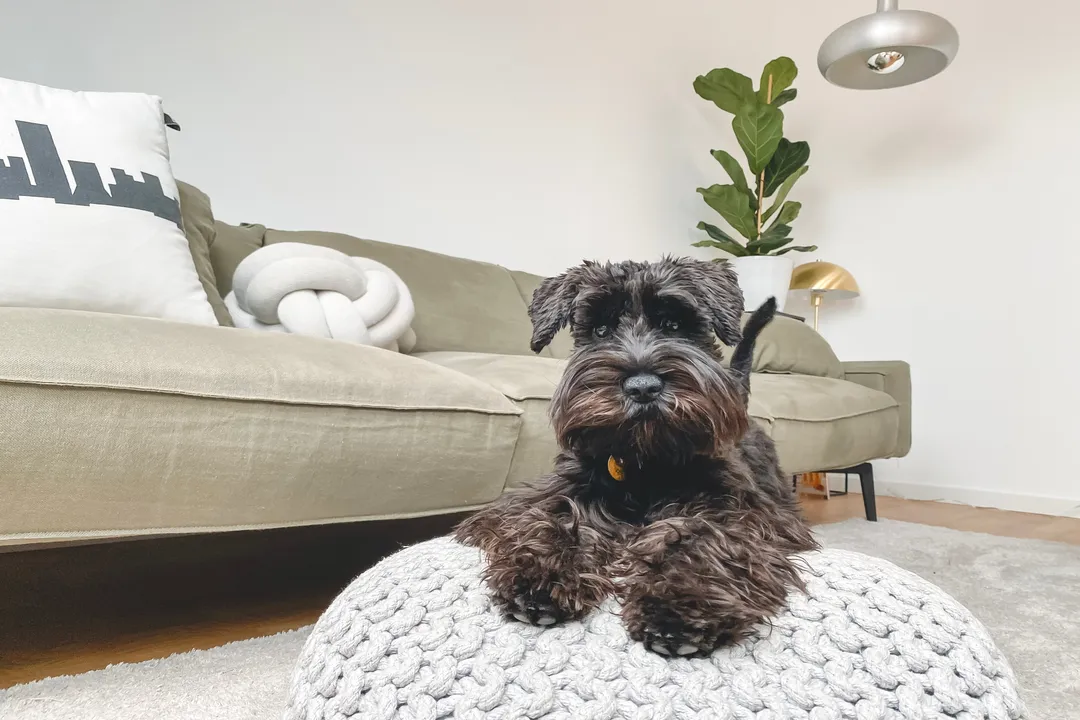
The Giant Schnauzer (Riesenschnauzer) represents the other extreme of the evolution, requiring an increase in size and power over the Standard. [2] This breed type is typically associated with the region around Munich. [2] Its creation involved introducing bloodlines from larger German working and droving dogs to the established Standard Schnauzer stock. [2]
While the Standard was often the coach dog, the Giant was bred to manage large cattle herds moving to market and to serve as a formidable estate guard. [2][8] To accomplish this, breeders needed a dog with greater mass and imposing presence than the Standard offered. [2] The Giant Schnauzer, therefore, didn't necessarily evolve from the Standard in a linear fashion of simply breeding bigger dogs; rather, it represents a selective divergence where the Standard provided the foundational temperament and coat type, which was then augmented with larger breeds known for driving and protection work. [2]
# Ancestral Comparison
It becomes clearer when comparing the three when you consider the timeline of their formal recognition, which often lags behind their practical development on the farm. [4][3] The Standard was the first to be established in the late 19th century, while the Miniature and Giant were recognized as distinct breeds later, showcasing a pattern of specialization branching out from the versatile Standard template rather than evolving sequentially from one size to the next in a neat line. [4][3]
Here is a simplified view of how the three main types relate to their common working ancestor:
| Breed | Primary Size Change | Key Early Role Supplementing Standard |
|---|---|---|
| Standard | Baseline | Coach dog and general farm guard [4][8] |
| Miniature | Downsizing | House and stable rat control [3] |
| Giant | Upsizing | Cattle driving and estate guarding [2] |
# Enduring Work Traits
Regardless of size, the defining characteristic inherited from their common German farm dog ancestor is their temperament and work drive. [9][4] Schnauzers are intelligent, spirited, and alert dogs. [4] The early Schnauzer was not bred for lap-sitting; it was bred for action. [9] Their wiry, harsh coat was low-maintenance in terms of grooming compared to smooth or long coats, as it resisted dirt and water well, making it perfect for dogs spending long hours outdoors in variable European weather. [1]
This inheritance means that even the smallest Miniature Schnauzer, bred primarily as a companion and house pet today, retains the alertness, protective nature, and inherent terrier instinct to hunt small prey that characterized its larger ancestors who guarded carriages and drove cattle across the continent. [3][5] While modern Schnauzers may never see a rat or a coach, their evolution guarantees they possess the intelligence and watchful nature required of those demanding predecessors. [4]
Related Questions
#Citations
LETS TALK SCHNAUZERS: THE SURPRISING HISTORY OF ...
Schnauzer - Wikipedia
Miniature Schnauzer History: From Fearless Barnyard Ratter ...
History of the Standard Schnauzer
Facts About the Three Schnauzer Dog Breeds & Their Care
Schnauzers - Genomia
What are the origins of the schnauzer breed? - Facebook
History of Standard Schnauzers in America - Showsight Magazine
What Were Schnauzers Bred For? History of This Breed - Dogster