Are Corgi lab mix good dogs?

The Corgidor, the charming intersection of the steadfast Labrador Retriever and the spirited Welsh Corgi, captures attention immediately. It is a hybrid dog that seems purpose-built for personality, blending the famous easygoing nature of the Lab with the quirky intelligence and loyalty of the Corgi into one often adorably stump-legged package. When considering whether this mix makes a good dog, the answer hinges entirely on understanding the fascinating—and sometimes unpredictable—genetic draw of its heritage.
# Appearance Size

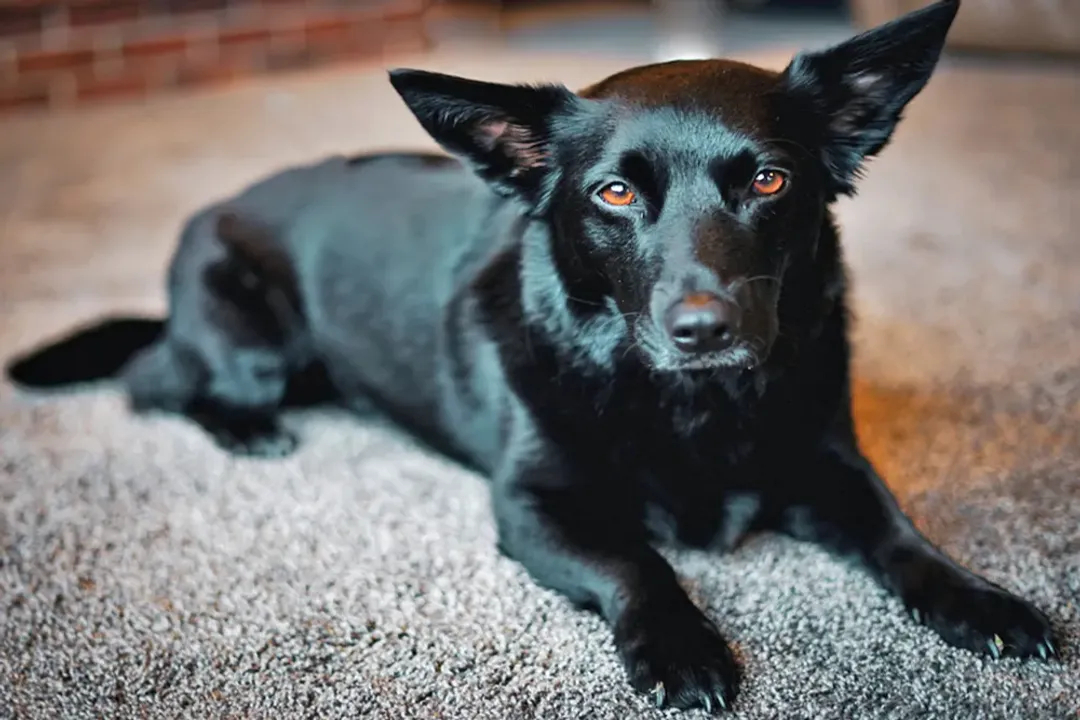
The first thing new owners usually notice is the visual conundrum of the Corgidor. Descriptions often settle on the idea that they look like a Labrador that simply forgot to grow its legs long enough. This mix inherits a sturdy, well-muscled build. However, because both the Pembroke and Cardigan Corgis can be involved in the lineage, and due to the natural genetic variation in mixed breeds, you might end up with a dog that leans heavily toward one parent or the other.
Size is perhaps the most variable trait. One Corgidor might be closer to 30 pounds, perfectly content in a smaller setting, while another, leaning more towards the Lab side, could easily hit 60 pounds or more. Their height typically falls between 12 to 18 inches, but this is an average, not a guarantee. Coat texture and color also span a wide spectrum, potentially resulting in short, medium, or long fur in black, brown, red, or fawn colors, sometimes with white markings on the chest.
When preparing for a Corgidor puppy, this inherent variability demands forethought in purchasing supplies. If you buy a massive orthopedic bed or a heavy-duty crate based on the potential Lab weight, you might find yourself with oversized equipment if your pup takes after the smaller Corgi parent more closely. A practical approach is to invest in items with adjustable features—like crates with movable dividers—or wait until the dog is at least six to eight months old before committing to large, specialty gear that might not fit their final frame. This allows their adult structure, particularly their surprising, short-legged height and often elongated body, to become apparent.
# Temperament Blend

The temperament of the Corgidor is a study in balanced extremes. You get the Labrador’s renowned ability to be the life of the party—friendly, outgoing, and eager to please—combined with the Corgi’s inherent alertness and protective nature. This results in a dog that is fiercely loyal and affectionate toward its family, often showing patience and love toward children of all ages. They thrive on being involved in every family activity.
Despite their agreeable nature, the Corgi side contributes intelligence that, when paired with the Corgi's occasional stubborn streak, means training requires consistency. They are smart and eager to learn, making them responsive to positive training methods, but a strong bond must be established early on. They generally warm up quickly to strangers, though they will definitely alert you with a bark if they feel their family is threatened—a classic watchdog quality inherited from the herding parent.
One area requiring proactive attention is the herding instinct. Corgis were bred to manage large livestock, a tendency that can manifest in mixes as a desire to "herd" anything that moves, including small children, other dogs, or even cats. While they inherit the Lab’s friendliness, this instinct doesn't disappear. A beneficial strategy for managing this impulse is the implementation of a focused "Redirection & Recall" drill. Whenever you notice your Corgidor zeroing in on a moving target—perhaps a child running past or a rolling ball—immediately call them to you using a high-value recall cue. When they break focus and come to you, reward that compliance with immense praise and a top-tier treat. This teaches the dog that engaging with you upon seeing a moving object is significantly more rewarding than attempting to chase or nip at the heels of the object itself.

# Activity Demands
Don’t let the low-rider stature fool you; the Corgidor is powered by the energy reserves of two very active parent breeds. Labs are known for their intensity and endurance, and this high energy level is something prospective owners must be prepared to meet daily. Wag! estimates that a Corgidor requires about 120 minutes of activity per day and might need walks totaling around 11 miles per week.
This isn't just about long walks, though. These intelligent dogs need mental stimulation to prevent boredom, which can quickly translate into destructive behaviors when they are left alone. Task-oriented play, such as a vigorous game of fetch or engaging with puzzle toys and nose work, is crucial. While they are adaptable and can manage in smaller spaces like apartments if their exercise needs are consistently met, a house with a secure yard is far more ideal for this hybrid. Also, be mindful of the summer heat; due to their dense coats, they are more prone to overheating than some other breeds, so shade and constant access to fresh water are non-negotiable in warmer climates.
# Health Watch List

A primary consideration when welcoming a Corgidor into your life is acknowledging the genetic lottery that comes with a mixed breed. Owners must be diligent about health screenings, as the mix can inherit specific orthopedic and systemic concerns from both parents.
Major health concerns often cited for the Corgidor include:
- Hip Dysplasia: A condition affecting the hip joint, a risk from both the Corgi and Labrador lines.
- Intervertebral Disc Disease (IVDD): This is a significant risk due to the Corgi's long back and short legs.
- Obesity: Both parent breeds have tendencies toward weight gain, making diet monitoring critical.
- Eye Conditions: Cataracts and Glaucoma are possibilities inherited from the parent stock.
While the average lifespan is generally estimated to be between 10 to 14 years, the dedication to preventative care heavily influences this range. It is wise to budget for the potential, as typical yearly vet costs for a Corgidor might range from \600 to \1,500, though unexpected events can always raise this. Regular physical exams, alongside specific eye examinations and radiographs when recommended, are essential parts of responsible ownership.

# Care Routine
Keeping a Corgidor looking as good as they feel involves managing their coat. Given the dense coats often inherited from both parents, expect them to be high shedders. To manage this, weekly brushing is a minimum requirement, though some owners find more frequent sessions—perhaps three to four times a week—are necessary to control the loose hair. Bathing them perhaps once or twice a month helps maintain coat health without stripping necessary oils.
Beyond the fur, routine maintenance includes keeping their strong nails clipped every two to three weeks if they aren't naturally worn down by outdoor activity, and checking their ears weekly for wax or debris to ward off potential infections. Dental hygiene is also important, requiring regular brushing to prevent tooth and gum disease.
# Final Assessment
Are Corgi Lab mixes good dogs? Based on their disposition, they exhibit the high potential to be phenomenal companions. They bring an intelligent, affectionate, and playfully eager-to-please attitude to the home, easily integrating with families and possessing the loyalty that makes a dog a true partner. They are adaptable, trainable, and generally friendly.
However, their "goodness" is directly proportional to the owner’s commitment to meeting their needs. A family looking for a quiet lap dog might struggle with the Corgidor’s high energy demands and potential for vocal alerting. Similarly, owners unable to dedicate time to consistent training and early socialization might find the inherited stubbornness or herding behaviors challenging. For the active, consistent owner who appreciates a dog that is both a protective shadow and a social enthusiast, the Corgidor offers a truly unique and rewarding blend of the best traits found in the Labrador and the Corgi, often resulting in a wonderfully devoted family member.
Related Questions
#Citations
Corgidor: Corgi Lab Mix Dog Breed Facts, Photos & Expert Tip (2024)
Corgi Mixes: Common Traits of Corgi Breeds - Adopt a Pet
Corgidor | Dog Breed Facts and Information - Wag! Dog Walking