What animal did cockroaches evolve from?
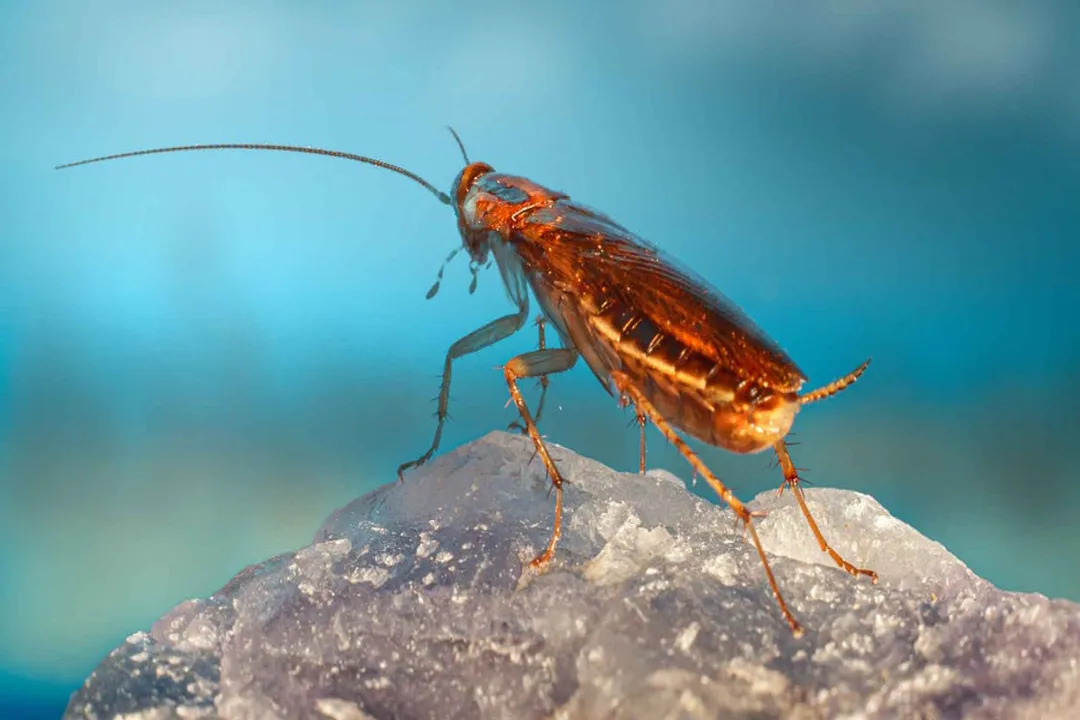
The question of what animal cockroaches evolved from doesn't yield a single, neat answer like tracing dogs back to wolves; rather, it points toward a very deep and ancient divergence within the insect world. Cockroaches, belonging to the order Blattodea, represent one of the most ancient groups of insects still thriving today. [1] Their lineage stretches back an astonishing distance in geological time, long before many other familiar insect groups became established. [6]
# Insect Lineage
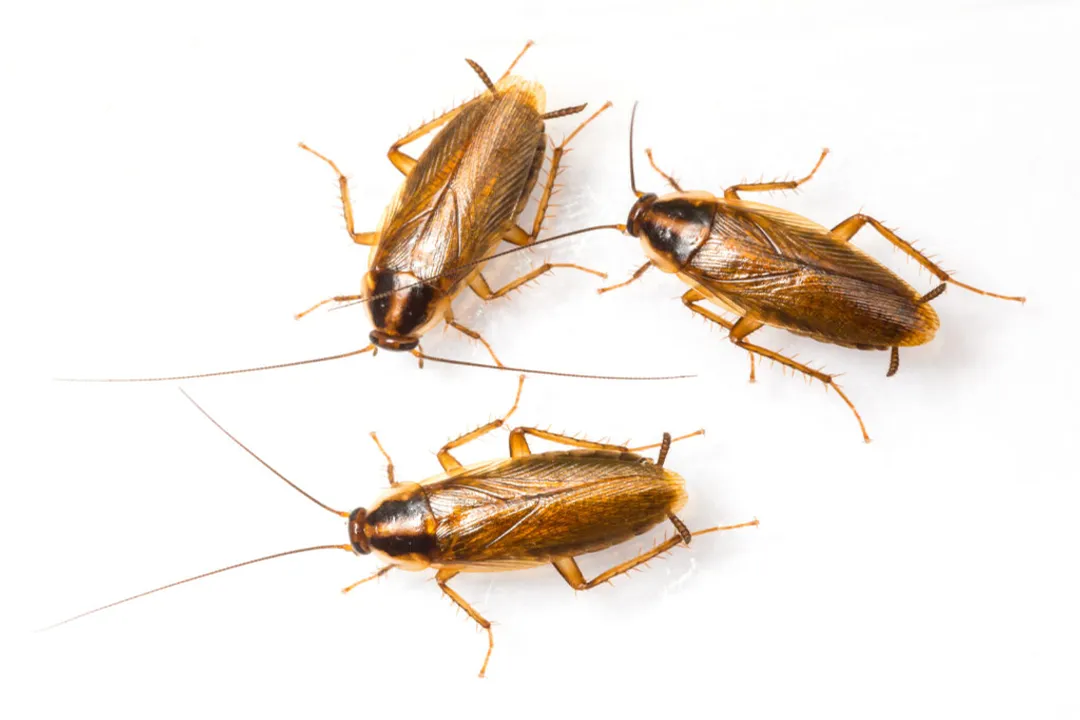
To understand their origin, one must look at the classification of insects. Cockroaches are part of the superorder Exopterygota, which encompasses insects that undergo incomplete metamorphosis (hemimetabolous development), meaning they hatch as nymphs that generally resemble smaller, wingless versions of the adults. [1] This contrasts with holometabolous insects, like butterflies or beetles, which have distinct larval stages. The earliest known fossils belonging to the cockroach lineage date back to the Carboniferous period, an era roughly 320 million years ago. [1] This places their evolutionary roots deep into the Paleozoic Era, long before the age of dinosaurs reached its zenith. [6] They are remnants of an early terrestrial arthropod group that managed to survive massive planetary shifts and subsequent extinction events. [6]
# Termite Link
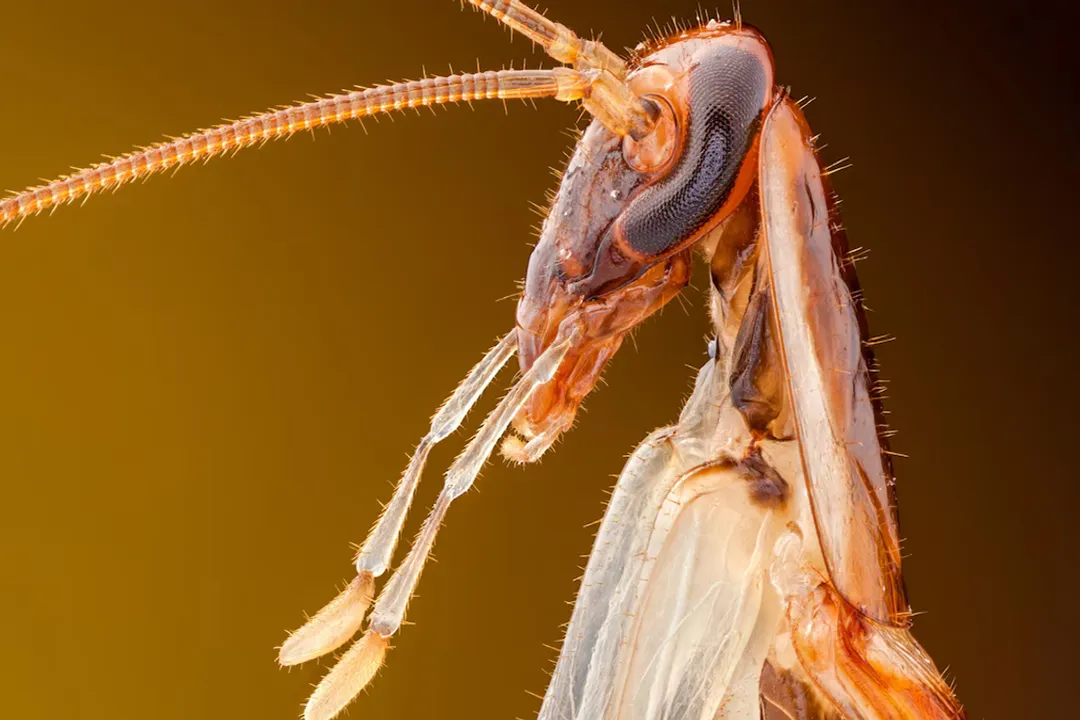
Perhaps the most scientifically striking piece of information regarding the cockroach's immediate evolutionary neighbors is its relationship with termites. Modern phylogenetic studies place termites (Isoptera) firmly within the cockroach order, Blattodea. [1] This means that termites are not just distant cousins; they are essentially highly specialized cockroaches that evolved social behavior, lost the ability to digest cellulose without symbiotic gut microbes, and drastically changed their body form. [2] When considering the direct ancestors of modern cockroaches, one looks toward the stem group from which both termites and modern cockroaches radiated. While the very first ancestor is fossilized, the closest living relatives provide the clearest genetic context. [4] The common ancestor shared by both groups was likely a wood-chewing, terrestrial insect from the late Paleozoic Era. [2]
# Deep Time
The fact that cockroaches predate the dominance of flowering plants tells a significant story about their evolutionary success. [5] Their persistence across hundreds of millions of years suggests a highly adaptable, almost blueprint-like body plan. If we were to chart out a family tree, the cockroaches would be found near the base, diverging early from the ancestors of other large insect orders. [1]
It is instructive to compare the timescale of their entire evolution with the timeframe of their recent association with humans. For example, the German cockroach (Blattella germanica) is a species whose story is relatively recent in evolutionary terms, yet globally successful. [9] This species is believed to have originated in Asia, perhaps around India or Sri Lanka, [9] and their global distribution is primarily a result of human trade and settlement over the last few centuries. [3][7] This comparison highlights a crucial point: the deep evolutionary success of the order Blattodea relies on longevity and generalized survival, while the success of specific species like the German cockroach depends on an ability to rapidly exploit new ecological niches created by human activity. [7]
One interesting analysis of this persistence revolves around their basic morphology. Unlike specialized predators or highly modified pollinators, the cockroach body plan—flat, fast, armored, and omnivorous—is inherently resilient to broad environmental changes. [1] While other insect groups that diverged around the same time may have specialized and subsequently gone extinct when their specific food sources or environments vanished, the generalist nature of the early cockroach allowed it to weather major upheavals. It is a testament to the power of having a relatively simple, proven design that can be adapted rather than reinvented. [5]
# Survival Mechanisms
The ancient roots imply that cockroaches are exceptionally good at living everywhere that wasn't completely sterilized by an impact or volcanic event. They have survived at least five major mass extinction events. [6]
Their ability to persist is linked to a combination of traits that were present even in their ancestral forms:
- Dietary Flexibility: Early forms, like their modern relatives, were likely detritivores or scavengers, meaning they could consume decaying matter, giving them a continuous food supply regardless of shifting plant life. [5]
- Reproduction: They reproduce relatively quickly, allowing populations to rebound after localized disaster, even if their overall generation time is not as fast as some smaller insects. [1]
- Resilience: Their tough exoskeletons offer protection against physical damage and desiccation, which would have been vital when colonizing terrestrial habitats. [1]
It's easy to view the German cockroach's current reputation as a pest and project that history backward, but the common ancestor 300 million years ago was simply surviving in Carboniferous forests, likely feeding on decaying plant matter, far removed from basements and kitchens. [1][6] The modern pest species are merely exceptionally successful offshoots that found a niche in our human-made habitats. [3][7]

# Ancestor Comparison
While we cannot point to a specific living insect and say, "That is the cockroach's direct ancestor," we can definitively state that the ancestor was a primitive wingless or winged insect within the early groups that eventually gave rise to Blattodea. [1] We know this ancestor was not a beetle, a fly, or a true bug, as those orders separated earlier or later on the insect family tree. The common ancestor of roaches and termites existed prior to the diversification of many modern insect orders, suggesting that the lineage leading to cockroaches was one of the first major groups to successfully conquer terrestrial life after the earliest arthropods. [2] The very definition of "cockroach" in the fossil record often relies on recognizing specific wing vein patterns or body shapes that match modern specimens, such as possessing leathery forewings (tegmina). [1]
The evolution of the German cockroach in particular offers a microcosm of modern selective pressures. Studies on this species show that rapid adaptation is key to their current ubiquity. [9] They have a high capacity for adaptation and an extremely fast reproductive cycle when associated with stable, warm environments like human dwellings. [3][7] This recent, rapid adaptation, driven by association with human waste and shelter, contrasts sharply with the slow, drawn-out evolutionary success of their deep ancestry surviving asteroid impacts and continental drift. [6] The animal they evolved from was a creature adapted for vast wilderness; the German cockroach is adapted for cramped, human-modified ecosystems.
Related Questions
#Citations
Cockroach - Wikipedia
It's often stated that animals like cockroaches, sharks, and alligators ...
We finally know how cockroaches conquered the world
Solving the 250-year-old mystery of the origin and global ... - PNAS
How did the cockroach evolve into its current form? Did other insects ...
Where Roaches Come From and How They Survive - Terro
Research reveals German cockroaches evolved via human activity
Cockroaches' evolutionary resilience and survival strategies
The evolutionary mystery of the German cockroach - John Hawks