What did Corgis evolve from?
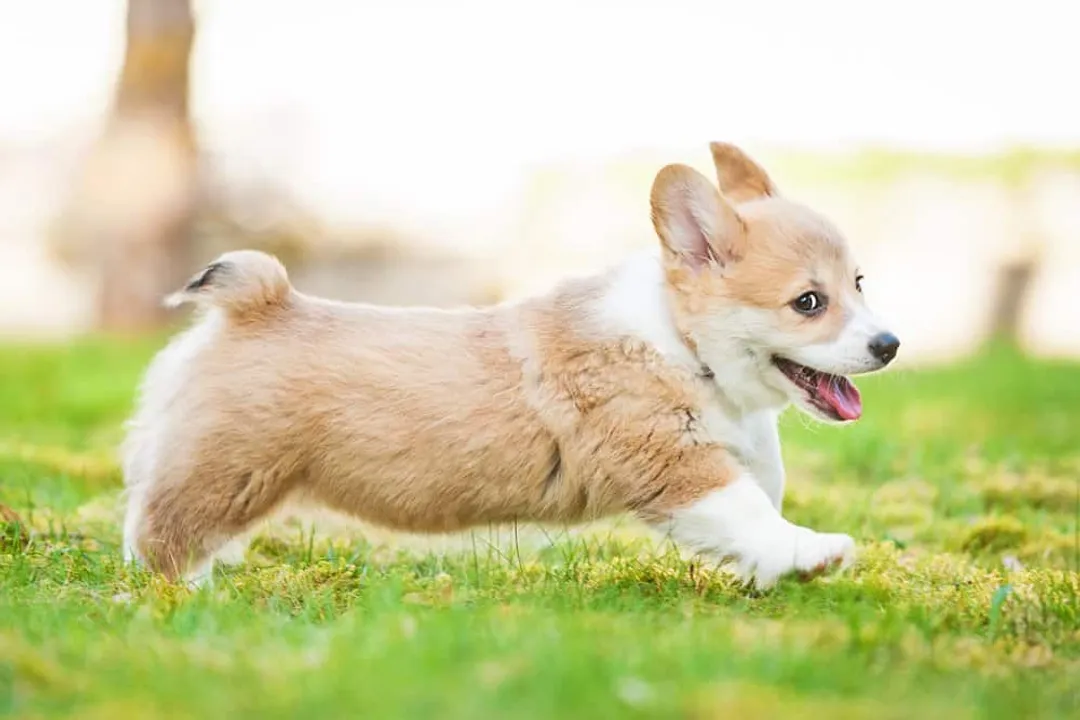
The Pembroke Welsh Corgi and the Cardigan Welsh Corgi, both beloved for their substantial personalities packed into low-slung frames, share a common homeland in Wales but possess distinct ancestral paths that stretch back millennia. These charming dogs represent one of the most ancient herding breeds known, having worked the fields and farms of their native country for a very long time. [2][5][7] To understand what the Corgi evolved from is to trace two separate, yet converging, historical streams within the valleys of Wales, a place where their very name speaks to their distinctive shape; the Welsh word corgi translates roughly to "dwarf dog". [2][6]
# Ancient Lineage
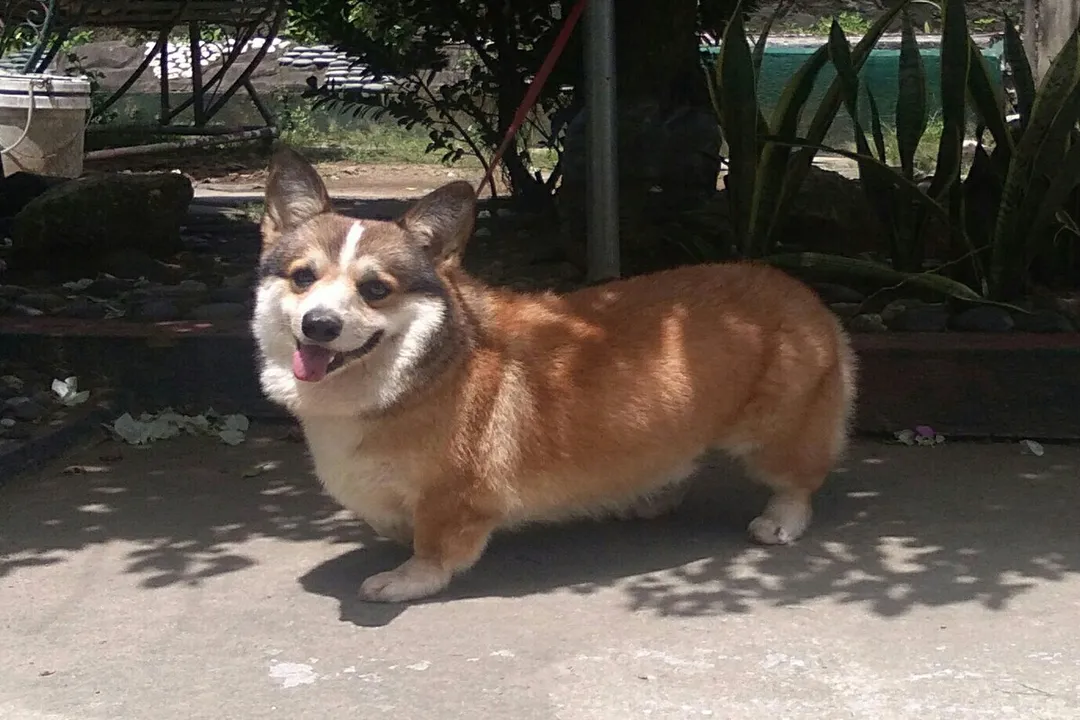
The story of the Corgi is intrinsically tied to the history of Wales itself, suggesting an evolution molded by practical necessity rather than recent selective breeding trends. [2] While the two breeds were often grouped together until the 20th century, evidence suggests they are not simply variations of the same dog but rather two separate breeds that evolved to fill a similar agricultural niche. [5][7]
The Cardigan Welsh Corgi is often considered the older of the two breeds, with a pedigree possibly tracing back to the Celts. [5] These Celtic tribes are said to have brought their cattle-herding dogs to Wales around 1200 B.C.. [5] This long history suggests the Cardigan line has been influencing the Welsh landscape and farming practices for well over two thousand years. [5][6] Some theories even draw a connection between the Cardigan’s ancestors and the Dachshund breeds, suggesting a shared heritage among European primitive working dogs. [5]
Conversely, the ancestry of the Pembroke Welsh Corgi is typically traced to a later period, centered around the 10th century. [1][7] The prevailing historical account links the Pembroke to dogs brought over by Flemish weavers who settled in Pembrokeshire. [1][7] Another historical suggestion places their roots with the dogs accompanying Viking settlers who arrived in the area. [1] While the Pembroke lineage seems more recently established in its current form compared to the Cardigan, it too is deeply rooted in Welsh history, having been a farm dog for centuries. [1][2]
# Herding Adaptation
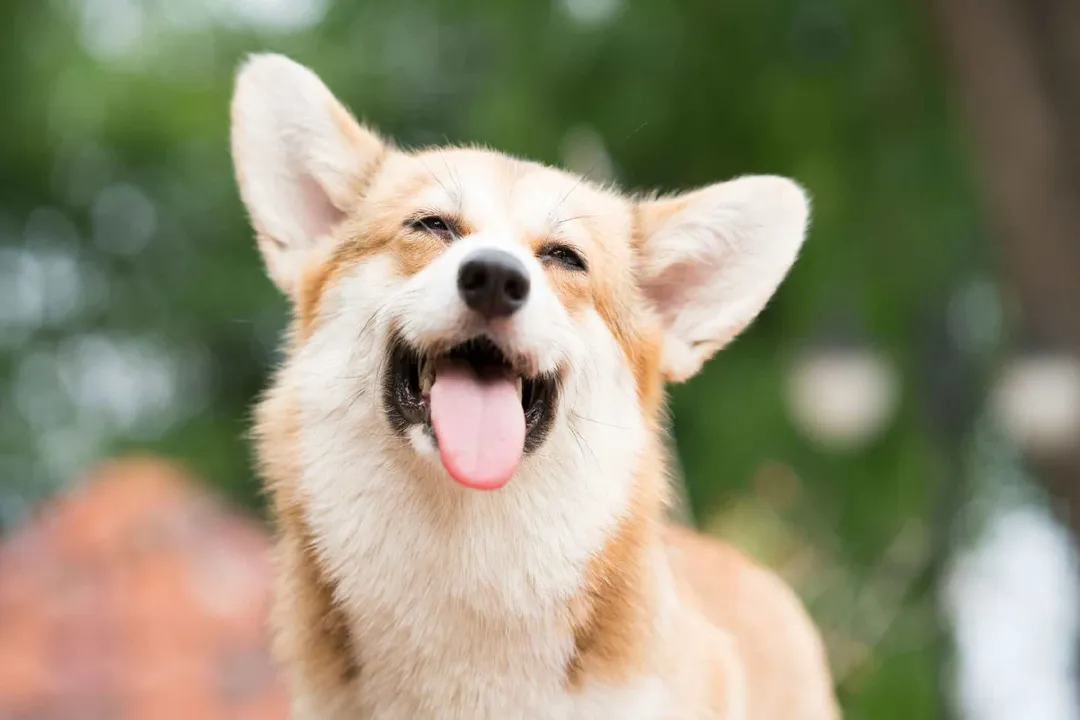
What unites these two distinct ancestral lines is their original function: they were bred to be heelers. [8] In the rugged, often hilly terrain of Wales, a dog needed to manage cattle without being seriously injured in the process. [8] This required a specific set of physical attributes that dictated their evolutionary path.
The Corgi’s short legs were not a mere aesthetic choice; they were a highly effective piece of engineering for this specific job. [2][9] By staying low to the ground, they could effectively nip at the hocks (heels) of the cattle to move them along—the "nip-and-tuck" style of herding—and then instantly duck beneath the swing of a retaliating hoof. [8] This low center of gravity and quick agility meant they could avoid severe injury while performing essential work, selecting for the genes that promoted dwarfism in this line of working canines. [2][8]
A fascinating comparison arises when considering how selective pressure shapes breeds globally. While breeds like the Border Collie were selected for their strong eye and gathering ability from a distance, the Corgi was selected for close-quarters, low-impact physical management of livestock. This difference in herding style—distance management versus close control—resulted in two profoundly different physical silhouettes within the same geographic area, both perfectly suited to their environments. [8] It's clear that the low stature was not an incidental trait but the defining feature required for survival and utility in the Welsh farm environment. [2][9]
# Physical Distinctions Emerge
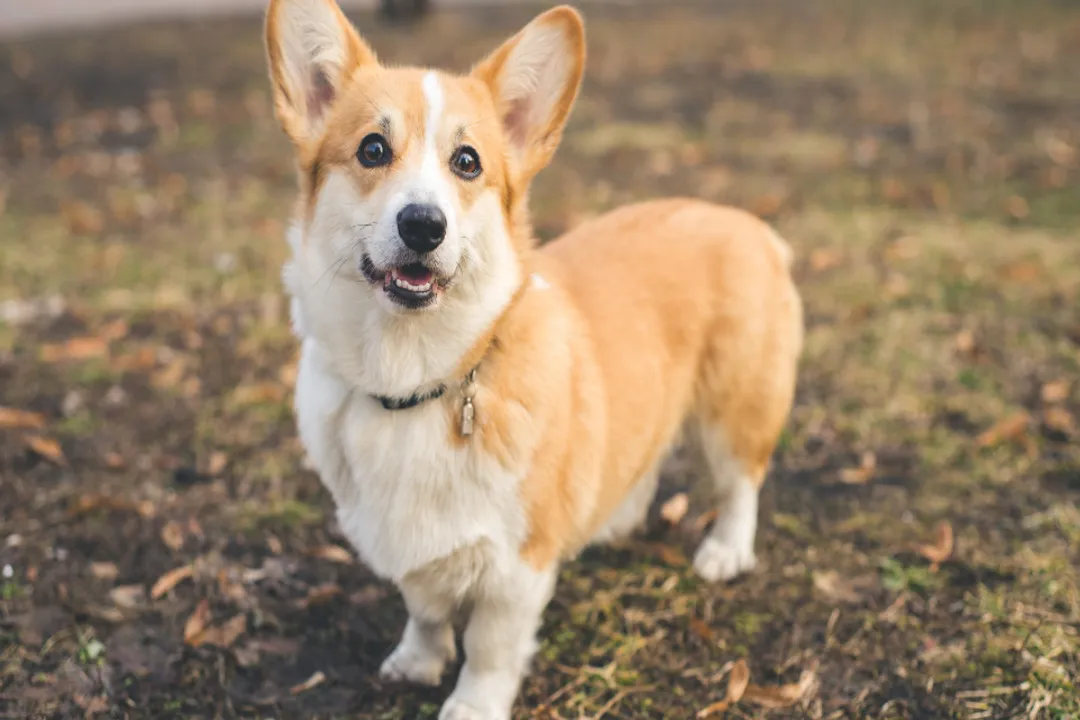
For centuries, the Cardigan and Pembroke likely interbred or at least coexisted without strict separation in kennel clubs. [7] However, as breeders began to standardize the type, the physical differences became more pronounced and formalized, leading to the eventual split in recognition. [7]
The most obvious and defining physical difference between the two today is the tail. [5][7]
| Feature | Cardigan Welsh Corgi | Pembroke Welsh Corgi |
|---|---|---|
| Tail Appearance | Long, full, and fox-like [5] | Historically docked or naturally bobbed [1][7] |
| Body Shape | Slightly longer overall body structure [7] | Tends to be slightly more compact [7] |
| Ear Shape | Rounder tips [7] | More pointed tips [7] |
While the tail is the hallmark differentiator now, it is important to note that the historical Pembroke was not always naturally bobtailed, which adds a layer of complexity to their early standardization efforts. [1][7] The physical traits, particularly the tail length, became the primary markers used by early kennel societies to separate the established lineages. [5][7]
# Recognition Splits
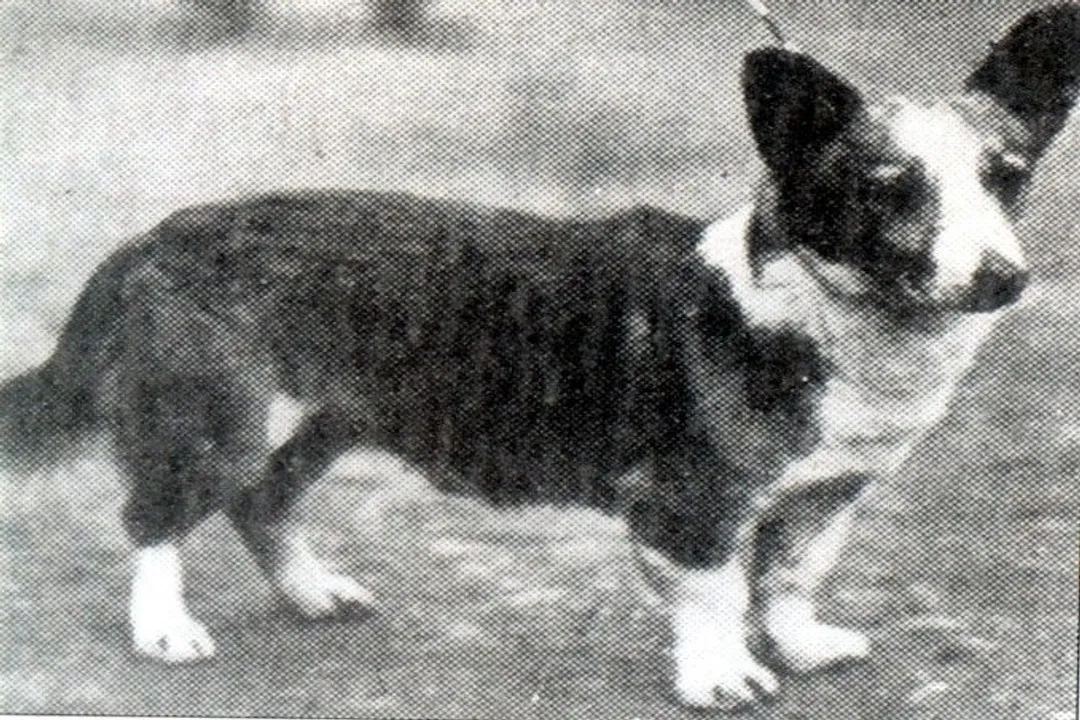
The formal acknowledgment of the Corgi's dual identity occurred relatively recently, well into the 20th century, which is quite late for such ancient breeds. [1][7] The Kennel Club in the UK officially recognized the two breeds separately in 1927. [7] Following this move toward formal separation, the American Kennel Club (AKC) followed suit, establishing separate registers for the Pembroke Welsh Corgi and the Cardigan Welsh Corgi in 1934. [1]
Prior to this official split, the dogs were often registered simply as "Welsh Corgis" or sometimes cross-registered, which muddied the ancestral waters. [7] This separation was necessary because, despite the shared history of working cattle in Wales, the distinct genetic origins—the Celtic/Dachshund-related Cardigan versus the Flemish/Viking-influenced Pembroke—had produced dogs that breeders wanted to preserve as separate entities. [5][1] Even today, a cross between the two is not recognized as a purebred Corgi by major kennel organizations. [7]
An interesting point about breed survival often applies to these ancient, low-slung dogs: their utility kept them alive. In ancient or less-developed agricultural settings, a dog's value was directly tied to its ability to work; pampered pets were a luxury few could afford. The Corgi's function as a multi-purpose farm dog—a watchdog, a companion, and a specialized herder—ensured its line continued even when other, perhaps less useful, breeds might have faded away. Their unique structure was their resume. [9]
In summary, the Corgi did not evolve from a single source. The Cardigan seems to descend from the earliest Celtic arrivals, maintaining a more ancient lineage, while the Pembroke likely developed later through infusions from continental European dogs, perhaps Flemings or Vikings. [5][1] Both lines, however, were rigorously shaped by the demands of Welsh farm life, resulting in the distinctive, low-to-the-ground herding genius we admire today. [8]
Related Questions
#Citations
Pembroke Welsh Corgi History - Dog Breeds - American Kennel Club
Pembroke Welsh Corgi - Wikipedia
Breed History - Welsh Corgi League
History of the Breed - Mayflower Pembroke Welsh Corgi Club
History of the Cardigan Welsh Corgi
The Original Corgi - Welsh Corgi News
Brief History - Pembroke Welsh Corgi Club of America
What Were Corgis Bred For? Original History, Jobs and Role
Corgi Breed Guide: History, Characteristics & Care Tips
How did dogs like Corgis and Chihuahuas survive in the wild before ...