When did kingfishers evolve?
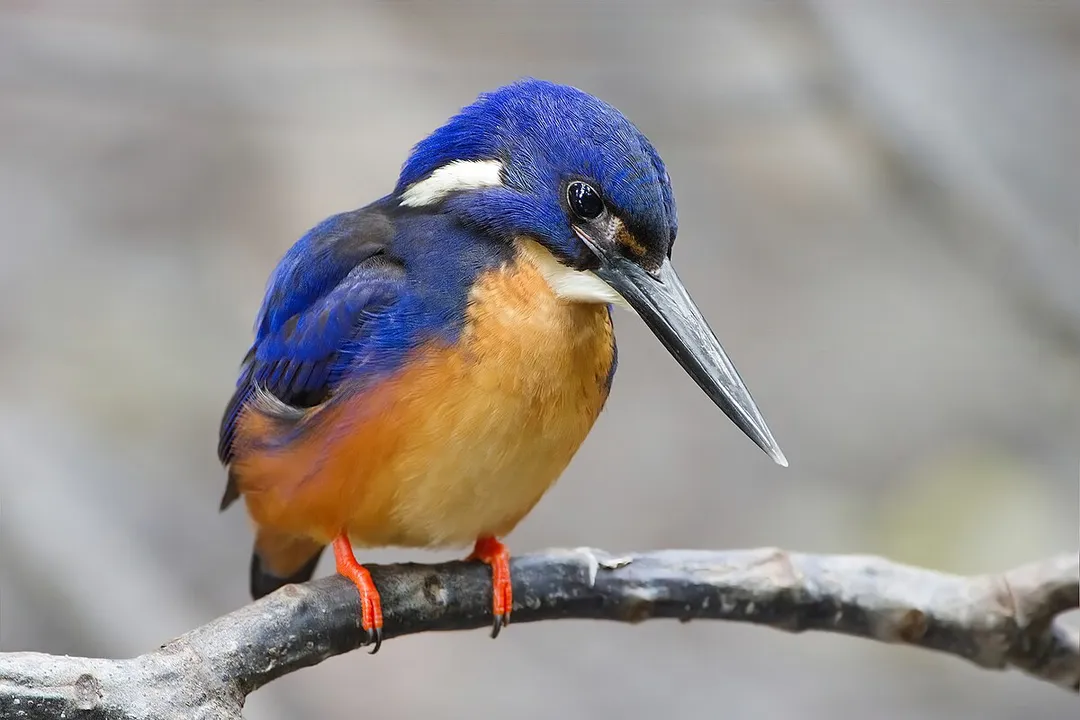
The story of the kingfishers, those jewel-toned flashes often seen darting over water, is deeply interwoven with the ancient history of birds, tracing back millions of years through complex avian lineages. Understanding when they first appeared requires looking not just at fossil records, which can be sparse for small birds, but also at the molecular evidence that separates and groups living species. While a precise "date" remains elusive, the available data points toward their deep roots within the order Coraciiformes.
# Coraciiform Roots
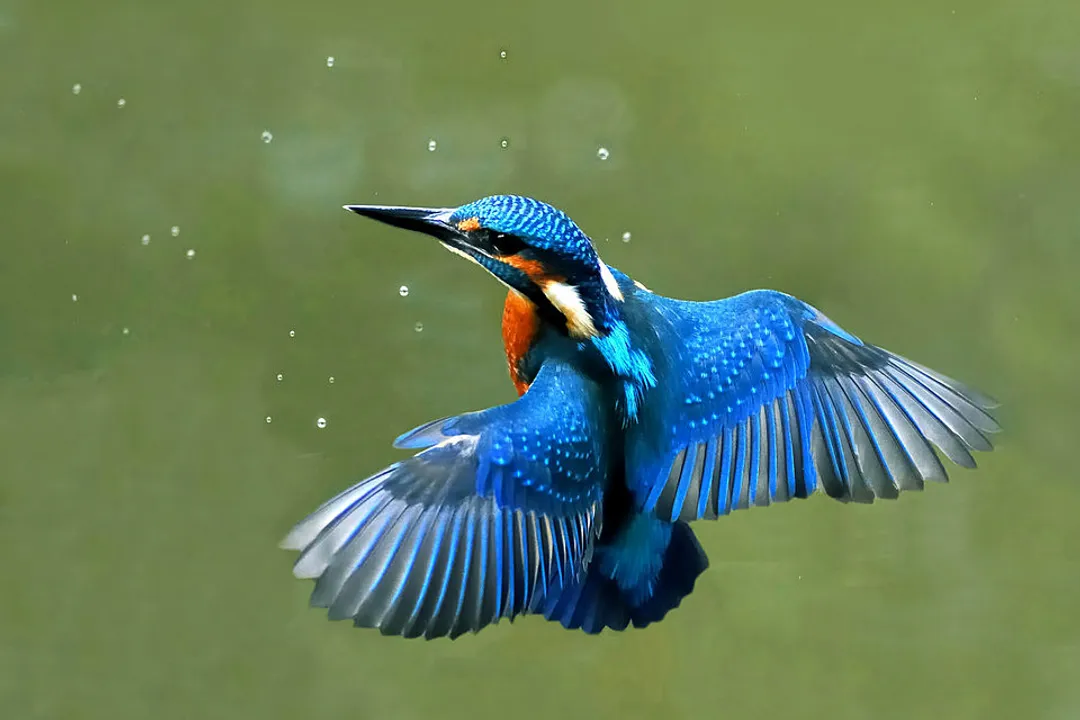
Kingfishers, as we know them today, belong to the family Alcedinidae. However, they share a common ancestry with other striking birds, specifically the rollers and todies, all grouped under the order Coraciiformes. This ancient order represents a significant branch in the evolution of birds, defined in part by shared skeletal characteristics, particularly the arrangement of certain bones in their feet and skulls.
The evolutionary divergence within Coraciiformes has been a subject of ongoing study, but the current consensus places the split between the three main families—kingfishers (Alcedinidae), rollers (Coraciidae), and todies (Todidae)—quite far back in avian history. Molecular phylogenetic studies suggest that the Coraciiformes lineage likely originated during the Cretaceous period. This means the ancestors of the modern kingfisher were flying around at the same time as non-avian dinosaurs, perhaps appearing roughly 60 to 100 million years ago (Mya), though exact placement of the Alcedinidae family relative to this split requires careful interpretation of the genetic clock data.
It is helpful to consider the relatives. Rollers and todies are often considered sister groups to the kingfishers, but the precise branching order has sometimes been debated among researchers. Some analyses support the grouping of rollers and todies together, separate from kingfishers, while others present slightly different relationships, indicating the full picture of this early split is still being refined through modern genetic techniques.
# Fossil Evidence Gaps
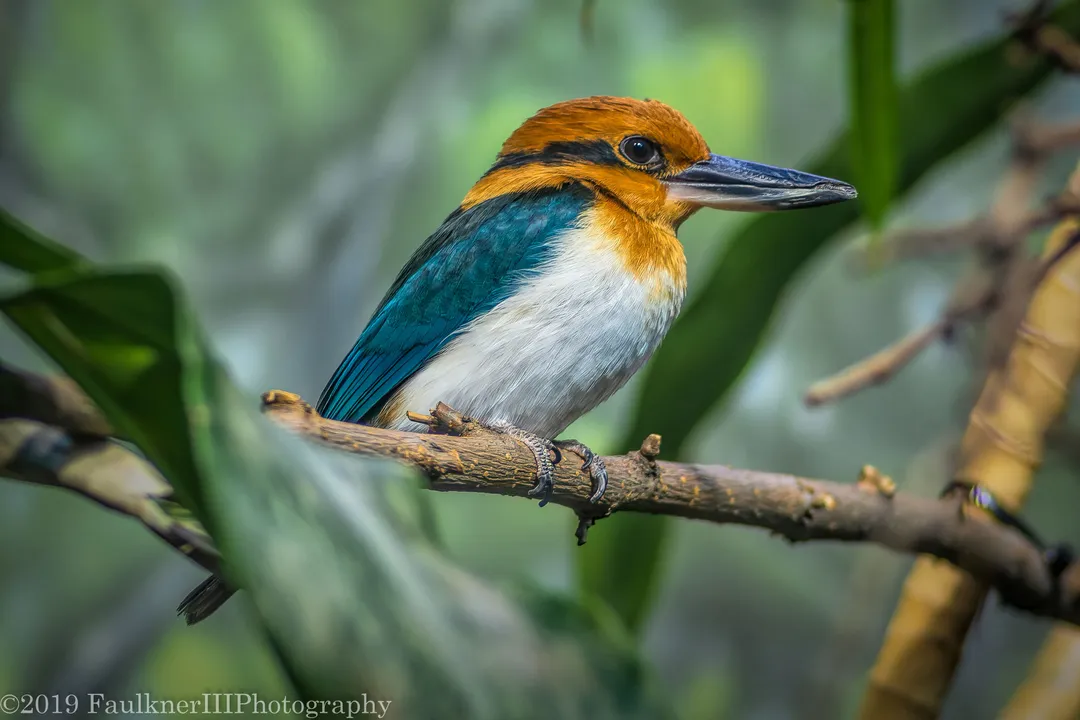
Paleontology provides snapshots rather than continuous reels of evolution, and for kingfishers, the fossil record is relatively thin compared to some other bird groups. Fossil evidence for the broader Coraciiformes order does exist, pushing back into the Eocene epoch, which began about 56 million years ago. Fossils attributed to the Coraciiformes have been identified from this time, suggesting that the overall group was established shortly after the extinction of the non-avian dinosaurs.
However, finding definitive fossil members of the Alcedinidae family—the true kingfishers—from deep in the past is more challenging. While the order itself is old, the diversification into the distinct groups we see now, including the appearance of the specialized, fish-hunting morphology we associate with the name "kingfisher," likely occurred as habitats stabilized and diversified in the Cenozoic era.
When analyzing the morphology of these early fossils, distinguishing between an ancestral roller and an early kingfisher can be tricky without complete skeletal material, which is often lacking. Researchers look for specific traits, like the robustness of the bill and the proportions of the skull, features that define the feeding adaptations characteristic of kingfishers.
# Kingfisher Clades Diverge
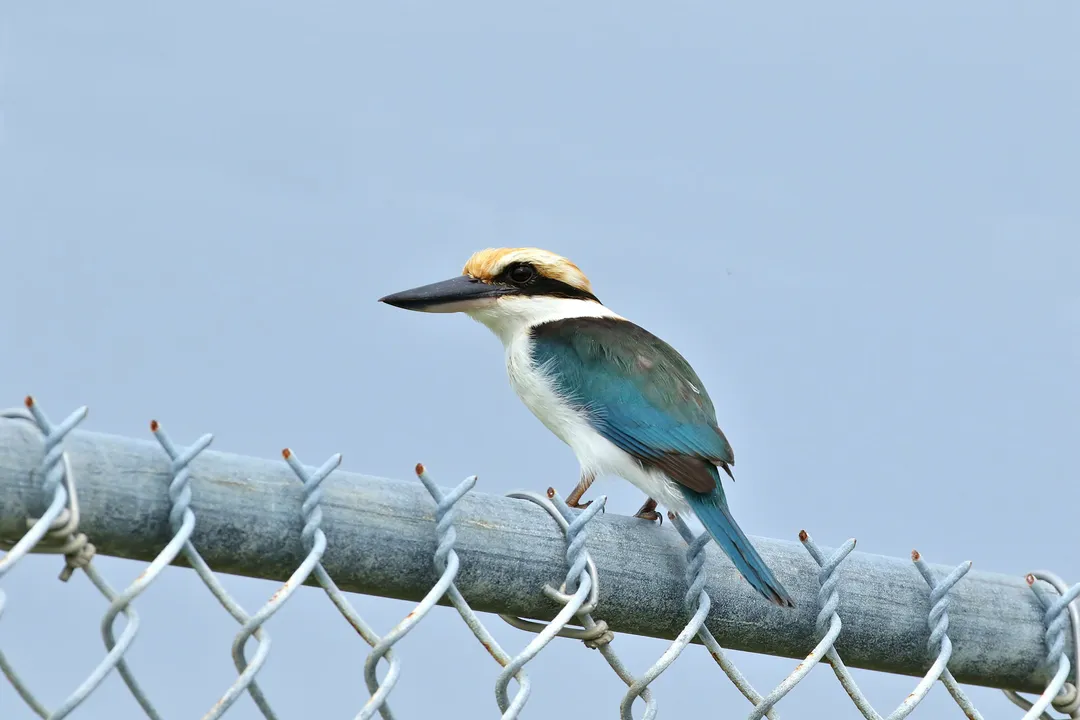
The modern diversity of kingfishers is organized into three main subfamilies: Alcedininae (river kingfishers), Cerylinae (water kingfishers), and Halcyoninae (woodland kingfishers). The evolutionary divergence among these subfamilies is a crucial part of answering when kingfishers evolved into their modern forms.
Molecular studies have established that the divergence among these three major clades happened relatively recently in evolutionary terms compared to the origin of the Coraciiformes order itself. Based on genetic clock estimates derived from DNA sequence data, the split between the Cerylinae (water specialists like the Belted Kingfisher in North America) and the rest of the group seems to have occurred tens of millions of years ago, likely in the Miocene epoch, though specific dates vary widely depending on the calibration of the molecular clock used.
The Halcyoninae subfamily, which includes many colorful, non-piscivorous species found in forests, is often found to be the basal (earliest diverging) group in some molecular trees, though other studies place Cerylinae as the first to branch off. This inconsistency highlights the complexities of dating evolutionary splits using genetics alone.
For instance, within the Halcyoninae, the Todiramphus genus—which spans much of the Old World tropics—represents a significant evolutionary radiation. The fossil record does not clearly demarcate the origin of Todiramphus, but molecular dating suggests this group began to diversify significantly several million years ago, perhaps coinciding with major shifts in tropical forest cover and sea-level changes which isolated populations and drove specialization.
If we consider the Belted Kingfisher (Megaceryle alcyon) as representative of the Cerylinae, its lineage is adapted for plunge-diving for fish in freshwater systems across North America. Its presence in North America implies that the colonization and subsequent speciation of the water-loving kingfishers happened after the major continental landmasses were roughly in place, a process that likely took place over the last 15 to 25 million years across the Coraciiformes as a whole.
In many ways, the evolutionary story of the kingfishers is one of incredible ecological success following an initial deep divergence. They moved from being a generalist member of the Coraciiformes to occupying highly specialized niches across the globe.
# Specialized Morphology

The evolution of the kingfisher is marked by the refinement of specific tools for their environment, particularly the bill. The textbook image is of the magnificent, large bill perfectly adapted for capturing aquatic prey. This adaptation is most pronounced in the Cerylinae and Alcedininae subfamilies, where the bill is long, straight, and dagger-like for rapid, precise strikes into the water.
However, the evolution of the group shows that specialization is not a singular path. The Halcyoninae (woodland kingfishers) exhibit bills that are often broader and more robust, suited for seizing insects, lizards, and even small birds or mammals, rather than solely focusing on fish. The evolution wasn't about inventing a new bird; it was about modifying the ancestral Coraciiform blueprint to exploit a vacant niche. This variation in bill shape across the subfamilies is a direct reflection of the different timings and environmental pressures acting on each lineage since their initial split.
The seemingly simple act of plunging for a fish required significant biomechanical evolution. Imagine a bird designed to fly, suddenly needing to transition from air to water with minimal splash and maximum penetration speed. This requires not just a strong bill, but also adaptations in musculature and even head feather structure to handle the shock and water resistance—a testament to millions of years of refinement, evident every time a kingfisher successfully nets a minnow. The very name "kingfisher" itself points to this mastery of the aquatic environment, a trait that became dominant in key lineages.

# Global Distribution and Radiation
The current global distribution of kingfishers—nearly worldwide, excluding only the polar regions and a few oceanic islands—suggests a history involving significant dispersal events after the initial speciation. The Halcyoninae are particularly abundant in the Old World tropics, while the Cerylinae are dominant in the New World (Americas) and parts of Asia.
This wide spread implies that their ancestors were capable long-distance travelers or that the initial radiation occurred when continents were configured differently, allowing for migration paths that have since closed. If a lineage like the Todiramphus group dispersed across islands in the Indo-Pacific early on, subsequent isolation would have driven rapid speciation into the numerous island-dwelling forms we see today.
Thinking about the dispersal patterns geographically reveals an interesting possibility regarding their early success. If we assume the ancestors of the Cerylinae (water specialists) originated in a humid, diverse region where fresh water was plentiful, their successful colonization of North America suggests a very hardy, adaptable ancestor capable of surviving varied climates, even if the modern species are tied to specific water sources. For instance, the Belted Kingfisher can tolerate environments much cooler than those favored by many Old World tropical kingfishers. This broad climatic tolerance in one major branch suggests the Alcedinidae family, as a whole, achieved its broad ecological breadth early in its history, even before specialized feeding habits solidified.
This ecological breadth in the ancestral group likely allowed them to survive the various climate shifts of the Pleistocene, where less adaptable species might have gone extinct. The successful persistence of the Cerylinae across significant latitudes speaks to an inherent hardiness retained from their deep evolutionary past, even as other branches specialized into forest-dwelling forms.
# Comparing Modern vs. Ancient Adaptations
When comparing the evolution of kingfishers, one must often contrast the aquatic specialists with the woodland dwellers, which are sometimes considered more "primitive" based on molecular phylogeny, or at least representing an earlier, less committed divergence from the Coraciiform ancestor.
The specialized plunge-divers (like the Common Kingfisher in Europe or the Belted Kingfisher in North America) have evolved an almost surgical precision for aerial dives, which requires specific visual acuity and minimal splash for success. The woodland kings, however, demonstrate a parallel evolution towards aerial pursuit of terrestrial prey or even probing in leaf litter.
| Subfamily | Key Adaptation Focus | Bill Morphology Example | Distribution Tendency |
|---|---|---|---|
| Cerylinae | Water Plunge Diving | Long, robust, dagger-like | Americas, parts of Asia |
| Alcedininae | River/Stream Fishing | Long, very straight, slender | Eurasia, Africa |
| Halcyoninae | Terrestrial/Arboreal Prey | Broader, sometimes shorter, strong | Tropics worldwide (Indo-Pacific heavy) |
This table illustrates that while the idea of a kingfisher is tied to water, the evolutionary path branched early enough for a significant portion of the family to revert, or perhaps never fully commit, to a purely aquatic lifestyle. The divergence into these three major forms represents the core evolutionary milestones of the Alcedinidae family, occurring over timescales that span most of the Cenozoic Era. The time elapsed between the initial Coraciiform radiation and the final splitting of these three modern subfamilies is where the true evolutionary lifespan of the Kingfisher resides. While the order appeared possibly during the Cretaceous, the recognizable, distinct Alcedinidae lineages likely stabilized well into the last 30 to 40 million years.

# Naming Conventions
The naming conventions used by ornithologists also reflect the uncertainty and revision surrounding their evolution. For a time, some birds like the Kookaburra were considered kingfishers, and their classification has shifted. Today, the Kookaburras are firmly placed within the Halcyoninae subfamily, reinforcing the idea that the woodland/terrestrial feeding adaptation preceded or co-existed with the aquatic specialization.
The Belted Kingfisher's place in the Cerylinae highlights the success of its lineage, having spread across the vast expanse of North America. Its close relationship to other large, shaggy-crested water-hunters worldwide demonstrates that this ecological niche was successfully colonized by the common ancestor of this subfamily, likely through multiple dispersal events from an Old World origin point, though the exact biogeographical path remains a topic for ongoing debate among evolutionary biologists.
The evolution of the kingfisher, therefore, is not a single event but a protracted process: first, the deep split from rollers and todies during the Cretaceous/Paleocene transition; second, the stabilization of the Alcedinidae family as a whole in the Eocene/Oligocene; and finally, the major radiation into the Alcedininae, Cerylinae, and Halcyoninae clades over the last 30 million years, leading to the specialized hunters we admire today.
#Videos
The History of Kingfishers | Evolution INSIGHTS - YouTube
Related Questions
#Citations
Kingfisher - Wikipedia
Homage to Kingfishers: 1 - Ian Fraser, talking naturally
Coraciiform - Evolution, Paleontology, Adaptations | Britannica
Kingfisher evolution in the Wallacea region
Alcedinidae - The Kingfishers - The Science of Birds
The History of Kingfishers | Evolution INSIGHTS - YouTube
Australo-Pacific kingfishers - Earth@Home - Evolution
Clades of Kingfishers - Don't hold your breath
Belted Kingfisher Life History - All About Birds