Welsh Corgi Facts

Welsh Corgis are instantly recognizable, diminutive dogs known for their big personalities and famous royal associations, but many enthusiasts find themselves navigating a common point of confusion: there are actually two distinct breeds that share the "Corgi" name. [1][5] Understanding these charming, low-to-the-ground canines means first appreciating the separation between the Pembroke Welsh Corgi and the Cardigan Welsh Corgi. [1] Both hail from Wales, where they were historically utilized as cattle herders, but they possess differences in lineage, tail structure, and overall build that merit closer inspection. [1][5]
# Two Breeds
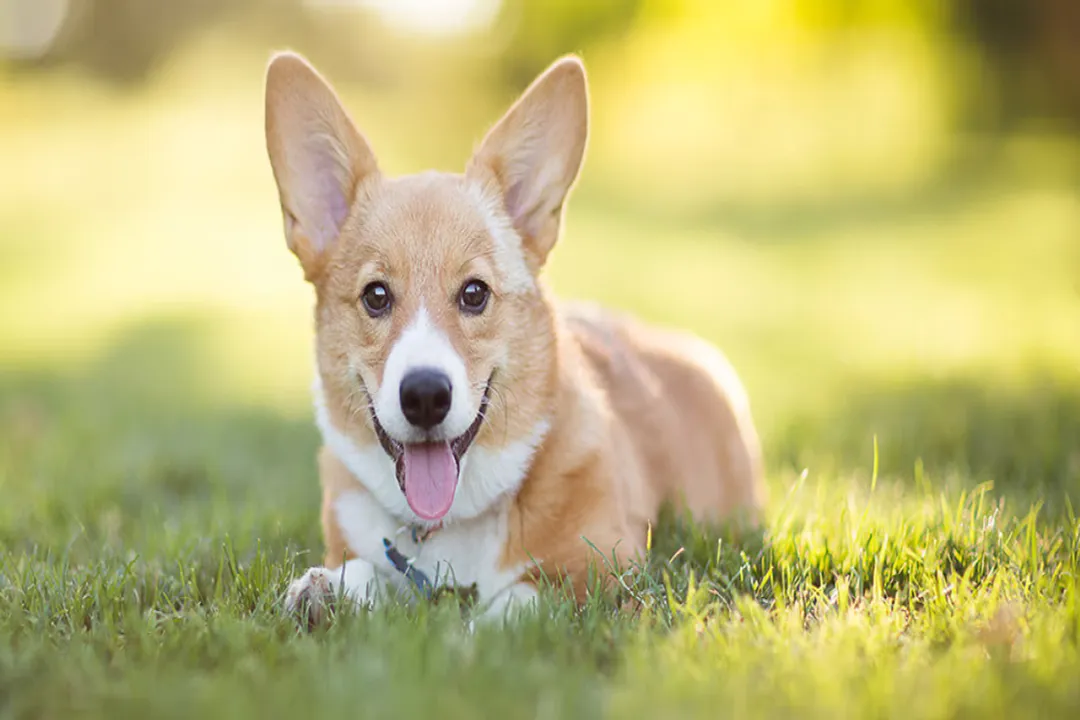
The split between the two breeds is quite significant historically. The Cardigan Welsh Corgi is considered the older of the two types. [1][3] Cardigans are characterized by a long, fox-like tail that often serves as a rudder when they move, a feature that contrasts sharply with the Pembroke. [1][3] Pembrokes, on the other hand, traditionally have a naturally bobbed tail or one that was historically docked, leading to their famous, compact rear end. [7][3] If you see a Corgi without a tail, or with a very short one, it is almost certainly a Pembroke, though natural bobtails occur in Pembrokes as well. [1][7]
Beyond the tail, physical distinctions persist. Cardigans generally have larger, more rounded ears, while the Pembroke’s ears tend to be slightly more pointed and upright. [1] Weight-wise, Cardigans often carry a bit more heft; a Cardigan might reach up to 38 pounds, whereas a Pembroke typically stays under 30 pounds. [1][5] In terms of coat color, Cardigans display a wider range, including brindle, which is not accepted in the Pembroke standard. [1] While both breeds are considered small dogs, the Cardigan is slightly longer in body length relative to its height compared to the Pembroke. [1] Recognizing these differences is key, as while both are wonderful companions, their breed standards and historical paths diverged long ago. [1][5]
# Royal Ties
Perhaps the most famous fact about the Welsh Corgi, particularly the Pembroke variety, is its centuries-long connection to the British Royal Family. [1][6] Queen Elizabeth II was an avid and devoted Corgi owner, reportedly keeping over thirty Corgis and Dorgis (a Corgi-Dachshund cross) throughout her reign. [1][6] This close association has certainly elevated the breed’s profile globally. [6] It is interesting to note that the Queen’s preference leaned heavily toward the Pembroke; the breed became so strongly associated with her that when she passed away, the future of the royal kennels and the Corgis themselves became a topic of national interest. [1] While the Cardigan also has noble roots, the Pembroke is undeniably the breed most commonly seen gracing palace grounds and photographic history. [1][5]

# Origin Story
Both breeds were developed in Wales, with the Cardigan drawing influence from the Teckel family of dogs, which includes Dachshunds, while the Pembroke's ancestry is thought to involve Flemish dogs brought over by weavers. [1] Their original job was highly demanding: driving cattle. [1][4] Being low to the ground was not a flaw; it was a necessary adaptation for their work. [5] They would nip at the heels of the cows to move them along, then quickly duck beneath the swinging hooves to avoid being kicked. [4][2] This demanding occupation explains a significant part of their modern temperament.
The very structure that makes them so endearing—their short legs—is the result of a genetic mutation known as achondroplasia, a form of dwarfism. [1][5] This condition gives them their distinct silhouette, making them sturdy, long-bodied dogs despite their low stature. [5]
| Breed Feature | Pembroke Welsh Corgi | Cardigan Welsh Corgi |
|---|---|---|
| Tail | Naturally bobbed or docked [1][7] | Long, fox-like tail [1][3] |
| Ear Shape | Slightly more pointed [1] | Larger, more rounded [1] |
| Color Range | Limited (No Brindle) [1] | Wider range, including Brindle [1] |
| Weight Max (Approx.) | Under 30 lbs [5] | Up to 38 lbs [1] |
If you are considering a Corgi, spending time observing the movement and stance of both types can immediately reveal which one you connect with more, as the Cardigan often appears slightly more substantial in its carriage. [1]
# Temperament Traits
Corgis are widely known for being intelligent, eager to please, and surprisingly vocal. [2][6] They have a huge personality packed into a small frame, often exhibiting bossy or stubborn tendencies inherited from their herding days. [2] Owners should be prepared for a dog that is very much in charge of its domain. [6] Because they are so smart, they require consistent training and early socialization to manage their natural inclinations. [2] They thrive when given a "job" to do, whether that is advanced obedience work or even just learning complex trick sequences. [6]
Their vocal nature means they are excellent watchdogs; they will certainly alert you to the approach of strangers or unexpected noises. [2] However, potential owners should be mindful that this same instinct can translate into excessive barking if not managed through consistent training and boundary setting. [2] They generally bond very closely with their families and often do not do well if left isolated for long periods. [2] They want to be involved in every family activity, perhaps even trying to "herd" children or other pets by nipping at their heels—a throwback behavior that owners must gently redirect. [4][2]
When comparing their energy levels, both require regular exercise, but it’s important not to overdo it given their structure. A common misstep new owners make is assuming their short legs mean low exercise needs. While they aren't marathon runners, their working background means they need significant mental stimulation alongside moderate physical activity. [6] They excel at dog sports like agility, provided the course is suitable for their build. If you only focus on short, flat walks, the pent-up mental energy of a Corgi can easily manifest as destructive behavior at home. Finding a balance where mental challenges (like puzzle toys or training sessions) fill at least half of the activity requirement is essential for a happy, well-adjusted Corgi. [2][6]

# Grooming and Coat
Corgis possess a thick, weather-resistant double coat that is designed to protect them while working outdoors in the damp Welsh climate. [4][5] This means they are definite shedders. [4] They are not dogs for someone who demands a pristine, hair-free home, especially around shedding season. [7] They typically "blow" their undercoat twice a year, meaning they will shed profusely for a few weeks, requiring daily brushing during those times. [7] Regular brushing throughout the year, perhaps three times a week, will help manage the constant background shedding and keep their thick coat healthy. [4][5]
While grooming requirements are straightforward—regular brushing, occasional baths—owners must pay close attention to ear and dental hygiene, standard for any breed. [4] Their nails need regular clipping, often accomplished during their regular grooming routine. [4]
# Health Focus
The average lifespan for a Corgi, covering both types, is generally around 12 to 15 years. [9] Because of their unique conformation—the long back supported by short legs—they are susceptible to certain orthopedic issues. [5] The most serious concern often cited for the breed is Intervertebral Disc Disease (IVDD). [5] This condition affects the spine, and owners must take active steps to minimize stress on that area. [5]
To proactively support spinal health, a practical tip is to always use ramps or low steps instead of allowing your Corgi to jump on and off furniture, no matter how small the height seems. [5] Consistent weight management is also critically important; excess weight puts undue strain on their back structure, exacerbating the risk associated with their long spine. [5] Furthermore, like many purebred dogs, they can be prone to certain hereditary eye conditions, making it important to source puppies from breeders who perform necessary health screenings. [5]

# Distinctive Appearance
The appearance of the Corgi is immediately striking. They are low-set, sturdy dogs, often described as looking like a fox on stilts or a loaf of bread with legs. [7][3] The Pembroke has a slightly more wedge-shaped head compared to the Cardigan. [1] Both breeds are surprisingly agile despite their low center of gravity. [4]
A curious fact relates to their height: both varieties are very short, typically standing between 10 and 12 inches at the shoulder. [4] This low stance helped them avoid being kicked by the cattle they herded. [4] When observing a Corgi from the side, the length of their body is quite pronounced relative to their height, which is the classic presentation of the chondrodysplastic structure. [1][5] The expression on their faces is often alert, intelligent, and somewhat mischievous, which seems fitting for a dog bred to outsmart stubborn livestock. [2]
# Actionable Ownership Tips
Bringing a Corgi into your home requires preparation that goes beyond just buying a cute bed and some toys. Their herding background means they are highly attuned to movement and often develop strong opinions about household routines. [6]
Here is a checklist for prospective owners to consider:
- Commit to Training: Start obedience training early. Focus on positive reinforcement, as they respond poorly to harsh corrections due to their intelligence and sensitivity. [6]
- Dog-Proof the Furniture: Implement ramps or small pet stairs immediately to prevent spinal injury from jumping. [5]
- Manage the Bark: Investigate anti-bark training or redirection techniques early on to prevent nuisance barking complaints from neighbors. [2]
- Grooming Schedule: Establish a routine of brushing 3-4 times a week, increasing to daily during the spring and fall shedding cycles. [4][7]
- Mental Engagement: Plan for daily puzzle toys, scent work, or trick training to satisfy their high intelligence quotient. [6]
Understanding that they are working dogs disguised as fluffy lap companions is the most crucial insight. Their need for mental engagement often supersedes their need for intense cardiovascular exercise, meaning 20 minutes of focused trick training can tire them out more effectively than an hour of aimless walking. This intelligence means that if you are bored, they are likely bored, and boredom often leads to chewed baseboards or excessive vocalization. [6] Being an engaged, active owner is paramount for Corgi happiness. [2]
While their small size makes them adaptable to apartment living, their need to supervise and vocalize means they thrive best in an environment where family members are frequently present, as they bond deeply and dislike being left alone for extended periods. [2] They are generally sturdy companions, making them excellent family pets, provided their herding instincts are channeled constructively from puppyhood. [4][9]
#Videos
Want a Corgi Puppy? Things to Know! || Extra After College - YouTube
Related Questions
#Citations
Welsh Corgi - Wikipedia
10 Fun Facts You Should Read Before Owning a Corgi - CollieBall
7 Fun Facts about Corgis - Terri J Photography
Pembroke Welsh Corgi Dog Breed Information | Purina US
Pembroke Welsh Corgi Dog Breed - Hill's Pet Nutrition
Pembroke Welsh Corgi Facts You May Not Know
14 Cool Facts About Corgis - Plush Paws Products
Want a Corgi Puppy? Things to Know! || Extra After College - YouTube
Pembroke Welsh Corgi Breed Guide - Figo Pet Insurance