What did Hounds evolve from?
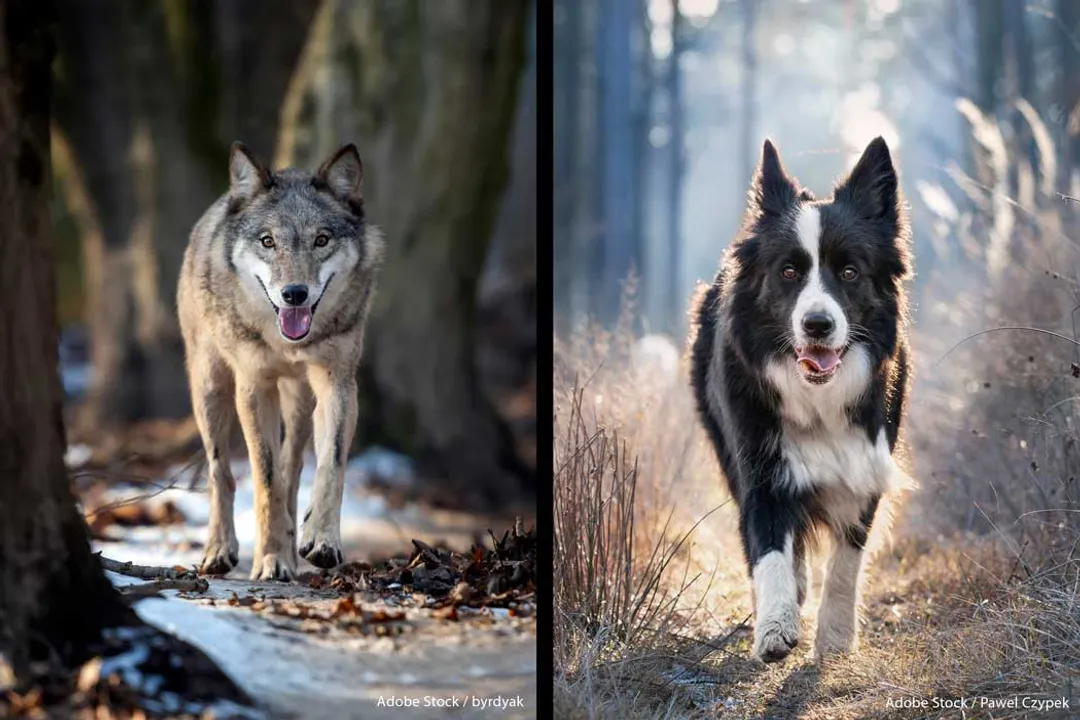
The path leading to the modern hound, or indeed any dog breed, begins deep in prehistory with one specific ancestor: the wolf. [2][6][7][8] The lineage of nearly every dog today traces directly back to ancient populations of gray wolves (Canis lupus). [2][5] Understanding what a hound is requires first understanding how the wolf population diverged to become the dog population, Canis familiaris. [7] This evolutionary branching is one of the most profound examples of domestication in natural history, transforming a formidable apex predator into a creature displaying astonishing variability, from the tiny Chihuahua to the massive Great Dane. [1]
# Ancestral Link
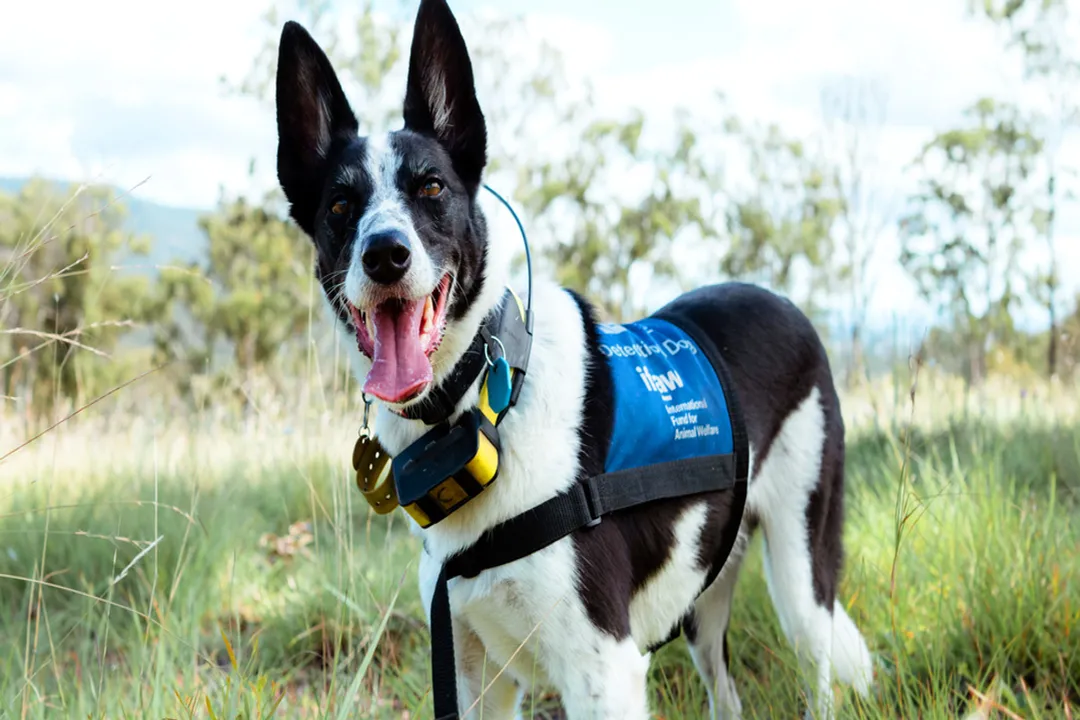
The fundamental consensus among researchers is that dogs descended from wolves. [2][5][6][7] While the precise location and timing of this split are still subjects of ongoing scientific discussion, genetic evidence strongly supports a shared ancestor. [6] Estimates for when the ancestors of modern dogs separated from the ancestors of modern wolves often fall in the range of 15,000 to 40,000 years ago, though some fossil evidence suggests potential interactions even earlier. [6] This divergence marks the beginning of the canine family tree that includes everything from the sled dog to the specialized tracking hound. [7] It is important to note that dogs did not evolve from modern wolves; rather, both modern dogs and modern wolves share a common, now-extinct, wolf ancestor. [7]
# Self Taming
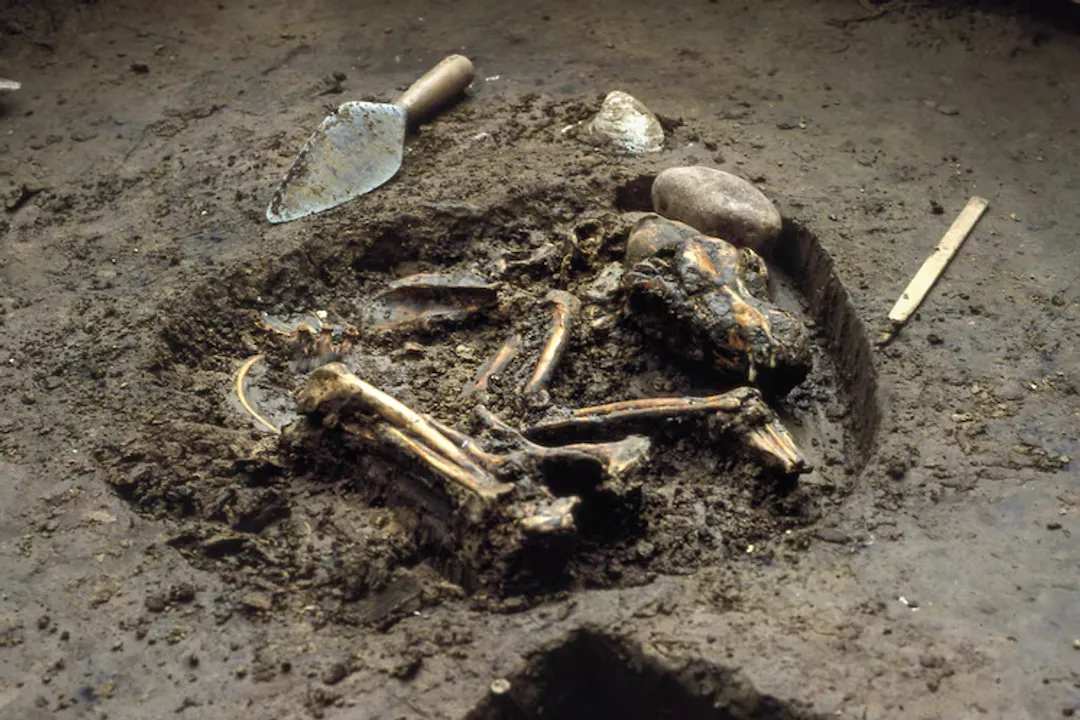
The initial phase of this transformation was likely not driven by humans actively capturing and breeding wild wolves, but rather by a process of self-domestication. [5][7] As early human settlements became established, they generated waste and discarded food scraps around their camps. [8] Certain wolves, possessing a slightly lower level of fear or aggression—a natural variation present in any large population—would have been drawn to these reliable, easily accessible food sources. [5][7] These bolder, more tolerant individuals found an ecological niche benefiting from human proximity. [5] This environmental pressure essentially selected for traits that allowed closer interaction, reducing the instinctual need to flee from humans. [7] The wolves that hung around were the ones that survived and reproduced near these burgeoning human societies. [8]
The interaction that began this process was likely a form of mutualism, where the wolves gained food security and the early humans may have benefited from the presence of these semi-tame animals acting as an early warning system against predators or rivals. [5] It is a slow, almost passive form of selection imposed by proximity, rather than direct human intervention in breeding pairs. [7]
One interesting observation stemming from this initial stage is the concept of selection gradient. In an area where food is abundant but dangerous proximity is required, the selective pressure isn't about who is the strongest hunter in the wild, but who is the least stressed near a fire pit. [7] This fundamentally alters the survival priorities for the proto-dog population compared to their fully wild cousins.
# Early Changes
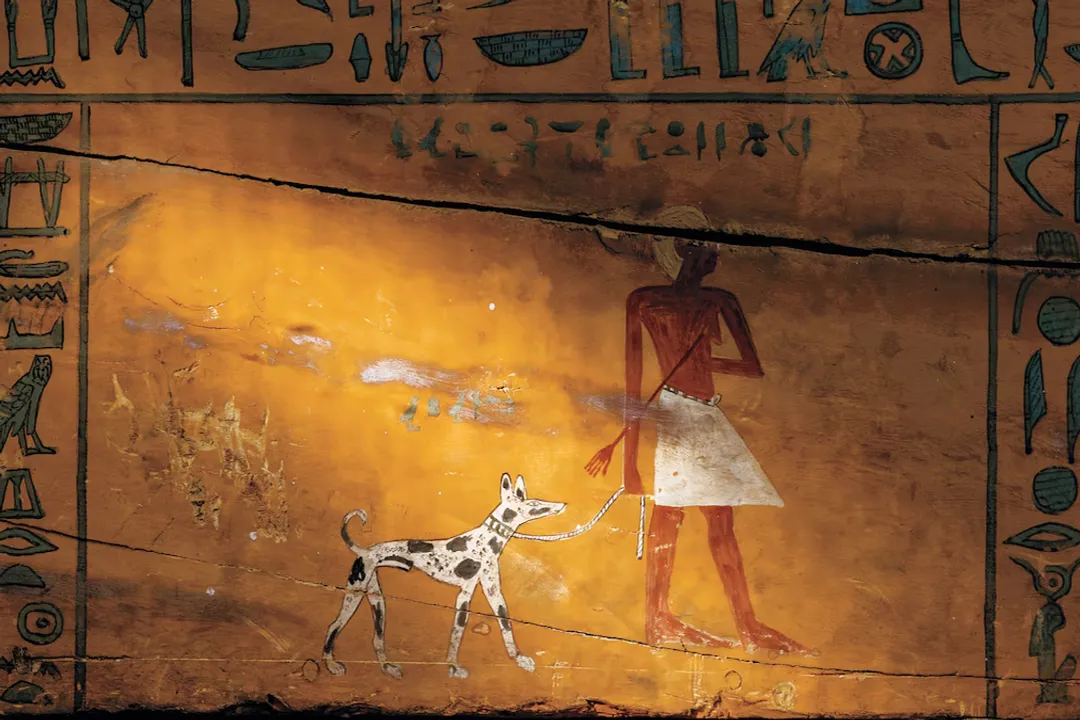
As this population of semi-tame wolves survived and reproduced near humans, natural selection began to sculpt their physical and behavioral characteristics away from the pure wolf form. [5] The traits that allowed them to successfully scavenge and interact peacefully were favored. [5] This included a reduction in jaw size and tooth size, as cracking large bones or securing large prey became less necessary than consuming discarded scraps. [5] Changes in temperament were also pronounced; individuals showing less flight response and lower aggression were more successful in this niche. [7]
This foundational shift created a general "dog-like" type, distinct from the wild wolf, characterized by softer features and a greater capacity for social bonding with humans. [5] While we may not have precise dates for when, for example, the first floppy ears or curly tails appeared, these morphological differences arose as a byproduct of selecting for docility and reliance on human food sources. [5]
# Breeding Focus
Once this initial, relatively uniform population of semi-domesticated canids existed, the relationship between humans and dogs moved into a phase of active selective breeding. [8] This is where the extraordinary diversity we see today, including the specific lineage of hounds, truly exploded. [1] Humans began intentionally pairing dogs with desired traits to amplify those characteristics for specific purposes. [8]
Humans required animals for different tasks: guarding, herding livestock, retrieving game, or offering companionship. [8] This intentional selection applied very strong, concentrated pressure on the gene pool, leading to rapid changes in appearance and ability that natural selection alone would have taken much longer to achieve. [1][8]
Consider this differentiation: if a wild wolf population is pressured to become less fearful of humans (self-domestication), you get a population of generalized semi-tames. [5] If a human then takes that semi-tame animal and only breeds the ones that show a natural inclination to follow scents for hours on end, the resultant trait—the defining feature of many hounds—becomes exaggerated over generations. [8]
A fascinating outcome of this intense, targeted breeding is the phenomenon of neoteny, or the retention of juvenile characteristics into adulthood. [5] Wolf pups are often more playful and less aggressive than adult wolves; selective breeding for docility inadvertently selected for these puppy-like behaviors to persist throughout the dog's entire life. [5] This makes the resulting domesticated dog fundamentally different in behavioral maturity from its wild ancestor. [5]
# Hound Specialization
Hounds, as a category, represent the pinnacle of human selection for scent or sight detection in the pursuit of prey. [1] The term "hound" itself speaks to a function: a dog used for hunting, often specifically one that tracks by scent or sight. [1]
While the initial domestication created the ability for a dog to exist alongside humans, the hound's specific expertise is a refinement of that ability. A hound, whether a Beagle tracking scent on the ground or a Greyhound relying on vision across an open field, needed specific physical attributes that the general proto-dog did not necessarily possess in high degree. [1]
For scent hounds, selection would have favored:
- Endurance: The ability to maintain a track for extended periods. [8]
- Nose Sensitivity: Genetics that amplified olfactory reception and processing.
- Vocalization: A tendency to "bay" or bark while on a trail, communicating the track's status back to the human hunter. [8]
For sight hounds (like the Saluki or Greyhound), the selection focused on different attributes: explosive speed, incredible visual acuity, and a high prey drive triggered by movement, often without the need for sustained scent work. [1]
The very existence of such specialized breeds demonstrates the power of human-directed selection following the initial evolutionary hurdle of wolf-to-dog transition. [8] A modern hound, therefore, evolved from a wolf ancestor via two major evolutionary steps: first, the broad, ancient step of self-domestication near human refuse, and second, the recent, narrow step of intensive, task-specific breeding by early hunters aiming to create the perfect tracking partner. [7] When we look at a modern hound, we are observing a complex interaction between tens of thousands of years of environmental conditioning and a few thousand years of targeted genetic sculpting. [6] The raw materials—the social tolerance, the reduced aggression—were forged in the first phase; the specialization—the peerless nose or the blinding speed—was achieved in the second. [5][8]
#Videos
Dog Evolution - YouTube
Related Questions
#Citations
How did domesticated wolves turn into so many completely different ...
From Wolves to Pugs and Great Danes – The History of Dog Breeds
Evolution of Wolves and Dogs - Mission:Wolf
Dog Evolution - YouTube
How Wolf Became Dog | Scientific American
How did wolves evolve into dogs? Ancient fossils provide intriguing ...
Library: Evolution of the Dog - PBS
How did wolves become dogs? Time, food, selective breeding
Facts About Dogs: What You Need to Know | IFAW