In contrast to industrial farming elsewhere, how are *cuyes* often raised in Peru?
Answer
In small-scale, often family-run operations
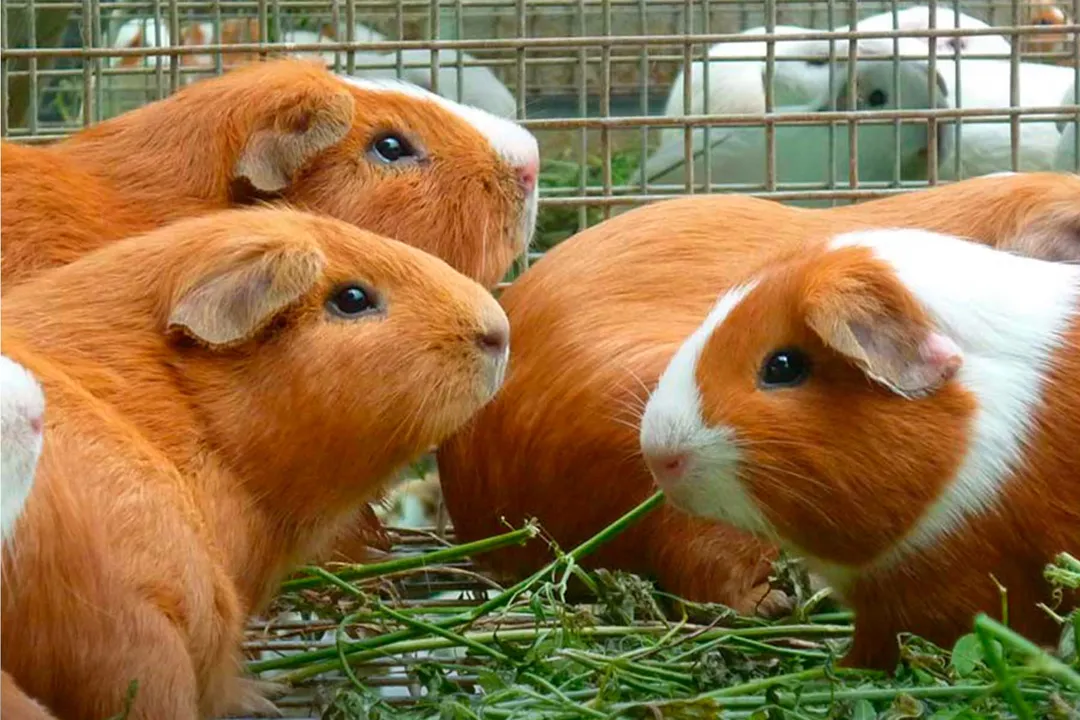
The text suggests that *cuy* farming often occurs in small-scale, family-run operations, meaning they are not usually subjected to the harshest conditions seen in large-scale industrial farming elsewhere.
Related Questions
When did the domestication of guinea pigs in the Andes begin, according to archaeological evidence?What is the specific culinary term used for the preparation where the guinea pig is flattened and deep-fried until crispy?What crucial function, besides providing protein, did the *cuy* serve for ancient Andean societies?If a Peruvian hears the term *cuy*, what context is most likely being referenced?What is the biological species name for the Peruvian guinea pig?What does the presence of *cuy* on the table during a major family event in Peru generally signal?In what forms of artistic expression does the *cuy* appear, cementing its status as an icon of the Andean world?What is noted as the single most defining characteristic separating the Peruvian guinea pig experience from the global one?What is the typical lifespan range reported for guinea pigs?In contrast to industrial farming elsewhere, how are *cuyes* often raised in Peru?