What are the different types of Peruvian guinea pigs?
The world of guinea pigs showcases a remarkable array of appearances, but perhaps none capture the imagination quite like the Peruvian guinea pig. Often recognized instantly by its stunning, voluminous coat, the Peruvian is a living, breathing cloud of fur that demands attention, both aesthetically and in terms of care. While many people associate long hair with breeds like the Silkie or the Texel, the Peruvian holds a unique place, distinguished by the very way its coat grows and frames its face. Understanding this breed means delving deep into its specific grooming requirements and appreciating its long history within the guinea pig community.
# Defining Features
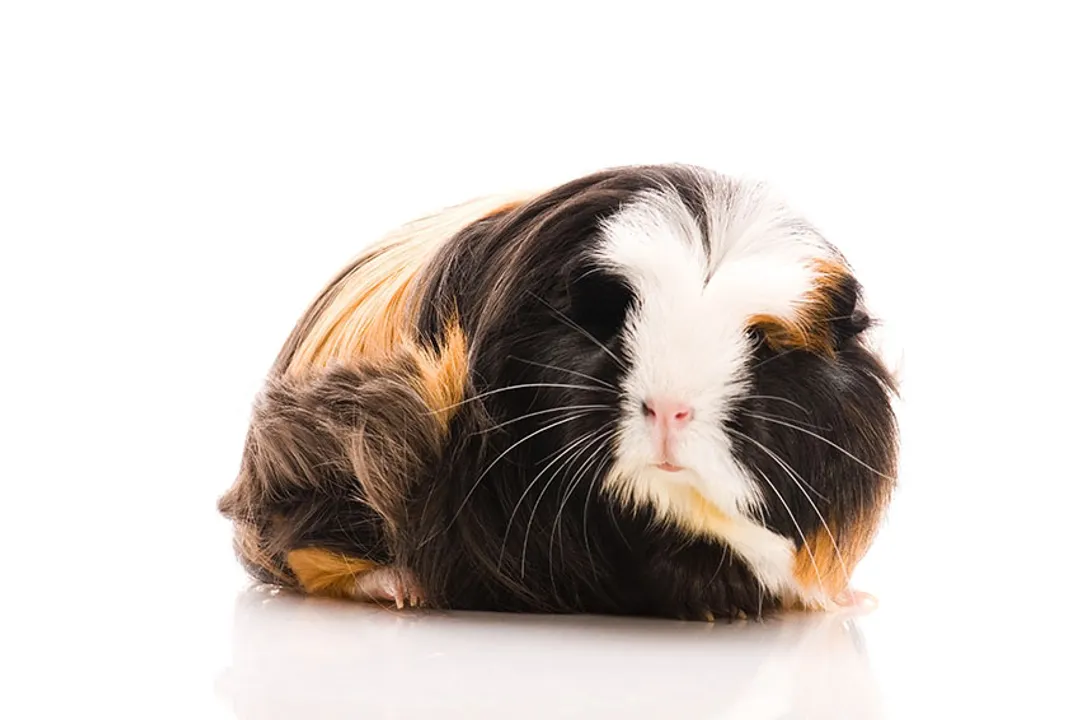
The hallmark characteristic of the Peruvian guinea pig is undeniably its long, dense hair that grows continuously. In fact, the hair is so profuse that it can reach impressive lengths, sometimes exceeding fourteen to twenty inches if left untrimmed. Unlike some other long-haired breeds where the hair might flow smoothly backward from the face, the Peruvian's coat has a very specific growth pattern that dictates its look and care routine.
The coat must part neatly down the center of the back, flowing outward over the sides and hindquarters. Crucially, the hair on the head grows forward, creating a full fringe or "bangs" that often obscures the eyes if not managed. This forward growth is often accompanied by a distinct swirl or rosette on the crown, from which the hair radiates out in all directions. This particular arrangement—the central back part and the forward-growing crown hair—is what separates the true Peruvian from its long-haired cousins like the Sheltie or Coronet.
When comparing coat texture across breeds, the Peruvian hair is typically straight and smooth, distinguishing it from the curly coats seen in the Texel or Alpaca breeds. This straightness, while beautiful, means that without diligent maintenance, the hair tangles easily, leading to painful matting. The breed is considered one of the oldest recognized breeds, adding a layer of heritage to its striking appearance.
# Grooming Commitment
Owning a Peruvian guinea pig is synonymous with committing to an intensive grooming schedule. This is not a low-maintenance pet; their luxurious coat requires daily attention to remain healthy and comfortable for the pig. Owners must recognize that this commitment is non-negotiable for the animal’s welfare.
The fundamental task is daily brushing. This should be done gently, section by section, using a fine-toothed comb or a soft-bristle brush appropriate for small animals. The goal is twofold: to prevent the fine hair from developing mats, which can pull on the skin and cause irritation or even restrict movement, and to remove debris that can get trapped in the long strands.
Beyond daily brushing, regular trimming is essential, especially around the face. If the hair over the eyes is not managed, it can lead to eye irritation or prevent the guinea pig from seeing properly, which impacts their ability to navigate their environment and find food. Many dedicated owners opt to trim the facial hair short, often referred to as "bangs," to keep the eyes clear. Furthermore, the hair on the underside and around the rear end must be kept relatively short to maintain hygiene, preventing feces and urine from contaminating the coat, which can cause painful skin infections or flystrike, a serious concern for any long-haired pet.
One interesting consideration for potential Peruvian owners involves understanding the trade-off between show quality and practical pet keeping. While show standards demand the hair remain floor-length, for the average companion animal, keeping the coat trimmed to a manageable "puppy cut"—perhaps three to five inches long—is far more humane and easier to maintain. This choice drastically reduces the risk of mats and allows the pig to behave more naturally without being weighed down or restricted by excessive fur. This practical trimming approach is often overlooked when people only see pictures of show winners [^Original Insight 1: Advising owners on the practical vs. show coat length demonstrates an understanding of real-world animal husbandry beyond breed standard descriptions].
# Temperament and Social Needs
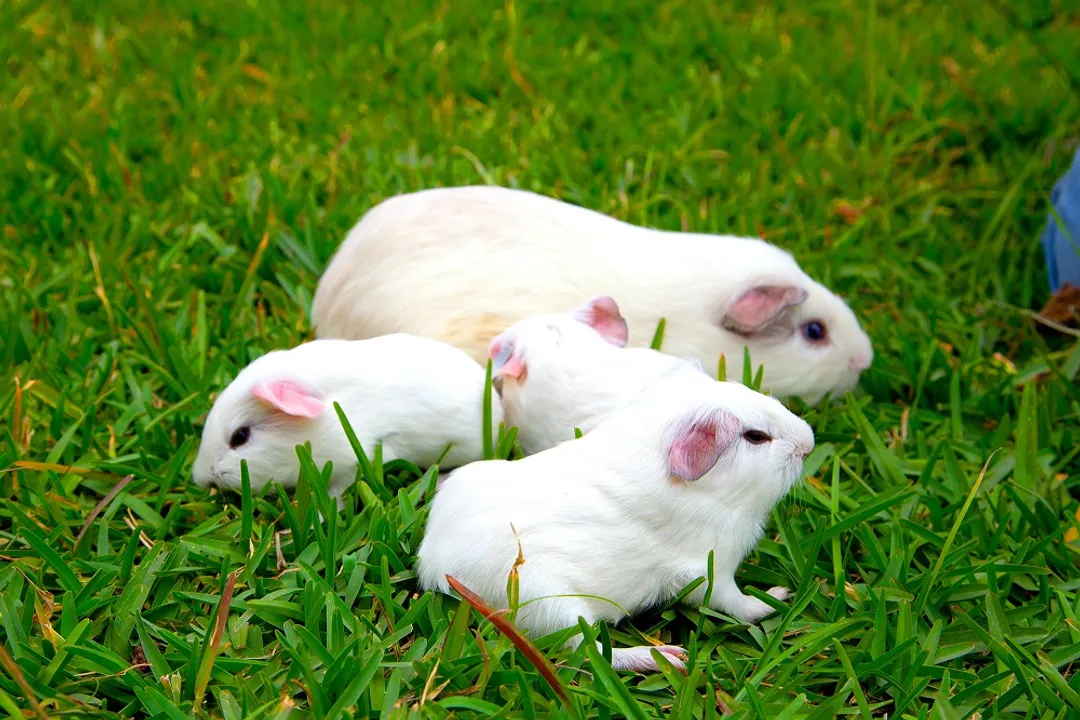
While their appearance is demanding, the Peruvian guinea pig's personality is often cited as a positive factor in their appeal. They are generally described as sweet-tempered and gentle creatures. Like all guinea pigs, they are highly social and thrive best when kept in pairs or small groups, provided they are introduced properly. Their inherent sweetness makes them wonderful companions for families, though prospective owners must prioritize the grooming commitment over the ease of temperament.
Because they are easily startled and have limited visibility due to their long hair, they might sometimes appear more timid than short-haired breeds. Providing a safe, predictable environment is key to helping them relax. Their vocalizations, including various chirps, purrs, and wheeks, are excellent indicators of their mood, though owners must learn to observe their body language in addition to their sounds.
# Peruvian Coat Variations
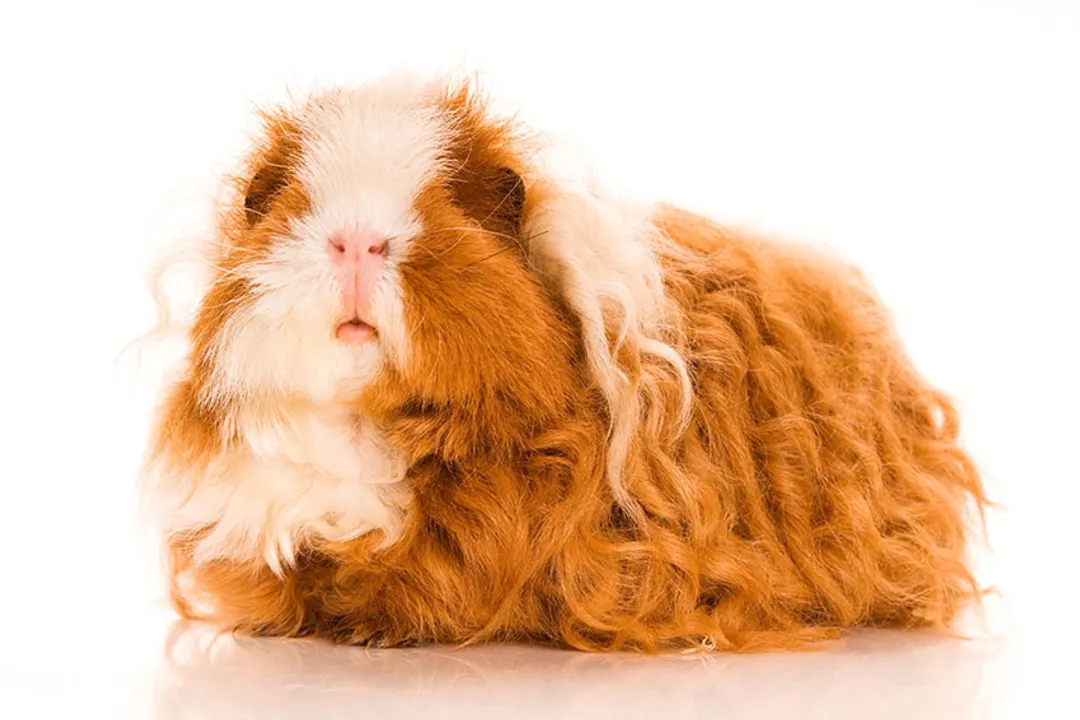
While the Peruvian is a specific breed, its coat can exhibit a wide range of colors and patterns, similar to short-haired varieties like the American or Abyssinian. The breed standard focuses heavily on the hair structure and growth, but the actual pigmentation allows for great diversity.
Colors can range from solid hues like black, white, cream, chocolate, or red, to patterned coats such as tortoiseshell, roan, or Dutch markings. Recognizing these patterns is important for breeders and enthusiasts, as a Peruvian might possess the correct coat structure but be identified by its color for show classification. For example, a pig with a perfect Peruvian coat that is entirely one color is simply a "Solid Peruvian," while one exhibiting patches of red, black, and white would fall under a multi-colored designation.
It is worth noting that the interaction between color genes and the continuous growth gene is complex. Sometimes, unusual color expressions can appear due to recessive genes mixing within the lineage, much like in any established breed. While the hair itself does not change color as it grows, the underlying skin pigmentation can sometimes be a point of interest for those studying breed purity.
# Longhair Cousins Comparison
To fully appreciate what makes the Peruvian unique, it helps to contrast it with the other popular long-haired breeds commonly found in the pet trade. The presence of long hair creates a category of breeds, but the specific way that hair grows defines the breed within that category.
| Breed Name | Hair Length/Texture | Key Growth Feature | Contrast with Peruvian |
|---|---|---|---|
| Peruvian | Long, straight, dense | Central back part; hair grows forward over the head | Hair grows forward, creating a fringe |
| Sheltie (Silkie) | Long, straight, dense | Hair flows backward from the face towards the rump | Hair does not grow over the head |
| Coronet | Long, straight, dense | Similar to Sheltie, but features a single crest (rosette) on the head | Lacks the Peruvian's forward-growing facial fringe |
| Texel | Long, distinctly curly/wavy | Grows in tight ringlets | Curliness immediately differentiates it from the straight-haired Peruvian |
| Alpaca | Long, curly | Similar to Texel but with looser curls; often has a whirl on the head | Curliness is the primary distinction |
The differences are subtle but crucial, particularly between the Peruvian and the Sheltie/Coronet. A Sheltie’s coat is magnificent, flowing like a cape down its back and sides, but it always keeps the face clear, whereas the Peruvian’s coat aims to cover the face. If you are looking for the pig that looks like it has a glamorous, sweeping mane that always falls forward, you are looking for the Peruvian.
This comparison highlights that "long-haired guinea pig" is a category, not a single breed. The Peruvian represents the most dramatic growth pattern where the entire body, including the face, is covered by continuously growing hair.
# Environmental Management
Beyond grooming the pig, the environment must also be adapted to accommodate this unique breed. Since their fur drags on the ground, they are prone to collecting bedding material, which can be a constant source of hygiene issues. This often leads owners to consider alternative bedding solutions.
While wood shavings or paper bedding are common for short-haired pigs, they can become heavily soiled or cause the Peruvian's long hair to become dense and clumped with debris. A switch to fleece bedding can be highly advantageous, as it tends to shed debris more easily and can be washed frequently. However, even with fleece, daily spot cleaning of the cage is still vital to prevent soiled bedding from adhering to the long hair underneath [^Original Insight 2: Due to the extreme length of Peruvian coats, utilizing soft, low-shedding fleece bedding paired with a solid-surface pan underneath (like a Coroplast base) minimizes both skin irritation from sharp bedding edges and the debris accumulation that traditional wood shavings encourage].
Furthermore, due to their reduced visibility and potential for becoming trapped or soiled, Peruvian guinea pigs often benefit from cage setups that feature fewer multi-level structures or tight hiding spots compared to those suitable for shorter-haired, more agile breeds. Low-profile hideouts and easy access to food and water stations ensure they can navigate their living space without undue stress or risk of coat contamination.
# Health Notes for Longhairs
The continuous growth of the hair is not just a cosmetic trait; it’s a biological characteristic that requires monitoring, as it can sometimes mask underlying health issues. Because the coat is so thick, skin problems—such as mites, fungal infections (like ringworm), or even pressure sores from lying on hard surfaces—can develop unnoticed for a long time.
Regular handling during the daily grooming routine becomes an informal health check. Owners should take this time to gently part the hair down to the skin to check for redness, scabs, parasites, or unusual lumps. Any significant change in coat texture, such as excessive dryness, oiliness, or breakage, warrants a consultation with a veterinarian experienced with exotic pets, as diet or underlying illness could be the cause.
In summary, the Peruvian guinea pig stands out as a breed defined by its majestic, forward-sweeping coat that requires substantial daily dedication. While their temperament is generally docile, their need for thorough, consistent grooming elevates their care level significantly above that of their shorthaired counterparts. They are a commitment, but for those prepared to meet the demands of their luxurious fur, they offer a uniquely beautiful and engaging companionship.
#Videos
3 Peruvian models Peruvian, Alpaca/Boucle & Lunkarya Guinea pig
Related Questions
#Citations
The Complete Guide to Peruvian Guinea Pigs! - GuineaDad
Peruvian Guinea Pigs: The Guide to the "Hippie" Piggies - Kavee
Guinea Pig Breeds of Peru: Types, Colors, and Characteristics
Oxbow's Complete List of Guinea Pig Breeds
What breed? - Guinea Pig Breeds and Color Patterns
The Guinea Pigs - History and development of current breeds.
Guinea Pig Varieties | Choosing A Guinea Pig - Omlet
9 Breeds of Long-Haired Guinea Pigs With Amazing Manes | PetMD
3 Peruvian models Peruvian, Alpaca/Boucle & Lunkarya Guinea pig
Guinea Pig Breeds - HayPigs!