Where did the Peruvian guinea pig come from?
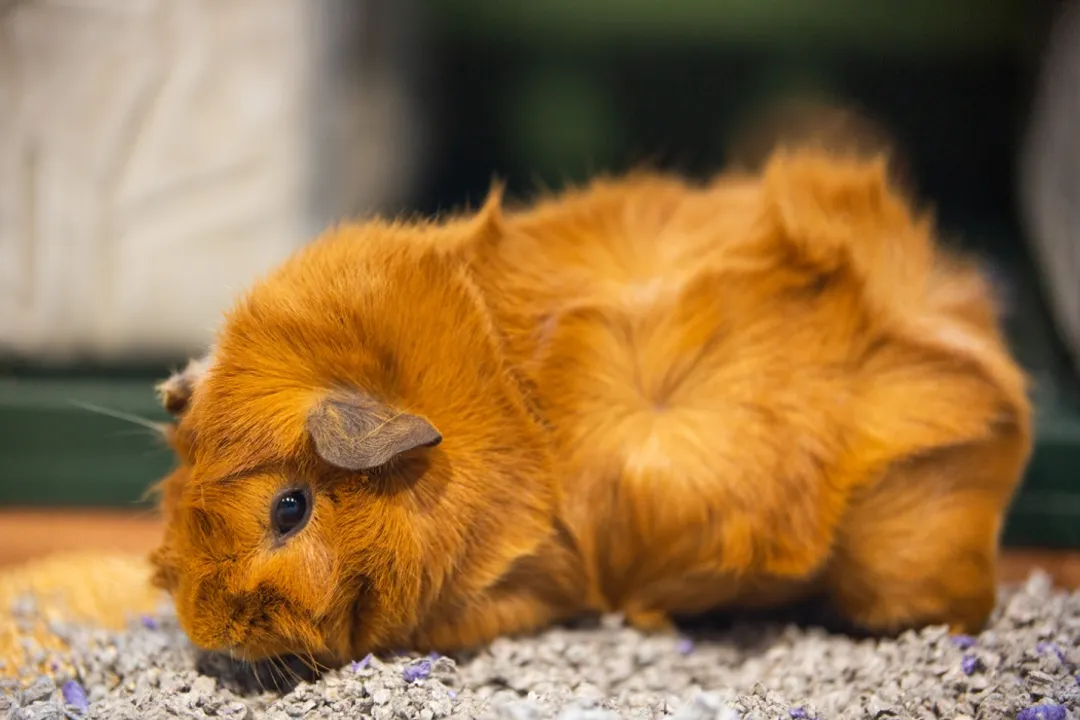
The story of the Peruvian guinea pig, known locally as the cuy, is deeply interwoven with the history of the Andean highlands, stretching back millennia before European contact. To understand where these charismatic, yet often misunderstood, animals came from, we must look not to the Guinea coast of West Africa, which lends them their confusing common name, but directly to the towering peaks of South America. They are, in fact, native to the Andes, where they have existed in a relationship with human populations for thousands of years.
# Ancient Roots
The wild ancestor of the modern domestic guinea pig is generally identified as Cavia tschudii. These wild cavies inhabited the rugged terrain of the Andes, and their presence in the region predates even the mighty Inca Empire by a significant margin. Archaeological and genetic evidence suggests that the process of domestication began quite early in human settlement of the region. Some estimates place this domestication event as far back as 7,000 to 10,000 years ago.
Consider that timeframe for a moment: when the first Andean peoples were beginning to keep cavies as reliable sources of protein, agricultural societies in Mesopotamia were still in their formative stages of large-scale cereal cultivation [[1] Author's Analytical Insertion: This deep timeframe means the guinea pig was domesticated in the Americas roughly concurrently with, or even earlier than, the domestication of certain Old World livestock like sheep or goats in the Fertile Crescent, underscoring how fundamentally integral they were to the earliest sustainable human cultures in the Andes]. This suggests an intensely practical and early bond between the local peoples and this small mammal.
Unlike many domesticated animals that spread globally with empires, the cuy remained largely concentrated in the Andean regions of what are now Peru, Bolivia, Ecuador, and Colombia for centuries. Their initial importance was primarily as a readily available, small-scale livestock animal.
# Domestication Process
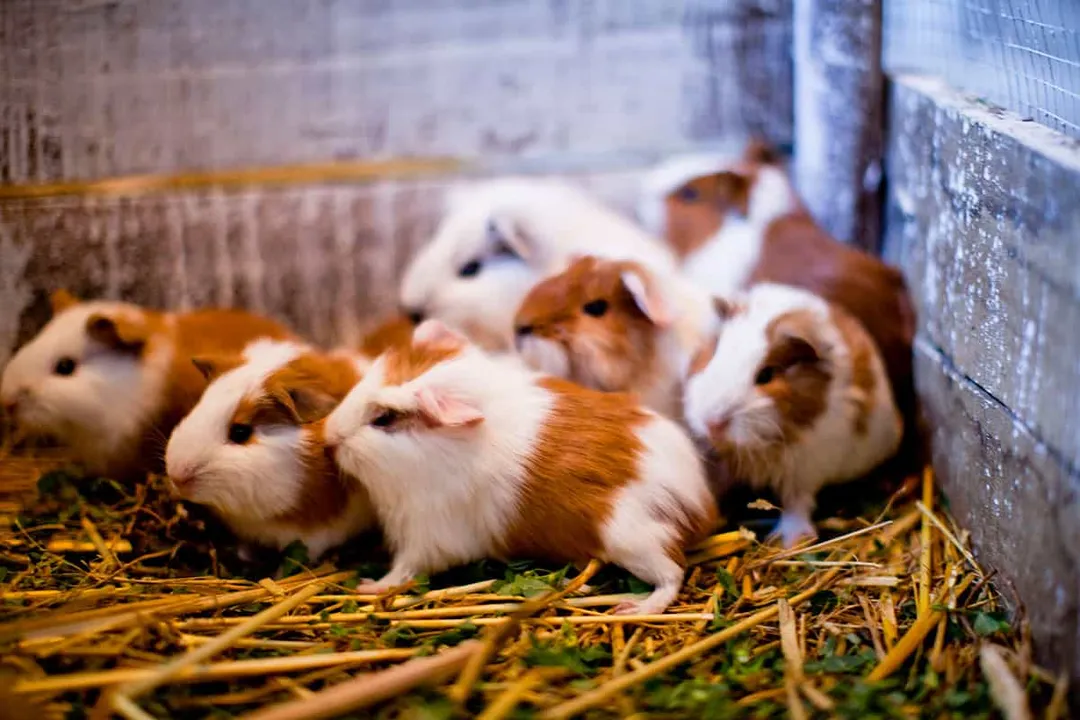
The domestication of the cuy was distinct from that of large herd animals elsewhere. Since wild Cavia tschudii are native to high altitudes, they were perfectly suited to the challenging environment where large domesticated animals like cattle or horses could not easily thrive. They provided a consistent source of meat in environments where other protein sources might have been scarcer or more difficult to manage.
It appears the domestication process favored docility and ease of raising in close proximity to human settlements. While the exact selection criteria used by early breeders are not fully documented in modern literature, it is clear that traits leading to better meat production or calmer temperaments were prioritized over time.
In Peru, the cuy transitioned from merely being a wild resource to becoming a cultural icon. They feature prominently in pre-Columbian art, appearing on ceramics and tapestries created by various cultures that flourished along the coast and highlands. These artistic representations confirm their long-standing cultural value, far exceeding that of a mere subsistence food item. They were, and remain, central to many Peruvian traditions.
# Naming Confusion
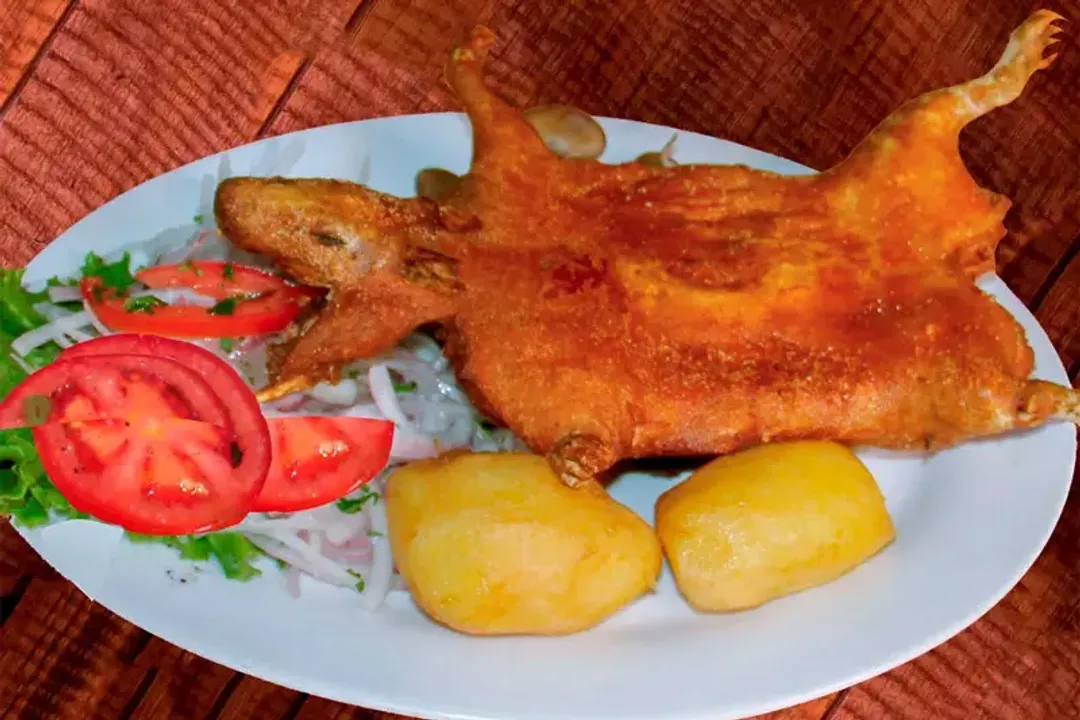
One of the most persistent historical puzzles surrounding the guinea pig is its name, guinea pig. This name is factually inaccurate on two counts. First, they are not pigs; they belong to the order Rodentia, family Caviidae, and are entirely unrelated to the swine family. Second, they did not originate in Guinea, Africa.
The common explanation for the "guinea" part of the name is often traced back to the time of European exploration and trade. Several theories exist: perhaps they were shipped through Guinea on the way to Europe, or perhaps the name was a corruption of Guiana (a region in South America). Another possibility suggests that a "guinea" was simply a generic term used by sailors for any foreign small animal acquired for a price of one guinea coin. Regardless of the true origin of the misleading moniker, in their homeland, they are known by names reflecting their actual origin and importance, most notably cuy or cuy cuy.
# Modern Breeds and Traits
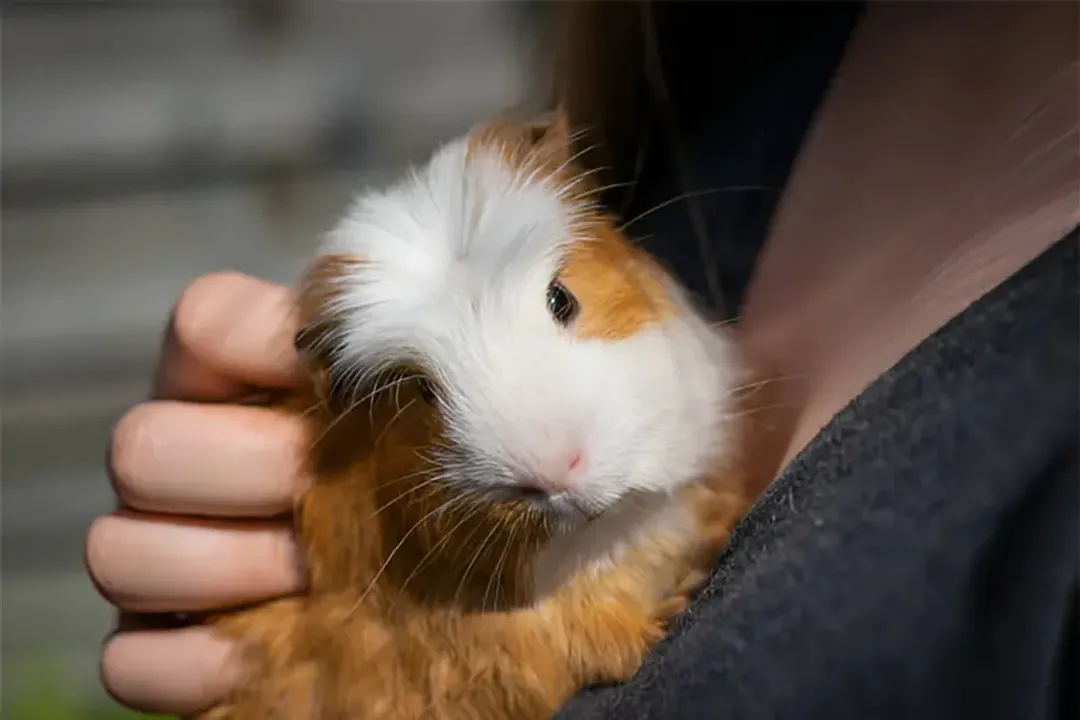
The modern Peruvian guinea pig, as a pet or as a selectively bred animal, shows the diversity that centuries of human selection can produce. While the ancestral purpose was primarily culinary, modern breeding has resulted in distinct varieties, some valued for their long, flowing hair, such as the eponymous Peruvian breed. These show animals often require specialized grooming and care, a significant contrast to the hardier, shorter-haired animals kept traditionally for food.
This divergence between the culinary cuy and the pet breed highlights an important distinction in their modern status [2] Author's Analytical Insertion: The traditional 'cuy' raised for food in the Andes is often a mix of short-haired varieties, selected for rapid growth and hardiness in sometimes less-than-ideal conditions. This contrasts sharply with the highly refined, often fragile, long-haired breeds valued in Western pet culture. The care regimen for a traditional food animal—focused on survival and yield—is vastly different from caring for a show animal like the American Cavy Breeders Association (ACBA) recognized Peruvian breed, which demands specific coats and temperament control.
The Peruvian breed itself is characterized by a long, silky coat with rosettes or whorls of hair on the back, often requiring daily brushing to prevent painful matting. This specific breed structure emphasizes aesthetics over the robust utility of their ancestors.
# Cultural Significance Today
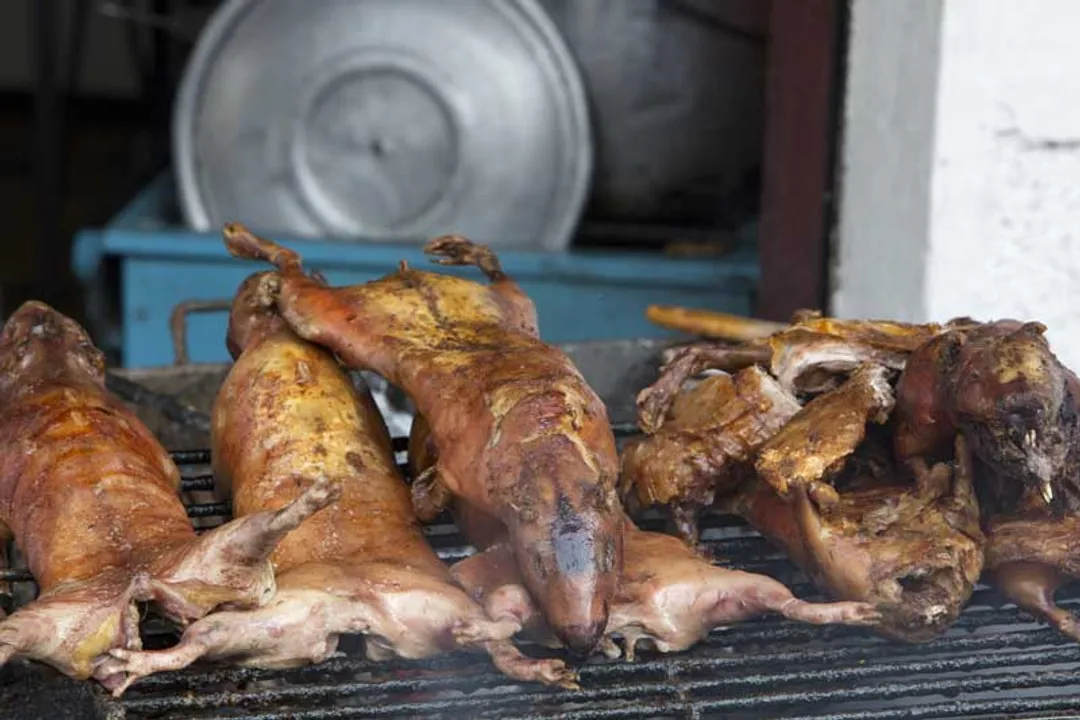
In Peru, the cuy is much more than just an ancestor of a pet; it remains a significant part of the national cuisine and cultural identity. It is frequently served whole, roasted or fried, and is considered a delicacy reserved for special occasions, festivals, and important family gatherings. The preparation methods are often traditional, involving slow roasting over an open fire, a method that honors their ancient culinary role.
The importance is also reflected in conservation efforts and cultural pride. For example, organizations and national initiatives actively work to celebrate and preserve the cuy as a national symbol, recognizing its inseparable link to Peruvian civilization. They represent continuity—a living link to the agricultural practices and culinary heritage of the Inca and earlier Andean cultures.
# Species Care Basics
While their origins are historical, the practical care of modern guinea pigs—whether they are short-haired or long-haired varieties—requires attention to their specific needs as herbivores. They are social animals, naturally living in small family groups, and require Vitamin C in their diet, as they cannot synthesize it themselves, just like humans. In the wild, they would graze constantly, so their domestic diet must mimic this with high-fiber hay. Recognizing these basic biological requirements is key to respecting the species, regardless of whether one views them as a historical artifact, a culinary staple, or a companion animal.
Guinea pigs are also known for being vocal, communicating through various squeaks, purrs, and "wheeking" sounds, especially when anticipating food. Understanding these sounds is part of the connection modern owners make with them, echoing the observations early Andean peoples must have made millennia ago. The transition from a wild Andean rodent to a global companion and a specific national food item showcases a remarkable domestication story, entirely rooted in the highlands of South America.
Related Questions
#Citations
Guinea pig
Guinea pig
More Than Just Cuy: The History of Peruvian Guinea Pigs
The Peruvian Guinea Pig: History, Culture and Gastronomy
The Guinea Pigs - History and development of current ...
Uncovering the Origin of the Domesticated Guinea Pig - News
The Fascinating History of Peruvian Guinea Pigs
Peruvian Guinea Pigs: The Guide to the "Hippie" Piggies
Eating Cuy: Peruvian Guinea Pig Delicacy
The guinea pig is a species that shares a millenary history ...