What makes Peruvian guinea pigs unique?
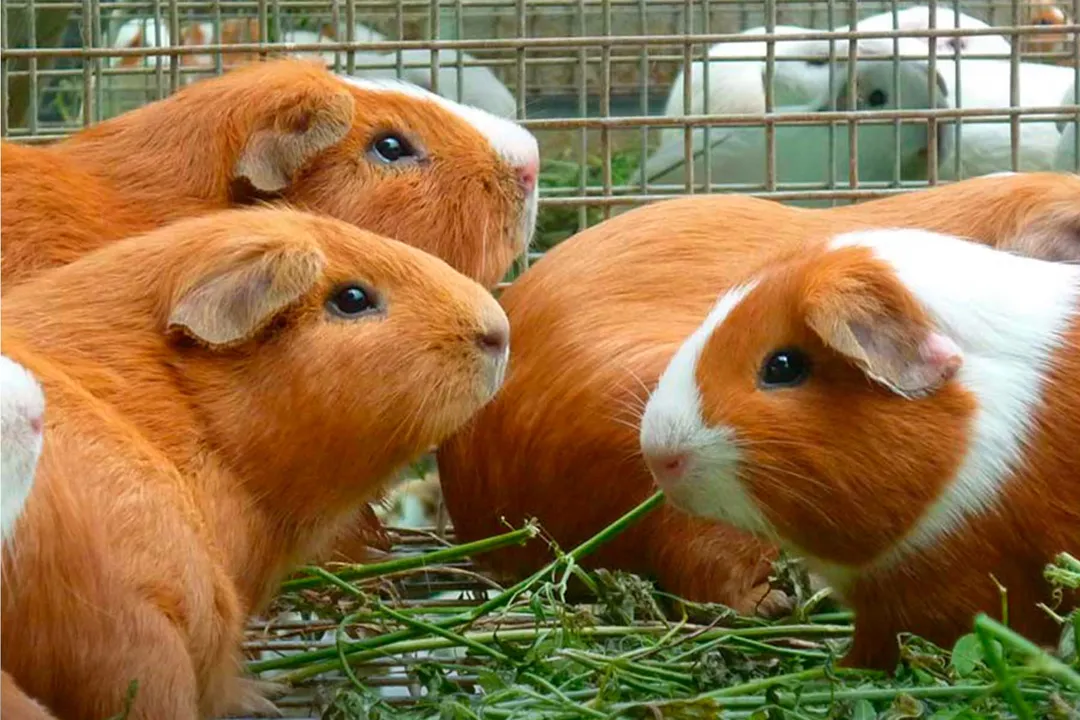
The common perception of a guinea pig often involves a small, fluffy pet scurrying around a cage, perhaps in North America or Europe, but in Peru, the cuy, or guinea pig, carries a weight of history and cultural significance that sets it distinctly apart. For many outside the Andean region, these animals are strictly companions, yet within Peru, they occupy a unique and multifaceted position, spanning from the sacred to the celebratory. This deep integration into the social fabric is perhaps the single most defining characteristic separating the Peruvian guinea pig experience from the global one.
# Ancient Roots
The story of the Peruvian guinea pig is intrinsically linked to the history of the Andes Mountains themselves. These creatures are not recent imports; rather, they are native inhabitants whose domestication predates the Inca Empire by thousands of years. Archaeological evidence suggests that guinea pigs were first domesticated in the highlands of the Andes, specifically in regions of Peru, Bolivia, and Ecuador, around . This incredible antiquity makes the cuy one of the oldest domesticated animals in South America, long before the arrival of Europeans and their livestock.
The relationship between the ancient Andean peoples and the cuy was profound. Unlike their modern roles as simple pets, these animals served crucial functions within the early societies. They were a primary source of protein, essential for survival in the challenging mountain environment. Furthermore, the historical evidence points towards a role in religious and ceremonial life. Artifacts and iconography from various pre-Columbian cultures frequently depict guinea pigs, suggesting they were highly valued entities, not merely livestock.
This historical depth means that when a Peruvian person interacts with a guinea pig, they are connecting with a tradition that stretches back millennia, long associated with the rise and fall of powerful empires in the region. This legacy establishes an inherent respect for the animal that is often missing in cultures where they are only recently introduced as exotic novelties or simple caged pets. The cuy is a living piece of tangible Andean heritage.
# Culinary Status
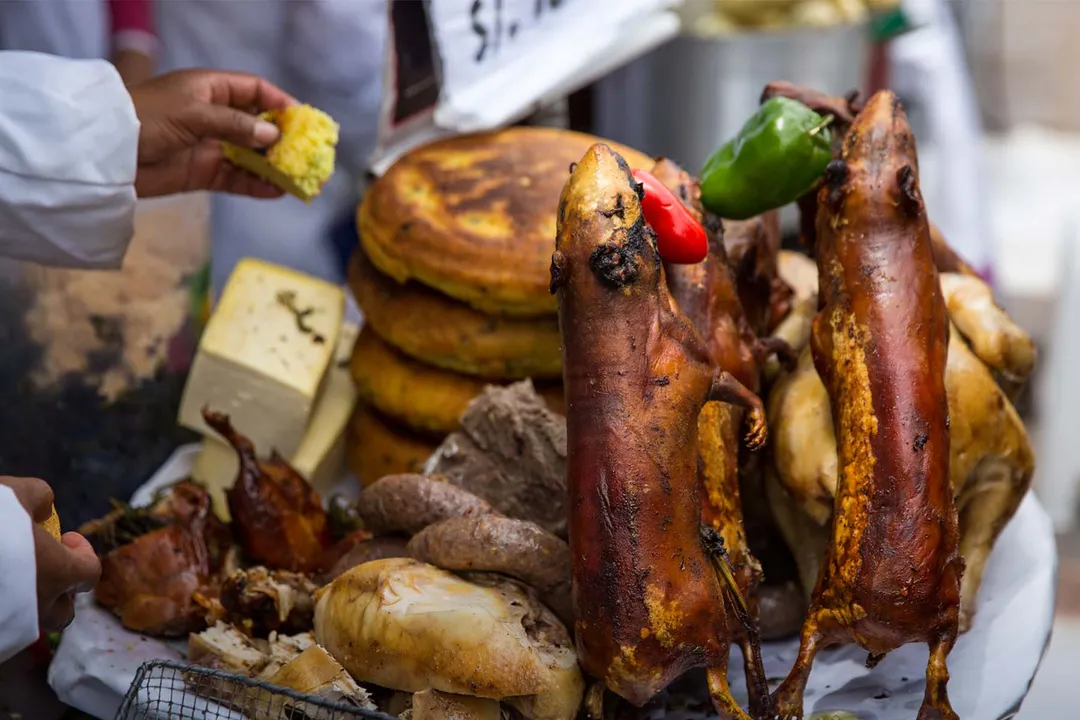
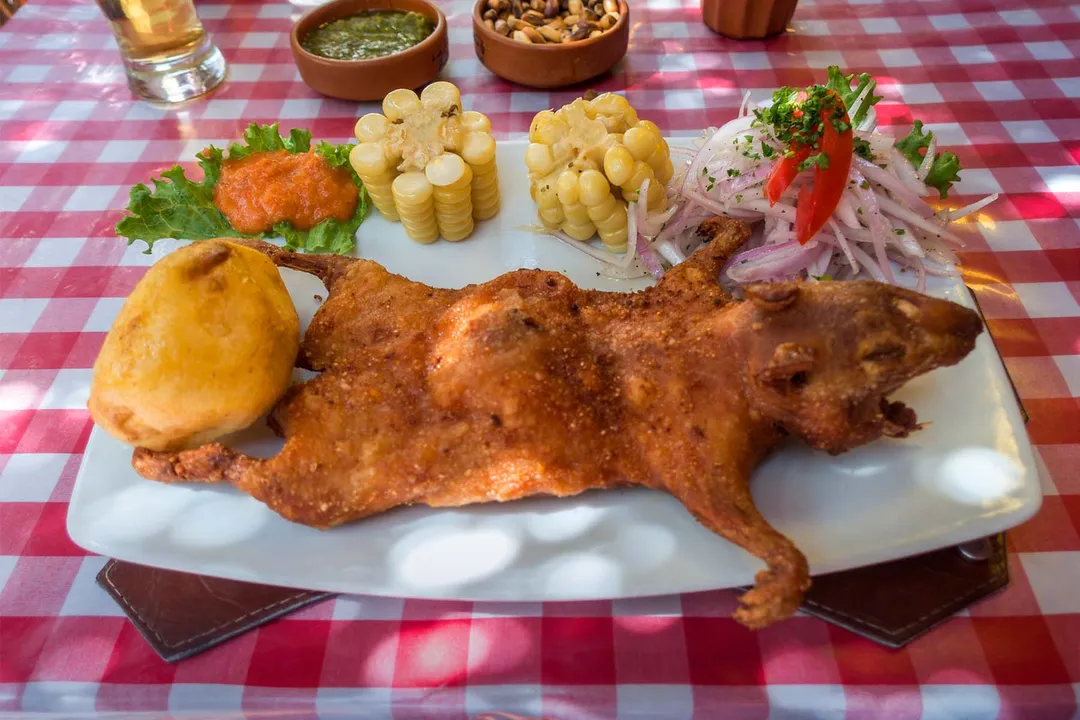
The most striking difference for outside observers is the cuy's role as a staple of Peruvian gastronomy, particularly during significant events. In many Western contexts, the idea of eating a guinea pig is deeply unsettling, given its status as a cherished household pet. However, in the Peruvian highlands, cuy is considered a delicacy, a special occasion meal reserved for important celebrations, holidays, and welcoming honored guests.
The preparation methods are varied, though perhaps the most famous presentation involves roasting the entire animal. The term used for the culinary preparation is cuy chactado (or cuy chactado), where the guinea pig is flattened and deep-fried until crispy. Other preparations include grilling or baking, often served whole with its skin intact, showcasing the animal in its entirety. This presentation is a clear marker of respect for the animal's cultural value, ensuring that its significance is acknowledged even on the plate.
Considering the economics and local context, the preparation of cuy for a major family gathering is an investment, transforming it from common subsistence food into a marker of status and festivity. If you were to visit a family in the Cusco region for a major baptism or wedding, the presence of cuy on the table signals the importance of the occasion to the hosts. This contrasts sharply with the pet-owner dynamic common elsewhere. For instance, while a typical pet owner might spend money on specialized toys and premium pellets for their companion animal, a Peruvian family might view the raising and eventual serving of a cuy as contributing a high-value, culturally significant food item to their most important gatherings. This divergence in purpose—companion versus cuisine—creates two entirely different relationships with the same species.
# Domestication Differences
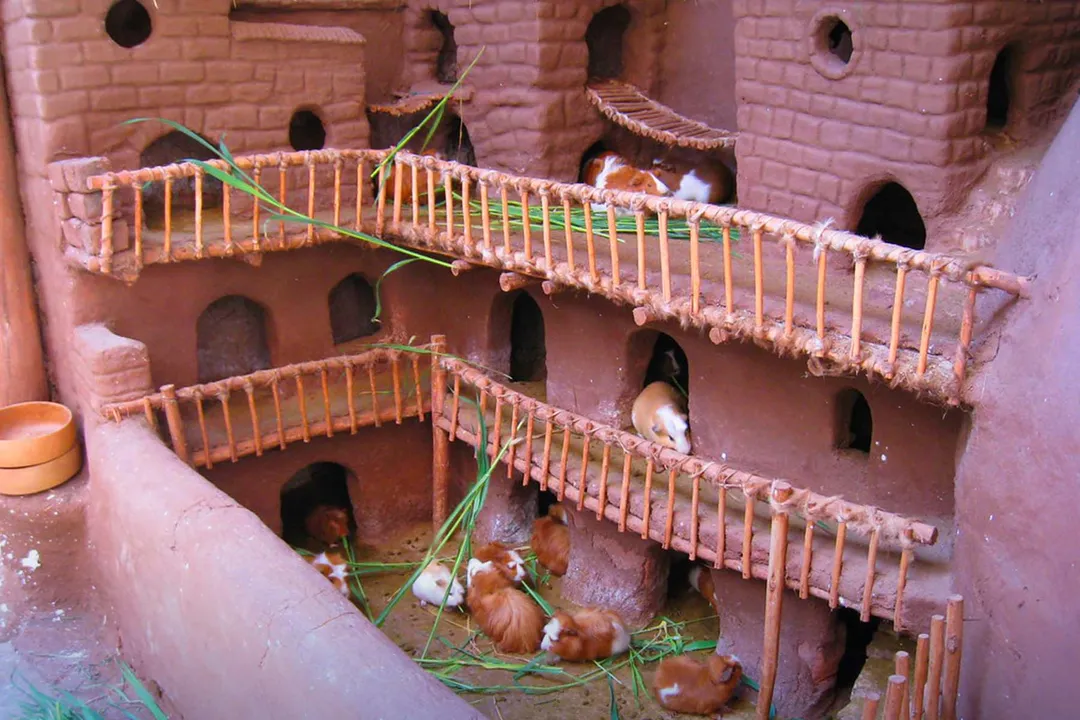
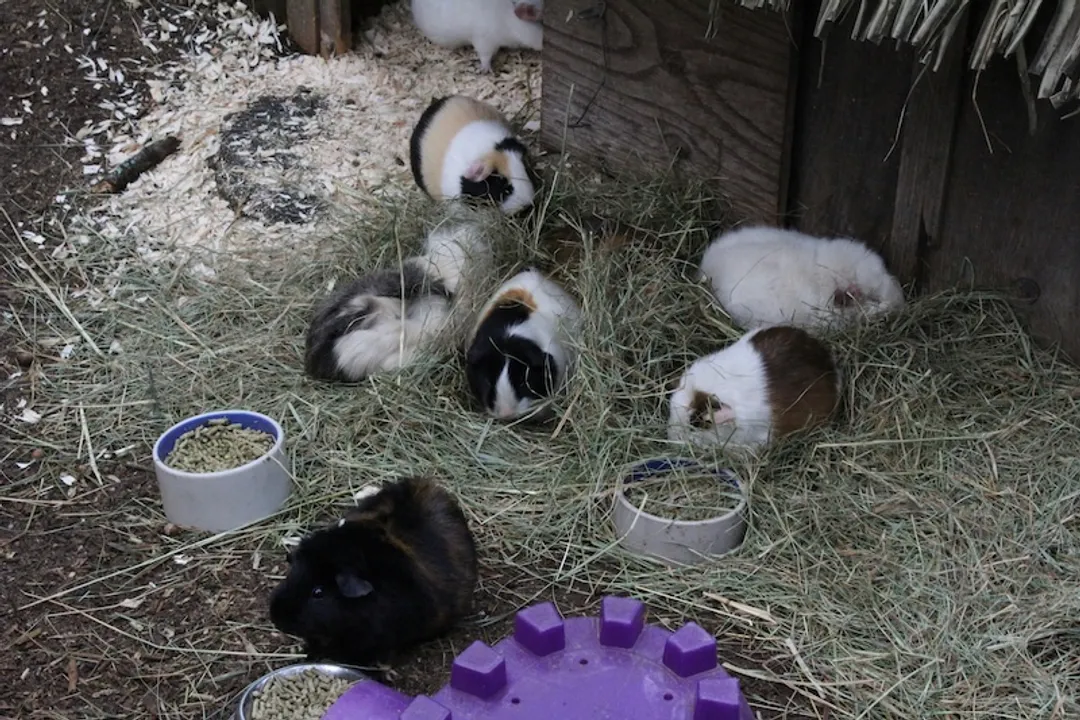
While the cuy is revered in Peruvian cuisine, it simultaneously exists in a less formalized pet capacity, which further highlights the uniqueness of the Peruvian situation. It is important to note that the guinea pigs raised for food are often kept in specific conditions, sometimes semi-wild or in designated hutches, intended for consumption rather than intimate companionship.
In contrast, the animals kept as pets in Peru, similar to elsewhere, are bred for temperament and appearance. While there is not extensive documentation distinguishing the specific breeds kept as pets versus those raised for food within these sources, the key difference lies in intention. A family might keep a few cuyes in their home for companionship—much like anywhere else in the world—while concurrently raising others specifically for their ceremonial food source. This parallel existence challenges the typical binary understanding of the animal's role.
Moreover, the sheer scale of cuy farming in Peru speaks to their domestic importance beyond the pet trade. They are farmed actively across the country, supporting local economies and ensuring a supply for traditional markets and restaurants. Some sources even point out that they are very well-cared for during their raising period, often housed in clean environments, which speaks to the cultural value placed on them, whether as future food or as a domestic animal. They are known to be gentle creatures, often making good companions, but their utility in Peruvian culture has historically outweighed the modern trend toward purely companion animals.
# Physical Traits and Types
From a purely biological perspective, the Peruvian guinea pig belongs to the species Cavia porcellus. They are generally small rodents known for their relatively short lifespan, typically ranging from five to seven years. They are herbivores whose natural diet consists of grasses, hay, and fresh vegetables. In terms of general characteristics, they are social animals, preferring to live in groups.
While the provided information focuses more on the cultural uniqueness, it is worth noting that general physical descriptions often mention their varied coat types and colors. In the context of pets globally, people often select for specific traits like long, silky hair or smooth, short coats. In Peru, the primary selection factor for food animals historically related to size and meat yield, though pet ownership would certainly involve aesthetic choices, much like anywhere else. The animal's domestic nature is reflected in its inability to survive long in the wild, relying entirely on human care for food and protection.
# Beyond the Pet Store Shelves
What truly sets the Peruvian guinea pig apart is the rich tapestry of symbolism woven around it. It is not merely an exotic meat or a cute rodent; it is a cultural artifact. The animal has been integrated into artistic expression, appearing in textiles and pottery, further cementing its status as an icon of the Andean world. This level of artistic inclusion is rare for livestock and points to a deep-seated, almost spiritual reverence that has survived modernization.
If you consider the commonality of guinea pigs in other South American countries, Peru remains a central figure in their cultural narrative. While they are eaten elsewhere, the scale and ceremonial nature of the cuy tradition in Peru appear unmatched, making it an unexpected culinary star in their national identity. For travelers, encountering cuy is often a moment of reckoning—a point where the abstract understanding of a different culture meets the very tangible reality of its traditions.
For anyone researching these animals, it is helpful to remember that the word used often dictates the context. If you hear cuy, you are likely discussing food, history, or heritage; if you hear the more general term "guinea pig," the context might lean toward companionship or biology. Understanding this linguistic and cultural split is key to appreciating the full spectrum of this animal’s life in Peru. The Peruvian cuy offers a unique case study in how a single, small mammal can simultaneously embody sustenance, celebration, and ancient history, all within the boundaries of one nation.
# Raising Practices
The way these animals are raised often reflects their intended future. In farm settings, the focus shifts to efficient husbandry aimed at producing healthy, sizable animals. Farmers recognize that proper care leads to better quality meat, reinforcing a respectful approach even within an agricultural context. This involves providing suitable housing, protection from harsh elements, and consistent feed.
It is interesting to contrast the commercial farming techniques with the care given to companion animals internationally. While international pet care standards emphasize enrichment, specialized diets, and immediate veterinary attention for illness, farming standards prioritize sustainability and yield. Yet, the Andean tradition seems to strike a balance: the cuy is respected enough that it is not treated as a mere commodity animal subjected to the harshest conditions often seen in large-scale industrial farming elsewhere. They are typically kept in small-scale operations, often family-run, which allows for closer monitoring and, arguably, better welfare during their rearing period than might be expected. The sheer number of hands that interact with these animals, from raising to preparing, ensures that the cuy remains a very present and familiar part of daily Peruvian life, far more so than in cultures where they are purchased pre-packaged from a distant breeder or large supplier.
# In Summary
The uniqueness of the Peruvian guinea pig is less about its genetic makeup—which is shared with pets worldwide—and more about its irreplaceable cultural function. It is an animal simultaneously occupying the roles of national delicacy, historical totem, and household pet. From its ancient origins in the high Andes, serving as a reliable food source for early civilizations, to its current place adorning celebratory tables across the country, the cuy embodies a continuous, living link to Peru's past. This enduring, multi-faceted relationship ensures that the Peruvian guinea pig remains far more than just a small, furry rodent; it is an icon of cultural identity.
Related Questions
#Citations
Fun Facts About Peruvian Guinea Pigs - Encuentros Peru Adventure
Fascinating Facts About the Peruvian Guinea Pig Cuy Revealed
The Fascinating History of Peruvian Guinea Pigs - Happy Gringo Tours
Peruvian Guinea Pigs: The Guide to the "Hippie" Piggies - Kavee
Peruvian Guinea Pig (Cuy): A Cultural Icon of the Andes
What is Cuy Guinea Pig? — The unexpected star of Peruvian Cuisine
Peruvian Guinea Pig: Tradition, Culture, and Cuisine Unveiled
Peruvian Guinea Pig Facts & Photos - Wowzerful
Peruvian Guinea Pig Animal Facts - Cavia porcellus