How does the chinchilla's potential captive lifespan compare to common smaller rodents like hamsters or mice?
Answer
Chinchillas can live for 15 to 20 years, suggesting a much longer commitment than typical caged rodents
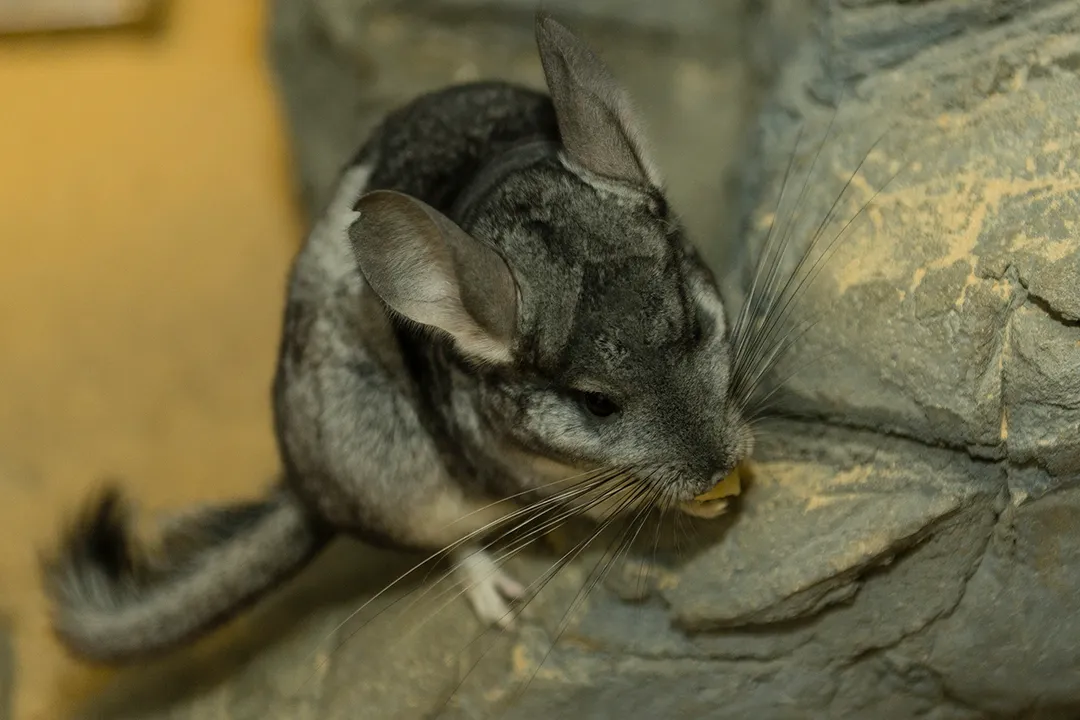
One significant way that chinchillas differ from many other popular pet rodents, such as mice, rats, or hamsters, is their remarkable longevity in a captive environment. While many smaller rodents have relatively short lifespans, the chinchilla has the potential to live for an extended period, typically cited as 15 to 20 years. This extended lifespan means that prospective owners must be prepared for a long-term commitment, potentially comparable to that required for a dog or cat, rather than the shorter commitment often associated with other small, caged animals.
Related Questions
What specialized dentition defines the chinchilla's membership in the order Rodentia?Why must owners avoid water bathing the chinchilla due to its hyper-dense fur structure?Which defining feature confirms the chinchilla's classification within the class Mammalia?What is the required dry alternative for grooming the chinchilla's hyper-dense coat?Which of the two recognized living *Chinchilla* species is most commonly found in domestic settings?What primary dietary characteristic must a chinchilla's diet maintain due to its herbivorous nature?How does the chinchilla's potential captive lifespan compare to common smaller rodents like hamsters or mice?What specific environmental factor, linked to their Andean origin, poses a hidden health risk for chinchillas?To which family within the order Rodentia does the chinchilla belong, which also encompasses viscachas?What historical event, driven by a unique mammalian adaptation, severely threatened wild chinchilla populations?