Are flying squirrels considered rodents?
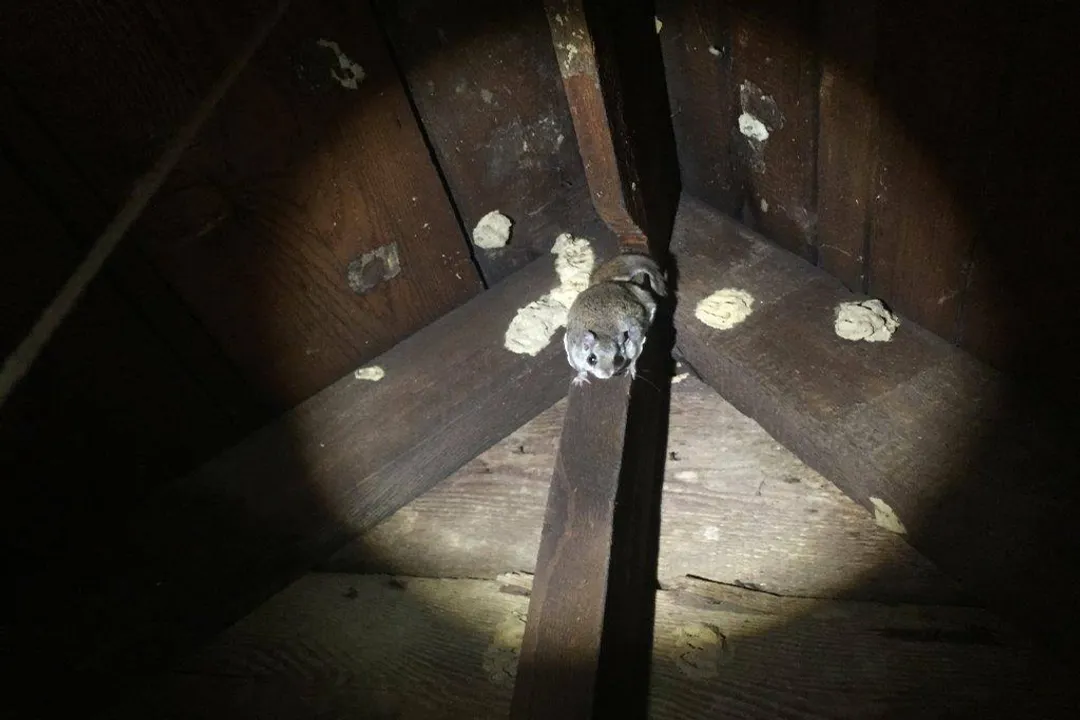
The classification of flying squirrels immediately places them within one of the largest and most diverse mammalian orders, firmly establishing their credentials as members of the Rodentia order. [1][5] This classification is not merely a matter of semantics; it roots them genetically and physically alongside common animals like mice, rats, beavers, and, perhaps more familiarly, their non-gliding squirrel cousins—the tree squirrels and ground squirrels. [5][1] To understand why a creature capable of gliding through the air is grouped with burrowing or climbing animals, one must look past the spectacular adaptation of flight and focus on the fundamental dental and skeletal architecture shared by all rodents. [5]
# Shared Traits
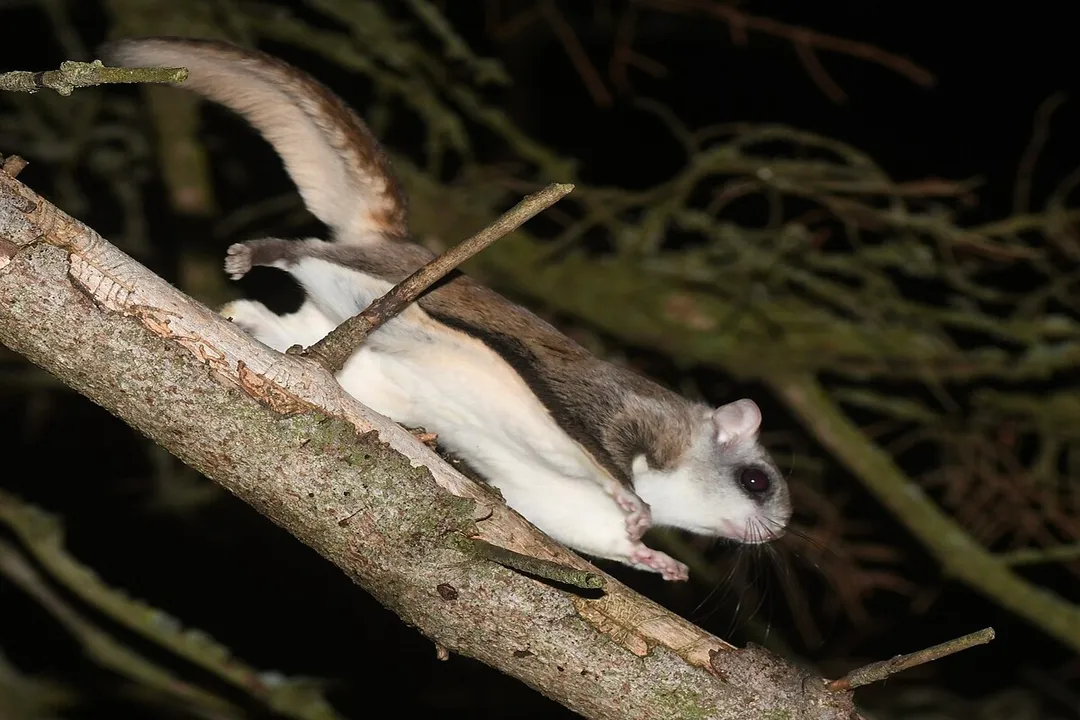
The defining characteristic that lumps flying squirrels into the Order Rodentia is their teeth, specifically their incisors. [5] All true rodents possess a single pair of continuously growing, chisel-like upper incisors and a single pair of lower incisors. [5] These incisors must be constantly worn down through gnawing, which is a behavior exhibited by all members of the order, including the gliding specialists. [5] This dental arrangement is a signature of the group, distinguishing them from mammals in other orders like the Lagomorpha (rabbits and hares). [5]
Furthermore, flying squirrels belong to the family Sciuridae. [1][5] This family encompasses all true squirrels. [1] Therefore, taxonomically, a flying squirrel is a squirrel, and since all squirrels are rodents, the answer to the central question is an unequivocal yes. [1][5] They share the common lineage and basic body plan of squirrels, differing primarily in a specialized mode of locomotion that evolved to exploit the arboreal environment in a unique way. [1]
# Gliding Mechanism
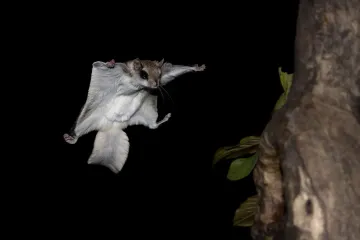
What distinguishes flying squirrels from their numerous relatives within the Sciuridae family is their remarkable ability to glide, not true powered flight like bats. [1][5] This aerial feat is made possible by a furry, parachute-like membrane of skin called the patagium. [1][5] This membrane stretches from the animal's front wrist to its hind ankle. [1] When the animal leaps from a high point, it spreads its limbs, stretching the patagium taut and creating a wide surface area to catch the air, allowing it to glide distances that can sometimes exceed 200 feet. [1]
This gliding ability is an evolutionary divergence within the squirrel family, not a separate evolutionary branch that excludes them from the rodent definition. [1] While this adaptation is stunning, it requires significant coordination, involving the adjustment of the tail and limbs to steer the descent, helping them precisely target landing spots on tree trunks. [1] It is an adaptation for efficient travel between distant trees, not a mechanism for sustained flight, a crucial distinction when comparing them to organisms like bats, which are not rodents. [1]
# Nocturnal Lifestyles
Another significant feature separating many flying squirrels from their more commonly observed tree squirrel counterparts, such as the Eastern Gray Squirrel, is their activity cycle. [2] Most flying squirrel species are strictly nocturnal. [2] They spend the daylight hours sleeping in tree cavities or abandoned bird nests. [2] This nocturnal habit often means that many people living near healthy populations of flying squirrels may never actually see them, even if they live close to an active nesting site. [2] This contrasts sharply with the diurnal habits of many other North American squirrels. [2]
The Northern Flying Squirrel (Glaucomys sabrinus), for example, is often active from dusk until dawn, foraging for its varied diet. [8] Their large eyes are an adaptation to this low-light existence, providing excellent night vision. [2] This lifestyle difference is an ecological niche separation, allowing them to coexist in habitats shared with diurnal squirrels without direct daily competition for the same resources at the same time. [2]
# Species Diversity
The term "flying squirrel" actually encompasses numerous species across the globe, divided into two main subfamilies: Pteromyinae (Old World) and the Glaucomyiinae (New World). [1] In North America, the most commonly discussed species include the Southern Flying Squirrel (Glaucomys volans) and the Northern Flying Squirrel (Glaucomys sabrinus). [2][8]
The differences between these species are subtle to the casual observer but important ecologically. The Northern Flying Squirrel, for instance, generally prefers mature coniferous or mixed-wood forests and has a wider geographic range, often found in northern latitudes and high elevations. [8] The Southern Flying Squirrel tends to favor deciduous forests. [2] Understanding which species is present is key for wildlife managers or homeowners, as their habitat preferences and nesting behaviors can differ slightly. [8] Their diets are also quite varied, consisting of nuts, seeds, fungi, lichens, insects, and sometimes even bird eggs. [8]
An interesting ecological consideration emerges when comparing the dietary strategies of diurnal squirrels versus their nocturnal, gliding cousins. While tree squirrels often rely heavily on cached hard mast (like acorns) that they bury during the fall for winter sustenance, the Northern Flying Squirrel relies significantly on underground food sources, particularly hypogeous fungi (truffle-like fungi). [8] This difference suggests that flying squirrels may play a more significant role in the subterranean nutrient cycling of the forest floor, as they dig for these items, potentially aiding spore dispersal in ways that purely arboreal foragers do not. [8] This deep reliance on fungal networks highlights an underappreciated aspect of their role within the rodent order that centers around forest health, not just seed dispersal.
# Interaction with Human Structures
Because flying squirrels utilize tree cavities for nesting, they sometimes seek out similar sheltered spaces in human-made structures. [9] When this occurs, they may take up residence in attics, chimneys, or wall voids, often leading to calls for professional wildlife management. [6][9] While they are naturally shy and avoid confrontation, their presence can lead to concerns about noise, odors, and potential damage, similar to other small mammals found in human habitats. [6]
It is vital to distinguish the management approach for flying squirrels from that used for typical urban pests like rats or house mice, even though they share the rodent classification. [7] Rats and mice are often associated with different sanitation risks and may require more intensive extermination methods depending on local regulations and infestation levels. [7] Flying squirrels, conversely, are generally viewed more as nuisance wildlife than public health threats in the way that some commensal rodents are. [6][7] Organizations focused on wildlife often emphasize humane exclusion and relocation for flying squirrels rather than lethal control, given their ecological value and protected status in many areas. [6] Effective management hinges on sealing entry points after confirming the animals have left the attic, often after dusk, rather than trapping them during the day when they are hidden. [9]
# Evolutionary Placement within Rodentia
If we view the Order Rodentia as a massive, sprawling tree, the Sciuridae family sits on one large branch. [5] Within that branch, the flying squirrels occupy a distinct twig characterized by the patagium. [1] Their evolutionary separation from ground squirrels and tree squirrels likely occurred millions of years ago, driven by selective pressures favoring efficient long-distance travel in mature, continuous forest canopies. [1]
Imagine a scenario in a dense, old-growth forest where the canopy is continuous but gaps exist between the very tallest trees. For a squirrel to cross a significant clearing, a short, risky leap might result in a fall or exposure to predators on the ground. Developing a glide mechanism offers a survival advantage by allowing rapid, low-risk traversal over these canopy gaps. This specialization illustrates the incredible adaptability within the rodent group; they can conquer almost any niche, from subterranean life to gliding through the air, all while retaining that fundamental dental structure. [5][7]
For local observers or citizen scientists interested in distinguishing between the different types of squirrels encountered in their backyard, a helpful, non-invasive observation method centers on timing and sound. While diurnal squirrels are heard chattering and visible foraging during the day, the primary indicator of flying squirrel presence, other than direct sighting, is the distinct sound of their landing—often a soft thud or scratching noise high up in a tree trunk shortly after twilight begins. If one frequently hears rustling in the attic at 11 PM but never sees the culprit during the day, the probability leans strongly toward a flying squirrel, differentiating the experience from a daytime infestation by gray squirrels. [2][8] This behavioral fingerprint helps confirm the presence of the nocturnal glider versus its diurnal relatives without requiring complex trapping or identification.
Ultimately, their status as rodents is undeniable, rooted in their ancient dental plan. [5] Their celebrity status, however, comes from their unique, membranous adaptation for aerial travel, placing them in a category all their own within the familiar family of squirrels. [1] They represent a testament to how successful and diverse the rodent blueprint can be when subjected to evolutionary pressure in specialized environments. [5]
Related Questions
#Citations
Flying squirrel - Wikipedia
Flying Squirrels | National Wildlife Federation
How adorable Northern flying squirrel in North America, They are
Flying Squirrel Control: Trapping & Removal Service
Flying squirrel | Habitat, Adaptations, & Facts - Britannica
Flying Squirrels in the house - Prudential Pest Solutions
Are squirrels considered rodents? Should we try to deal with them ...
Northern Flying Squirrel | EEK WI
Flying Squirrel Types, Diet & Habitat | Study.com