Is a flying squirrel a mammal?
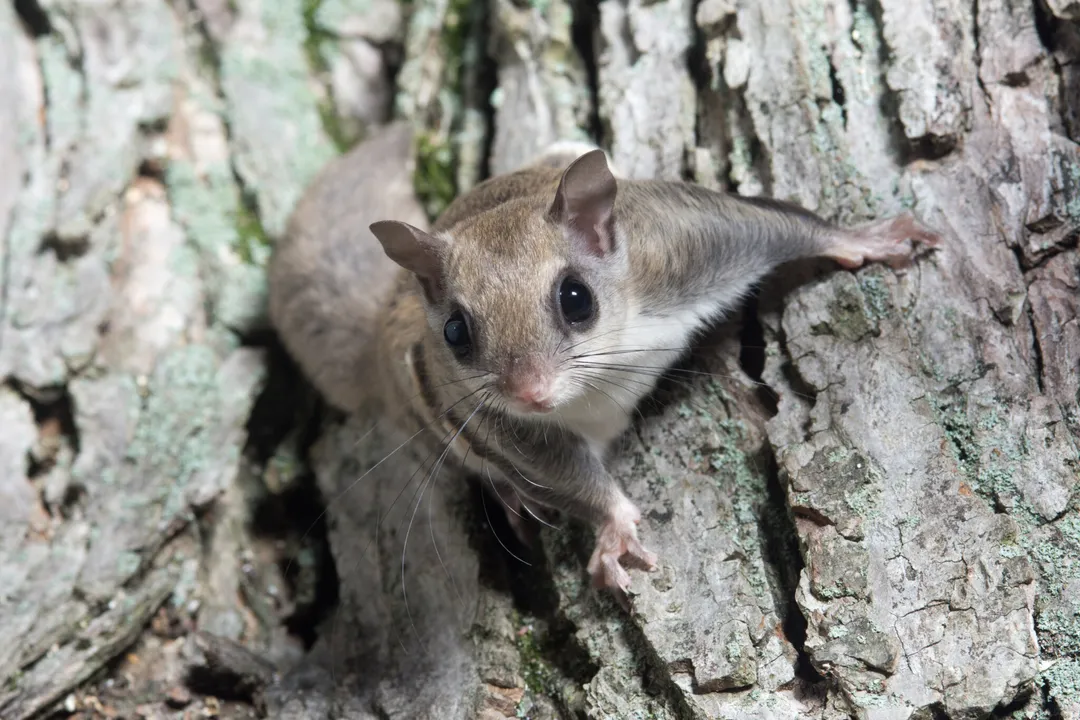
The classification of the flying squirrel places it firmly within the class Mammalia, meaning that yes, despite its unique aerial capabilities, it possesses all the defining characteristics of a mammal: it is warm-blooded, breathes air, has hair or fur, and females produce milk to nourish their young. These fascinating creatures are rodents belonging to the family Sciuridae, the same group that contains the common tree squirrels and ground squirrels we observe during the day. The confusion often arises because their primary mode of locomotion—gliding—is so unlike the typical scampering or leaping associated with their kin. They are not capable of powered flight like bats or birds; instead, they are masters of controlled descent, making them a captivating example of convergent evolution in mammalian adaptations.
# Mammalian Traits
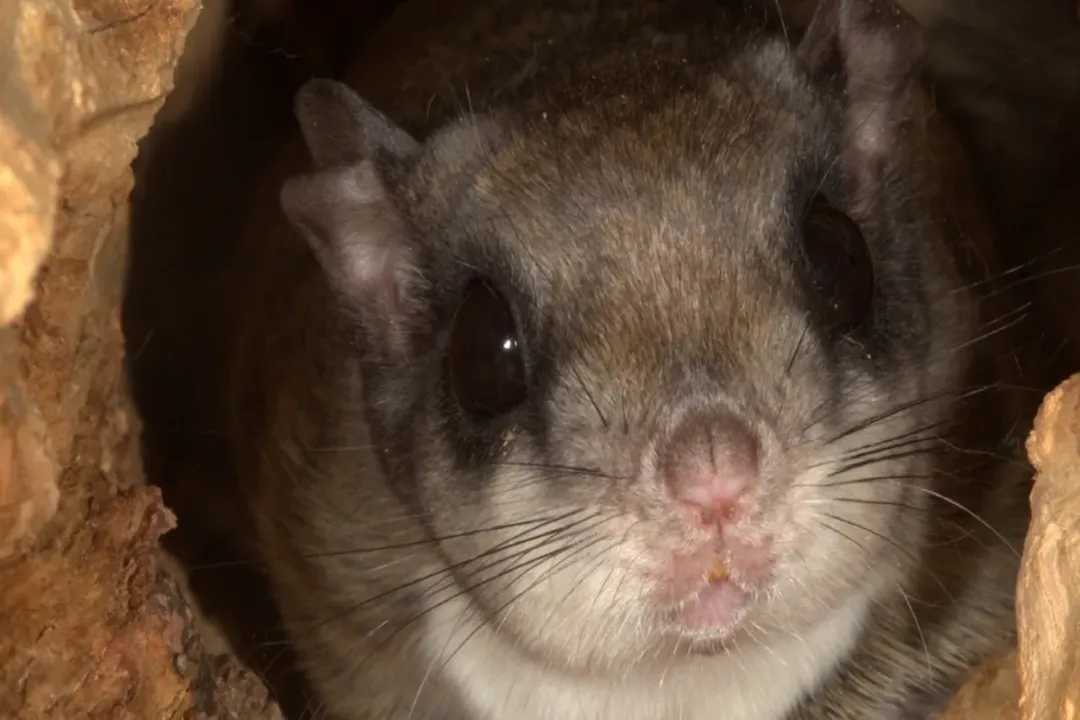
To fully appreciate why they are classified as mammals, one must look past the gliding membrane. Like all mammals, flying squirrels are vertebrates covered in fur, providing insulation against the elements, which is vital considering their active periods often occur during cooler nighttime hours. A key biological differentiator for all mammals is the presence of mammary glands, which females use to nurse their altricial young. While observing this process is rare in the wild, it is a fundamental biological trait that confirms their place in the class. Furthermore, their skeletal structure, respiratory system, and general physiology align perfectly with other members of the class Mammalia.
# Gliding Structure
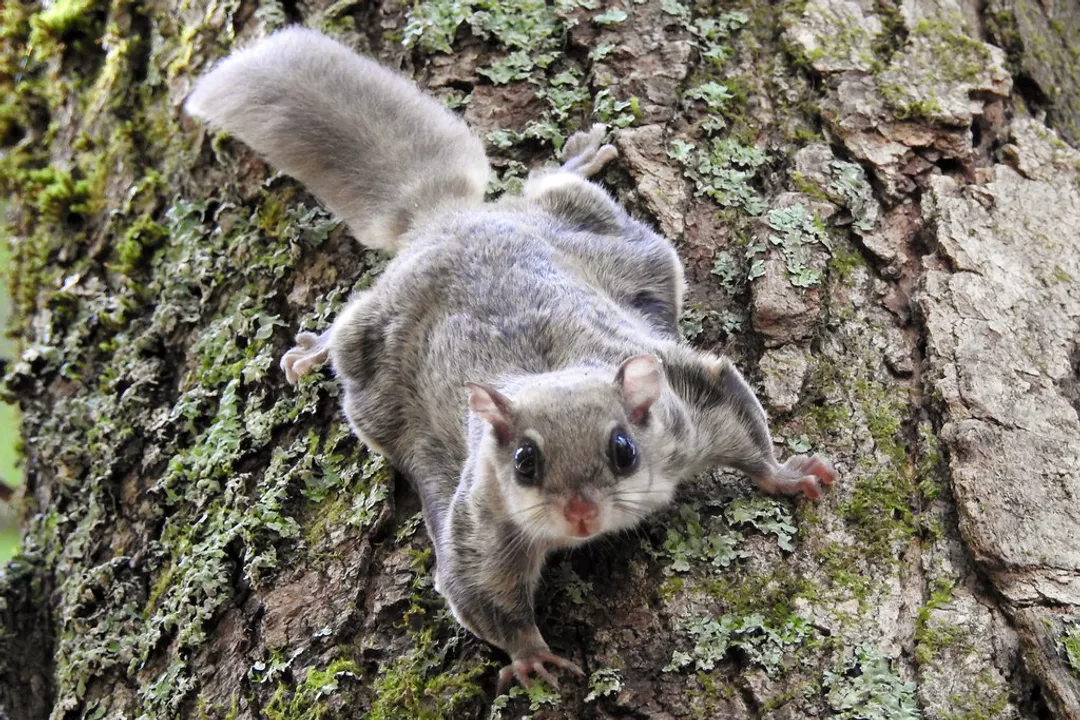
The most distinctive feature of these animals is their method of aerial movement. They utilize a specialized structure known as the patagium, which is a furry, parachute-like membrane of skin. This membrane stretches from the wrist of the front leg to the ankle of the hind leg on either side of the body. When a flying squirrel leaps from a high point, it spreads its limbs wide, tautening the patagium to catch the air and transform its fall into a long glide.
The control they exert over this glide is remarkable. By adjusting the tension in the membrane and using their tail as a rudder for steering, they can navigate around obstacles with surprising agility. For instance, a squirrel might shift its wrist or ankle position slightly to change direction mid-air, allowing it to turn up to 90 degrees or more during a single glide. The glide path is typically quite shallow, achieving impressive horizontal distances relative to the vertical drop. A common glide ratio cited for these small mammals is often near 1.5:1 or sometimes better, meaning for every foot they drop vertically, they can travel one and a half feet horizontally. It is this precise control, achieved entirely through aerodynamic surfaces stretched between existing limbs, that separates them from true fliers. If you ever watch one land, observe how they typically pull their hind legs up sharply just before impact, using their tail to slow the final descent and ensure a soft landing on the bark of the destination tree.
# Species Diversity
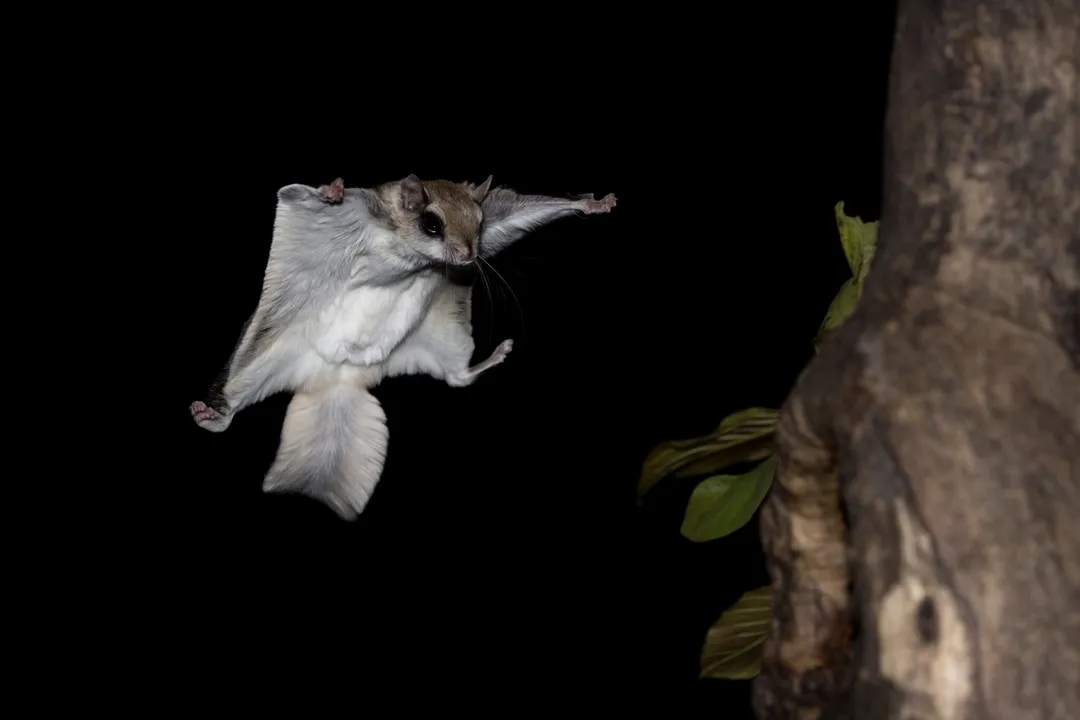
The term "flying squirrel" encompasses several different species found across the globe, though North America is home to several notable types. In the United States, the two most commonly referenced species are the Southern Flying Squirrel (Glaucomys volans) and the Northern Flying Squirrel (Glaucomys sabrinus).
The Southern Flying Squirrel is often smaller and tends to have a slightly warmer, grayish-brown coat. They are frequently found across the eastern United States, extending into parts of Canada and Mexico. In contrast, the Northern Flying Squirrel is generally larger and has softer, thicker fur, often possessing a more distinctly dark or buffy wash on its back, which helps with camouflage in northern forests. The Northern species has a much broader range, extending far into the boreal forests of Canada and into Alaska, where the Northern Flying Squirrel (Glaucomys sabrinus) is native. A particularly specialized subspecies is the Carolina Northern Flying Squirrel (Glaucomys sabrinus coloratus), which is federally listed as endangered and occupies only high-elevation spruce-fir forests in a small region of the southern Appalachian Mountains. This restricted habitat requirement highlights how sensitive these gliding mammals can be to changes in forest composition and climate.
It is interesting to note how habitat affects physical characteristics. The thicker fur of the Northern variety compared to the Southern variety suggests an evolutionary response to colder average temperatures in their respective primary ranges. This variation within the genus Glaucomys demonstrates the adaptability of the gliding mechanism across differing climates, from the relatively mild east coast to the harsh Alaskan wilderness.
# Nocturnal Traits
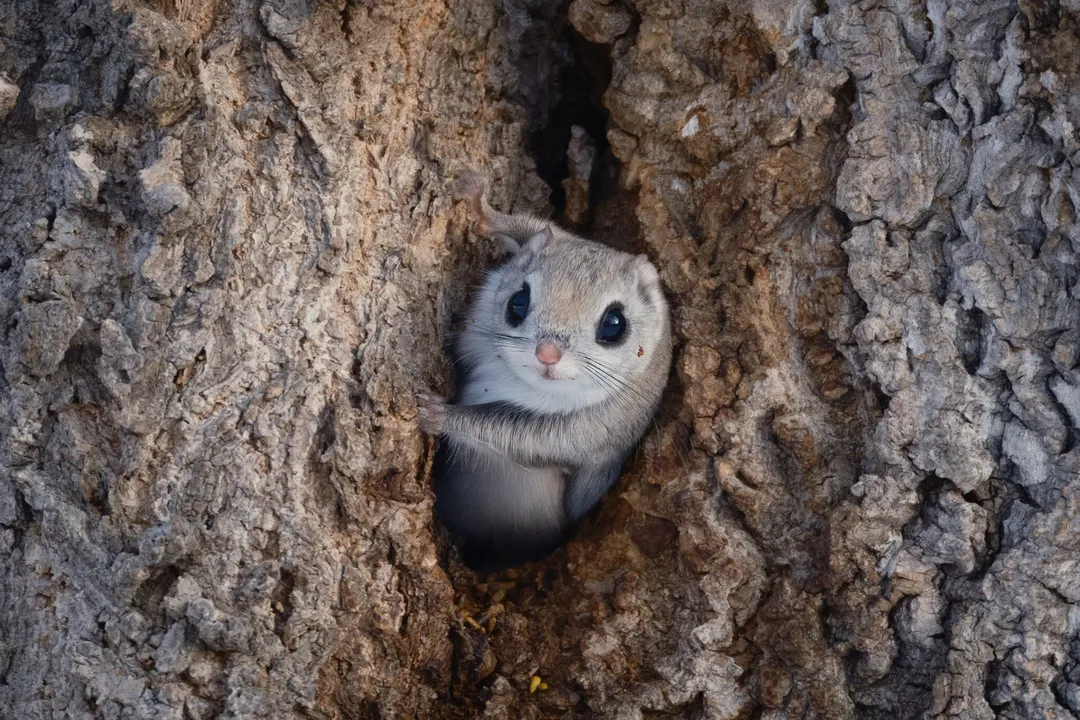
Flying squirrels are decidedly nocturnal animals. This means their active hours are generally after dusk and before dawn, which keeps them hidden from many diurnal predators and aligns with their feeding schedule. This nighttime existence necessitates specialized sensory adaptations. Perhaps the most striking is their large, dark eyes. These prominent eyes are built to gather the maximum amount of ambient light available in the dark forest understory, granting them superior night vision compared to squirrels active during the day.
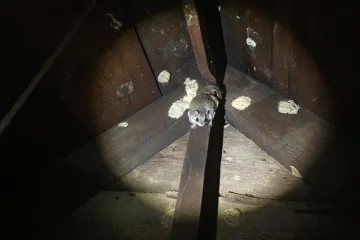
Since they avoid daytime activity, their nesting habits are geared toward daytime security. They prefer to nest in tree cavities, sometimes using abandoned woodpecker holes, or building leaf nests called dreys. They are known to be somewhat social in their sleeping arrangements, often denning together in the same cavity, sometimes with multiple individuals sharing space for warmth and protection during the day. While they are often associated with deep woods, the Southern Flying Squirrel, in particular, is adaptable and has been known to take up residence in attics, chimney voids, or other sheltered spaces near human habitation if suitable natural cavities are scarce. This tendency to seek refuge in man-made structures is a common point of interaction, sometimes leading to conflict, between these shy mammals and homeowners.
# Diet Details
As mammals, flying squirrels are omnivores, meaning their diet spans both plant and animal matter, which helps ensure they can find sustenance across different seasons. Their primary food sources often revolve around what is available in the canopy and forest floor. This includes seeds and nuts, much like their non-gliding cousins. However, their diet is considerably broader.
In the spring and summer, insects become an important component of their nutritional intake. They will also consume lichens, fungi, and various fruits or berries they can find. A less common, but documented, dietary item includes bird eggs or nestlings when the opportunity arises. For the Northern Flying Squirrel, especially those in the Pacific Northwest and parts of the East, one of the most critical food sources during the non-growing season are the hypogeous fungi, or truffles, which they locate by scent underground. This reliance on subterranean fungi connects them directly to the health of the forest soil ecosystem, as they may inadvertently help disperse spores above ground through their foraging and waste—a subtle but important ecological relationship often overlooked when focusing only on their visible gliding activities.
# Behavior and Reproduction
Reproduction in flying squirrels follows the general pattern for small rodents, though they can sometimes produce more than one litter per year, especially the Southern species. Gestation periods are relatively short, leading to the birth of tiny, undeveloped young that are entirely dependent on the mother's milk and body heat for survival in their nest cavity.
Their gliding behavior is not just for escaping predators; it is also how they travel efficiently between feeding areas or when foraging for nesting material across large tracts of forest canopy. Consider the energy saved: launching from a high branch and gliding fifty yards saves the metabolic cost of climbing down one tree and up another, especially when resources are spread out. This efficiency is a significant evolutionary advantage in a competitive forest environment. Though generally solitary foragers, their communal denning behavior suggests a level of social tolerance, especially during cold spells, providing a tangible benefit to communal living beyond simple defense. This combination of solitary foraging and communal resting presents a fascinating duality in their social structure.
# Conservation Notes
While many species, like the Southern Flying Squirrel, are widespread and not currently considered threatened, others face serious conservation challenges. The aforementioned Carolina Northern Flying Squirrel serves as a stark reminder that even within a broadly distributed genus, specific subspecies can become highly vulnerable due to habitat specialization. Their dependence on high-elevation, cool, moist spruce-fir forests makes them highly susceptible to climate warming, which could shift the tree line or increase temperature stress, putting immense pressure on their limited population pockets. Therefore, the overall status of "flying squirrel" as a mammal is complex, ranging from common suburban resident to endangered specialist depending entirely on the specific species and its required ecological niche.
Related Questions
#Citations
Flying squirrel - Wikipedia
Flying Squirrels | National Wildlife Federation
Northern Flying Squirrel Species Profile, Alaska Department of Fish ...
Flying squirrels, facts and photos | National Geographic
5 Shocking Facts About Flying Squirrels
Southern Flying Squirrel | NC Wildlife
Creatures of the Night: Fantastic Flying Squirrels
Southern Flying Squirrel - Chesapeake Bay Program
Carolina Northern Flying Squirrel (Glaucomys sabrinus coloratus)
Critter of the Week: Flying squirrel - Springfield News-Leader