Is a chinchilla a rodent or mammal?
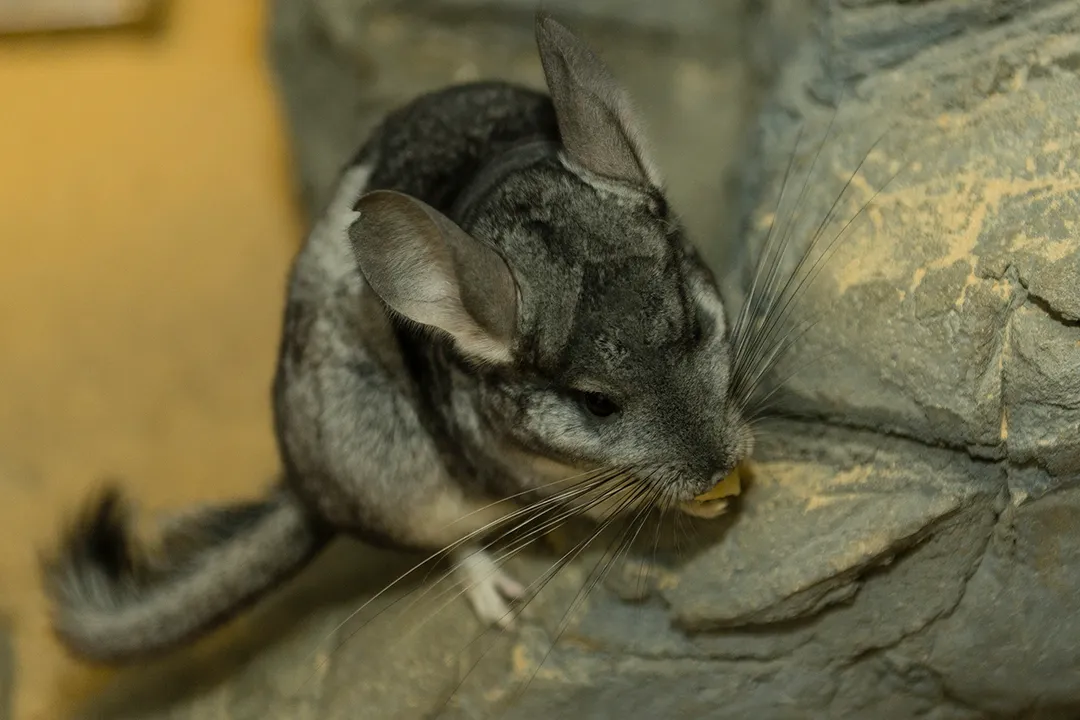
The small, fuzzy creature often sought after as a unique companion animal definitively sits within two major biological groupings: it is both a rodent and a mammal. This dual description isn't contradictory; rather, it reflects the hierarchical structure of biological classification, where one term describes its precise order within the animal kingdom, and the other describes its broader class. [4][5] To fully appreciate the chinchilla, one must understand where it fits under the vast umbrella of the class Mammalia and its specific membership in the order Rodentia. [5][9]
# Mammalian Class
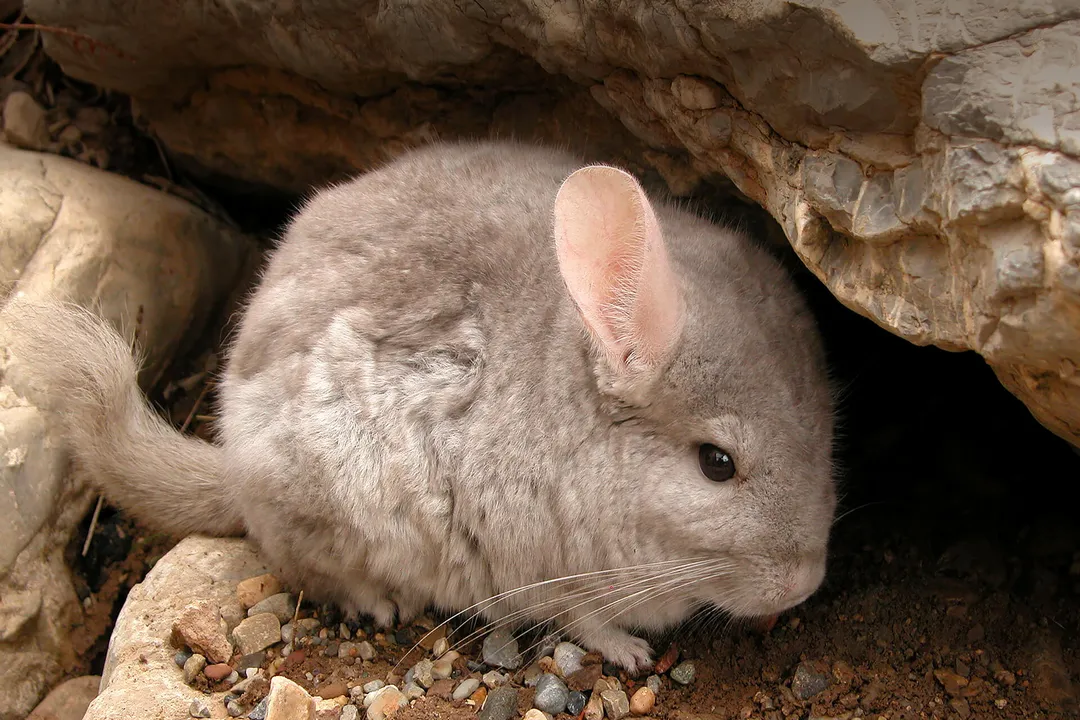
Being a mammal places the chinchilla in the largest and most diverse class of vertebrates, Mammalia. [5] This classification immediately tells us several fundamental things about the animal, regardless of its specific order. Like all mammals, chinchillas are warm-blooded vertebrates, meaning they maintain a constant internal body temperature, a trait essential for thriving in the chilly, high-altitude environments where their wild ancestors lived. [1] They possess hair or fur covering their bodies—and in the case of the chinchilla, this fur is exceptionally dense. [4][7] Furthermore, as mammals, female chinchillas nourish their young with milk produced by mammary glands, a defining characteristic of the class. [5]
# Rodent Order
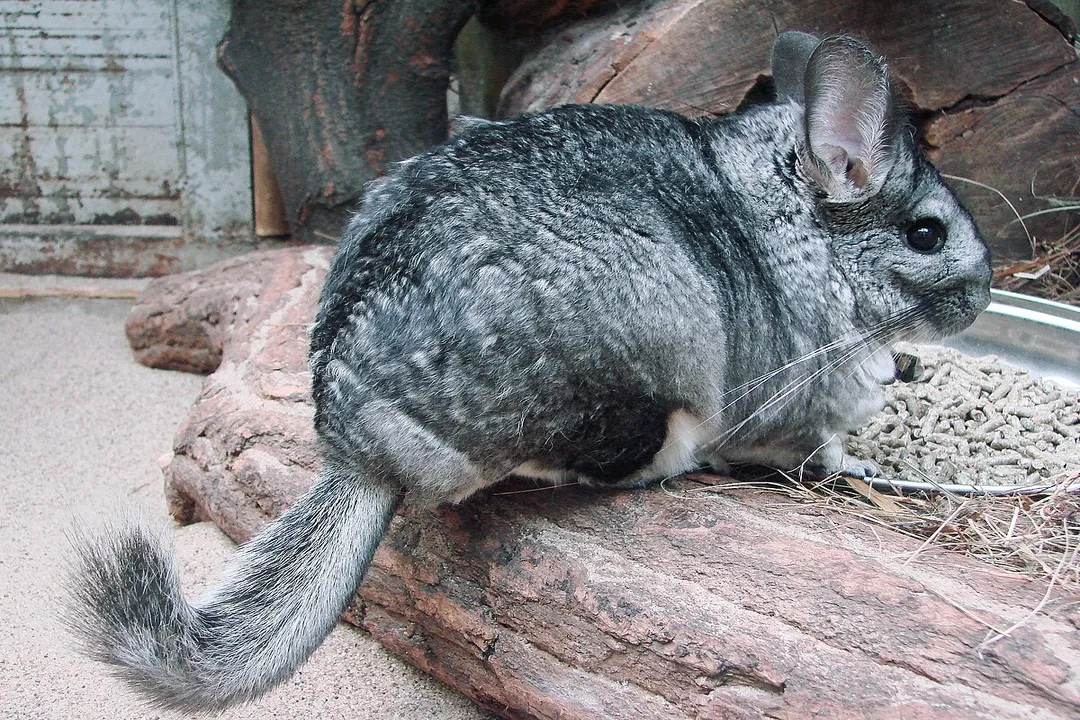
The next layer down in the classification structure names the chinchilla as a member of the order Rodentia. [3][5][7] This order is incredibly successful globally, encompassing squirrels, mice, porcupines, and guinea pigs, among many others. The single most significant feature tying all rodents together is their dentition. Chinchillas possess two pairs of continuously growing incisors, one pair in the upper jaw and one pair in the lower jaw. [3][5] These specialized teeth must be constantly worn down through gnawing and chewing hard fibrous materials to prevent them from overgrowing, which would make eating impossible. [3][5] If a chinchilla’s diet is inadequate, or if environmental enrichment for chewing is lacking, this dental characteristic becomes a serious health liability. [4]
# Taxonomic Placement
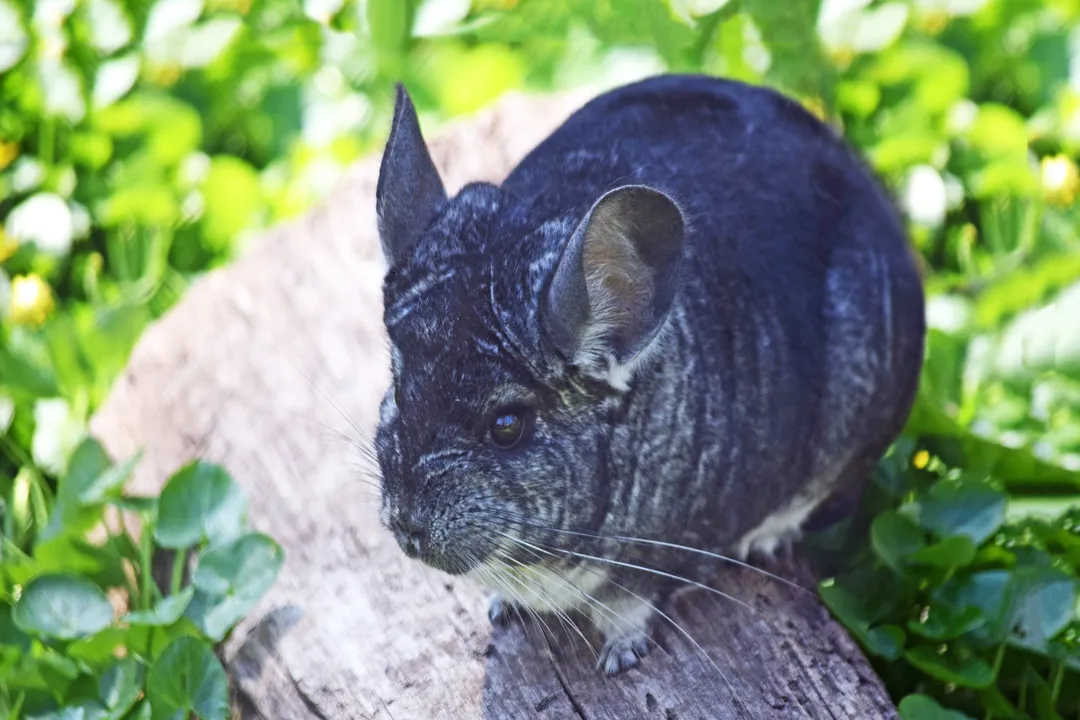
Delving deeper into the taxonomy confirms the chinchilla’s precise lineage. Within the order Rodentia, the chinchilla belongs to the family Chinchillidae. [8] This family is not exclusively composed of chinchillas; it also includes the viscachas, which are genera like Lagidium. [8] The genus Chinchilla itself is recognized as having two living species: the long-tailed chinchilla (Chinchilla lanigera) and the short-tailed chinchilla (Chinchilla brevicaudata). [1][9] The long-tailed variety is perhaps the one most commonly encountered in domestic settings today. [9] These animals are naturally found in the Andes mountains of South America, adapted to living at high elevations. [1][3][9]
The historical context surrounding this classification is important, especially when considering their conservation status. Due to the exceptional quality and density of their fur, chinchillas were hunted extensively in the wild. [1] This extreme pressure led to the local extinction of some populations and caused the species to become endangered overall, highlighting that their unique mammalian adaptation—their dense coat—was nearly the cause of their demise in their native habitat. [1]
# Fur Density Uniqueness
While being a rodent and a mammal defines what a chinchilla is, their fur defines how they exist, both in the wild and in human care. Chinchillas are famous for possessing the densest fur of any land mammal. [7] Where a typical human hair follicle might produce one or two hairs, a single chinchilla follicle can sprout over 50 individual hairs. [7] This incredible density—sometimes cited as up to 20,000 hairs per square centimeter—is a direct evolutionary response to the cold, arid conditions of their native high-altitude Andes habitat. [1][7]
This physical characteristic mandates specific care practices that distinguish them significantly from other small rodents kept as pets, such as hamsters or gerbils. Because their fur is so tightly packed, it traps moisture extremely effectively, and attempting to bathe them in water can be dangerous. [6] If the undercoat becomes wet, it can take a very long time to dry, creating an environment ripe for fungal or bacterial skin infections, and potentially leading to hypothermia due to the evaporative cooling effect. [6] This is why their maintenance requires a completely dry alternative: the dust bath. [6] Owners must provide a fine volcanic pumice dust, which the chinchilla rolls in to clean and fluff its coat, absorbing oils and moisture without soaking the fur. [6] This necessity demonstrates how understanding their precise biological makeup—a mammal with hyper-dense fur—dictates appropriate husbandry.
# Ecological Role and Diet
The dietary needs of chinchillas are as specific as their grooming habits. They are strictly herbivorous. [1][4][6] In their native environment, their diet consisted primarily of grasses, roots, seeds, and low-lying vegetation found in those rugged, often dry, mountainous regions. [1] When kept as pets, this translates to a diet that must be extremely high in fiber and low in fat and sugar, revolving around high-quality hay. [4] Unlike some other small rodents that can thrive on pelleted mixes alone, the chinchilla's digestive system is finely tuned to process tough, coarse forage. [1]
In the wild, they are also highly social creatures. They typically live in colonies, sometimes numbering in the dozens, burrowing into rocky crevices or building nests in sparse vegetation for protection against predators and the harsh diurnal temperature swings common at high elevations. [9] This social structure suggests that single-housing a chinchilla may not meet its full behavioral repertoire, contrasting with the more solitary habits of other common pet rodents. [9] A potential pet owner, perhaps coming from experience with guinea pigs, might mistakenly assume similar social requirements, but the chinchilla’s history as a colonial, high-altitude creature adds unique layers to its psychological well-being.
# Distinguishing Rodent Care
While their classification as a mammal ensures they are warm-blooded and furred, and their classification as a rodent ensures continuous tooth growth, the specific type of rodent they are matters immensely for longevity and quality of life. A common pitfall for new owners is generalizing care based on other popular rodents. For instance, mice, rats, and hamsters often have shorter lifespans and different dietary tolerance levels compared to the chinchilla, which can live for 15 to 20 years in captivity. [4]
This extended lifespan, coupled with their specialized needs, suggests that prospective owners must commit to a long-term relationship similar to that required for a cat or dog, rather than the relatively shorter commitment often associated with other caged rodents. [4] Their need for low humidity and specific temperature ranges—a relic of their high-altitude origin—means that a basement cage or a location near a constantly steamy kitchen might pose a hidden health risk, even if the cage size itself seems adequate for a general "small rodent". [1][3] The rodent order provides the basic blueprint, but the chinchilla's specific evolutionary path within that order demands specialized attention to housing climate and diet for optimal health.
In summary, the chinchilla is thoroughly classified as a mammal because it suckles its young and possesses fur. [5][7] It is classified as a rodent because it belongs to the order Rodentia, defined by its continuously growing incisors. [3][5] These facts together establish a unique animal that blends mammalian traits with specific rodent adaptations, all sculpted by the extreme environment of the Andean highlands. [1][8]
Related Questions
#Citations
Chinchilla - Wikipedia
Chinchillas as Pets: Origin, Types, and Characteristics - Facebook
Chinchilla | San Diego Zoo Animals & Plants
Chinchillas: Very Furry Rodents That Can Make Great Pets, Expert ...
Are Chinchillas Rodents? - A-Z Animals
Keeping Chinchillas As Pets - RSPCA
Chinchilla - Elmwood Park Zoo
Chinchillidae - an overview | ScienceDirect Topics
Long-tailed chinchilla - National Zoo