How to find out where rodents are getting in?
Discovering that rodents have taken up residence is never a pleasant surprise. The challenge often isn't confirming the presence of mice or rats—droppings, gnaw marks, or nighttime sounds usually make that obvious—but figuring out how they are gaining access to your home in the first place. [3][4] Effective exclusion, the long-term fix, absolutely depends on successfully locating every single entry point. [2] It is a methodical process requiring patience and a willingness to inspect areas you might normally overlook.
# Sizing Up
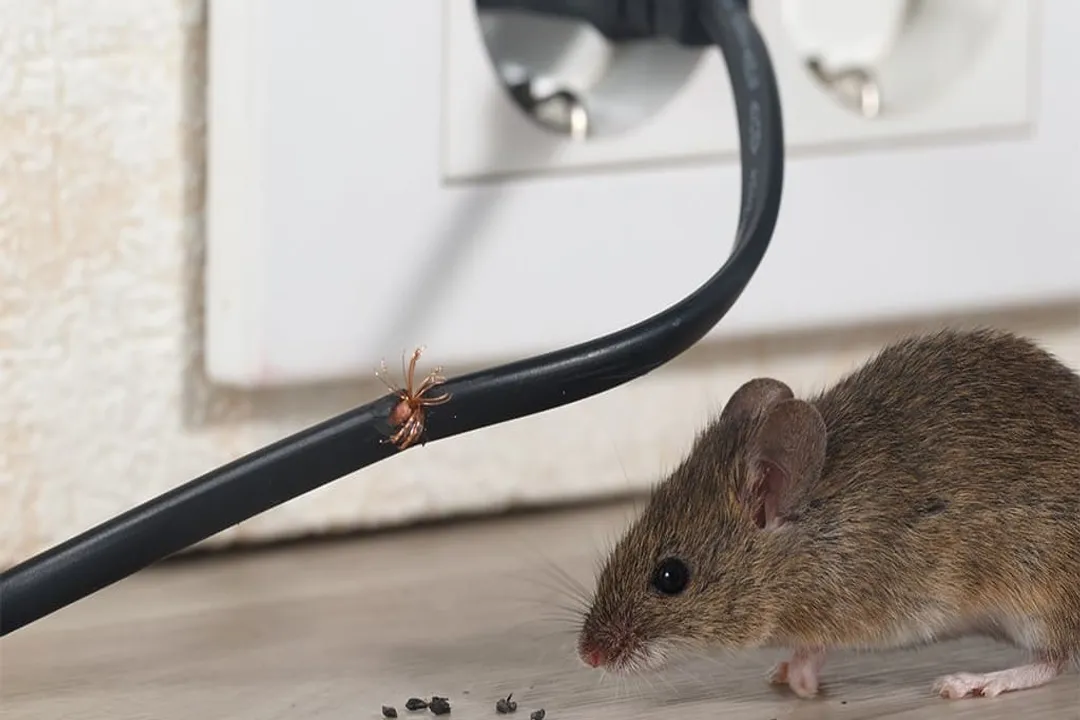
Understanding the size difference between the pests you are dealing with makes the search significantly more focused. Mice are notoriously tiny intruders. A common guideline suggests that a mouse can squeeze through an opening no larger than a dime or about the size of a pencil eraser. [6] This means even a slight gap where two pieces of siding meet, or a small crack in mortar, can serve as a five-star entrance for them. [6]
Rats, being considerably larger than mice, require a bit more room, usually needing an opening closer to a quarter or even a half-dollar in size. [6] However, never assume you only have one type of rodent; if you see evidence of both, you must search for openings of various sizes. If your home is older or has undergone multiple additions, inspect the junctures between different building materials, as these seams often create the easiest initial pathways. [5]
# Exterior Search
The perimeter of your home is the primary battleground for finding these breaches. Start your inspection from the ground level and work your way up. Pay close attention to the foundation, searching for any cracks or fissures in the concrete or block work. [4] Even hairline fractures can enlarge over time due to soil shifting or freeze-thaw cycles, creating perfect mouse-sized access points. [5]
As you move upward, focus intensely on utility penetrations. These are the spots where pipes (water, gas, sewage) and cables (electrical, cable TV, phone lines) enter the house through the exterior walls. [4][7] Often, the gap around these pipes is filled only with caulk or foam, which rodents chew through easily. If you notice any debris or crumbling material around these entry points, it is a high-priority area to check. [2]
Another frequent offender is improper venting. Inspect dryer vents, attic ventilation openings, and crawlspace vents. [7] These should have secure, intact mesh or louvers. If you find a dryer vent flap that doesn't close properly, or if the screen covering an attic vent is missing or pushed in, you have likely found a primary access route. [4] If you live in an area prone to heavy snow accumulation in the winter, remember that ground-level entry points might become completely hidden until the spring thaw. Make a point of conducting a thorough, low-to-the-ground check right after the snow melts, as this is when they might be establishing new routes disturbed by the weather [Analysis/Tip].

# Roofline Review

Do not neglect the upper reaches of the structure, especially if you are dealing with mice entering the attic space. [9] Inspect the roof edge where it meets the fascia board. Look for gaps or damaged areas along the roof line or where chimneys penetrate the roof. [4][9] Squirrels and roof rats often exploit these high-access areas, but mice are excellent climbers and can use vines, tree branches, or even utility lines running close to the house as highways to elevated entry points. [5] If you find droppings or nesting material in the attic, trace the nearest exterior wall down to find the point where that section of the roofline meets the siding or foundation.
# Inside Clues
Sometimes, the external evidence is too subtle, or the entry point is obscured by external siding or skirting. In these cases, you must rely on internal signs that point toward the breach. One of the most telling signs is the presence of grease or dirt rub marks. Rodents often travel the same routes repeatedly, creating dark, greasy streaks along baseboards, wall corners, or pipes entering the wall cavity. [3][4] Follow these marks; they usually lead directly to where the animal is coming and going.
Droppings are another strong indicator, but they only tell you where the rodent is active, not necessarily where it is entering. If you find a cluster of fresh droppings inside a pantry or closet, check the wall behind or underneath that area first. In homes with multiple floors, if you are only finding evidence on the second floor, it often suggests the entry point is a utility line or a vertical void (like a pipe chase or unsealed wall cavity) running directly up from the exterior wall closest to that activity, rather than them traveling vertically through the entire living space from a basement crack [Analysis/Tip].

# Confirmation Tactics
Once you have identified a few suspect holes or gaps—maybe one under the sink where a drainpipe enters, or a small gap near a rear door frame—you need to confirm which one is the active route. A simple visual inspection after cleaning the area may not reveal much, so you need to engage the rodents' habits.
One widely suggested technique involves creating a visible barrier in the suspected area. Using unscented talcum powder, flour, or even a very fine layer of drywall dust, lightly dust the area surrounding the suspected opening, both inside and out if possible. [1][4] Do this late in the evening when rodents are most active. If they use the hole, they will invariably disturb the powder, leaving behind clear footprints or drag marks that indicate use. [1] If the powder remains untouched for two or three nights, you can reasonably exclude that spot and focus your attention elsewhere.
Another crucial confirmation step is simply listening. Take time during the quietest parts of the evening, perhaps an hour or two after sunset, and move slowly around the home’s exterior and interior perimeter, particularly near utility lines and basements. [3] Rodents can be surprisingly noisy when moving through wall voids, gnawing, or scurrying across floor joists. A faint scratching sound, especially if it seems localized to one area of the house, can lead you right to the breach.
# Exclusion Materials
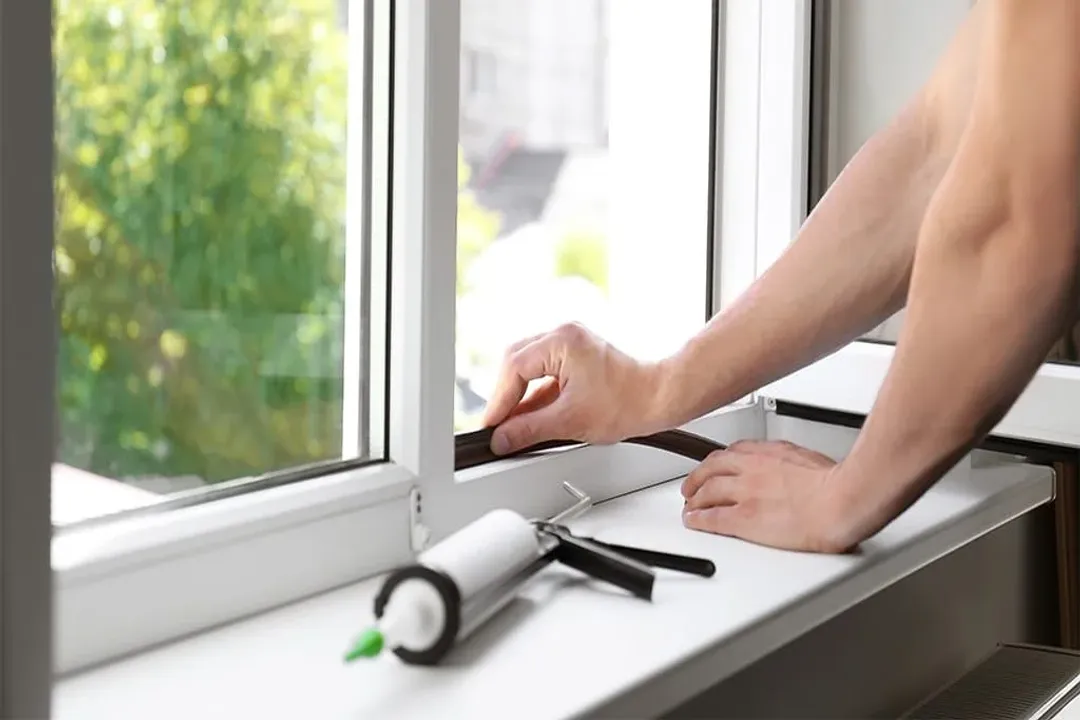
Finding the entry is only half the battle; sealing it correctly is what keeps them out for good. It is important to remember that common materials used for general repairs are often inadequate for rodent proofing. For instance, using only plastic foam sealant, while fine for blocking air drafts, is easily chewed through by determined mice or rats. [2] For any hole larger than a pencil diameter, you need a physical barrier. Steel wool is frequently recommended as a base filler for holes, as rodents cannot chew through the tightly packed metal fibers. Once the steel wool is firmly packed into the gap, you can then cover it with caulk, mortar, or expanding foam for a more weather-tight seal. [2] This layered approach combines the rodents' inability to chew through metal with the weatherproofing qualities of traditional sealants, ensuring that the entry point is truly closed off.
#Videos
Identify & Eliminate Rodent Entry Points in Your Home - YouTube
Related Questions
#Citations
Suggestions on how to find where mice are getting into house?
How To Find And Seal Mouse Entry Points - Moxie Pest Control
Identifying a Mouse or Rat Problem in Your House - Scotts Miracle-Gro
Identify & Eliminate Rodent Entry Points in Your Home - YouTube
How do I find where mice are entering my house?
How to find the entry points from your house where mice get in - Quora
Top 5 Most Common Ways Mice Get Inside - Preferred Pest Control
How to find and seal mouse entry points in a basement? - Facebook
how to find out how mice are getting in attic? - DIY Chatroom