Is a puffin a bird or a mammal?
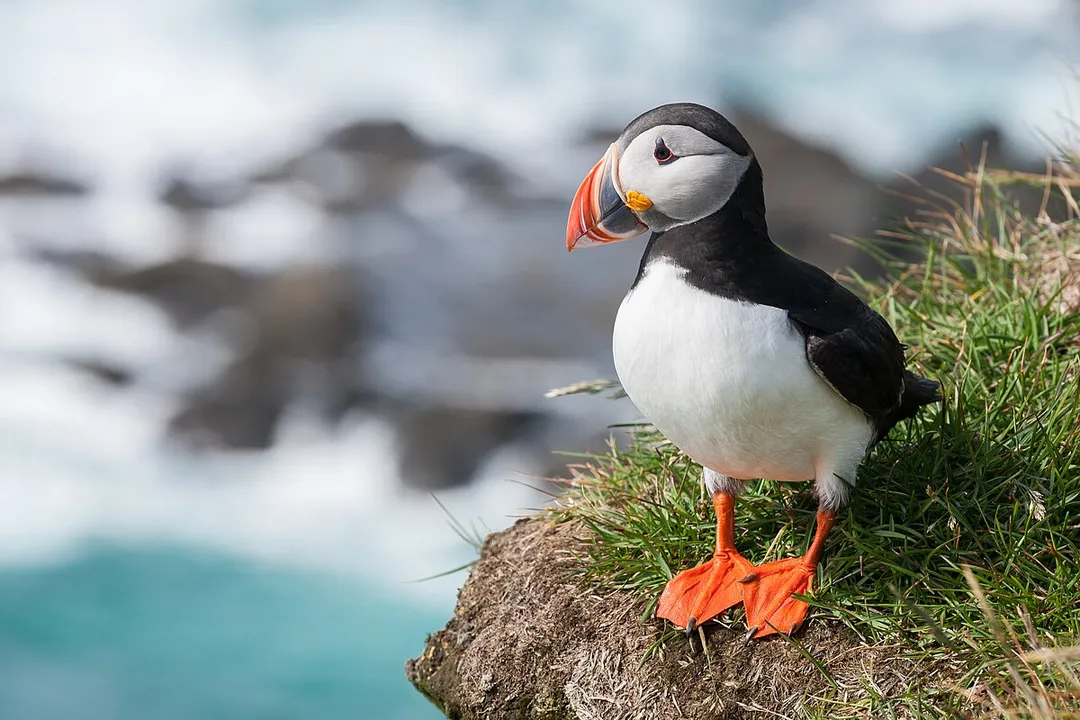
The creature often referred to as the sea parrot, instantly recognizable by its clown-like facial markings and brightly colored beak, is definitively a bird, not a mammal. This distinction is fundamental to understanding its entire biology, from its feathered covering to how it raises its young. [1][8] Puffins belong to the family Alcidae, which groups them with other northern hemisphere seabirds like auks and guillemots. [1][9] Mammals are characterized by features such as having fur or hair, being warm-blooded, and nursing their young with milk; puffins exhibit none of these traits. Instead, they possess feathers, lay hard-shelled eggs, and incubate them on land. [1]
# Avian Status
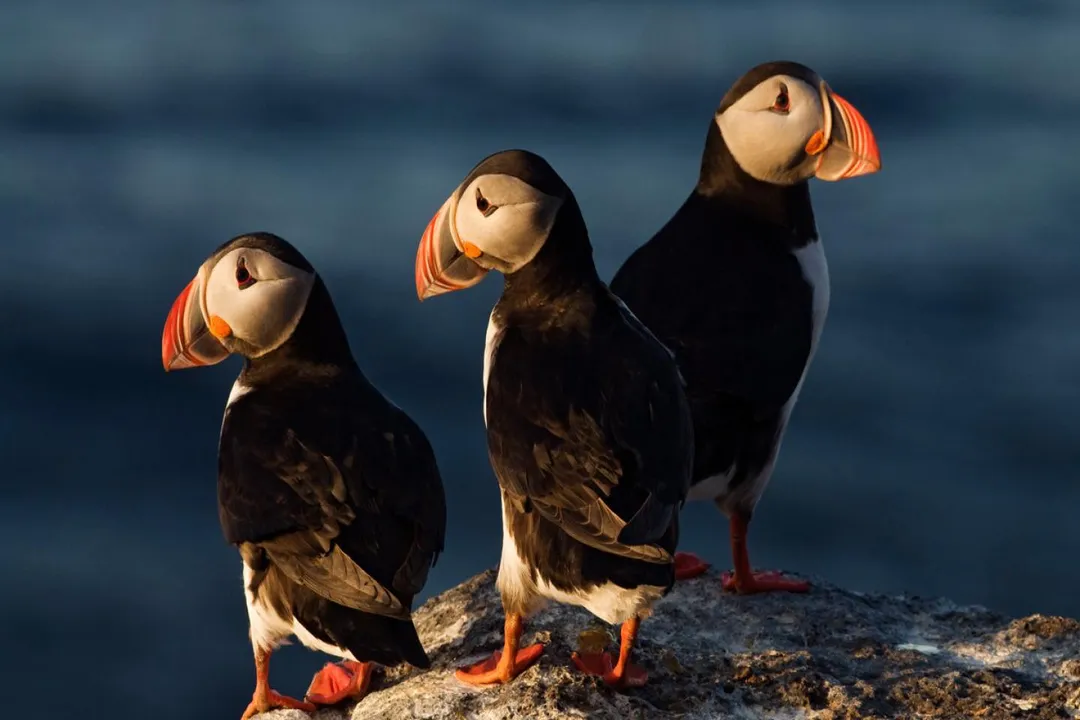
Classifying the puffin strictly places it within the class Aves. They are specialized sea birds, meaning their entire life cycle, while dependent on land for breeding, is tied to the marine environment for sustenance. [6] The family Alcidae itself, sometimes called auks, consists of birds that are highly adapted for diving and swimming in cold ocean waters. [9]
When examining their physical attributes, the presence of wings covered in stiff, overlapping feathers is the most immediate giveaway of their avian nature. [1] Though these wings are incredibly effective for propulsion underwater—more like flippers than traditional soaring wings—they are still wings, and they are used for flying through the air, albeit powerfully and near the surface. [2][6]
# Puffin Species
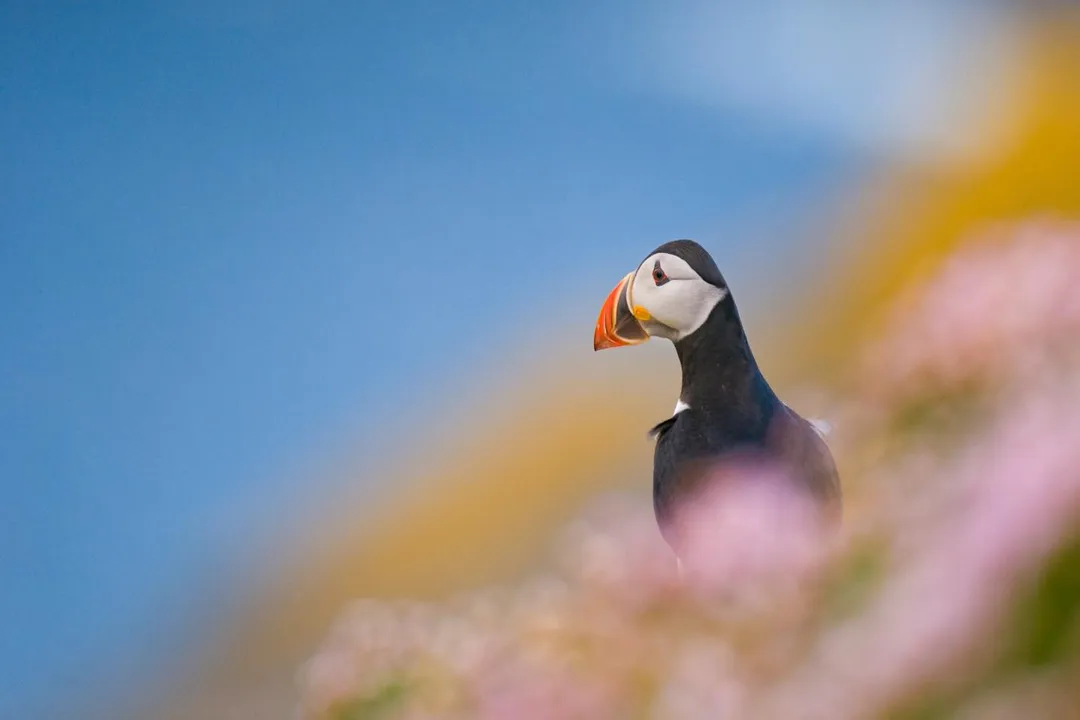
While "puffin" is a common name, it covers a few distinct species, primarily separated by their geography. [7] The most widely known is the Atlantic Puffin (Fratercula arctica), famous for its large colonies in the North Atlantic, including Iceland, Norway, Greenland, and the eastern coasts of North America. [1][2]
However, not all puffins live in the Atlantic. The North Pacific hosts the other two main types: the Horned Puffin (Fratercula corniculata) and the Tufted Puffin (Fratercula cirrhata). [7] The Horned Puffin gets its name from the small, fleshy, horn-like projection above its eye during the breeding season. [7] The Tufted Puffin, on the other hand, is characterized by long, straw-colored plumes sweeping back from its eyes. [7]
It is interesting to note how specialized these North Pacific birds are compared to their Atlantic cousin. While the Atlantic Puffin is famous for its massive, brightly colored bill, the Tufted Puffin’s bill is less dramatically colored, focusing instead on the prominent head feathers for display. [7] This geographical separation showcases parallel evolution where similar ecological niches drive similar physical solutions—seabirds that dive for fish—yet subtle differences remain based on regional pressures and lineage. [9]
# Underwater Flight
The adaptation that makes puffins so engaging is their ability to "fly" underwater. [2] Their wings are relatively short and stiff compared to surface-feeding seabirds, making them powerful underwater engines. [6] They use these wings to propel themselves through the water column in pursuit of prey, sometimes diving hundreds of feet deep. [2] This requires a dense bone structure, which is typical for diving birds, offering ballast against buoyancy, a feature far removed from the light, hollow bones associated with many flying birds. [1]
Their feet, which are brightly colored, often orange or reddish, are located far back on their bodies. [2][6] While they look clumsy waddling on land—their short legs necessitate a characteristic upright stance—this placement is perfect for steering underwater, acting as rudders during their powerful wing-strokes. [1]
# The Breeding Bill
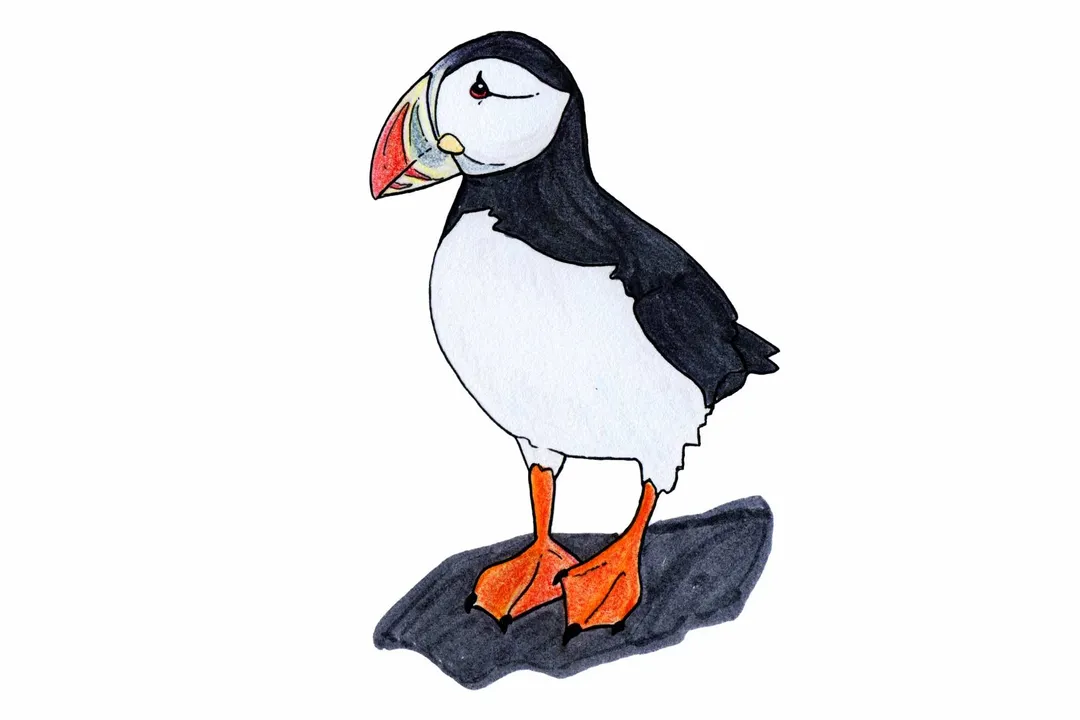
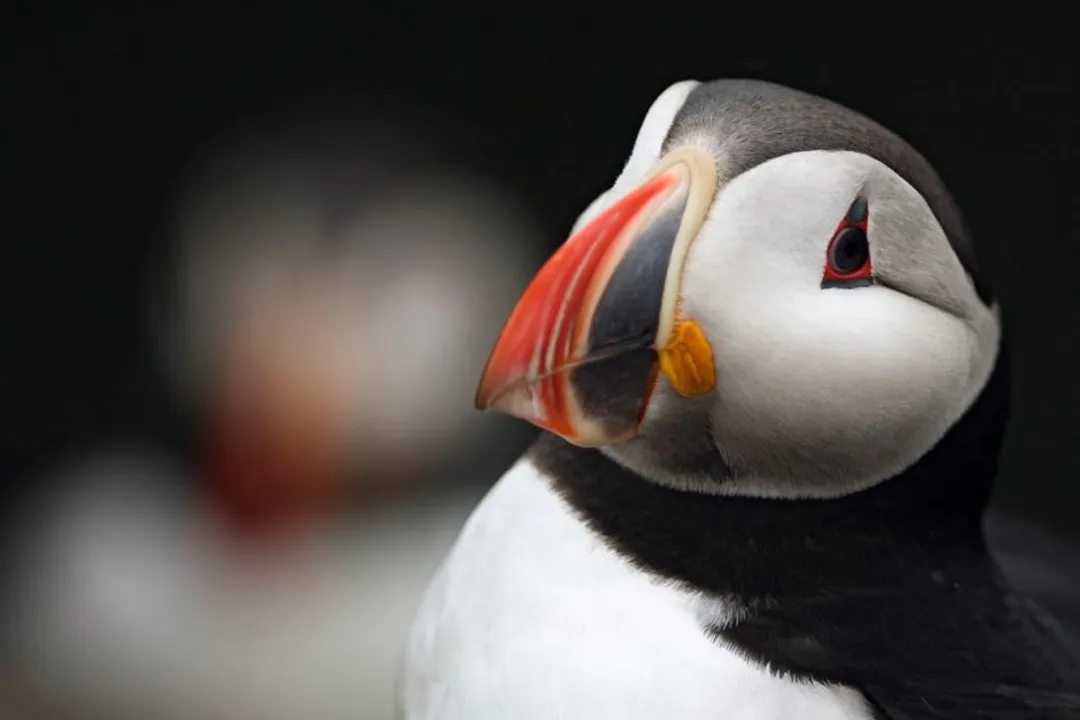
Perhaps the most striking feature of the puffin, particularly the Atlantic Puffin, is the massive, brightly colored bill that appears in the spring. [1][2] This structure, which gives rise to nicknames like "sea parrot," is not permanent. It is a temporary piece of flamboyant ornamentation used almost exclusively for courtship and display during the nesting season. [1]
As breeding season concludes and the birds prepare to spend the winter months out at sea, the outer, colorful plates of the beak are shed. [1] What remains is a smaller, duller bill base until the next spring when the vibrant plates regrow. [1] This annual shedding is a remarkable example of biological investment; the bird puts significant energy into growing this large, visually impressive structure only for the duration of mating and raising chicks, after which it is functionally retired for the winter. [1] This temporary display apparatus is a clear example of sexual selection driving dramatic, non-essential physical change, something common in the bird world but rarely executed in such an extreme, temporary manner on the face itself.
# Nesting and Diet
Puffins are colonial nesters, gathering in massive numbers on coastal cliffs and grassy slopes during the breeding season. [3][6] They excavate or select burrows, often quite deep, in the soil or soft rock to lay a single egg. [1][3] This reliance on burrows offers protection from predators like gulls and skuas. [3]
Once the chick, known as a puffling, hatches, the parents dedicate themselves to feeding it a diet consisting mainly of small, oily fish. [2][6] Fish like sand eels, herring, and capelin are staples. [2][6] A parent bird will swim to a foraging area, catch several fish, and then return to the burrow. They possess a unique ability to hold multiple small fish crosswise in their bill simultaneously, sometimes carrying more than a dozen at a time to make the trip worthwhile. [2] This efficiency is critical in ensuring the rapidly growing puffling receives enough nourishment before it is ready to fledge—the short period where they transition from the burrow to the sea. [6]
If you ever find yourself observing a puffin colony from a safe, designated viewing area, remember that puffins are sensitive to disturbance, especially during the burrowing phase. A good rule of thumb, often suggested by conservation groups managing nesting sites, is to maintain a distance that ensures the birds are not alarmed into abandoning their nest site. For instance, if a bird on the cliff edge seems agitated or watches you intently rather than foraging or tending its young, you are likely too close. [3]
# Winter Solitude
After the brief, intense summer breeding period ends, often by late August or early September, the puffins depart the colonies. [6] They head out to the open ocean, where they spend the majority of their lives far from land, often floating on the surface or diving for fish in the rough winter seas. [1] During this time, they are difficult to observe, which contributes to the mystique surrounding them. They essentially trade the social bustle of the colony for solitary survival in the open North Atlantic or North Pacific until the next spring calls them back to their ancestral nesting grounds to grow their colorful facial ornaments and raise the next generation. [1]
Their ability to thrive in such harsh, cold environments—both in the air and under the waves—demonstrates a superb evolutionary specialization. A mammal, even a marine one like a seal, would rely on blubber for insulation in the same way a puffin relies on its dense, tightly packed, oily feathers. It’s a clear case of two separate evolutionary paths leading to success in the demanding, cold marine ecosystem of the northern latitudes. [9]
#Videos
Puffin facts: smaller than you think | Animal Fact Files - YouTube
Related Questions
#Citations
Puffin - Wikipedia
Top 10 facts about Puffins - WWF-UK
Puffin FAQs | Hog Island Audubon Camp
puffins are small seabirds in the alcidae family - Facebook
Puffin facts: smaller than you think | Animal Fact Files - YouTube
Atlantic Puffin Overview, All About Birds, Cornell Lab of Ornithology
Horned and Tufted Puffins
What is a puffin? - Quora
Puffin | Seabird, Atlantic, Atlantic Ocean - Britannica