How do Whooping Cranes locate buried food items while foraging in soft substrates?
Answer
Probing the substrate with their long bills
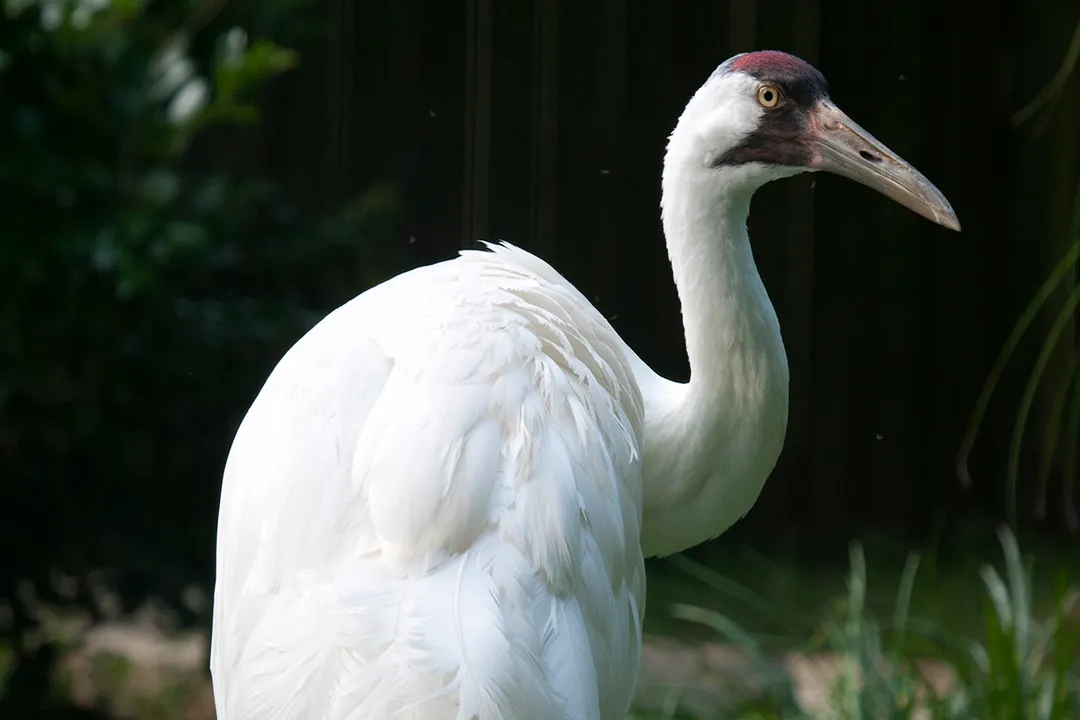
The foraging technique employed by the Whooping Crane is methodical and instrumental in accessing subsurface food. When moving through mudflats or shallow water, they systematically walk and probe the soft substrate using the considerable length of their bills. This probing action acts as a sensitive detector, allowing them to locate and extract buried food items such as mollusks, tubers, and burrowing invertebrates. This behavior requires a constant calculation regarding the trade-off between the energy expended digging deeper for a larger item versus rapidly pecking at surface-level foods.
Related Questions
What is the dietary classification assigned to the Whooping Crane based on its consumption habits?What dominates the diet of a Whooping Crane wintering near the Gulf Coast of Texas?What specific food sources might a Whooping Crane focus on during a stopover site in Kansas?How do Whooping Cranes locate buried food items while foraging in soft substrates?Which shelled items are nearly universally agreed upon as vital for wintering Whooping Cranes?What agricultural products form the primary intake for Whooping Cranes utilizing farmlands during migration?What food sources characterize the diet upon reaching breeding grounds in Wood Buffalo National Park?What management practice acts as an insurance policy against localized food failures during critical migratory rest stops?What is the central trade-off Whooping Cranes manage constantly regarding their foraging behavior?What does the ability to switch between surface picking (grains) and deep probing (clams) demonstrate about the Whooping Crane?