Despite positive interactions, what remains fully functional in a captive serval that contributes to risk?
Answer
The core drives, such as the impulse to pounce, scratch, or bite when stressed.
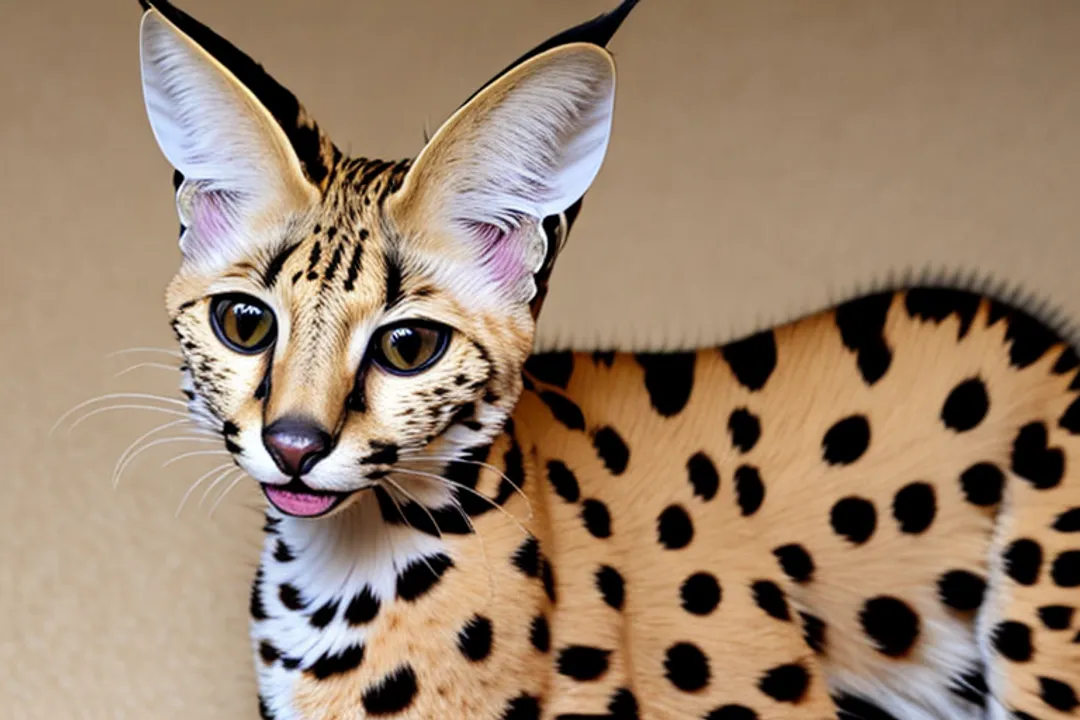
Even if hand-raised and socialized, the inherited drive to hunt and defend using claws and teeth remains fully functional. This means a placid animal can react explosively if an instinctual trigger related to stress or defense is activated.
#Videos
“This is a wild animal:" Woman awakes to serval, native to Africa, in ...
Related Questions
What is the primary survival mechanism for servals in their native African environment?Why does a defensive scratch or bite from an adult serval pose a significant risk to humans?What is a persistent struggle noted by individuals managing servals as exotic pets?What fundamental difference separates a serval's aggression from that of a domestic cat?How is behavior correction typically viewed when dealing with the aggressive responses of a serval?What specific, concerning incident is mentioned regarding serval attacks on humans?What is the established probability regarding a serval attack resulting in a human fatality?From what factor does the inherent danger of owning a serval often stem?Despite positive interactions, what remains fully functional in a captive serval that contributes to risk?How does a serval's defensive reaction typically differ from the bite risk presented by a large domestic dog breed like a Rottweiler?What is the practical focus when managing a serval, according to established evidence regarding risk management?