How do I know if my cat is an American Wirehair?
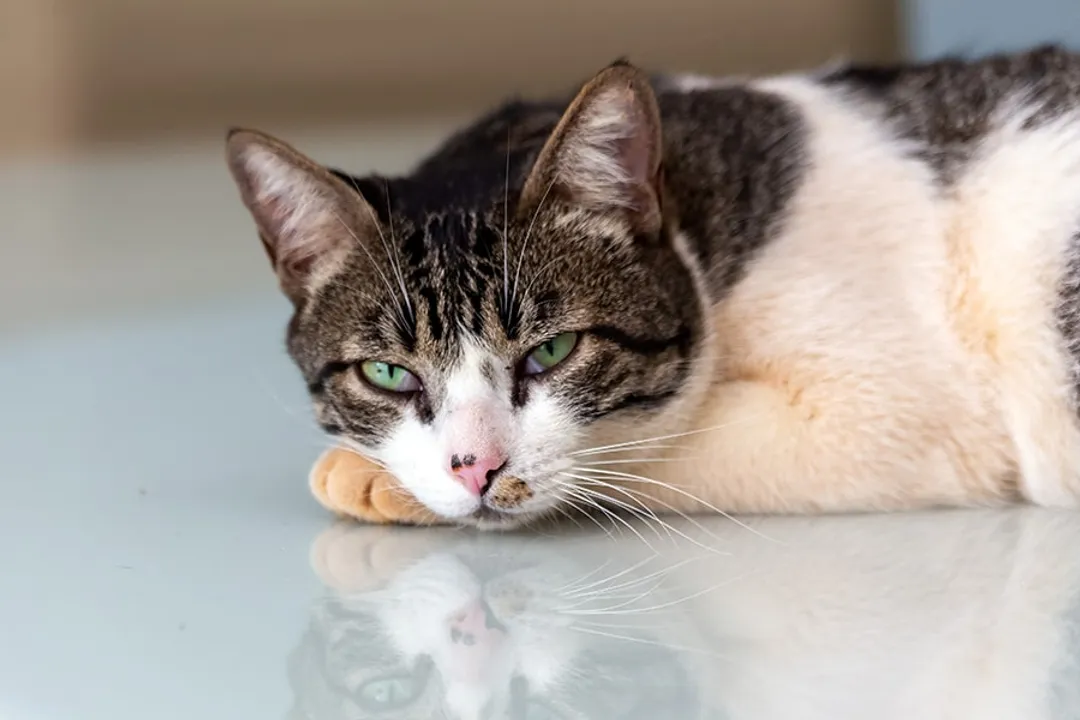
That distinctive, springy coat is often the first thing that makes someone pause and wonder what breed is sitting on their lap. The American Wirehair is a relatively rare breed, but its unique grooming needs and intriguing texture make it memorable. If you suspect your cat possesses this unusual look, knowing the specific physical characteristics recognized by cat registries is the best way to confirm its identity. It is a breed defined almost entirely by its unusual pelt, which sets it apart from every other recognized domestic shorthair. [1][7]
# Wiry Texture
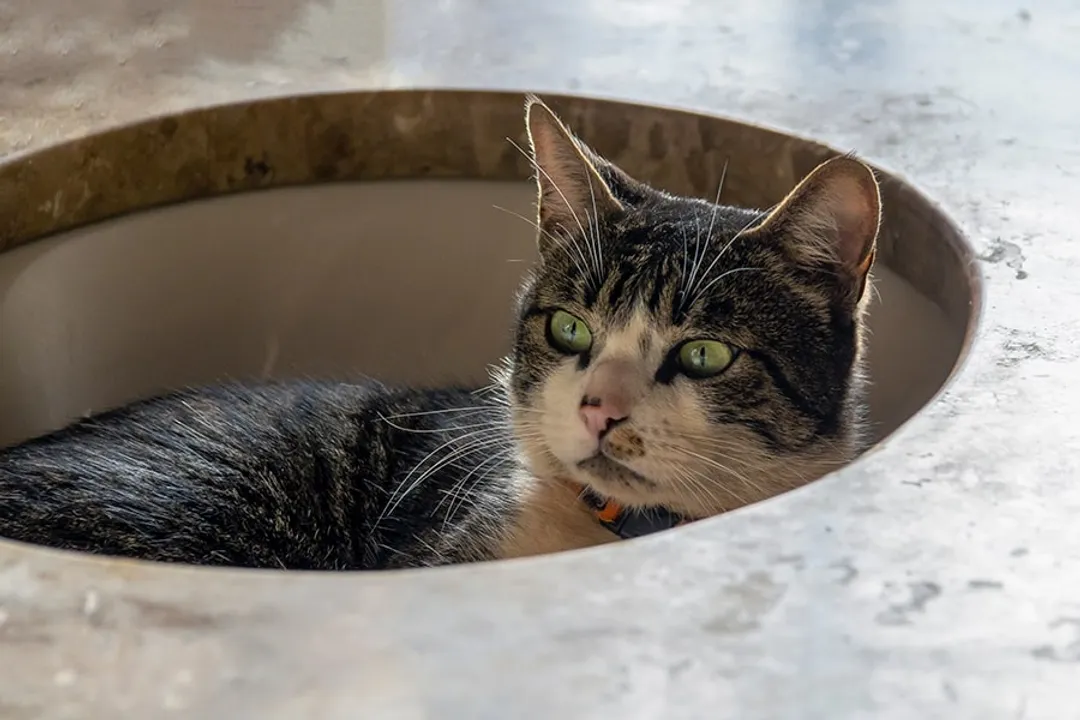
The hallmark of the American Wirehair is undeniably its coat, which is a result of a spontaneous genetic mutation. [3][4] Unlike the soft, plush coats of many popular breeds, the Wirehair sports a coat that is distinctly wiry. [4][5]
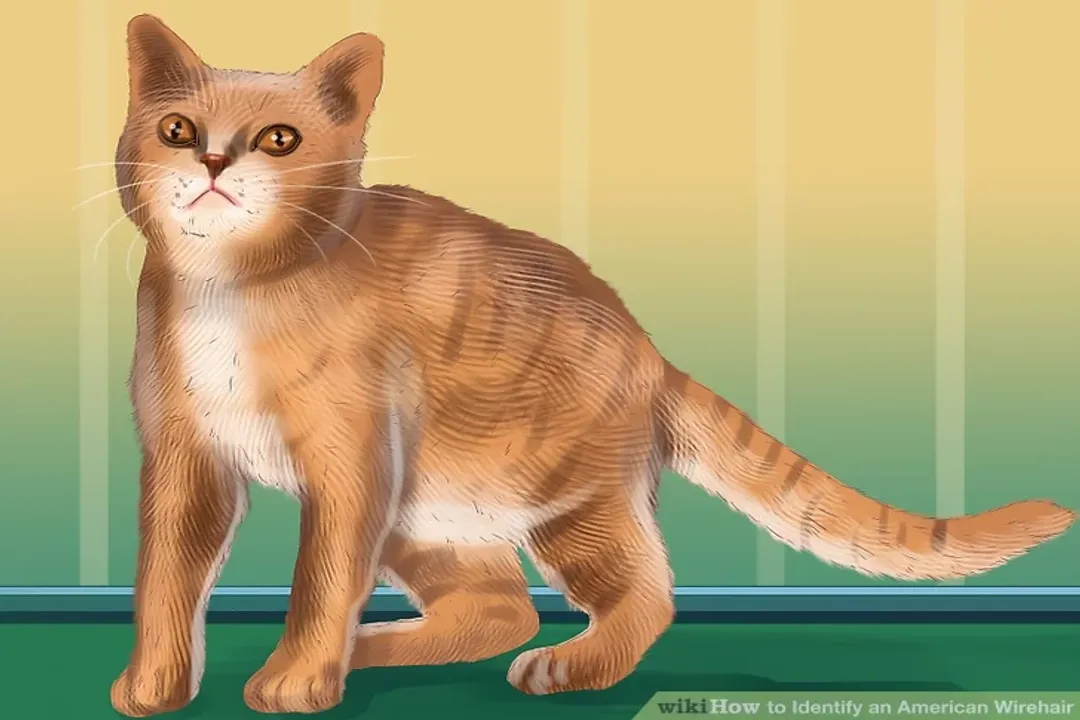
The structure of the hair itself is what creates this unusual feel. The hairs are crimped, hooked, or bent, giving the coat a rough, springy, or sometimes harsh texture that is often compared to steel wool. [4][7] This texture is unique because it applies to all the hairs—the guard hairs, the awn hairs, and the down hairs—which is different from breeds like the Rex cats where the curl is more focused on the awn hair. [5] The feel can vary from cat to cat; some owners describe their Wirehair's coat as springy and resilient, while others might perceive it as coarse. [7] For a quick, tactile check, gently pinch a small section of the fur between your fingers. A true Wirehair will feel firm and springy, almost like a kitchen scouring pad, rather than slick or velvety like a standard domestic shorthair or silky like an Abyssinian. [2][4] If you are trying to confirm this trait on a cat you found, remember that even kittens born to Wirehair parents might display this coat trait, though some may have a softer coat at birth that develops the signature texture as they mature. [7]
The crimping that causes this texture is often most evident on the back, around the face, and on the tail. [7] Interestingly, while the coat is coarse to the touch, it is not high-maintenance. Despite the somewhat rugged appearance, these cats are moderate shedders, and their coat typically requires minimal grooming, often just a weekly brush or rub down to keep it looking its best. [4][5] This low-maintenance nature is a welcome feature for owners, contrasting with the intense grooming some long-haired or highly textured breeds require.
# Physical Traits
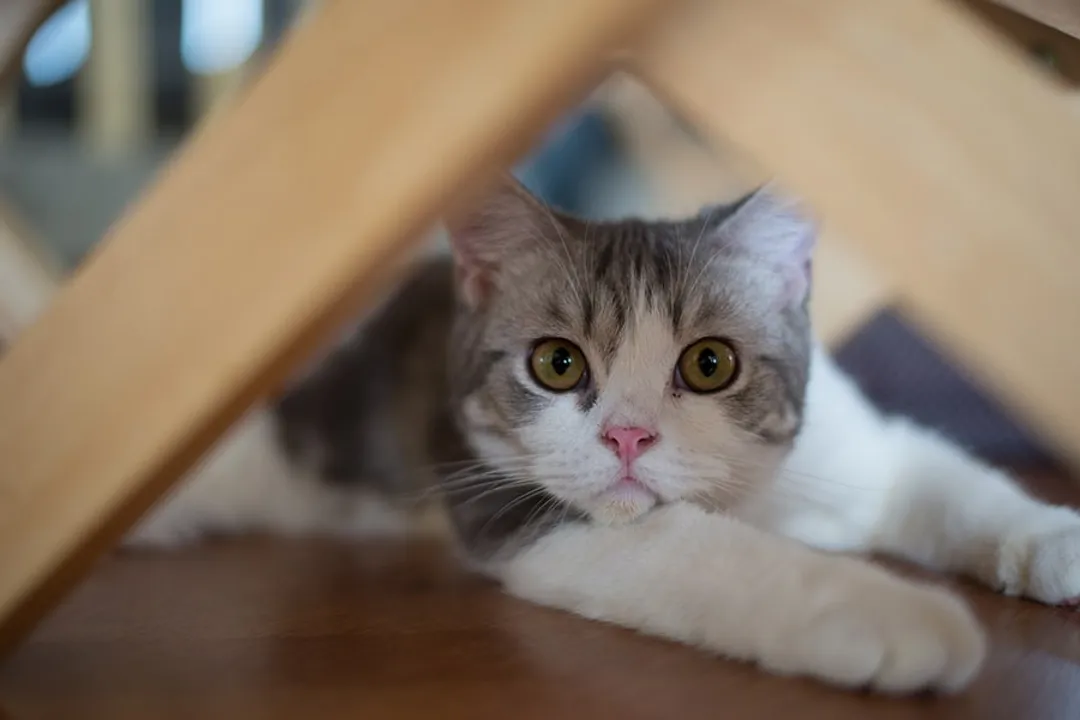
While the coat is the signature element, a true American Wirehair adheres to a specific physical standard regarding body structure and facial features. [7] They are not overly large cats; they are considered medium-sized with a muscular build, medium bones, and a well-balanced, rounded body. [4][7] Their appearance is generally described as sturdy and powerful, yet graceful. [9]
When examining the head, you should note a modified wedge shape. [7] The muzzle tends to be rounded, and the nose is broad. [7] The eyes are also a key feature: they should be large, round, and set slightly deep into the head, giving them an open expression. [7][9] Eye color is generally supposed to harmonize with the coat color, though common colors include green, gold, or copper. [7]
The breed is known for a few other subtle physical details. Their ears are medium-sized, slightly cupped, and set moderately far apart on the head. [7][9] The paws are typically medium-sized and round, and the tail is medium in length, ending in a rounded tip. [7]
# Cat Nature
Beyond their striking looks, the personality of the American Wirehair can help solidify an identification, though temperament is the hardest trait to verify without spending time with the animal. [4] These cats are generally described as loving, intelligent, and playful companions. [3][7] They thrive on human interaction and often form strong bonds with their families. [4][9]
They possess a quiet demeanor, meaning they are not typically known for being excessively vocal or demanding attention through loud meows. [7] While they enjoy being close to their people, they are also known for being quite independent and adaptable, making them suitable for various home environments. [7] They can be lap cats, but they are just as content observing the household activity from a nearby perch. [7] They tend to retain their playful nature well into adulthood, suggesting that if you have an adult cat that still enjoys chasing toys or batting at wand toys with enthusiasm, it aligns with the breed's typical disposition. [3]
# Breed Genesis
Understanding the origin of the American Wirehair provides important context, especially when dealing with cats that look similar but might not be purebred. The Wirehair is unique because it is the only recognized breed that originated in the United States solely through a natural genetic mutation, rather than selective breeding programs involving foreign breeds. [3][5][7]
The first recorded appearance of this mutation occurred in 1966 on a farm in upstate New York. [3][5][9] A litter of kittens born to a standard brown tabby short-haired cat possessed the wiry coat trait. [3] Unlike breeds like the Rexes, which often involve cross-breeding to establish the trait, the American Wirehair was established by breeding these naturally mutated cats back to the original shorthairs to maintain the body type while preserving the unique coat. [3][5] This means that an American Wirehair is not a Wirehair Rex mutation; they are genetically distinct. [5] It is this natural, spontaneous beginning that contributes to their rarity compared to intentionally developed breeds. [7]
# Verification Steps
Confirming if your cat is a registered American Wirehair involves looking at lineage and registration papers, but if you have a rescue or found cat, you must rely purely on phenotype—the observable traits. [2] If you are trying to determine if a cat found in a shelter or through a general listing might be an AWH, you should check for a combination of the defining features: the wiry, crimped coat, the sturdy build, and the rounded facial structure. [7][9]
It is common for people to mistake other cats, especially those with slightly rougher-than-average coats, for Wirehairs, or for automated apps to misidentify them. [2] A cat that is only partially an American Wirehair, or a mixed breed that inherited the gene, will likely only exhibit one or two of the characteristics without the complete package. For instance, a mixed breed might have a slightly harsh coat but possess a distinctly triangular head shape, which would rule out the breed standard. [7]
For a cat to be officially recognized as an American Wirehair by major organizations like The Cat Fanciers' Association (CFA) or The International Cat Association (TICA), it must meet the established breed standard and have documented parentage tracing back to registered Wirehairs. [1][8] If you found the cat and have no history, you can only definitively say your cat possesses the Wirehair coat type. [2]
One point of clarification often arises when new owners encounter these cats: if the cat has a very curly coat, it might be a Devon Rex or a Cornish Rex, not a Wirehair. [5] The Rex coat has a distinct, tight wave, whereas the Wirehair coat is more universally crimped or hooked, giving it a rougher feel rather than just a tight curl. [5][7]
# Comparison Data
To help differentiate, considering the key physical metrics side-by-side with a similar breed can be helpful, even if you are only looking at visual confirmation rather than pedigree papers.
| Feature | American Wirehair | Common Domestic Shorthair |
|---|---|---|
| Coat Texture | Wiry, crimped, resilient, hooked tips [4][7] | Soft, smooth, close-lying [5] |
| Body Type | Medium, muscular, well-rounded [4][7] | Highly variable, often slender or cobby |
| Head Shape | Modified wedge, broad nose, rounded muzzle [7] | Highly variable |
| Grooming Needs | Low; minimal shedding [4][5] | Low to moderate |
If you notice your cat sheds heavily or its coat feels soft when you rub it against the grain, it is likely a mixed breed displaying a genetic variation, rather than a purebred American Wirehair. [5] The consistency of the Wirehair texture across the entire body—from the top of the head to the tip of the tail—is a strong indicator that you might have this unique breed on your hands. [7]
The relative rarity of the American Wirehair means that finding one outside of a dedicated breeder line requires a bit of luck and a careful eye. If you are fortunate enough to have one, enjoy the unique texture and the quiet, affectionate companionship they offer. [3][7]
Related Questions
#Citations
American Wirehair - The Cat Fanciers' Association
My iPhone says he's an American wirehair, what do you think? : r/cats
American Wirehair - Wikipedia
American Wirehair Cat Personality and Care - ASPCA Pet Insurance
American Wirehair: Personality, Health Issues, and More - WebMD
American Wirehair Cat Adoption and Neutering Experience
American Wirehair - TICA - The International Cat Association
How to Identify an American Wirehair - wikiHow Pet
American Wirehair Cat Breed Information - Purina Arabia