How much does a mangrove snapper weigh?
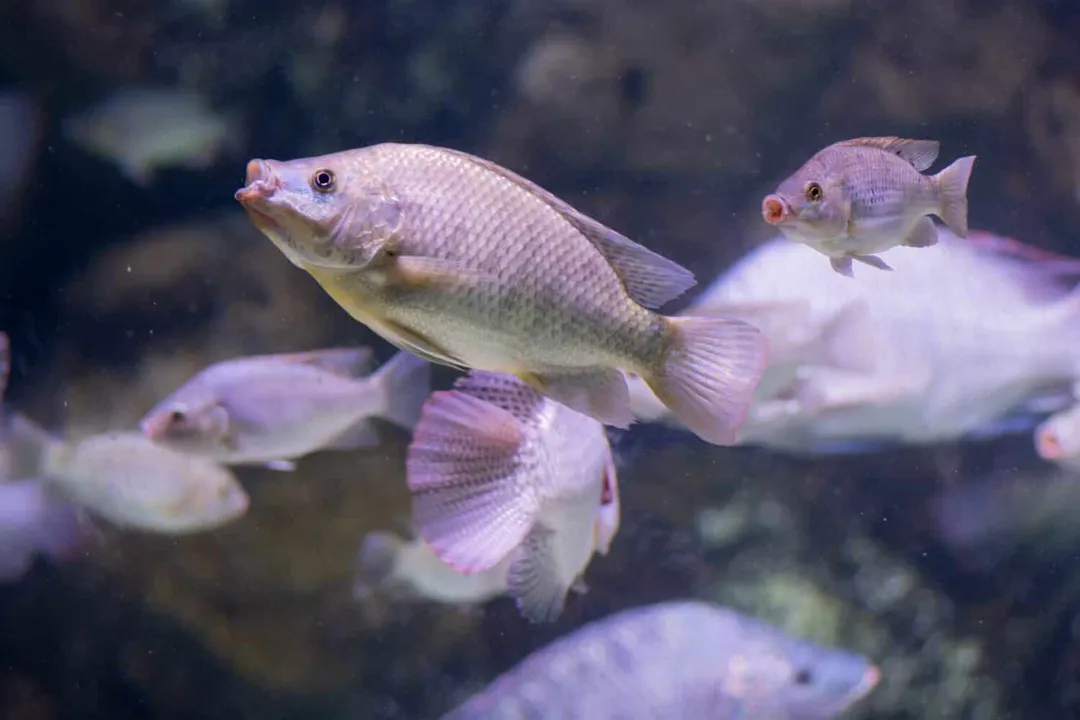
When looking into the world of inshore and nearshore fishing, the mangrove snapper, also frequently called the gray snapper, is a highly prized catch, and naturally, anglers want to know just how large these fish can get. The weight of a mangrove snapper isn't a single number; it exists on a broad spectrum defined by the fish's age, environment, and genetics. While the average catch might fit comfortably in a cooler, the potential maximum size is significantly larger, often leading to exciting encounters on the line. [4][7]
# Maximum Size
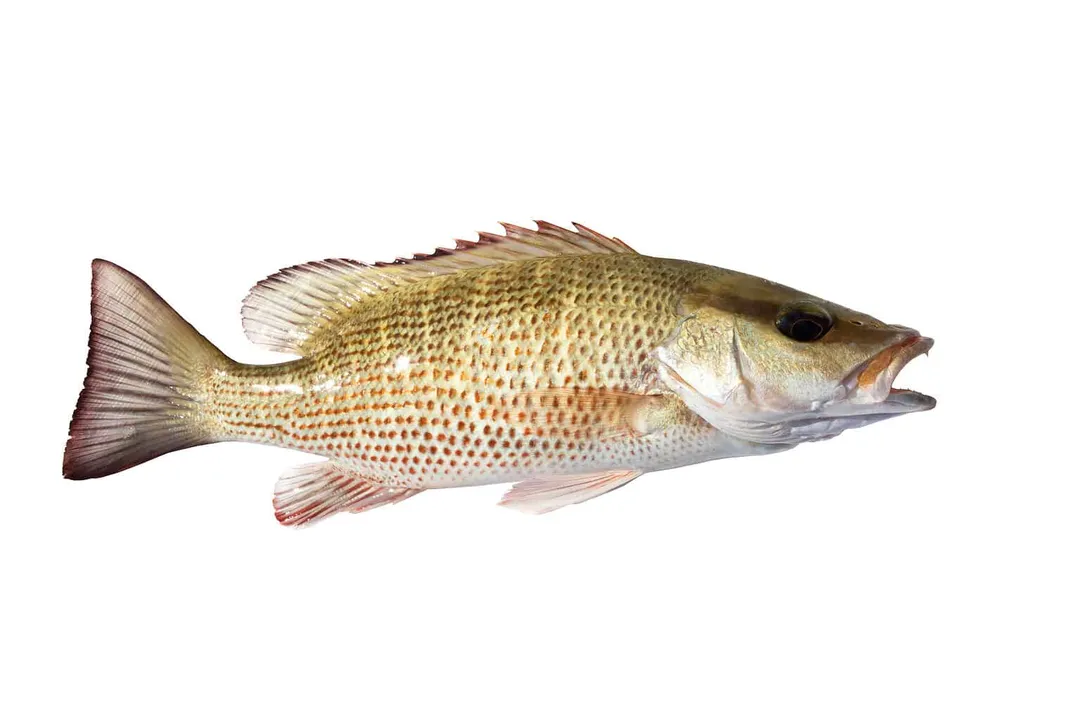
The potential maximum weight for a mangrove snapper is considerable for a coastal species. Scientifically classified as Lutjanus griseus, these fish have the capacity to grow quite large. [5] Sources indicate that the maximum recorded total length approaches about 36 inches. [6] In terms of mass, the upper limit for a mangrove snapper is often cited near 30 pounds. [2][6] This top-tier weight represents a fish that has likely spent many years in the water, often far from the immediate shallows where most recreational anglers find them. [7] Comparing it to its famous relative, the red snapper, the mangrove snapper generally stays smaller, as red snapper can achieve much greater sizes, sometimes exceeding 50 pounds. [5]
# Common Catches
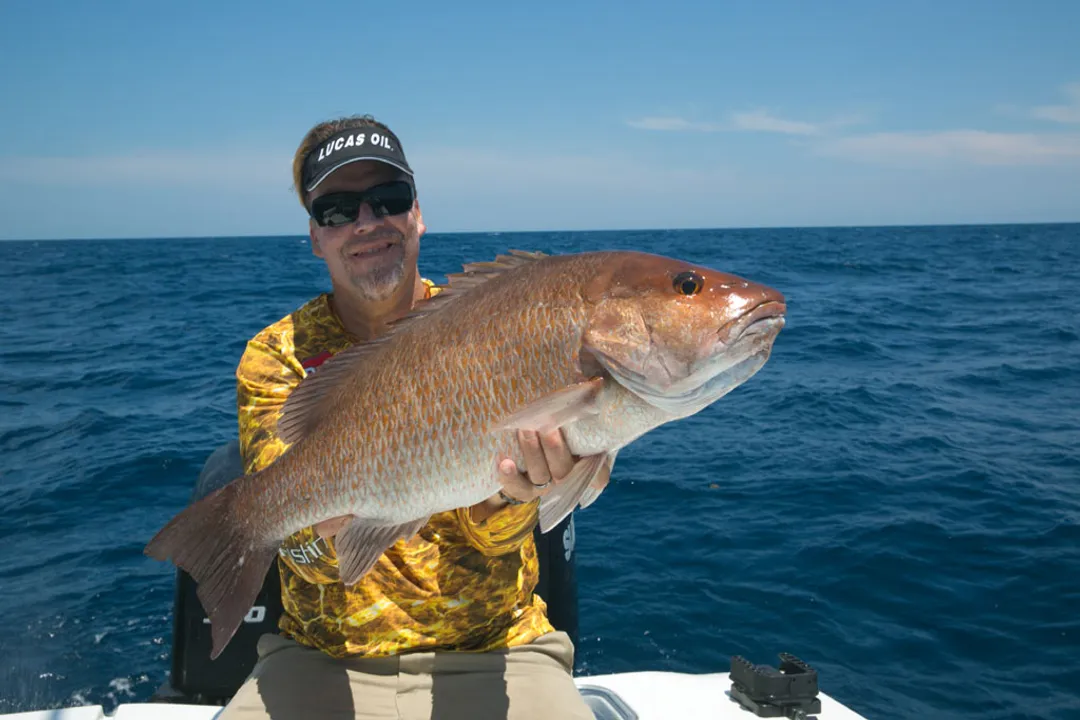
While the 30-pound mark is the theoretical ceiling, the reality of a typical day targeting these fish yields much smaller, yet still respectable, weights. [9] For anglers fishing structure or near docks in shallower waters, catches often hover in the 3- to 8-pound range. [9] These are excellent table fare and represent healthy, mature fish that have reached legal size limits. [1]
Many successful trips focus on landing fish that fall between 10 and 15 pounds. [4][7] These are often the largest specimens encountered by inshore and nearshore fishing charters operating close to the coast or around deeper reefs and rock piles. [7][9] For example, a healthy catch might consist of several fish in the 4- to 6-pound bracket, with perhaps one trophy pushing past 10 pounds. [8] It is worth noting that juvenile mangrove snapper, or "bait stealers" as they are sometimes jokingly called, can weigh only 1 to 2 pounds, often being the first fish to strike a presented bait. [9]

# Growth Dynamics
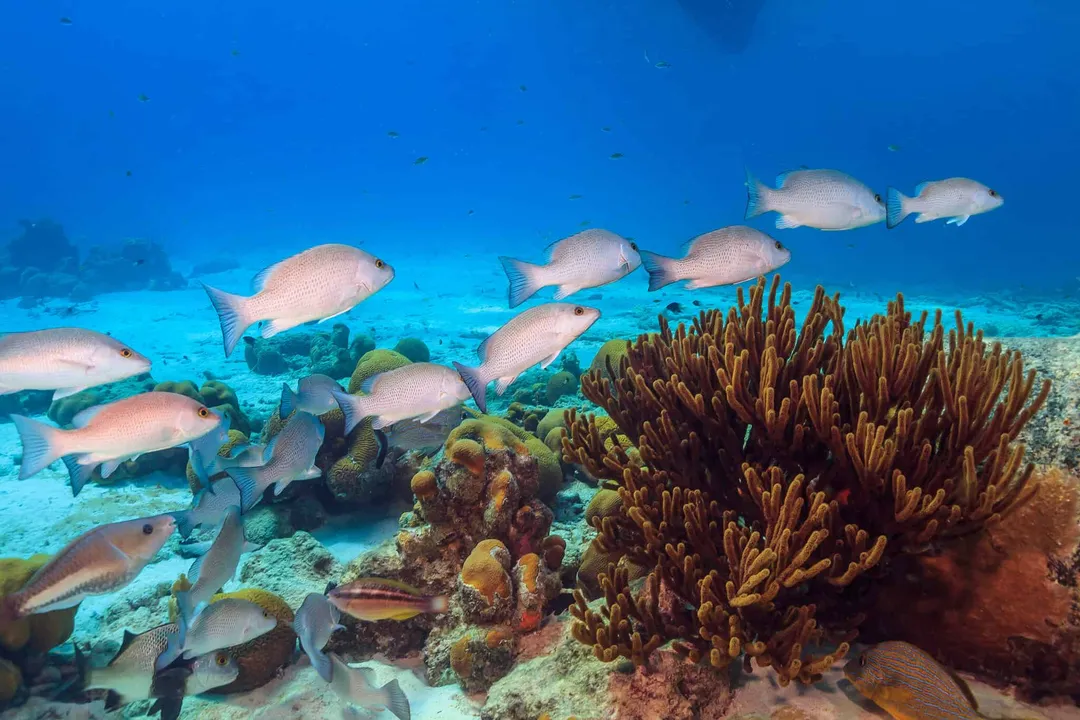
The significant variance in weight, even among fish of similar apparent ages, often comes down to the quality of their habitat. A mangrove snapper residing in a heavily structured, food-rich environment—perhaps an offshore wreck or a deep natural reef—will have access to a more consistent and energy-dense diet than one living in a highly pressured, brackish inshore canal system. [4] The offshore fish, which might be the ones reaching the higher end of the 10-to-15-pound range, dedicate more energy to growth rather than simply survival against multiple environmental stressors. [7] When you compare a 6-pound fish caught near a bridge piling to a 12-pounder pulled from a Gulf wreck, that 100% difference in mass is often a testament to the quality of the feeding grounds over the fish's lifespan, not just a few extra months of age. [9]
# Regulatory Context
Understanding the weight potential is inseparable from understanding the rules governing what you can keep. Fishing regulations, which vary by region and season, place hard limits on the size and number of snappers an individual can retain. [1] In areas managed by bodies like the Gulf of Mexico Fishery Management Council, there are specific slot limits or minimum sizes in place to protect juveniles and ensure the sustainability of the stock. [1] For instance, if the minimum keeper size is 18 inches, a mangrove snapper reaching that length might weigh just a few pounds, depending on its body density. [9] Anglers must always know the current regulations for the specific water they are fishing to avoid confiscation of their catch, which might include several keepers in that common 3- to 8-pound class. [1][3]

# Angler Strategy
For the recreational angler, focusing solely on catching the absolute largest, near-30-pound specimen can often lead to frustration, as those fish are exceptionally rare and usually require specialized offshore gear and knowledge. [7] A more pragmatic approach, one that ensures a high success rate for quality meat, involves targeting the known sweet spot for keepers. If regulations allow for a generous bag limit, say five fish per person, concentrating efforts on finding areas that consistently produce fish in the 4- to 8-pound bracket maximizes the legal yield for the day. [9] These fish are large enough to provide substantial fillets while being more readily available around common nearshore structures like ledges, artificial reefs, and natural bottoms. [4][7] Successfully targeting these mid-range weights requires understanding that they often prefer live or freshly cut bait over artificial lures, especially when water clarity decreases. [9]
Related Questions
#Citations
Snapper, Gray (Mangrove) | Gulf Council
Mangrove Snapper Fish Facts - Lutjanus griseus - A-Z Animals
Mangrove Snapper - Badfish Charters Tampa
Ultimate Guide to Catching Gray "Mangrove" Snapper in Destin, FL
Mangrove Snapper VS Red Snapper, What's the Difference?
Gray Snapper - FWC
Inshore Fishing and Mangrove Snapper - Reel Surprise Charters
Fishing for Mangrove Snapper or Gray Snapper | Mossy Oak
Guide to Mangrove Snapper Fishing