How can you tell if it's a yellow jacket or a bee?
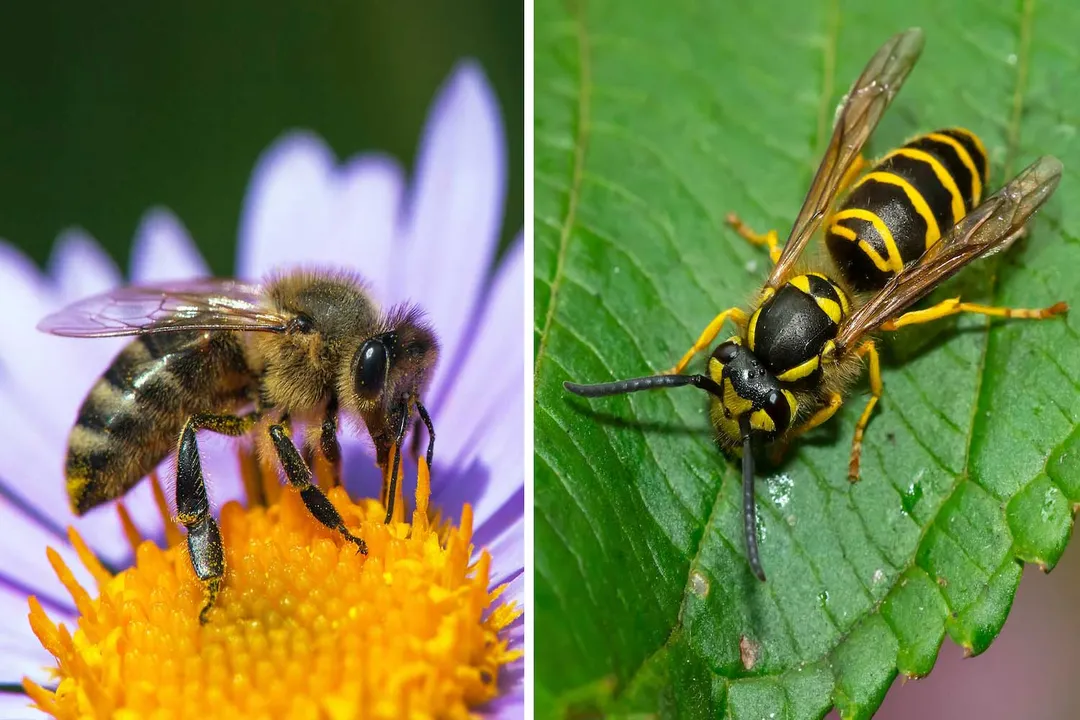
Many people encounter buzzing insects in their yards or near outdoor food and immediately worry about a painful sting. Distinguishing between the common honeybee and the often aggressive yellow jacket is crucial, as their temperaments and life cycles vary significantly. [1][2] While both are winged insects that can sting, observing a few key physical and behavioral details quickly sorts them out in the field. [3]
# Hairiness
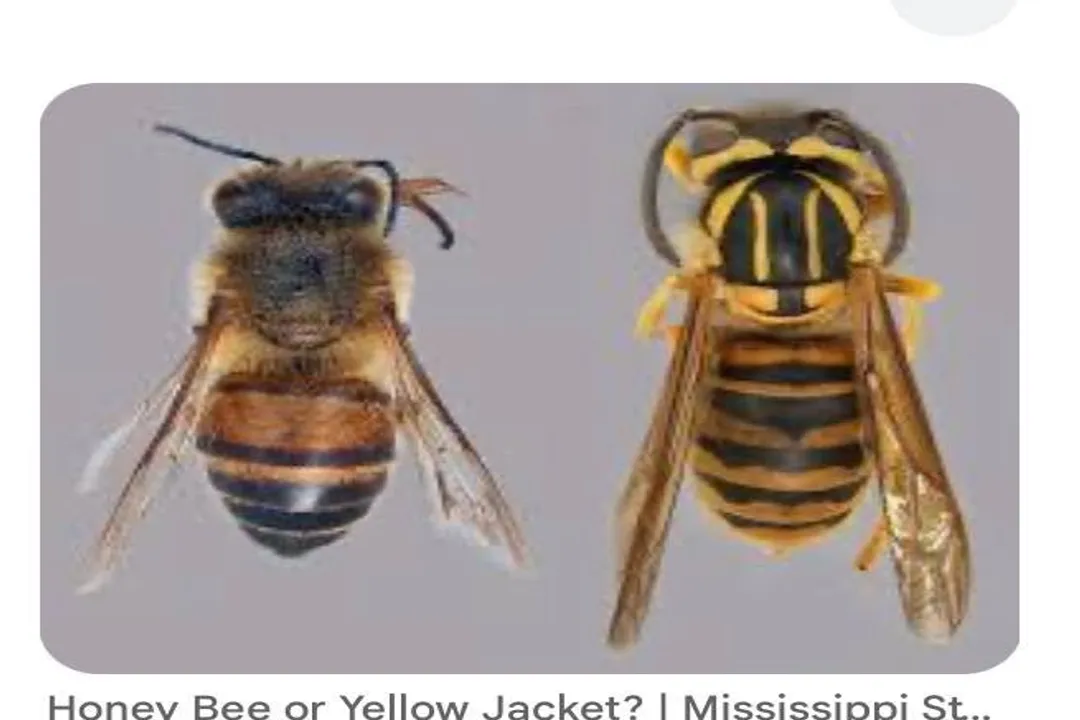
The most immediate visual clue lies in the body texture. If you see an insect that appears fuzzy or slightly dusty, you are likely looking at a bee, such as a honeybee or a bumblebee. [2] Bees are covered in branched hairs that are essential for their job—collecting and transporting pollen from flower to flower. [1][3]
Yellow jackets, conversely, look sleek and smooth. Their exoskeletons are glossy, lacking the dense coat of hair seen on bees. [2][3] This lack of fuzz gives them a shinier, almost plastic-like appearance compared to their pollen-gathering counterparts.
# Body Profile
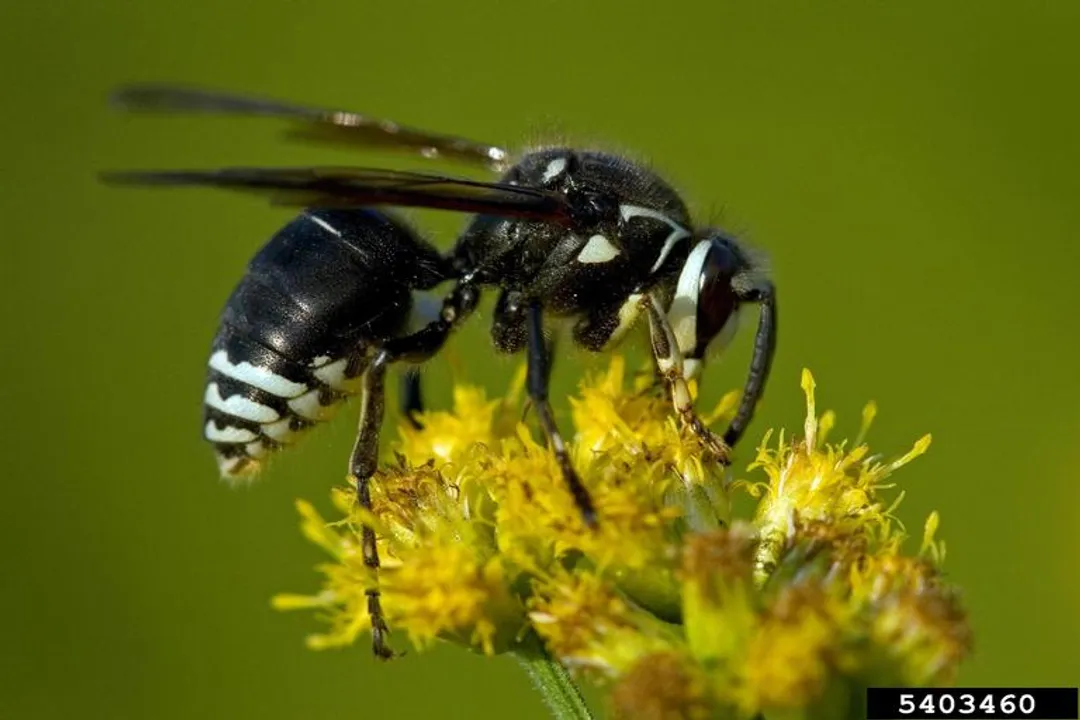
Beyond the fuzz, the insect’s overall silhouette provides another major distinguishing factor. Bees, particularly honeybees, tend to have a relatively uniform, plump, or somewhat rounded body shape. [3] They don't show a dramatic narrowing between the thorax and abdomen.
Yellow jackets possess the classic wasp body plan. They exhibit a very pronounced, narrow waist—that distinct constriction point separating the upper body section from the rear segment. [3] This slender profile is a strong indicator that you are dealing with a yellow jacket rather than a bee.
# Coloration
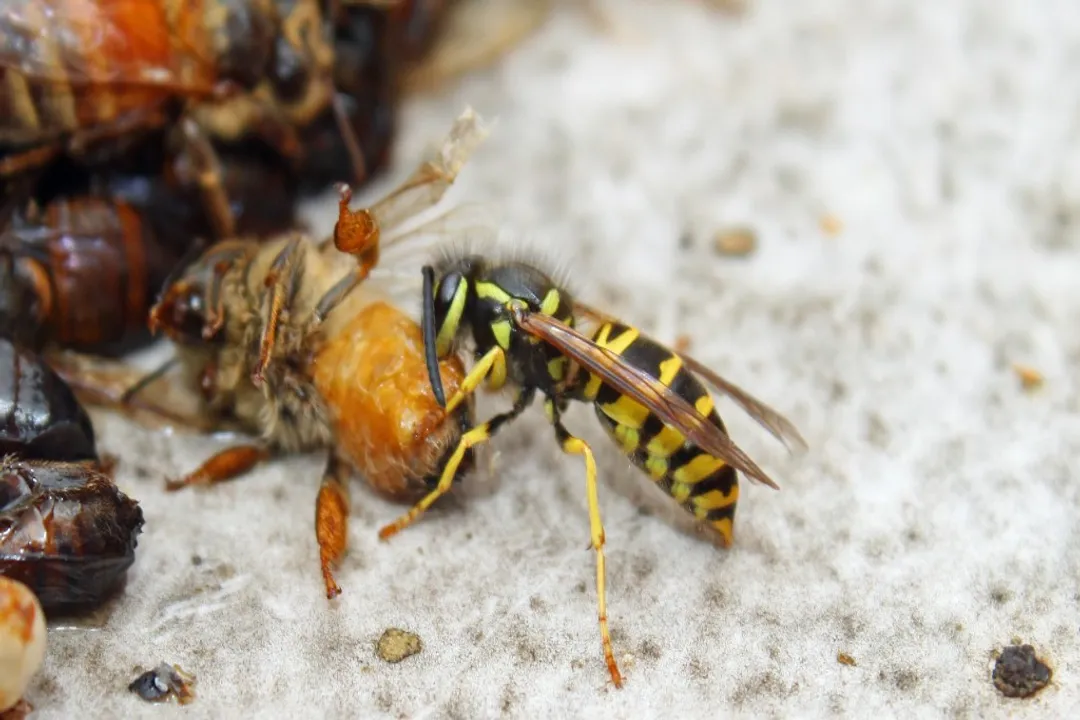
Color is often the source of the most confusion because both insects typically feature black and yellow markings. However, the quality and sharpness of these colors are different. Honeybees often display colors that lean toward gold, amber, or brownish-yellow tones mixed with dark brown or black bands, resulting in a less stark visual contrast. [3]
Yellow jackets are known for their vivid, high-contrast pattern. They have brilliantly defined, sharp bands of bright yellow sharply delineated against deep black markings. [2][3] The demarcation between the colors on a yellow jacket is generally much cleaner and more striking than on a honeybee.
Before you even get close enough for a detailed inspection of the hair or waistline, consider the insect’s current activity. If you observe an insect intensely focused on investigating discarded meat, sweet soda residue, or uncovered sugary drinks on a picnic table, the odds are overwhelmingly in favor of it being a yellow jacket. Bees are focused almost entirely on floral resources, making their choice of target a useful, non-intrusive way to sort them out in real-time. [1]
# Nesting Sites
The location and construction method of the home give away the builder's identity. Honeybees build their comb structures out of wax, typically inside enclosed, protected spaces like hollow trees or man-made wooden hives. [1] They do not construct exposed nests from chewed wood pulp.
Yellow jackets, on the other hand, are known for creating papery nests. They chew wood fibers and mix them with their saliva to create a lightweight, grayish, layered paper material. [1] These nests are often completely hidden from view, frequently built inside underground cavities, such as old rodent tunnels, or concealed within wall voids or heavy insulation in attics. [1] Spotting a papery nest indicates a yellow jacket colony, which demands different handling precautions than a visible honeybee hive. [3]
# Food Habits
The insect’s feeding behavior around humans is a major safety indicator. Bees are vegetarian, relying solely on nectar for carbohydrates and pollen for protein, meaning they are drawn exclusively to blooming flowers. [1] A bee near your garden is usually doing its job and poses little threat unless its hive is disturbed.
Yellow jackets are opportunistic omnivores and scavengers, especially as the colony matures later in the summer. [2] They actively hunt for protein (like meat or fish scraps) to feed their developing larvae and seek out sugars to fuel the adults. [1] If an insect is persistently and aggressively investigating your sandwich or the rim of your drink, you are dealing with a scavenger, which points directly to a yellow jacket needing to be given a wide berth. [2]
# The Sting Factor
Understanding the potential consequences of an aggressive encounter provides another strong point of differentiation. Honeybees employ a barbed stinger. Upon stinging a thick-skinned mammal, the stinger often remains embedded in the victim, tearing away part of the bee's abdomen and leading to its death shortly after the defense mechanism is deployed. [1] This limits them to a single sting.
Yellow jackets possess smooth stingers, much like other wasps. [3] This smooth design allows them to sting repeatedly without dying. This capability means that if a yellow jacket feels truly threatened, it can deliver multiple painful injections in quick succession, which is why they are often perceived as being more aggressive or dangerous than the single-sting honeybee. [1][3]
To help consolidate these identification points for quick decision-making when you see a buzzing insect approaching, using a direct comparison chart can be very effective.
# Quick Comparison Table
| Feature | Honeybee | Yellow Jacket |
|---|---|---|
| Body Hair | Fuzzy, hairy texture [2][3] | Smooth, waxy, or glossy [2][3] |
| Body Shape | Rounder, stouter appearance [3] | Distinct, narrow "wasp" waist [3] |
| Color Pattern | Softer contrast, often gold/amber/brown tones [3] | Sharp, brilliant yellow and deep black bands [2][3] |
| Primary Diet | Nectar and pollen (Flowers only) [1] | Scavenger/Predator (Sugars, meats, picnic food) [1][2] |
| Stinger | Barbed; stings once, then dies [1] | Smooth; can sting repeatedly [1][3] |
| Nest Type | Wax combs, usually in cavities [1] | Papery envelope, often underground [1] |
If you are observing an insect near your porch that is stout, fuzzy, and focused on the lavender bush, you can generally relax; you have a pollinator at work. [1] If the insect is shiny, aggressively circling your plate, and seems ready to confront you over a dropped piece of fruit, treat it as a yellow jacket and calmly retreat to avoid provoking a multi-sting defense. [2][3] Recognizing these subtle differences between the essential pollinator and the opportunistic scavenger makes outdoor interactions much safer and more informed.
#Videos
Honeybees VS Yellow Jackets - YouTube
Related Questions
#Citations
What's the difference between yellowjackets and honeybees?
What's the difference?: Honeybee vs. yellow jacket
Yellow Jackets vs. Honey Bees | Tomlinson Bomberger
Know the difference between honeybees and yellowjackets
Honeybees VS Yellow Jackets - YouTube
How to tell the difference between a yellow jacket, honeybee ...
Can you tell if this hive is bees or yellow jackets by their flight patterns?
Identify Your Bees or Wasps - The Bee Shepherds Bee Removal
Yellow Jackets - Texas Apiary Inspection Service (TAIS)