Do crabeater seals have any predators?
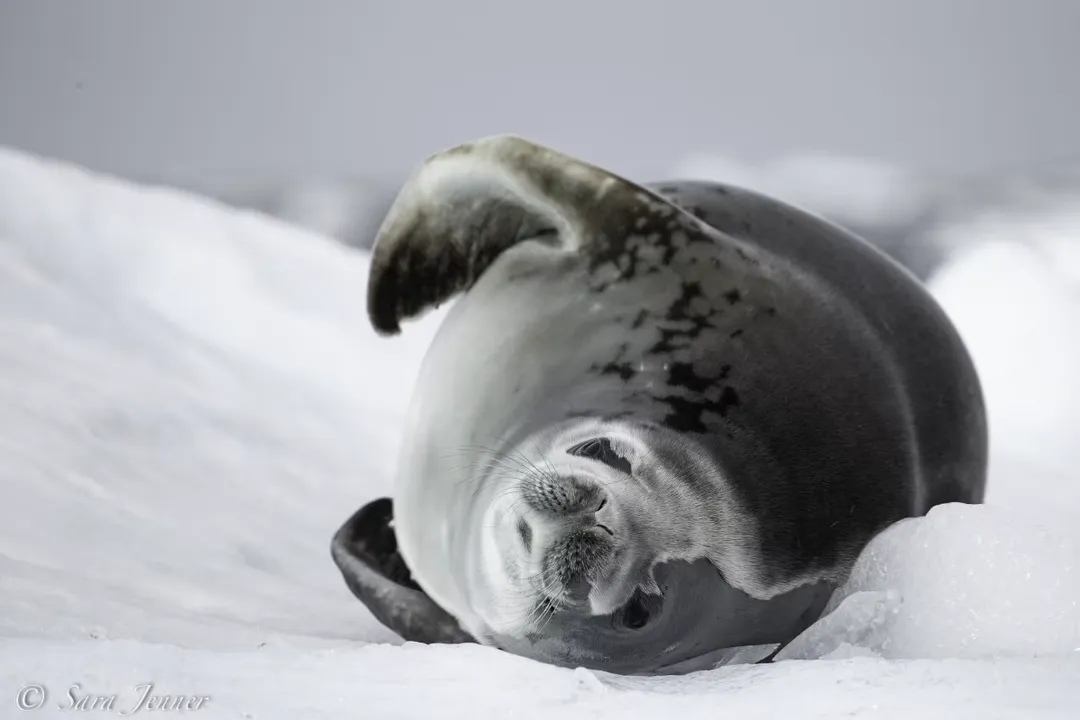
The existence of large marine mammals in the harsh Antarctic environment inevitably raises questions about their standing in the local food web. For the crabeater seal (Lobodon carcinophaga), the picture regarding threats is surprisingly narrow, given their immense global population. These seals, despite their abundance, do not enjoy complete impunity in the Southern Ocean; rather, their survival depends on occupying a very specific ecological niche and navigating the risks posed by two dominant predators.
# Antarctic Threats
When examining the list of animals that might target an adult crabeater seal, the roster of threats is quite short. In fact, sources consistently point to just two primary predators: the massive Orca (or Killer Whale, Orcinus orca) and the formidable Leopard Seal (Hydrurga leptonyx). While other creatures might occasionally attempt an opportunistic attack, these two species represent the established, recognized dangers throughout the crabeater seal's range across the Antarctic pack ice and open waters.
# Leopard Attacks
The Leopard Seal earns significant attention as a major threat, particularly to the younger demographic of the crabeater population. These formidable predators are known to target both pups and juveniles. Leopard seals are apex predators in their own right, characterized by powerful jaws built for taking down large prey, including penguins and other seals. The attacks are not rare occurrences; they are a documented part of the ecosystem dynamic in the Antarctic.
Survival statistics suggest that the transition from pup dependency to independent adulthood is a perilous time for these seals. A pup, born relatively small—around 1.2 meters in length—is significantly more vulnerable than the fully grown adult, which can reach nearly three meters and weigh up to 300 kilograms. This size disparity between juvenile crabeaters and an aggressive leopard seal likely dictates the success rate of such encounters.
# Killer Presence
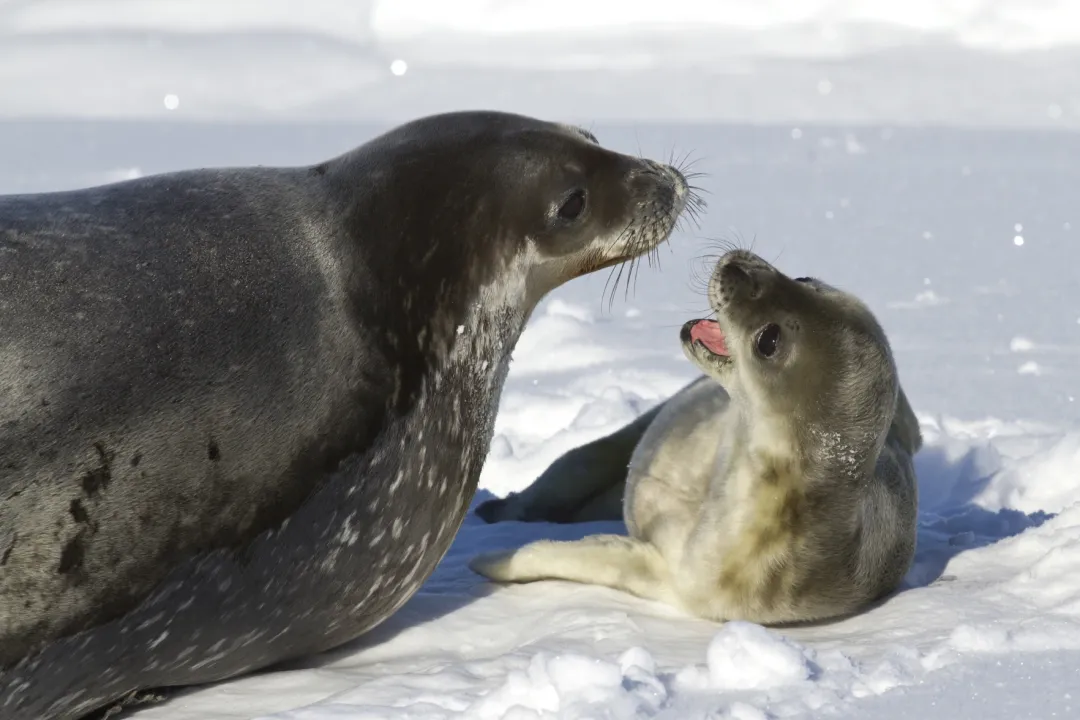
The other major predator on the list is the Orca, a highly intelligent and adaptable apex predator that exists across most of the world’s oceans. While leopard seals seem to focus their efforts on the less experienced younger seals, orcas, due to their social structure and immense size, pose a credible threat to seals of all ages. Orcas are known to hunt cooperatively, which can be a decisive factor when confronting large marine mammals. Although the sources do not specify an age preference for orca predation as strongly as they do for leopard seals, the sheer power of an orca pod suggests that adult crabeaters must remain vigilant, particularly when swimming far from the relative safety of the dense ice edge.
# Population Density
The most striking aspect of the crabeater seal’s existence, perhaps more important to their overall survival than any single defensive move, is their sheer abundance. Estimates suggest that crabeater seals may be the most numerous seal species on the planet, with population figures potentially ranging from 15 million up to 50 million individuals.
This massive population size plays a significant, if unquantified, role in their ecological success. Even if predation by leopard seals and orcas is consistent, the sheer scale of the crabeater seal population means that the removal of individuals via predation likely has a negligible impact on the species' overall viability. In fact, if one were to walk along the Antarctic ice, one would likely see numerous crabeater seals resting together on floes, perhaps unaware of the danger posed by the two species that actively hunt them.
# Krill Diet
Diving deeper into the crabeater seal's lifestyle reveals why they thrive where they do. Their diet is incredibly specialized, focusing almost entirely on Antarctic krill—often making up more than 90% of their intake. This reliance on small, schooling crustaceans is reflected in their unique dental structure. Unlike the broad, crushing teeth of many other seal species, crabeaters possess complex, multi-cusped teeth that interlock, acting like a sieve to strain krill from the water after they scoop up mouthfuls of seawater.
This highly specialized feeding strategy is fascinating because it means crabeater seals exist in a largely separate ecological channel from many other Antarctic predators. They are not competing directly for the larger fish or squid that might attract other apex predators. This tight specialization means that their primary food source is abundant and generally not contested by the larger, more generalized predators like orcas, which often target larger fish or penguins when krill is less available. It is a trade-off: dietary specialization secures a massive, reliable food base but ties the animal strictly to the presence of krill concentrations.
# Survival Tactics
Given that their primary predators are the leopard seal and the orca, the crabeater seal’s defense mechanisms are relatively simple, reflecting their ecological role. Adults rely on their size and speed in the water. While they spend a great deal of time hauled out on the ice, they are built for swift movement in their watery domain. For a species that spends much of its life traversing the vast, broken landscape of the pack ice, an ability to quickly slip into the water and escape or navigate the crevices is paramount.
It is worth considering that the very specialization that defines them also dictates their defense strategy. Because their food source is so pervasive across the pack ice, they are often widely distributed rather than clustered in dense haul-outs where they would present a unified, defensive mass. Their survival is thus reliant on individual agility and perhaps the sheer difficulty of hunting such a fast, agile animal in a broken ice environment.

# Visible Scars
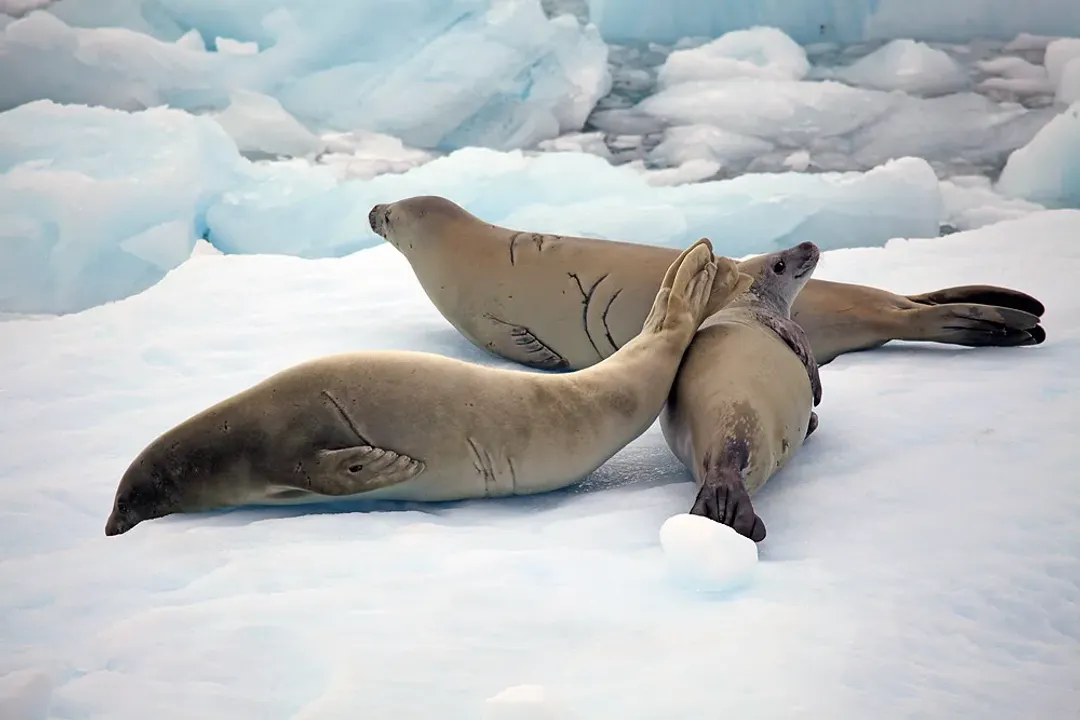
The reality of these threats is not just theoretical; it leaves physical evidence. If one observes a mature crabeater seal, especially one that has survived its juvenile years, it is common to see evidence of past altercations. Many individuals bear distinct scars, often long, linear gashes or bite marks on their bodies, which are tell-tale signs of an encounter with a leopard seal.
These scars serve as a stark, visual reminder that they have successfully evaded a life-threatening attack from a much more aggressively carnivorous relative. Finding a scar on an adult seal signifies a successful evasion of the primary, smaller-scale predator during its most vulnerable life stages.
# Niche Isolation
The relative lack of other predators, despite the crabeater seal’s massive numbers and extensive range across the Southern Ocean, suggests that ecological partitioning is highly effective here. The Antarctic marine ecosystem is structured around the primary productivity of krill. While the orca is an opportunistic feeder, the leopard seal has clearly specialized enough to target crabeater seals, especially the young. This dynamic essentially creates a "closed system" of predation pressure tailored to the crabeater's life cycle and available niche. If crabeater seals began heavily competing with, say, the Weddell seal for larger fish, they might inadvertently draw the attention of other potential predators not currently listed as major threats. By sticking almost exclusively to krill, they maintain a high biomass in a very specific food layer, which keeps their predator list short and consistent: the leopard seal, which follows the same ice edge hunting strategy, and the orca, which preys on nearly everything. This tight ecological fit, built around a single, abundant prey item, is arguably their best long-term protection against a wider array of generalized threats.
Related Questions
#Citations
Six Facts About the Crabeater Seals of Antarctica
Crabeater Seals in Antarctica | Facts, Identification and Travel tips
Crabeater seal - Wikipedia
Crabeater Seals - Lobodon carcinophagus - Antarctica fact file
Lobodon carcinophaga (crabeater seal) - Animal Diversity Web
Crabeater Seal | Antarctica Wildlife - SA Vacations
Crabeater seal with scars from a leopard seal attack ... - Reddit
Seals of the Antarctic Peninsula - Poseidon Expeditions
This seal has the craziest teeth in the carnivore world