What are the predators of the aurochs?
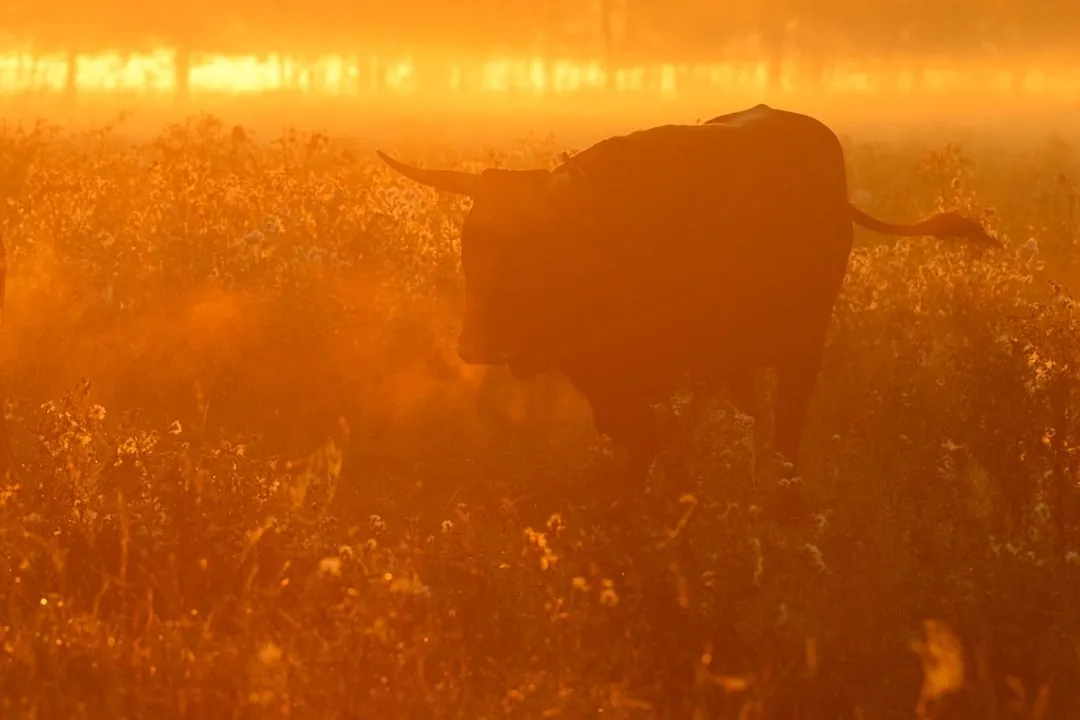
The extinct Bos primigenius, or aurochs, was a magnificent and imposing beast, one of the largest wild bovids ever to walk the earth, which naturally leads to questions about what dangers it faced in its wild environment. For an animal that could reach enormous size—with bulls considerably larger than any modern domestic cattle—the list of natural adversaries capable of bringing down a prime adult would have been remarkably short. [1][2] Assessing its ancient ecosystem involves identifying those few carnivores and, critically, the one species whose technological advances made it the ultimate threat: Homo sapiens. [3][5]
# Size Barrier

The sheer scale of the aurochs presented an immediate deterrent to most predators across its vast historical range in Europe, Asia, and North Africa. [4] Adult bulls, in particular, possessed immense strength and stature, often forcing potential attackers to reconsider the risk versus reward of a confrontation. [2] This powerful defense meant that, much like modern bison, a mature, healthy aurochs was likely too formidable a target for most predators to attempt an attack on their own. [3]
It is helpful to consider the relative scale of the challenge. If we estimate the weight difference between a contemporary grey wolf (Canis lupus) and a mature aurochs bull, the size disparity is akin to a modern wolf attempting to take down a full-grown African elephant; while wolves successfully hunt large prey like elk or moose, those animals are often only one-third to one-half the size of the largest aurochs. [3] Therefore, any successful predation likely targeted the very young, the infirm, or the isolated, rather than established herd units of prime animals. [9]
# Mega Carnivores
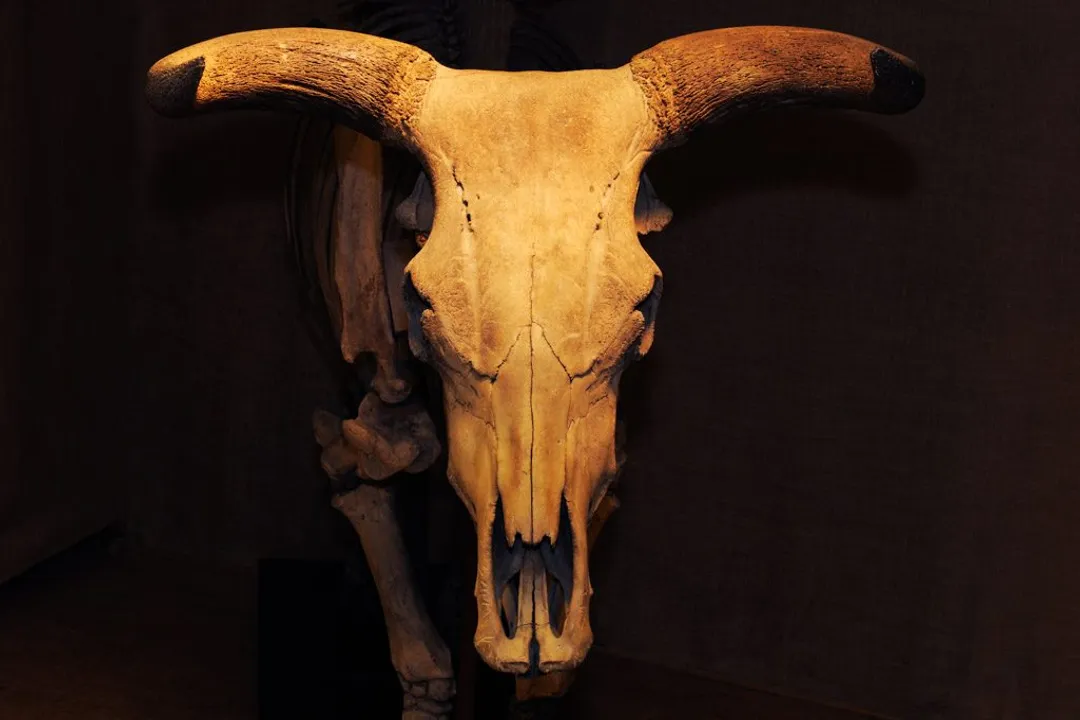
While the odds were stacked against them, aurochs shared their habitat during certain periods with some of the most formidable terrestrial carnivores the world has ever known. These large predators constituted the primary natural check on the aurochs population before the widespread expansion of agricultural societies. [7]
# Cave Lions
The Cave Lion (Panthera spelaea) is frequently named as a significant predator during the Pleistocene epoch when the aurochs population was at its most widespread and perhaps genetically diverse. [9] These lions were significantly larger than their modern African counterparts. [7] An alliance or a highly coordinated attack by a cave lion pride would have been necessary to successfully bring down an adult aurochs, making this a rare but significant predatory event. [9] The timing of these interactions is important, as the aurochs survived well past the extinction of the cave lion in many regions, shifting the balance of predation pressure in later eras. [7]
# Bears
The presence of large bears, specifically the Brown Bear (Ursus arctos), also presented a threat. [9] Although bears are often depicted as primarily scavengers or omnivores, large individuals, especially when encountering a calf or a separated cow, possess the raw power to be effective hunters of large ungulates. [9] While evidence for bears regularly preying on adult aurochs is less definitive than for lions or wolves, their presence in the same ecological niche certainly placed them in direct competition and occasional conflict. [7]
# Wolves
The Wolf (Canis lupus) is consistently cited as a predator of the aurochs across various time periods and geographic regions where both species coexisted. [3][4][5][8] Wolves rely on pack hunting to subdue large prey, and their strategy likely focused heavily on separating vulnerable animals from the main group. [3] While an adult bull would probably remain untouchable, an orphaned calf, a sick individual, or perhaps an exhausted animal separated during a harsh winter would have been within the wolves’ capabilities, especially in later European habitats where the mega-carnivores had disappeared. [3][4]

# Human Hunting
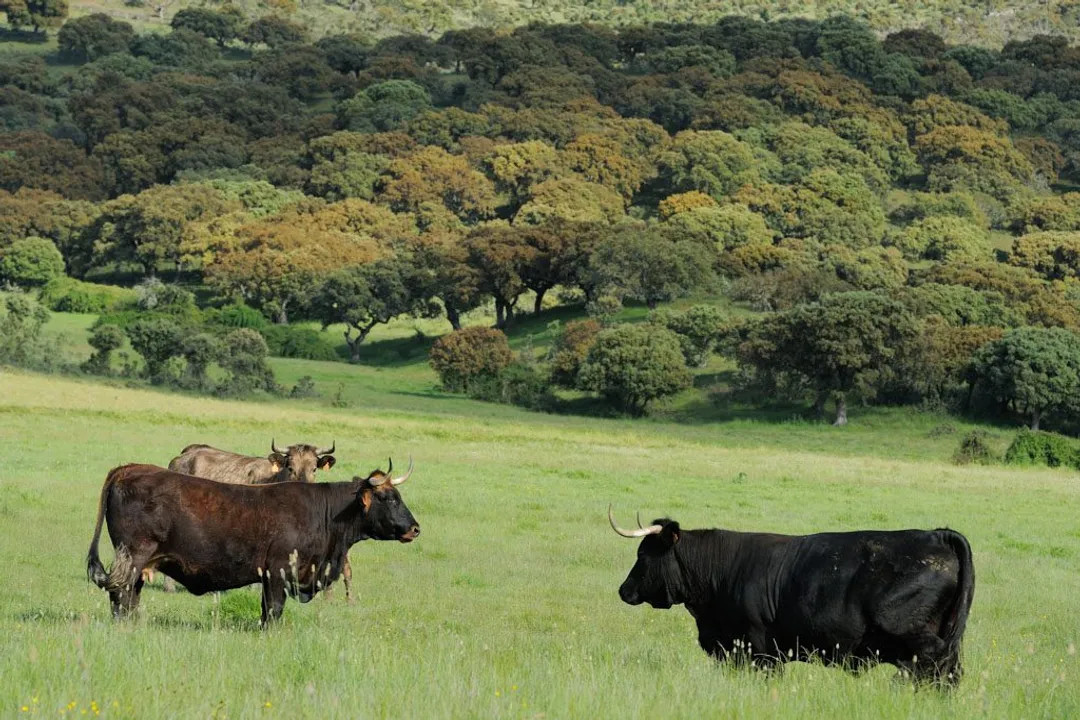
If we look strictly at consistent, documented pressure, humans stand out as the most enduring and ultimately successful predator of the aurochs. [2][3] The domestication process, which began millennia ago, is a testament to humanity's successful hunting of this wild bovine. [2]
Archaeological evidence and historical accounts confirm that aurochs were highly valued game animals. [2] Humans hunted them for meat, hides, and potentially for symbolic reasons, driving the species toward decline across its range. [5] The hunting pressure from humans intensified steadily as populations expanded and hunting technology improved, particularly following the disappearance of the great Pleistocene carnivores. [9]
We can infer a difference in methodology between early human hunters and large carnivores. While a lion pride relies on ambush and overwhelming physical strength in a direct confrontation, human hunters could employ projectile weapons, fire, and organized surround tactics over vast distances, effectively neutralizing the aurochs' primary defense—its raw, close-quarters power. [2] This difference in approach is crucial; it allowed humans to succeed where even a pride of wolves might fail against a healthy adult.
# Shifting Pressures
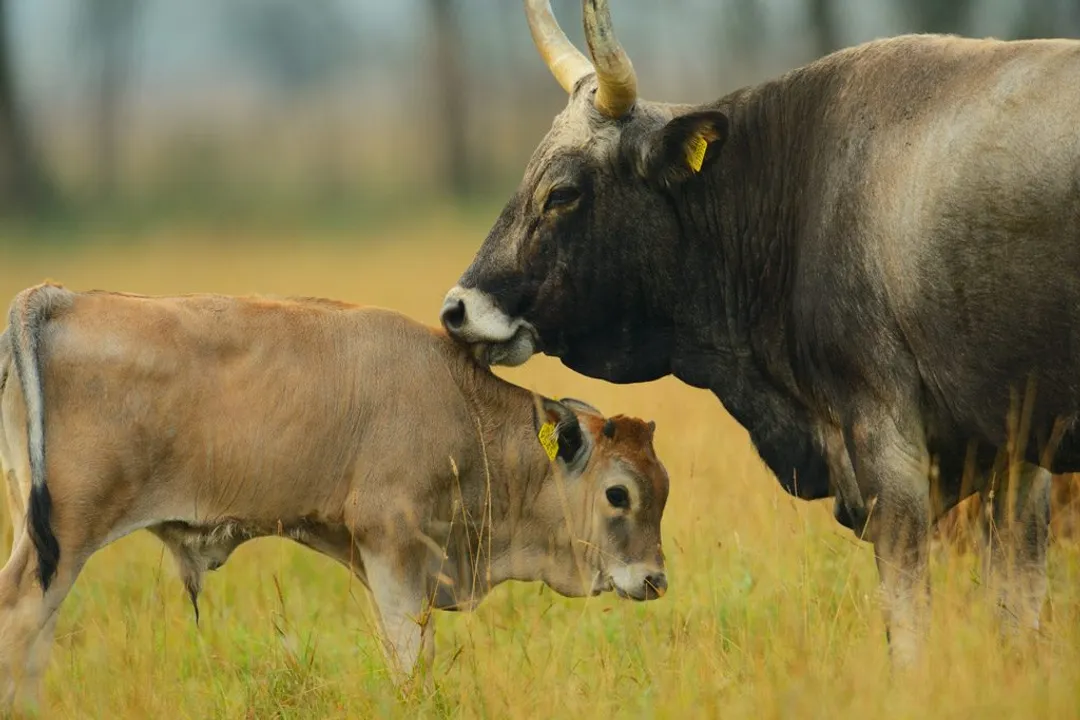
It is fascinating to trace how the predatory landscape evolved for Bos primigenius over its long history. In the Ice Age European steppes, the aurochs faced a mega-predator guild: cave lions, cave bears, and packs of early wolves. [7][9] This period represented an apex predator challenge, forcing aurochs to maintain peak physical condition and strong herd cohesion to survive. [3]
As the climate warmed and the megafauna began to disappear, the ecological void was not entirely filled. While wolves remained, the sheer force that could challenge an adult aurochs waned significantly in the Holocene. [7] This reduction in large natural threats paradoxically made the aurochs more vulnerable to the rising influence of human populations. [2][5] In the final centuries of the species’ existence, the wolf was the only remaining natural predator, but human land use and sustained hunting eliminated the aurochs long before any natural competitor could finish the job. [5] This final stage illustrates a common pattern in extinction events: the removal of natural ecosystem checks leaves populations acutely exposed to generalized human impact. [2]
The known predators, therefore, can be categorized by the era they dominated:
| Era | Primary Natural Predators | Key Factor |
|---|---|---|
| Pleistocene | Cave Lion, Brown Bear, Wolf | Intense competition from megafauna [7][9] |
| Holocene | Wolf | Great reduction in competition; rise of human pressure [3][5] |
For the last wild aurochs, likely in the Jaktorów Forest in Poland, the only remaining threat would have been the wolf and the human poacher, with the latter being the guaranteed executioner. [2] This transition from battling apex predators to succumbing to technologically superior herbivores marks the final, sad chapter in the story of this magnificent wild cattle.
Related Questions
#Citations
were there ever "wild" cows? do cows have any natural enemies?
Aurochs: back from extinction to rewild Europe - Mossy Earth
What was the hunting behavior of aurochs? Were they pack animals ...
Aurochs | Animal Database | Fandom
Tauros | Rewilding Europe
Aurochs, the ancestor of modern cattle, in ancient European societies
American auroch and the cold war of the herbivores
Aurochs-Bos primigenius | The World of Animals - ProBoards
Fauna of MeyerHawk - The Auroch - Anna B. Meyer