Does the brown hyena have any predators?
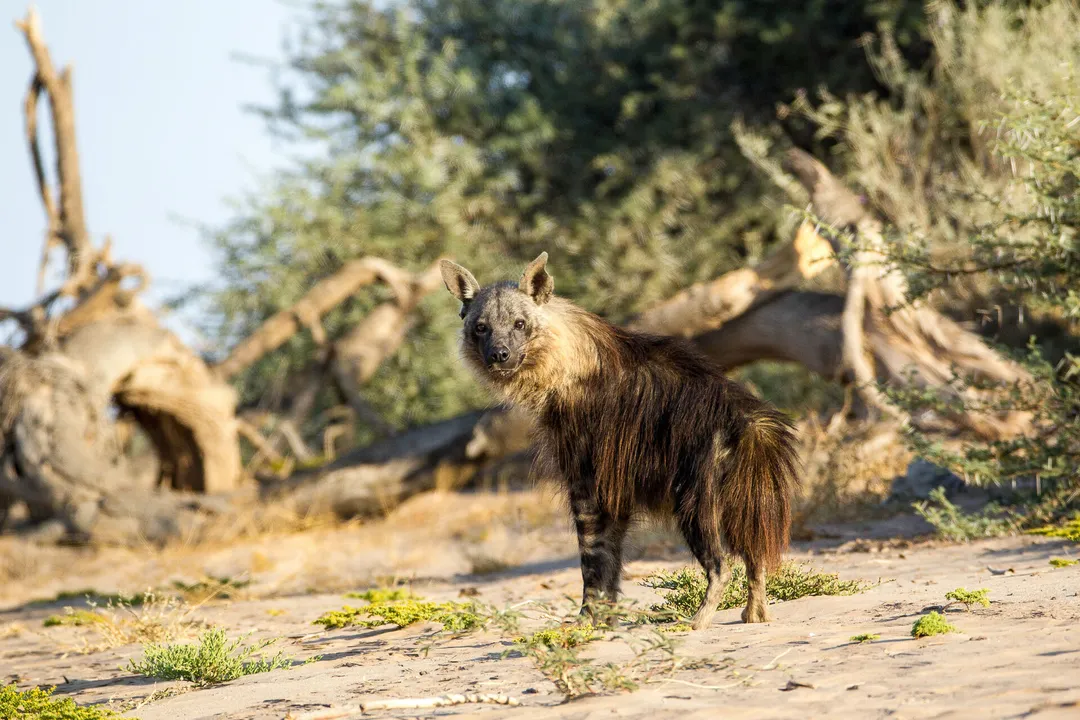
The brown hyena, Hyaena brunnea, presents a striking figure across the arid landscapes of Southern Africa, immediately recognizable by its shaggy, dark coat, long mane, and distinctly drooping ears. While their appearance suggests ferocity—and they certainly are capable carnivores and effective scavengers—their status as one of the continent's rarest large carnivores means that observations of their behavior, including interactions with other carnivores, are seldom witnessed. Understanding their place in the food web requires looking not only at what they eat, but what views them as a potential meal or a dangerous rival.
# Rarity Significance
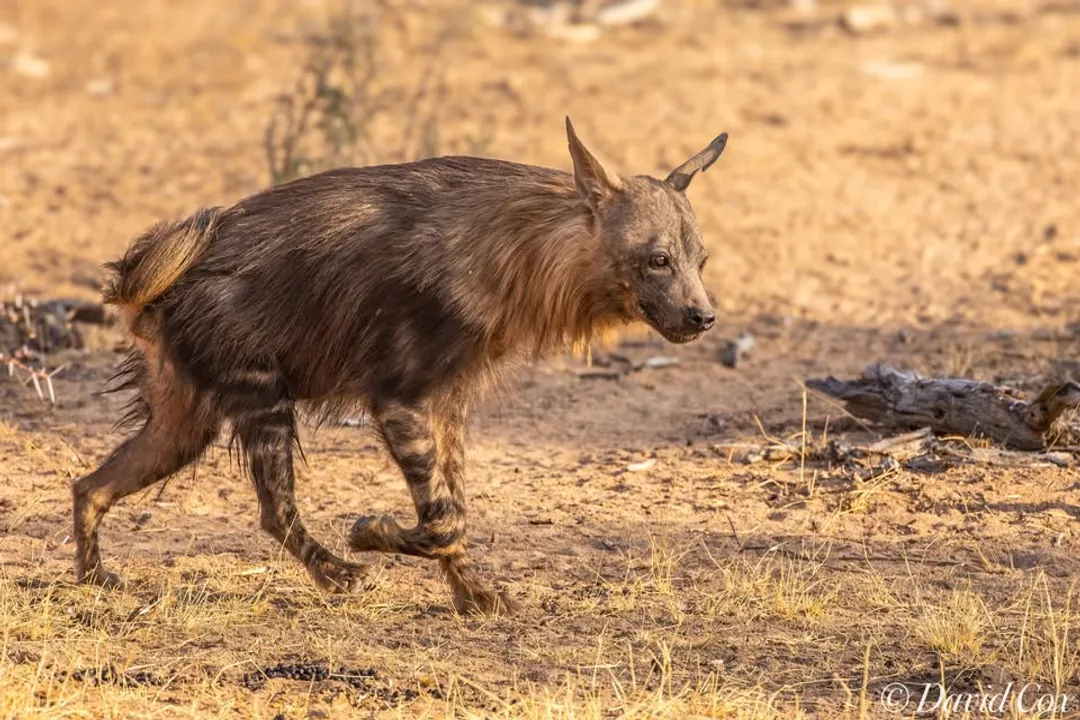
Found predominantly in areas like the Kalahari and Namib deserts, the brown hyena occupies environments that can be harsh and sparsely populated with prey. This creature is typically nocturnal, which further contributes to its elusiveness. Unlike the more gregarious and aggressive spotted hyena, the brown hyena often lives in smaller clans, sometimes ranging alone while foraging. This solitary or small-group tendency, coupled with their specific habitat preferences, sets them apart ecologically from other African carnivores.
# Direct Threats
When directly addressing whether the brown hyena faces predation, the answer is yes, they do have threats from other large animals and humans. The biggest dangers they encounter generally come from species occupying a higher position on the local predator hierarchy or those competing directly for carcasses and territory.
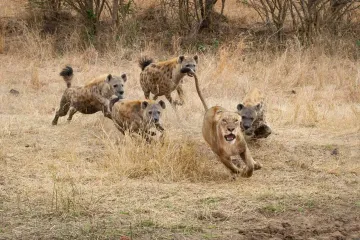
The most frequently cited antagonists are the lion (Panthera leo) and the spotted hyena (Crocuta crocuta). These conflicts are usually instances of interspecific aggression or lethal kleptoparasitism, where a larger, more dominant predator steals a scavenged meal and kills the smaller hyena in the process.
# Intraguild Conflict
The relationship between the brown hyena and the spotted hyena is particularly fraught. Spotted hyenas are generally more powerful, socially complex, and numerous in shared territories, making them a serious risk factor. Brown hyenas have developed strong avoidance behaviors; they typically give lions and spotted hyenas a wide berth to prevent fatal encounters. They are often seen scavenging near lion kills, but they must operate with extreme caution, relying on the lion’s satisfaction or absence before approaching.
Interestingly, other solitary hunters are also part of the equation. Leopards and cheetahs are known to compete with brown hyenas for resources, and while direct predation by these cats on a healthy adult brown hyena might be rare, the power dynamic certainly favors the cat in a direct confrontation, especially if the hyena is young, sick, or distracted. This dynamic of competition is a constant feature of their existence in areas where species overlap. This avoidance strategy suggests that for the brown hyena, conflict avoidance is a superior survival tactic to direct confrontation, a common theme among mesopredators occupying overlapping ranges with apex species like lions.
A comparison of their feeding habits shows why confrontations might be inevitable. While lions and spotted hyenas frequently hunt large ungulates, the brown hyena relies more heavily on scavenging, sometimes even eating coastal refuse in specific areas like the Namib Desert.
| Competitor/Predator | Primary Threat Mechanism | Typical Interaction Style |
|---|---|---|
| Lion (P. leo) | Predation or lethal defense of kill | Avoidance; opportunistic scavenging |
| Spotted Hyena (C. crocuta) | Direct aggression; superior numbers | Strong avoidance; territorial dispute |
| Leopard/Cheetah | Competition for smaller carcasses | Potential predation on the weak |
| Human | Persecution; habitat pressure | Direct killing |
# Human Impact
Beyond natural competitors, humans represent a significant source of mortality for Hyaena brunnea. In farming areas, brown hyenas may be killed due to perceived threats to livestock, even though their primary diet often consists of carrion and natural desert resources. Historical persecution and ongoing conflicts related to land use continue to impact their populations across their range.
# Survival Niche
Despite the presence of highly dominant carnivores, the brown hyena maintains its niche through a combination of ecological specialization and behavioral flexibility. Their ability to thrive in arid zones where other large predators might struggle for consistent food supplies is key. Furthermore, their feeding habits often place them at the edges of the major predator activity—scavenging what the lion leaves, or utilizing food sources unavailable or uninteresting to the spotted hyena, such as coastal debris. Given their tendency toward nomadism and their diet often relying on carrion rather than active predation of large prey, their interaction risk with apex predators is likely lower than that of a resident leopard, positioning them as specialized marginal exploiters of the same ecosystem spaces. This means that while they can be preyed upon, their daily activities are often structured to minimize the probability of encountering their primary threats, securing their continued existence even under the shadow of lions and spotted hyenas.
#Videos
the nightmare of cheetahs and leopards! Brown hyena vs ... - YouTube
This Scruffy Hyena Sends Leopards Running for Their ... - YouTube
Related Questions
#Citations
the nightmare of cheetahs and leopards! Brown hyena vs ... - YouTube
This Brown Hyena, one of Africa's rarest predators, has been living ...
The Brown Hyena: One of Southern Africa's Rarest Large Carnivores
Brown Hyena: Predator-Prey Interactions, Fights, and Aggressive ...
How do brown hyenas maintain dominance in areas without lions or ...
Hyaena brunnea (brown hyena) - Animal Diversity Web
Brown Hyenas are primarily a scavenging species and can walk up ...
Brown Hyena: Scavenger Stories | Madikwe Hills Blog