What does a file snake eat?
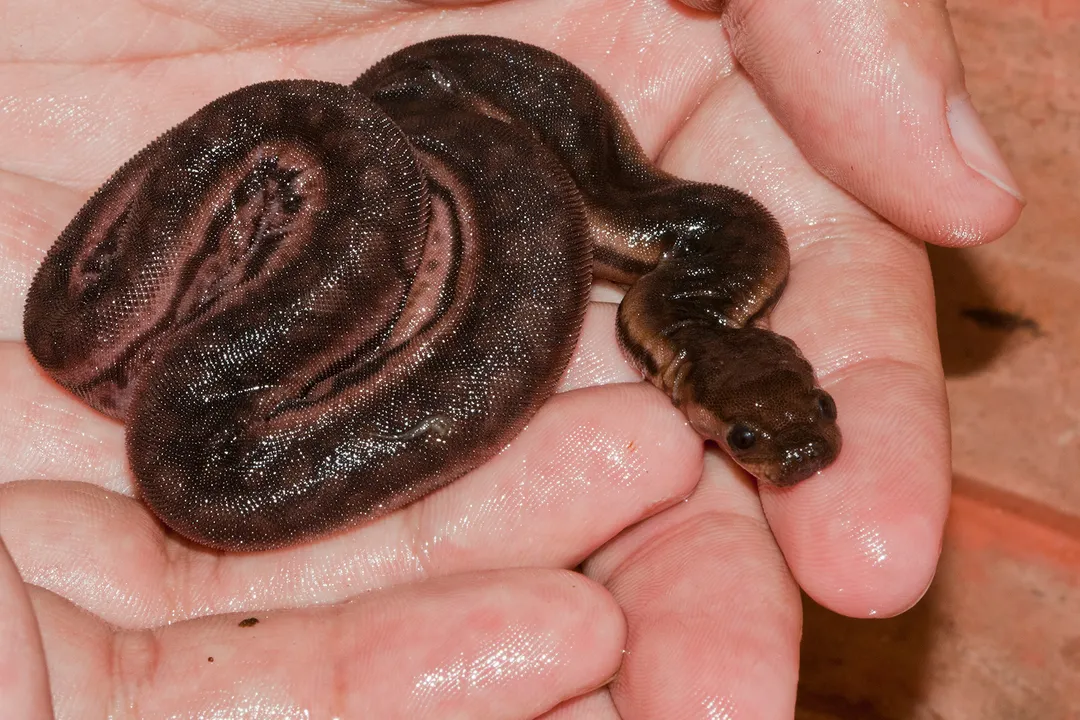
The dietary habits associated with the common name "file snake" are surprisingly varied, dependent entirely upon which genus or species is being discussed, as the name applies to snakes belonging to at least two distinct families or groups, namely the genus Acrochordus and the genus Mehelya. [9] These snakes are generally characterized by their rough, granular scales, which give them their common descriptor, though the specific textures and prey preferences diverge sharply between the aquatic and terrestrial members of this informal grouping. [9]
# Aquatic Feeders

Snakes within the genus Acrochordus, often known as elephant trunk snakes or rice paddy snakes, spend the majority of their lives submerged in water, and their diet reflects this specialized, fully aquatic existence. [9][1] These species are highly adapted for life in water, and consequently, their food sources are almost exclusively drawn from aquatic environments. [1]
The primary sustenance for many Acrochordus species revolves around fish. [1][9][7] The Arafura File Snake (Acrochordus arafurae), found in regions like Kakadu National Park, relies on fish as its main diet. [7] Similarly, the Rice Paddy Snake (Acrochordus granulatus), sometimes also referred to as the Javan File Snake, primarily consumes fish. [1][6] Beyond fish, these aquatic hunters also incorporate amphibians into their intake. [1][9]
One observable difference in descriptions relates to the Arafura File Snake. While one source confirms its preference for fish, [7] another indicates that this snake preys on amphibians and small reptiles. [3] This slight variation in reported secondary prey highlights the need to look at regional specifics or variations in hunting success depending on local ecology. Given the rough texture of their skin, which is thought to aid in gripping slippery prey, one can infer that the physical structure of the snake is optimized for securing slippery, submerged victims like fish and frogs rather than terrestrial lizards. [9]
# Terrestrial Specialists

In contrast to the water-dwelling Acrochordus group, the terrestrial file snakes, generally belonging to the genus Mehelya (such as the African File Snake or the Little File Snake), exhibit one of the most specialized diets found among non-venomous snakes: they are almost exclusively ophiophagous, meaning they eat other snakes. [9][4]
For species like the African File Snake (Mehelya crossi), the diet is reported to be exclusively composed of other snakes. [5] This narrow focus means their feeding behavior and physiology are honed for hunting and consuming reptilian counterparts, rather than fish or amphibians. [5][8] The Little File Snake also exhibits this strong preference, with its diet primarily consisting of small snakes. [8]
This extreme specialization is fascinating from a biological standpoint. While both groups are called "file snakes" due to their keeled, rough scales, the Mehelya species use this texture differently, perhaps to aid in maneuvering around or restraining other squirming snakes, or simply as a result of shared ancestry, even though their ecological niches and immediate food sources are radically different from their aquatic namesakes. [9]
# Dietary Comparison Table
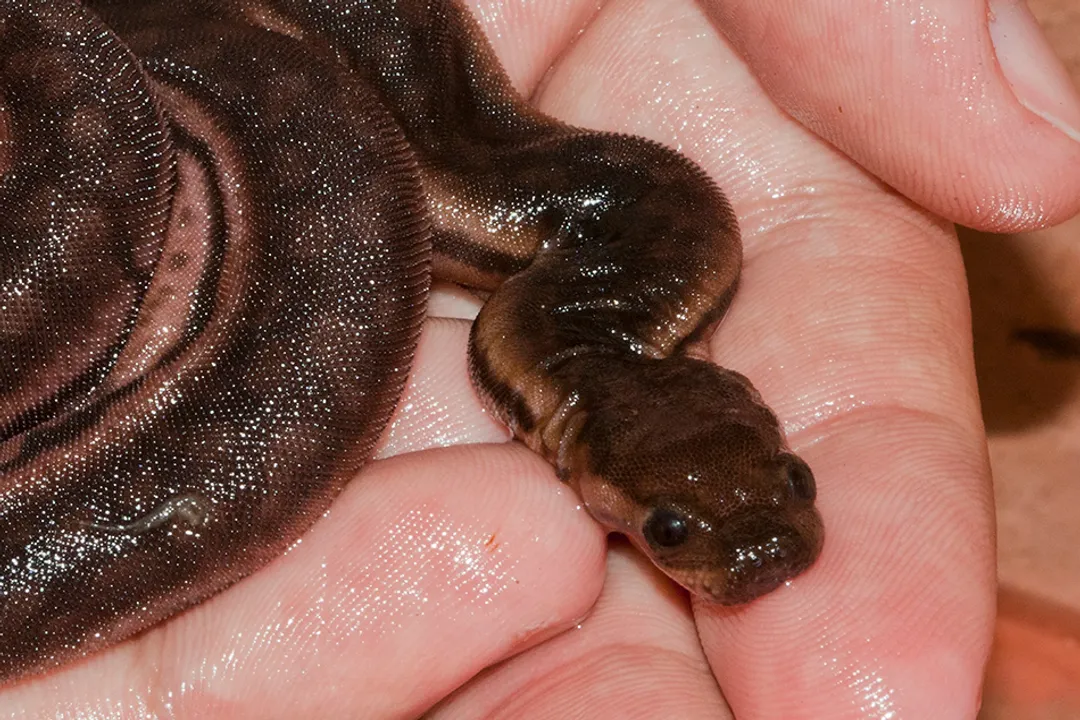
The clear division in feeding habits between the two main file snake groups is stark. A simplified comparison illustrates the ecological separation:
| Snake Group | Genus Example | Primary Habitat | Key Prey Items |
|---|---|---|---|
| Aquatic File Snakes | Acrochordus granulatus | Water/Aquatic | Fish, Amphibians [1][6] |
| Terrestrial File Snakes | Mehelya crossi | Land/Terrestrial | Other Snakes (Ophiophagy) [5][8] |
This divergence suggests that while convergent evolution may have resulted in similar scale textures—the "file" characteristic—the evolutionary pressures shaped two very different predatory strategies. [9] The aquatic species adapted for securing slick, submerged prey, while the terrestrial species specialized in subduing other reptiles, a notoriously difficult category of food for many predators. [4][5]
# Feeding Adaptations and Considerations
Understanding what a file snake eats is inseparable from understanding how it hunts and processes its prey. The specialized diets of these snakes dictate specific needs, especially when considering captive environments.
For the Mehelya group, their reliance on other snakes often means they possess particular adaptations, such as teeth angled backward or specialized venom immunity (though many are considered non-venomous to humans, their prey might possess defenses) to manage their difficult meals. [5][8] An owner of one of these terrestrial specialists must recognize that attempting to substitute rodents or chicks, common staples for many other pet snakes, will likely result in persistent feeding strikes because the snake’s instinct and physiology are keyed into recognizing other snakes as sustenance. [2] The commitment to providing appropriate prey, whether it is live fish for an Acrochordus or appropriately sized small snakes for a Mehelya, is paramount to the animal's survival in captivity. [2]
Considering the environmental adaptations further, the scales of the aquatic snakes, particularly Acrochordus granulatus, are often described as having tiny spines or being very rough. [6] This texture is crucial in an environment where gripping a rapidly moving fish or eel is essential for a successful meal. If these snakes were forced onto land frequently, that very texture, which aids them in water, might become a liability, wearing down quickly or interfering with terrestrial movement. This difference in integumentary structure serves as a physical manifestation of their diverging dietary paths.
It is interesting to note that while the aquatic species' diet is relatively broad within the non-terrestrial sphere (fish and amphibians), the terrestrial Mehelya group exhibits an extreme form of dietary specialization—a niche that can be fragile if the primary food source becomes scarce in the wild. [4][8] This level of focus contrasts sharply with more generalized predators. For those observing these animals, recognizing this narrow focus allows for a deeper appreciation of the evolutionary paths taken by these uniquely named reptiles. [9]
Related Questions
#Citations
Acrochordus granulatus (Little filesnake, Marine File Snake)
African File Snake Care
File snake
Common File Snake
African File Snake Mehelya crossi Care Sheet
Javan File Snake - Florida Museum of Natural History
Arafura File Snake - Facts, Diet, Habitat & Pictures on ...
Little File Snake: Facts, Range, Scales
File snake | Size, Classification, & Facts