What do cane spiders eat?
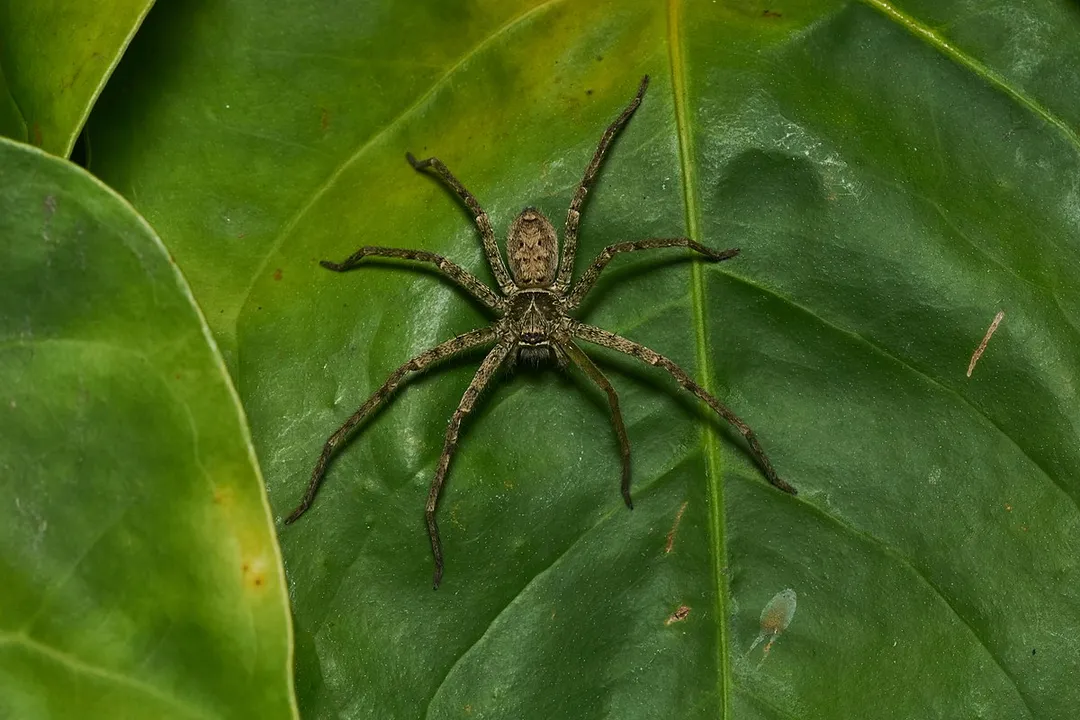
The creature often referred to as the cane spider—scientifically known as Heteropoda venatoria—is a common sight in tropical and subtropical environments, particularly well-known in places like Hawaii where it thrives. [3] While their sometimes startling size and quick movements often draw attention, understanding their role in the local ecosystem revolves largely around what ends up in their digestive tract. These spiders are not picky eaters in the grand scheme of the invertebrate world; they are opportunistic carnivores whose diet directly reflects the insects they encounter in their habitat. [5][4]
# Diet Basics
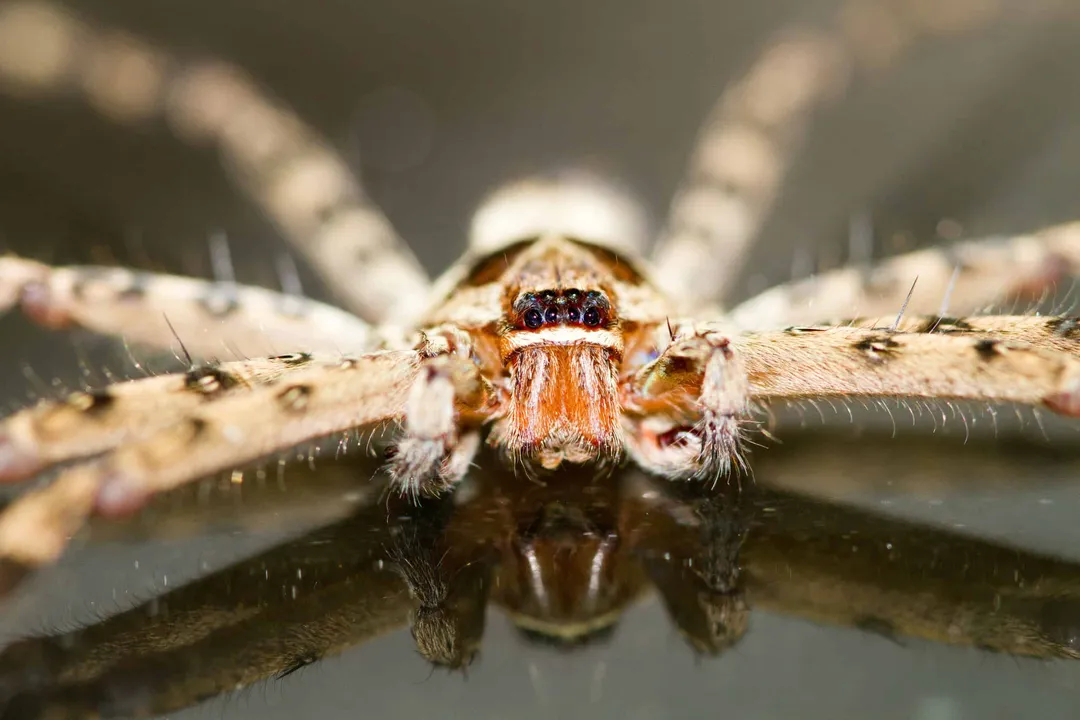
The fundamental diet of the cane spider centers on other small arthropods. They are recognized as generalist predators, meaning they do not specialize in one type of insect but rather consume whatever prey fits their capture methodology and size requirements. [5] This adaptability is one reason they persist in diverse environments, from actual cane fields—hence the common name—to the rafters of human dwellings. [1][3]
Specific prey items commonly recorded in their diet include common household and outdoor pests. You can expect a cane spider to consume:
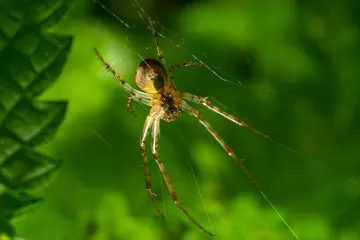
If a small invertebrate brushes against the spider or its web, it becomes a potential meal. While the primary method relies on trapping prey in silk structures, these spiders are also quite capable hunters on foot, actively pursuing or ambushing wandering insects. [1]
# Prey Capture
Cane spiders employ active hunting methods, whether they are utilizing a web or hunting directly. [1] While some spiders build elaborate, sticky webs designed to ensnare flyers, the web used by H. venatoria is often less about adhesive traps and more about establishing a territory or retreat system. [1] Prey often encounters the spider by wandering into its immediate vicinity or by making contact with silk strands that serve as tripwires. [1] Once contact is made, the spider reacts with considerable speed to subdue the target.
The Heteropoda venatoria is characterized by its robust build and long legs, which contribute to its hunting success. [3] Although the sources indicate they rely on webs, their ability to run quickly allows them to overtake prey that might otherwise escape a less mobile predator. This combination of speed and detection is key to their success in securing a steady supply of insects. [4]
# Generalist Feeders
The classification of the cane spider as a generalist predator is important for understanding its ecological niche. [5] Unlike specialized spiders that might only target spiders (araneophaga) or specific types of moths, H. venatoria capitalizes on whatever is abundant. If the local area has a high population of house flies during the summer, flies will dominate their diet. If cockroaches are more prevalent near structures, they become the main source of sustenance. [4][5]
When considering the environment where these spiders are most often encountered, such as Hawaii, the variety of available insects is significant. Their opportunistic feeding style means they are constantly sampling the local invertebrate community. [3] This broad palate ensures survival even when one specific food source temporarily declines.
It is worth noting that while the primary diet consists of insects and other small invertebrates, [4] the definition of "small" is crucial. A spider with a body length that can approach or exceed an inch, accompanied by a sizable leg span, can only subdue prey items that are not overly large or difficult to manage. [3] This physical limitation naturally dictates that they will not successfully tackle much larger creatures, such as sizeable beetles or small lizards, although they might attempt to overpower something near their own size if surprised or very hungry.
# Plant Matter
A common question surrounding spiders, often arising when people find them near gardens or fruit bowls, concerns whether they consume vegetation. [8] For the cane spider, the answer is a definitive no. The scientific understanding of arachnid physiology dictates that they are carnivores; their digestive systems are designed to break down animal tissue, not cellulose or sugars found in fruits and vegetables. [4] Finding a cane spider near a piece of fruit is usually an indication that something else—perhaps a small gnat or fruit fly—was attracted to the fruit, and the spider was hunting that insect instead. [8] The spider has no nutritional interest in the produce itself. [8]
# Pest Control Context
For residents who share space with these large, hairy arachnids, their presence can spark debate. Are they a welcome resident keeping other pests in check, or are they an unwelcome guest? Given their confirmed diet of cockroaches, flies, and mosquitoes, cane spiders do offer a form of natural, ongoing pest management. [5] In an environment where a few occasional houseflies are the main issue, having a few cane spiders around can effectively keep those numbers down without chemical intervention. [5]
However, this benefit must be balanced against their size and appearance. While generally considered harmless to humans—bites are rare and typically mild, though they can bite if seriously provoked or mishandled [2][9]—their intimidating size often prompts removal. It’s important to recognize that they are only tackling pests that are small enough for them to manage. If you have a serious, established infestation of large wood-boring beetles or significant populations of resilient pests, the cane spider population simply cannot compensate. [5] They manage the sporadic, small invaders very well, acting as a helpful, albeit visually alarming, biological control agent. [1]
# Size Limits
Analyzing the physical attributes of Heteropoda venatoria alongside its prey offers another layer of insight into its feeding habits. The body length of these spiders can reach about $0.47$ to $1.18$ inches, and their leg span can be substantial. [3] This physical scale sets a practical upper limit on the size of insects they can subdue. A general rule in the spider world is that prey should not present a significant physical threat or be too heavy for the spider to quickly immobilize and carry away.
For example, while they will eat flies, a very large, struggling Bluebottle Fly might be too much for a smaller specimen. Conversely, a tiny springtail would offer very little nutritional reward for the energy expended in capture. The ideal prey item offers a high caloric return for a low capture risk, which explains why common, moderate-sized pests like roaches and crickets form the staple of their diet. [4] If one were to map the typical prey weights against the spider's weight, one would likely find a ratio favoring the spider, ensuring the capture is swift and decisive. This efficiency is why they survive well indoors and outdoors, preying on the most common available targets. [5]
Related Questions
#Citations
Cane Spider Animal Facts - Heteropoda venatoria
Cane Spiders : r/Hawaii - Reddit
Heteropoda venatoria - Wikipedia
Exploring the Fascinating World of the Hawaiian Cane Spider
Big Island, Hawaii - Facebook
Honolulu Spider Control - Able Pest Management
cane spider - Instant Hawaii