What keeps cane spiders away?
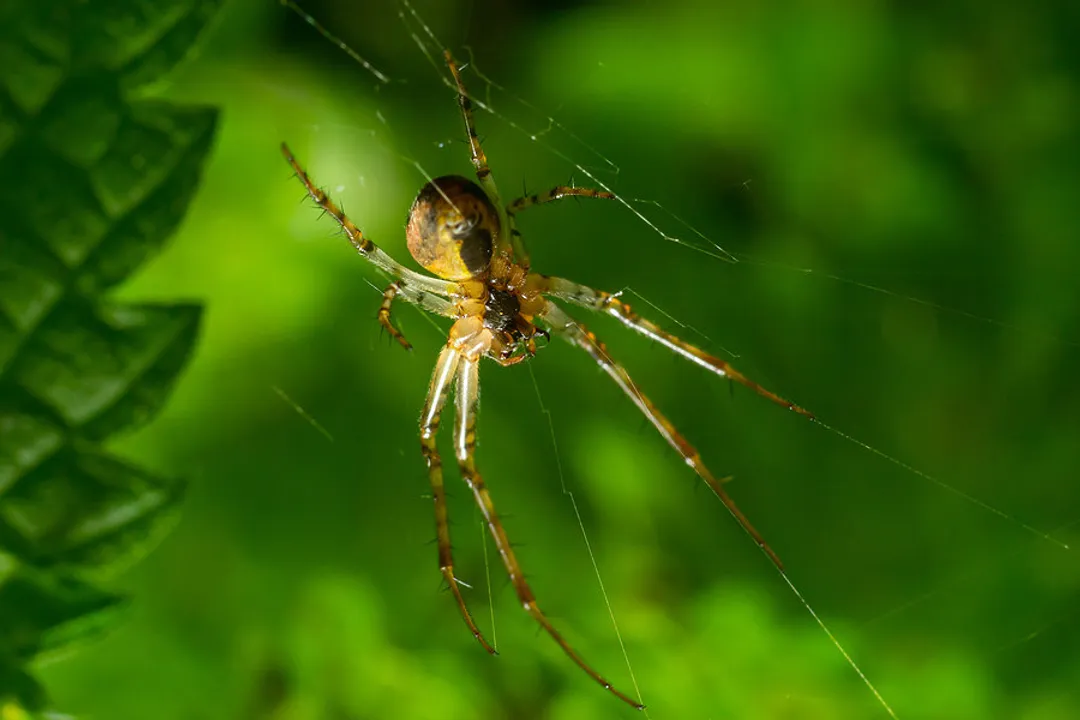
Dealing with cane spiders, particularly in regions like Hawaii where they are a known feature of the landscape, often involves understanding their basic needs and preferences, then strategically disrupting them. While these spiders, sometimes referred to as the Heteropoda maxima or just large huntsman spiders in general contexts, can be startling due to their speed and size, the methods for discouraging them are largely consistent with general spider management: removing food sources, eliminating hiding spots, and deploying deterrent smells. It is less about finding one magic bullet and more about creating an environment that is simply unattractive for them to settle down and hunt.
# Scent Barriers
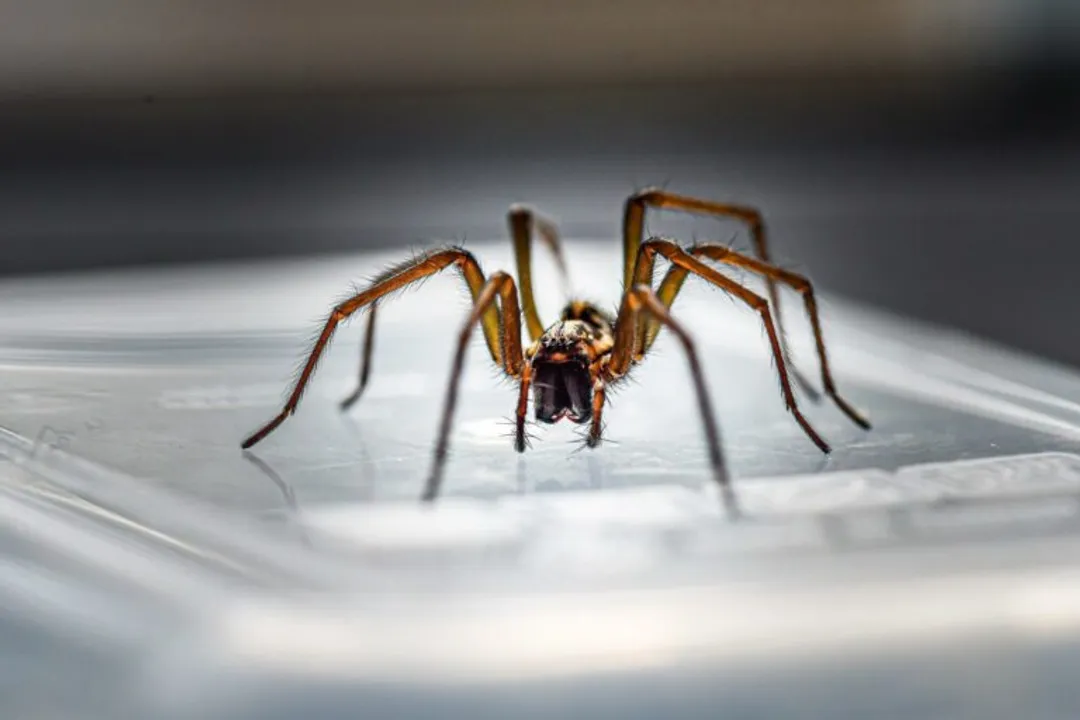
Spiders, including the types encountered around cane growth or in homes, possess chemoreceptors that make them sensitive to strong odors. This sensitivity forms the basis for many natural deterrent strategies. The most commonly recommended scent for repelling spiders is peppermint oil.
The application method for essential oils is key to their temporary success. A simple mixture, often involving about 15 to 20 drops of peppermint oil added to a spray bottle filled with water, can be prepared. This solution should then be directed towards common spider pathways and potential entry points, such as windowsills, door frames, baseboards, and cracks in the foundation.
However, other scents have also shown promise in deterring general spider populations. These alternatives include:
- Tea tree oil
- Lavender oil
- Eucalyptus oil
- Citronella
- White vinegar
It is important to note the difference between an active repellent and a habitat modifier. A spray made of peppermint and water acts as a temporary boundary marker; spiders that are actively searching for prey or shelter may push right through a faint scent barrier. The efficacy of these sprays is heavily dependent on reapplication, especially in high-humidity or high-rainfall areas common where cane spiders thrive. In environments where surfaces are constantly damp or the air is thick with moisture, the volatile compounds in the essential oils dissipate much faster than in a dry climate, meaning a weekly spray might need to become a twice-weekly effort to maintain the deterrent effect.
When dealing with persistent outdoor spiders, consider that a simple water-based spray might not last through a single heavy rain shower. For outdoor areas where you cannot easily reapply sprays daily, focusing on structural exclusion and food source removal becomes far more important than relying solely on essential oils, which perform better as a final, immediate-contact deterrent near known access points.
# Food Reduction
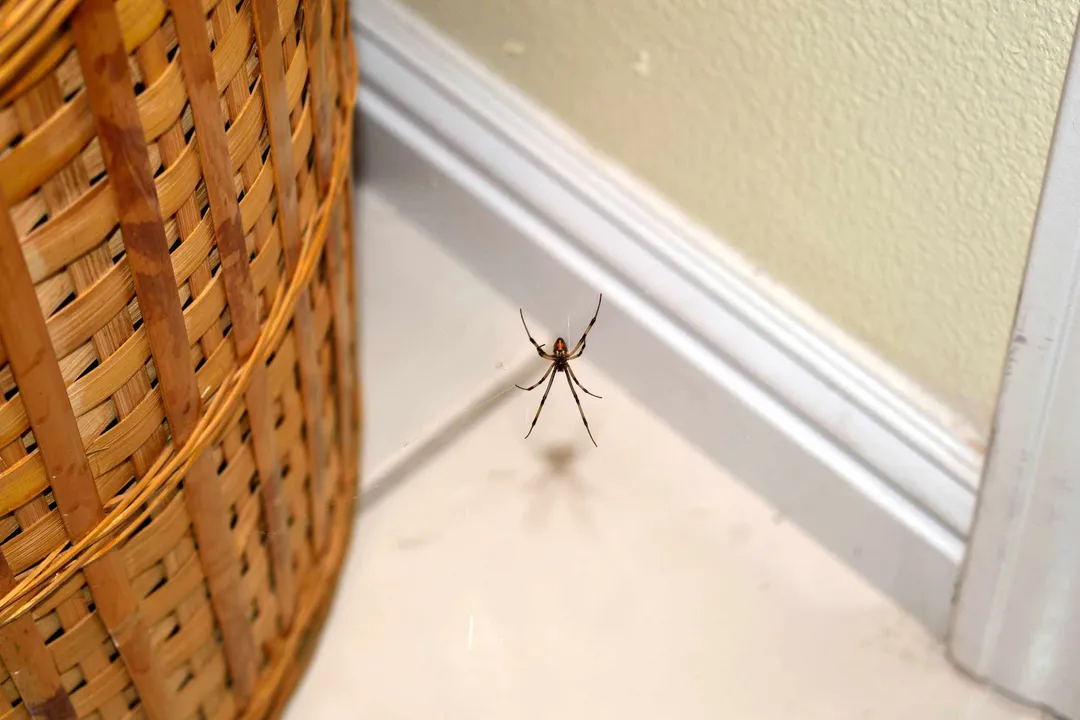
Spiders do not venture into a structure or yard looking for a confrontation with a human; they are primarily looking for two things: a safe place to hide and a reliable food supply. If the food disappears, the spiders will soon follow, regardless of how many peppermint oil sprays you apply near the front door.
The primary diet for most common house spiders and, by extension, cane spiders lurking near dwellings, consists of small insects. Therefore, managing the insect population is perhaps the single most effective long-term strategy for discouraging spiders.
The cycle looks like this: Light Insects Spiders.
Exterior lighting is a major attractant for the spider’s prey. Bright, standard white or mercury vapor bulbs cast a wide net, drawing moths, gnats, and other flying insects toward your home, effectively placing a buffet sign outside your windows. A subtle but powerful adjustment is switching exterior lighting to yellow bulbs or installing motion-sensor lighting. Yellow lights are significantly less attractive to nocturnal insects, thus reducing the ambient insect population near your home’s perimeter, which indirectly reduces the area’s appeal to hunting spiders.
This approach requires an awareness of local entomology. In areas where cane spiders are common, the insect fauna might include high numbers of specific agricultural pests or other common household invaders. Understanding what the spider is eating locally allows for targeted, non-toxic insect control methods like ensuring garbage cans are tightly sealed or minimizing standing water that breeds mosquitos and flies.
# Habitat Control
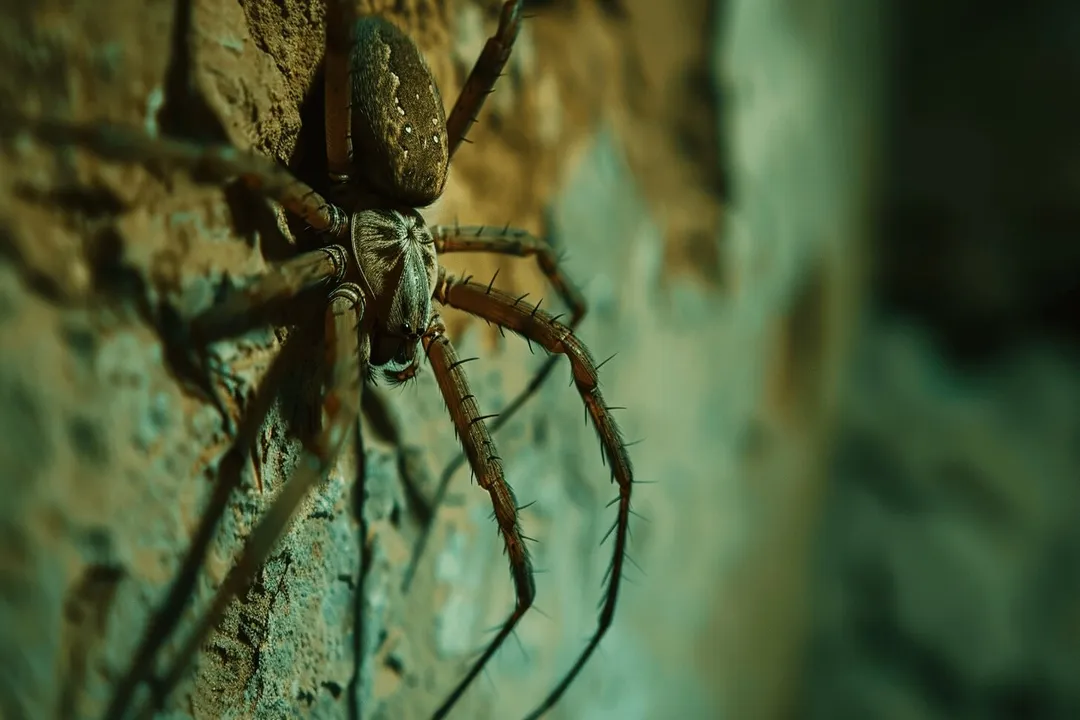
Reducing the appealing habitat around the exterior of a structure removes the primary resting and web-building locations for cane spiders. Cane spiders, like many huntsman varieties, prefer cluttered, sheltered areas where they can wait for prey without being exposed to predators or the elements.
A comprehensive perimeter cleanup involves addressing vegetation and debris:
- Trimming: Keep shrubs, trees, and thick ground cover trimmed back so they do not touch the house siding or roofline. Vegetation touching the structure acts as a natural bridge, allowing spiders to bypass ground-level deterrents.
- Debris Removal: Remove stacks of firewood, old lumber, gardening materials, and general yard clutter that provides cool, dark hiding spaces. Woodpiles should ideally be kept several feet away from the home and elevated off the ground if possible.
- Mulch Management: Deep layers of mulch or leaf litter right against the foundation can retain moisture and provide excellent cover. While mulch is beneficial for landscaping, keeping a clear, dry perimeter of about six to twelve inches between the foundation and thick organic material limits easy access to the home’s lower levels.
If we conceptualize the area surrounding a home as concentric circles of defense, the outermost circle is vegetation management, aimed at keeping the hunting grounds away from the structure itself. The next circle involves sealing access points, and the innermost defense is the application of scent deterrents on interior surfaces.
# Seal Entry
Stopping spiders from gaining access to the interior spaces is a non-negotiable step in reducing indoor encounters. While cane spiders are often thought of as outdoor residents, they are frequently encountered indoors, especially when seeking shelter from weather or looking for better hunting grounds. Exclusion methods are permanent fixes compared to recurring chemical or scent applications.
The process should focus on identifying and sealing any gap larger than a credit card, although for spiders, even smaller openings can suffice.
Checklist for Exclusion:
- Weather Stripping: Inspect and replace worn or missing weather stripping around doors and windows.
- Cracks and Crevices: Use caulk to seal foundation cracks, utility line entry points (like plumbing or electrical conduits), and gaps where siding or trim boards meet.
- Vents and Screens: Ensure all ventilation openings, including attic vents and dryer vents, are covered with fine-mesh screening. Repair any existing tears in window screens immediately.
One area often overlooked is the connection between the garage and the main living space. Garages frequently serve as a transitional zone for spiders. Ensuring the door leading from the garage into the house has a tight seal, perhaps using a door sweep, can block a major pathway spiders use to move inside while hunting or seeking refuge.
# Direct Removal
For existing webs and resident spiders, direct removal offers immediate results. The most straightforward tool for this is a vacuum cleaner equipped with a hose attachment.
Vacuuming is superior to sweeping because it physically removes the spider, its silk, and any potential egg sacs or prey remains, which sweeping might only partially dislodge or spread around. For high ceilings or corners where webs accumulate, a vacuum with an extension wand allows for safe, close-range removal without needing a ladder for prolonged periods.
If you find a large cane spider, especially in an area where you wish to avoid chemical treatments, many residents in areas with frequent encounters simply learn to live with them or use rapid removal techniques. It’s worth noting that many large, fast-moving spiders like the cane spider are generally not aggressive unless trapped or cornered. However, for those who prefer zero tolerance indoors, swift capture and immediate disposal are necessary actions.
# Professional Response
When natural methods and exclusion tactics do not reduce the spider population to a manageable level, professional pest control services become a necessary consideration. Especially in dense residential areas or for commercial properties where a significant cane spider presence is documented, experts offer targeted solutions.
Pest control technicians often begin by inspecting the property to pinpoint nesting sites and major pathways, something a layperson might overlook. Their treatments typically involve applying residual insecticides around the perimeter of the home, creating a chemical barrier that lasts much longer than essential oil sprays. These barrier treatments are usually focused on the first few feet above the foundation and around known entry points. For severe indoor infestations, specific crack and crevice treatments may also be applied.
In specific contexts, like Honolulu, consulting a local pest control service familiar with the prevalent local arachnids is often recommended for effective, licensed intervention. They possess the knowledge to differentiate between nuisance spiders and those that might pose a higher risk, though most encountered spiders are generally harmless, if alarming.
For the homeowner aiming to reduce reliance on chemical treatments, combining habitat management with the targeted use of scent repellents at entry points creates a layered defense. Imagine the home surrounded by an insect-free "no-fly zone" (from lighting control), surrounded by a "no-clutter zone" (from debris removal), and finally protected by scent "tripwires" (essential oils) at the actual windows and doors. This integrated approach respects the spider's instincts—it removes the reason to visit (food) and makes the immediate vicinity unpleasant (scent), which is a far more sustainable strategy than simple reactive spraying. If the property borders undeveloped land, such as actual cane fields, maintaining the buffer zone between the field edge and the structure becomes an ongoing, yearly commitment to prevent natural migration into the residential space.
#Videos
How To Keep Spiders Away - Ace Hardware - YouTube
Related Questions
#Citations
Keeping Cane Spiders : r/Hawaii - Reddit
How to Get Rid of Cane Spiders in Honolulu: Safe & Effective Methods
How to Get Rid of Spiders - The Home Depot
7 Smells That Spiders Hate to Keep Them Away For Good
Natural home remedies to get rid of spiders - Western Exterminator
Ways to keep spiders away from the water - Facebook
How To Keep Spiders Away - Ace Hardware - YouTube
8 Tips on How to Keep Spiders Away | All "U" Need Pest Control
Natural Ways To Keep Spiders Away | Northwest Exterminating