Do black-headed python bites hurt?
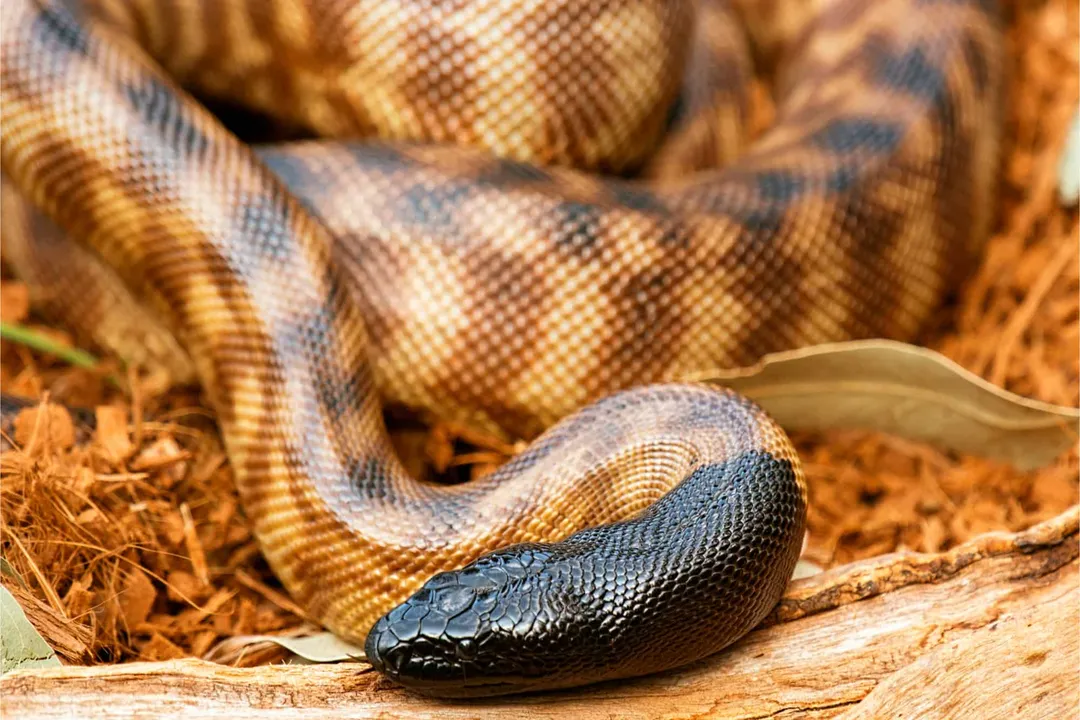
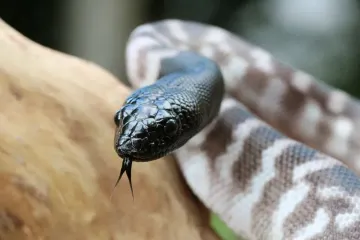
The actual intensity of a bite from a Black-headed Python (Aspidites melanocephalus) is one of those questions that gets debated often in reptile circles, usually because owners want assurance before committing to a magnificent, large Australian native. The short answer, derived from many keepers’ experiences, is that the pain is generally quite minor, particularly when compared to many other animal encounters. These are nonvenomous constrictors, meaning they lack the specialized delivery system for toxins that makes other bites medically urgent. Their primary function, whether subduing prey or defending territory, relies on constriction and gripping, not venom injection.
# Temperament Context
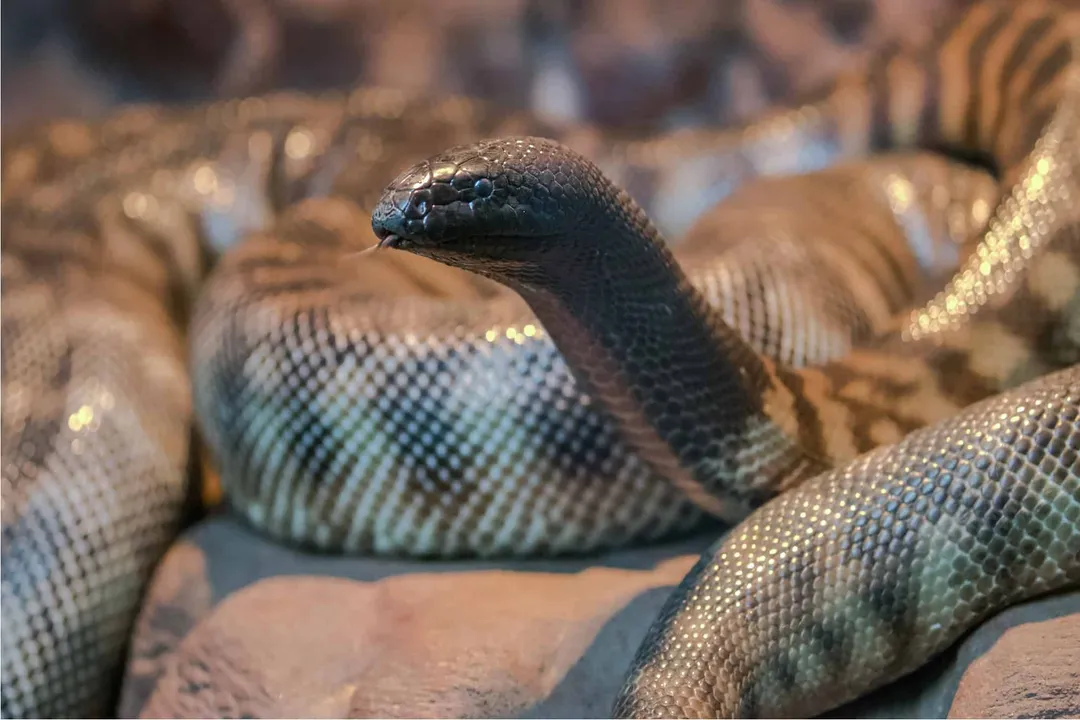
Understanding why a Black-headed Python (BHP) might bite is as important as understanding the hurt factor, as temperament heavily influences bite frequency. Reports from keepers generally categorize this species as having a low aggression level and being remarkably docile. Many long-time owners describe their BHPs as being comparable to "puppy dogs" once they are safely removed from their enclosure. They are often considered excellent snakes for people who are nervous about handling, provided they are well-socialized.
Bites that do occur are almost always accidental or situational. The most frequent cause stems from a strong feeding response; if you handle them shortly after feeding, or if your hand smells like their usual prey, the snake can mistake you for a meal. Another common scenario involves startling the snake within its enclosure, leading to a defensive reaction. In these defensive moments, keepers note that the snake is often more prone to striking with a closed mouth—effectively a warning head-butt—rather than fully engaging and clamping down.
# Bite Sensation Described
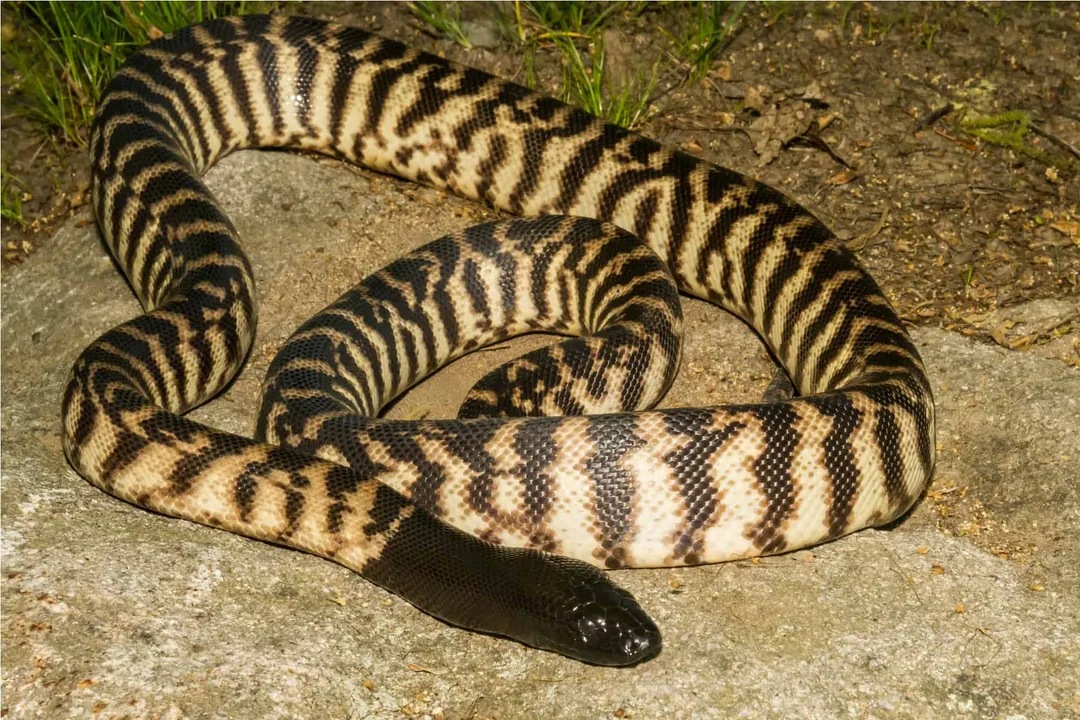
When a bite does happen, the pain sensation is rarely described using severe terms. For many owners of smaller pythons, like the Ball Python (which serves as a useful baseline comparison), the initial feeling is frequently likened to a sharp scratch, a strong pinch, or the feeling of being pricked by a needle. The mouth of a python is lined with numerous small, sharp teeth that curve backward, designed to grip prey and prevent escape while the snake gains purchase for constriction.
One aspect that owners frequently note is the resulting bleeding. Some individuals report that the wound bleeds more profusely than expected for such a small injury, potentially due to an anticoagulant substance present in the snake’s saliva, which works to slow clotting in their prey items. While the physical penetration might not be severely painful, the unexpected amount of blood can certainly heighten the alarm.
When comparing the immediate physical sensation, several keepers state that they would much prefer a bite from their snake over being bitten by a domestic cat, dog, or even a hamster. For many, the most significant reaction is not pain but the shock or surprise of the sudden movement.
# Severity Factors
The overall hurt factor shifts significantly depending on two main variables: the snake's intent and the location of the bite.
A simple, quick defensive snap, where the snake realizes its mistake instantly and lets go, is usually over in a second and barely registers as painful. However, if the snake latches on because it strongly believes you are food, the experience changes. Because their teeth hook backward, the snake's natural instinct is to grip and hold, often accompanied by powerful constriction. If you attempt to pull away quickly, you risk tearing tissue or even having the snake’s tiny teeth break off under the skin, which then requires further attention.
There is an anecdotal report concerning a BHP mistaking a hand for food due to scent confusion, where the snake held on for an intense 15 minutes, involving a strong lock-jaw grip and concurrent constriction of the arm—an experience described as feeling like the finger was going to be ripped off. While this is an exception driven by owner error (failing to wash off food scents), it highlights that the constriction aspect, rather than the puncture itself, is where the physical danger and discomfort escalate, even in a relatively placid species like the BHP, which can grow quite large, reaching up to 11 feet. Furthermore, bites to very sensitive areas like knuckles or joints will inherently feel more painful than a bite on the thicker part of the forearm.
# Immediate Aftercare
Regardless of the pain level, the primary concern following any non-venomous snake bite is infection. Snake mouths harbor various bacteria, and the teeth create small, deep puncture wounds that can seal over quickly, potentially trapping contaminants inside.
The recommended immediate response is straightforward: first, remain calm and do not jerk away. If the snake is still holding on, methods like running cool water over its head or applying a small amount of alcohol (as some keepers use vinegar or alcohol to encourage release due to their aversion to the taste) can encourage it to let go safely. Once detached, the wound needs thorough cleaning with soap and warm water. Because the initial physical pain fades quickly, the following days focus on preventing secondary issues.
It is a sound practice, even for what appears to be a minor nip, to contact a medical professional to discuss the wound, as they might recommend antibiotics to preempt a bacterial infection. Inspect the area closely to ensure no tiny teeth fragments remain embedded.
# Mitigating the Risk
Many keepers of Aspidites melanocephalus suggest that while the bite itself is seldom more than a sting, avoiding the situation entirely is the best approach. While this species is generally known to show warning signs like hissing before striking, the speed of a feeding strike leaves little time for reaction. For instance, some experienced keepers avoid handling their snakes entirely when the animal is in "feeding mode," or they use visual cues like lightly tapping the snake with a hook first to signal that handling, not food, is about to occur.
An interesting observation from owners of placid species like the BHP is that the defensive strike, when it involves a closed mouth, results in a superficial injury that often heals faster than injuries from more abrasive animals. One owner noted that the tiny pinpricks from a python bite were gone by the next morning, whereas a scratch from a pet cat left a lasting scar. This difference suggests that the mechanics of penetration—a swift puncture versus a tearing scratch—are key in determining recovery time and lasting impact, assuming the initial wound is kept clean.
#Videos
What Does a Python Bite Feel Like? - YouTube
Related Questions
#Citations
Do Python bites hurt? : r/ballpython - Reddit
What Does a Python Bite Feel Like? - YouTube
black headed python temperament - Aussie Pythons & Snakes Forum
Ball Python Bite: Treatment and When to See a Doctor - Healthline
Black-headed python - Aspidites melanocephalus - A-Z Animals
How bad does getting snake bites hurt? - Reptiles