Are furrow bees aggressive?
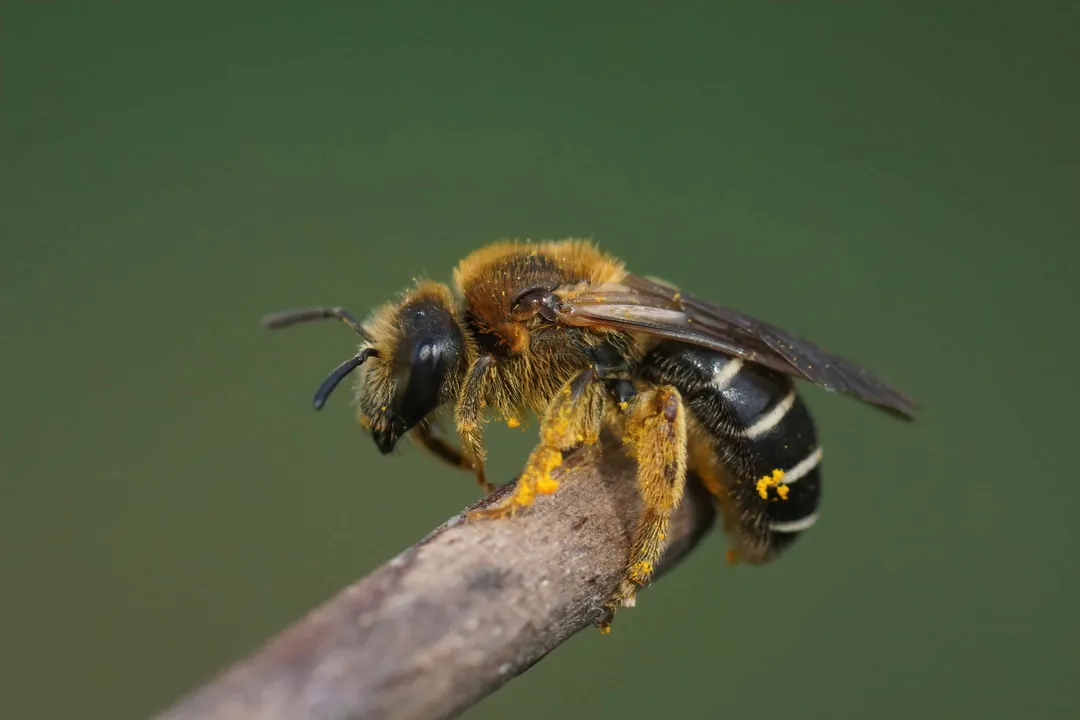
When encountering buzzing insects near a freshly tilled garden bed or in sunny patches of bare earth, many people immediately wonder about their potential for stinging. Furrow bees, members of the Halictidae family often grouped under the common name "sweat bees," are frequent visitors to such environments, yet their reputation for aggression is largely misplaced. Understanding their natural history and typical behavior reveals a creature primarily focused on survival and pollination rather than confrontation. [1][5][7]
# Identity Basis
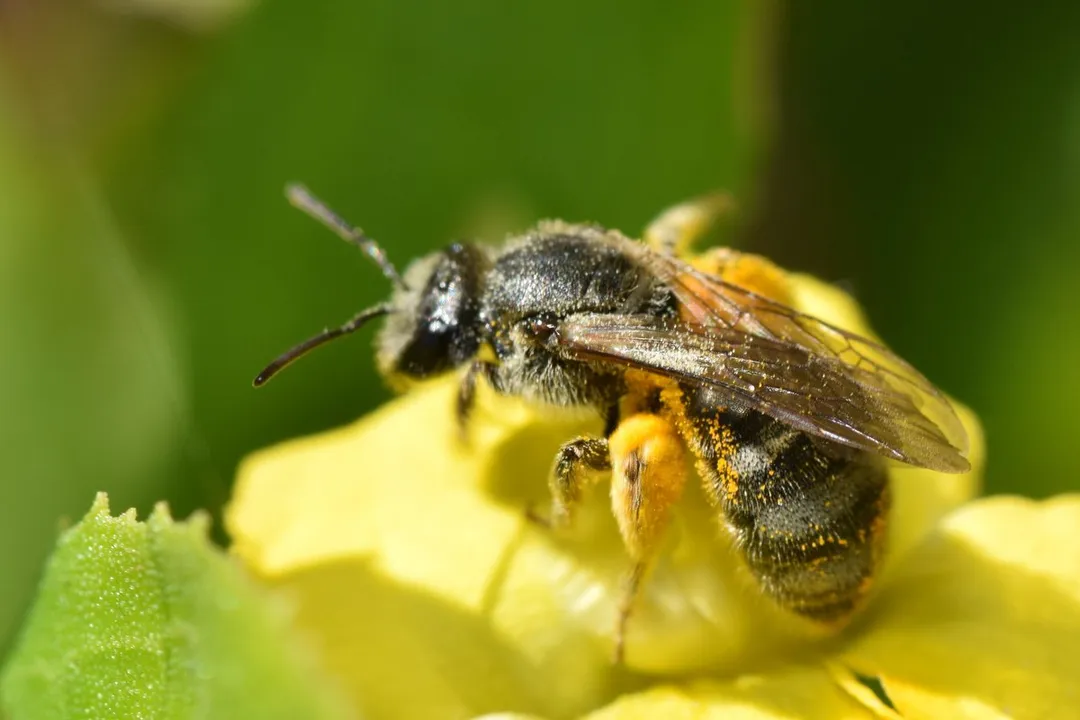
Furrow bees get their common name from their preferred nesting location: the ground, often excavating tunnels or furrows in compacted or disturbed soil, such as those found in lawns, dirt paths, or the edges of flowerbeds. [1][4] These bees are not a single species but represent a diverse group within the bee world. [5] They are commonly found across various regions, including North America, with species like Halictus rubicundus noted in some surveys. [8]
They belong to the Halictidae family, which is quite large. [7] Within this family, many are recognized as sweat bees because they are sometimes attracted to the salt in human perspiration. [7] While the name "furrow bee" points to their nesting habits, their appearance can vary. Some are described as dull black, while others exhibit metallic green or blue sheens, depending on the specific genus or species involved. [5][8] The Orange-legged furrow bee, for instance, is identified by the reddish-brown coloration of its legs. [3]
# Temperament Assessment
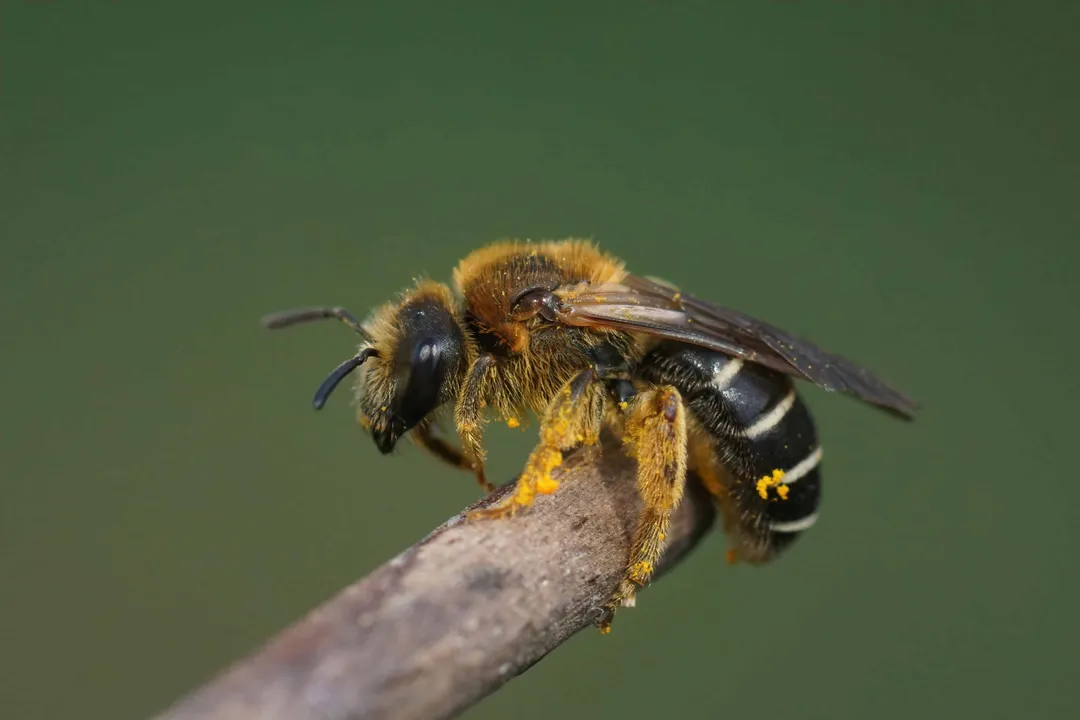
The primary concern for anyone sharing space with ground-nesting bees centers on their potential to sting. Based on general entomological descriptions, furrow bees are characteristically docile and mild-mannered. [1][5] They are fundamentally different from highly social, defensive insects like paper wasps or honey bees that aggressively guard a large, perennial colony. [7]
Stinging behavior in furrow bees is almost always a defensive reaction rather than an offensive action. They do not patrol or seek out threats. [1] Instead, a sting is typically the result of direct provocation, such as being accidentally stepped on, trapped against the skin, or deliberately grabbed and crushed. [1][5][8] If a bee is simply flying nearby or working flowers, it poses virtually no threat of attack. [5] In the context of the Halictus genus specifically, the species is generally described as non-aggressive, reserving the sting only for situations where they feel physically imperiled. [8]
It is important to differentiate this from nuisance behavior. While not aggressive, if a large number of nests are concentrated in a high-traffic area, the sheer volume of emerging and returning insects can create a visible cloud of activity that might appear intimidating to the casual observer, even if each individual bee remains harmless unless provoked. [3] This perceived density of activity is often the source of worry, rather than documented instances of unprovoked attacks. [3]
# Social Organization
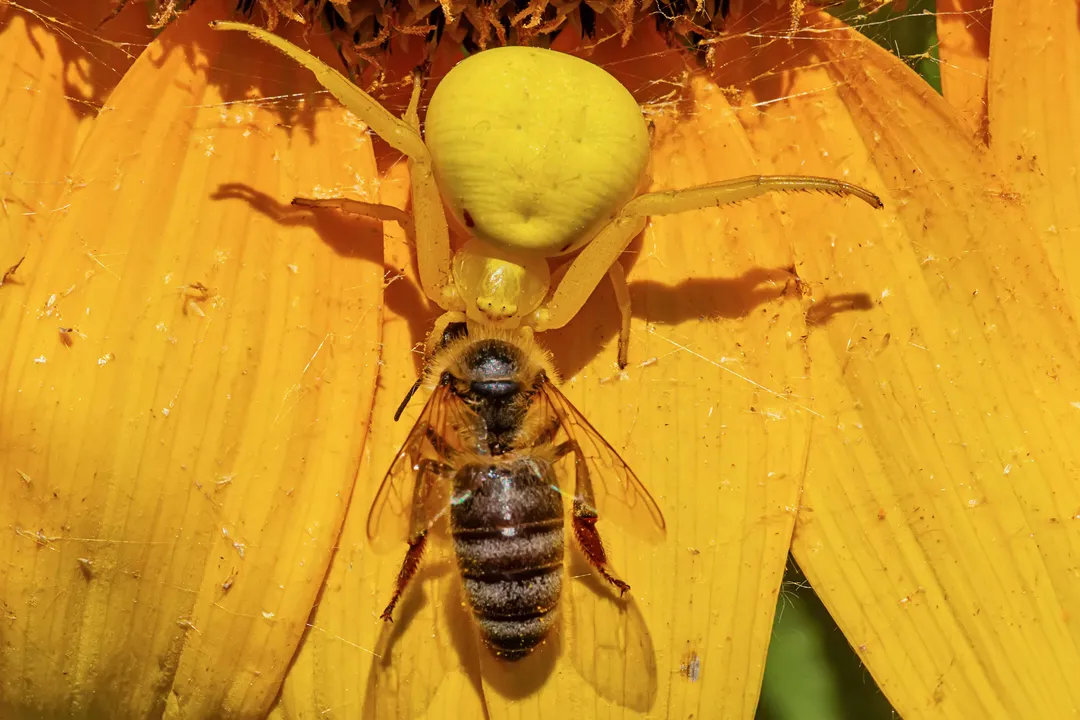
The structure of a furrow bee’s life greatly influences its level of defense. Unlike bumble bees or honey bees, most furrow bees are solitary insects. [1][5] In a solitary system, each female bee is responsible for creating her own nest cell, provisioning it, and laying her eggs without collective defense or lifelong cooperation with her offspring. [4] This means there is no large, central brood or queen to defend, significantly reducing the motivation for aggressive defense mechanisms. [7]
However, the term "furrow bee" can sometimes encompass species that exhibit a degree of sociality—often described as semi-social or primitively social—where a few females might share a nest or lineage, though this is less common than strict solitary nesting. [1][4] Even in these semi-social arrangements, the defense mechanism remains comparatively weak compared to highly eusocial insects. Their ground-nesting strategy means they are vulnerable to soil disturbance, but their instinct is usually to flee or retreat rather than launch a coordinated attack. [4]
When ground-nesting bees are observed in large numbers, it often signals a successful nesting season in an area with favorable soil conditions, not an organized swarm preparing for battle. [1] These solitary females dig small tunnels, typically with a few cells branching off, which are then sealed up once the egg is laid and provisioned with pollen and nectar. [4]
# Field Encounters
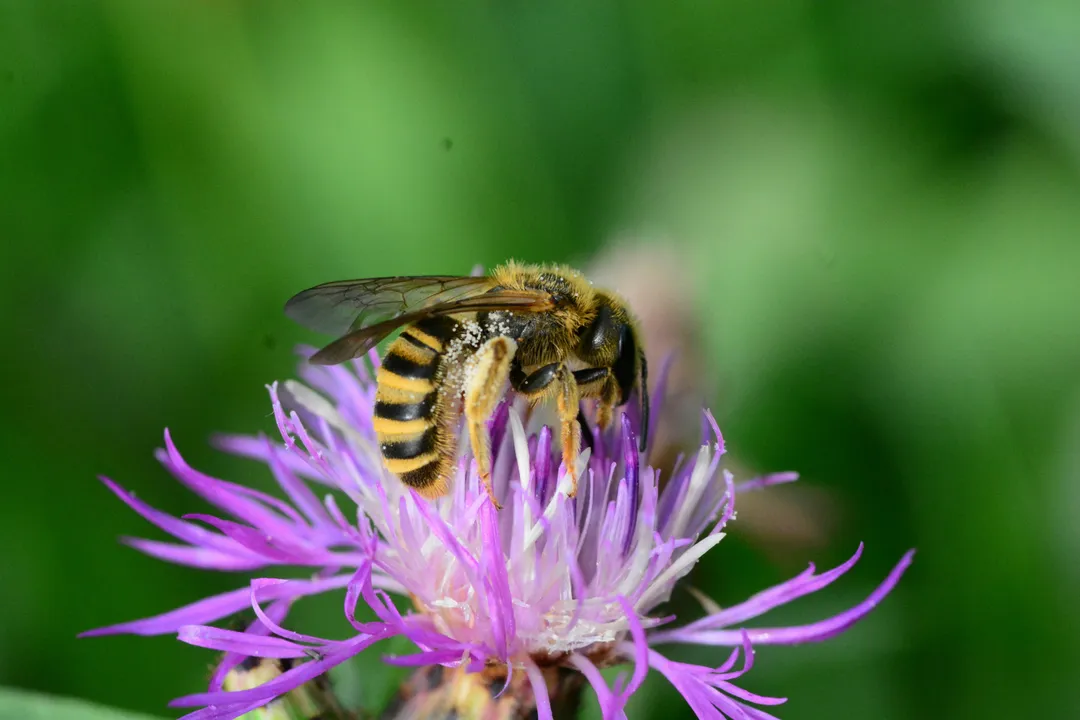
When you encounter furrow bees in your yard or garden, recognizing their natural habitat and behavior can help manage any apprehension. They are active during warmer months, often seen foraging on flowers or buzzing low to the ground near their entrance holes. [5]
A specific observation point is the time of day. If you see many small holes in the soil with bees entering and exiting over a short period, especially during morning foraging times, this activity is standard flight pattern behavior, not aggressive mobilization. [5] For residents in regions where these bees are numerous, understanding the difference between foraging and threat response is key. [6] The Orange-legged furrow bee, for example, might draw attention simply due to its abundance in certain summer periods. [3]
To maintain peace in the garden, the best approach involves simple avoidance and management of the immediate environment, rather than chemical control. [5]
# Observation Guidelines
If a high concentration of ground nests is present near a frequently used patio or walkway, understanding the context can guide action:
- Identify Activity: Observe for several minutes from a safe distance. Is the bee actively moving in and out of a hole, or is it landing randomly on people or pets? If it's only near holes, it’s returning to its nest.
- Assess Ground Use: If the holes are in an area where walking is rare, coexistence is the simplest option, as these bees are crucial native pollinators. [5]
- Mitigation: If the area must be used frequently, consider lightly watering the area after the main emergence period has passed (usually late summer). Moistening the soil slightly can collapse or discourage further digging for the season, though this should be done cautiously to avoid harming beneficial soil structure. [1]
For instance, one might find a dozen perfectly round, coin-sized holes in a patch of dry, sandy soil where the bees have successfully established their underground nurseries. [1][4] If these nests are far from foot traffic, it’s wise to leave them be, appreciating their role in pollination over the summer. [5] If they are directly on a step, a temporary barrier or simply walking around the area until the brood emerges and matures will usually resolve the issue without harming the insects.
# Value to Ecosystems
Despite any minor nuisance caused by their nesting habits in human-used spaces, the ecological service provided by furrow bees is significant. As native pollinators, they are essential workers in gardens and natural landscapes. [5] Halictid bees, including the furrow bees, visit a wide variety of flowers, aiding in the reproduction of many native plants and supporting local ecosystems. [7] Their presence is a positive sign of local biodiversity, reinforcing the idea that management strategies should prioritize cohabitation over eradication. [5]
Ultimately, furrow bees are rarely aggressive because they lack the social structure or motivation to defend a central resource aggressively. They are solitary or semi-social ground nesters whose instinct is to flee perceived danger, making them generally safe neighbors provided we give them space and do not physically harass them near their carefully constructed earthen homes. [1][5][8]
Related Questions
#Citations
Furrow Bees | What Are They & Where Do They Live? - BeesWiki
Furrow Bee 5/26/25 in Norfolk, MA - Facebook
Orange Legged Furrow Bee Problem : r/bees - Reddit
Furrow Bees - The Australian Museum
Native Pollinators: Furrow Bees | Gardening in the Panhandle
Bugging the Northwest: Don't sweat it – it's just a thirsty bee
Halictid Bees (Sweat Bees) - Missouri Department of Conservation
Harmful Effects of Orange-legged furrow bee - Picture Insect
Furrow Bee Insect Facts - A-Z Animals