Are yellow bullheads aggressive?
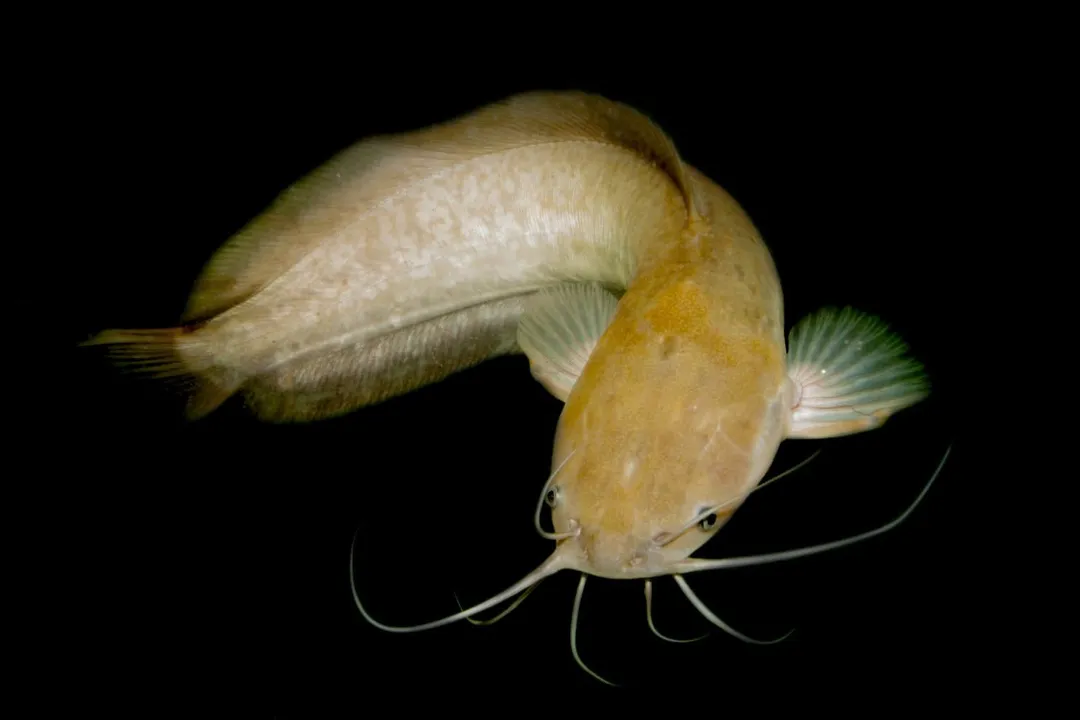
The nature of any fish, whether kept in an aquarium or observed in the wild, often leads anglers and hobbyists to wonder about its disposition. When it comes to the Yellow Bullhead catfish (Ameiurus natalis), the question of aggression frequently surfaces, especially from those considering them for a community tank or those who have had an unpleasant encounter while fishing. Generally, Yellow Bullheads are not characterized in the same light as some larger, more notorious catfish species when discussing overt aggression toward humans or tank mates. Their reputation leans more toward being hardy, bottom-dwelling scavengers rather than apex predators or overly territorial brutes.
# Fish Profile
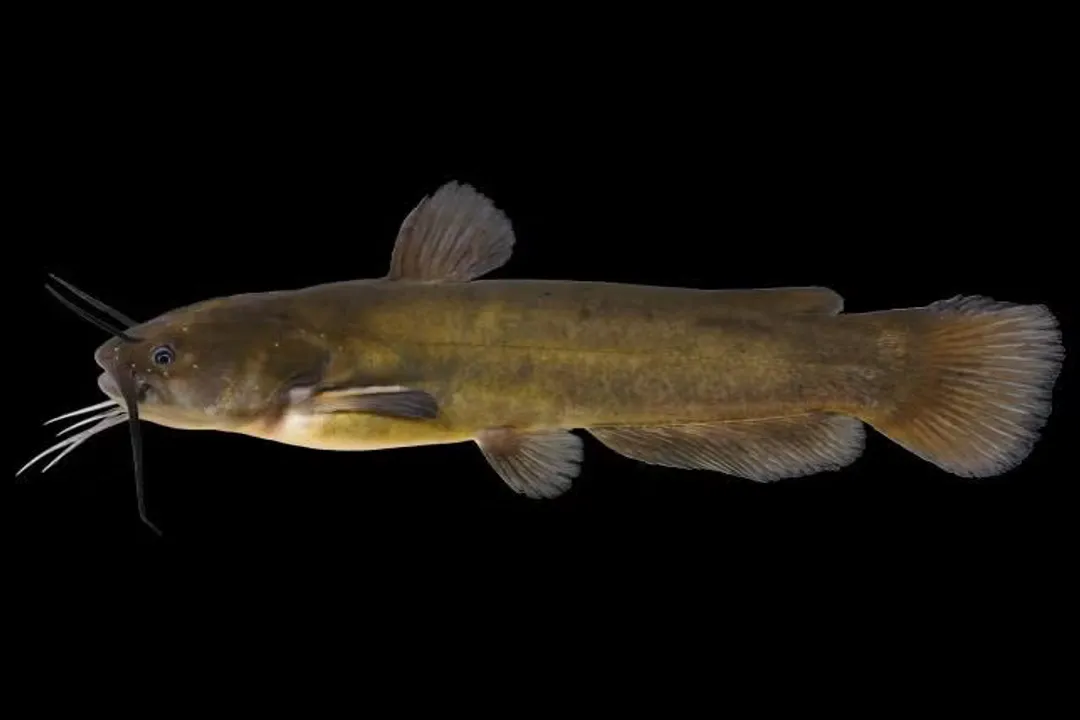
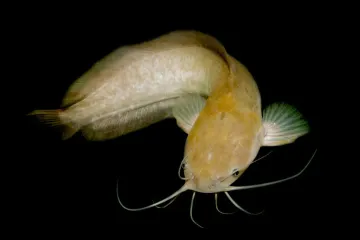
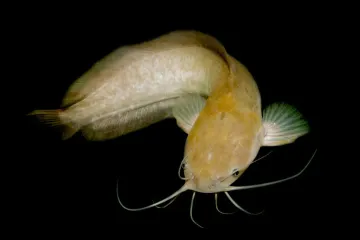
Understanding the temperament of the Yellow Bullhead starts with knowing its biology. These fish are a type of bullhead catfish, identifiable by their squared-off or slightly rounded tail fin, distinguishing them from the forked tails of channel catfish. They typically grow to a modest size, often under a foot long in the wild, though they can reach up to 17 inches in exceptional cases. Their coloration is usually yellowish-brown or olive on the back, fading to lighter yellow or white on the belly. Found across many parts of North America, they favor muddy bottoms in slow-moving waters, such as ponds, lakes, and sluggish streams. They are omnivorous, meaning their diet includes a wide variety of items—insects, crustaceans, aquatic vegetation, and detritus—which speaks to a survival strategy focused on opportunistic feeding rather than focused predation.
# Tank Behavior Anecdotes
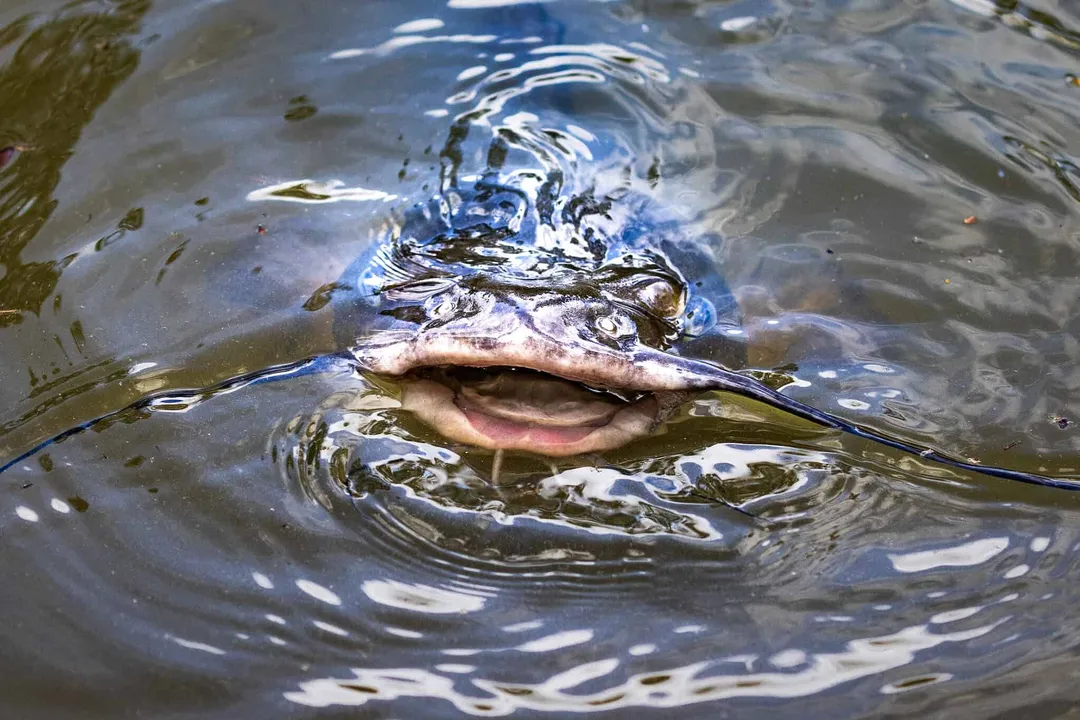
In the controlled environment of an aquarium, keepers often report on how the Yellow Bullhead interacts with its tank mates. Anecdotal evidence from online forums suggests that while they are not typically known as relentless aggressors, they can certainly exhibit defensive or territorial behaviors, especially concerning food or prime resting spots. One keeper noted that their Yellow Bullhead was attempting to bully or chase smaller fish like an African Cichlid, suggesting that social dynamics in a confined space can trigger undesirable behavior. Another observation highlights that bullheads, including the Yellow variety, are often described as being "less aggressive" than their cousins, the Black Bullhead or Brown Bullhead, though this can vary widely based on the individual fish and the stocking density of the tank.
It is crucial to consider the context of these observations. A fish exhibiting "aggression" in an aquarium setting might simply be reacting to stress, lack of appropriate hiding places, or competition for limited resources. When feeding time arrives, bottom-feeders like the Yellow Bullhead can become quite boisterous in their pursuit of sinking pellets or worms, which might be misinterpreted as generalized aggression when they are simply focused on securing a meal. This focused feeding behavior is distinct from sustained harassment of other species.

# Defensive Mechanisms
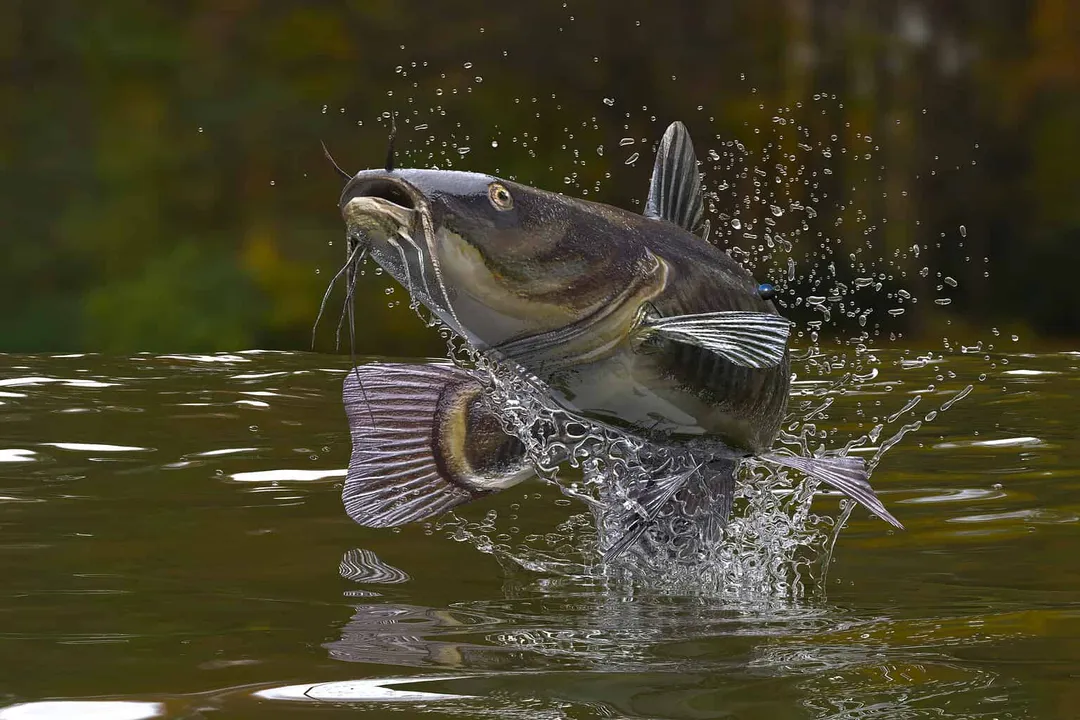
When discussing whether a fish is "aggressive," one must differentiate between actively seeking conflict and reacting defensively when threatened. Yellow Bullheads possess sharp pectoral and dorsal fin spines, which they can lock into place. These spines are notably equipped with venom glands, capable of delivering a painful sting if the fish is handled improperly. This defensive mechanism is a significant factor in human encounters, often leading to the perception that the fish is dangerous or highly aggressive. However, deploying these spines is almost exclusively a reaction to being caught, cornered, or physically touched, rather than an initiation of conflict with other aquatic life. Anglers targeting bullheads must exercise caution due to this defense, using pliers or gloved hands for safe removal from the hook.
If we consider aggression in terms of physical intimidation, the presence of these spines serves as a strong deterrent. A predator or a larger, more dominant tank mate is likely to think twice about engaging a Yellow Bullhead that has flared its fins, even if the bullhead has no intention of attacking first. This inherent defense system likely keeps their actual predatory aggression levels lower than they might otherwise be.
# Comparative Temperament
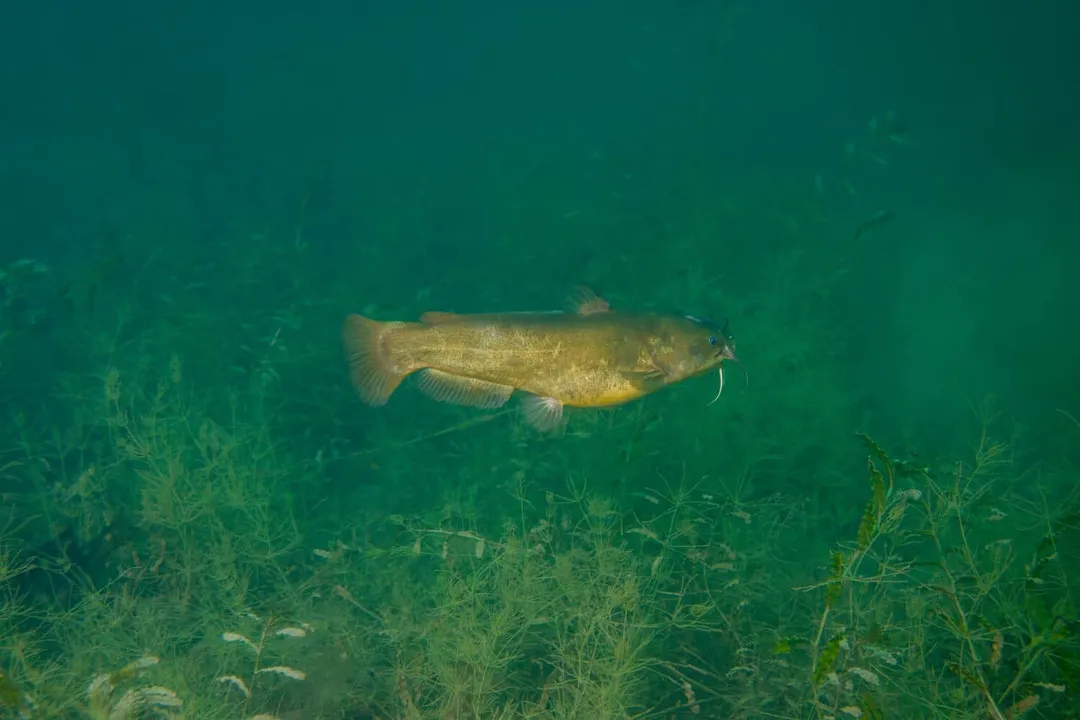
The bullhead family itself offers a spectrum of behavior, and placing the Yellow Bullhead within that context helps clarify its nature. The Minnesota Department of Natural Resources notes that bullheads generally prefer murky water and are known for their resilience. While they are all generally considered manageable fish, subtle differences exist. Some sources suggest that the Yellow Bullhead is slightly more timid or less inclined toward conflict than the Black Bullhead, although both are generally placed on the lower end of the aggression scale when compared to large channel catfish or flatheads.
An interesting point arises when viewing fish based on their feeding strategy. A fish that primarily scavenges and feeds on detritus and small, slow-moving invertebrates is less likely to develop the intense, targeted predatory aggression seen in species that rely on chasing down active, fast-moving prey. The Yellow Bullhead's ecological niche supports a less overtly aggressive profile, prioritizing efficient consumption of available bottom matter over territorial domination of open water.
One key area where aggression surfaces across the bullhead species, including the yellow variety, is during the breeding season. Like many fish, parental care or spawning behavior can trigger heightened territoriality. If a pair is nesting in a dark crevice or under debris, they will vigorously defend that immediate area from any perceived intruder, which is a temporary, hormonally-driven aggression, not a permanent trait of the species.
# Analyzing Aggression Types
When judging the "aggressiveness" of a Yellow Bullhead, it is helpful to separate the behavior into three distinct categories: feeding aggression, territorial aggression, and predatory aggression.
Feeding Aggression: This is the most common type observed. When food is introduced to the water column or the substrate, Yellow Bullheads become highly motivated to secure it. This can manifest as rapid bottom-sifting, bumping other fish out of the way, or quickly swallowing food whole. This behavior is competitive, not malicious, and is standard for many opportunistic feeders.
Territorial Aggression: This behavior is usually localized to a specific area—a preferred cave, a dark corner, or a spawning site. If a tank is very large with multiple complex hiding spots, this type of aggression is often minimized because boundaries are naturally established. In a small tank, two large males might clash over the "best" piece of décor.
Predatory Aggression: This is the least likely type of aggression from a Yellow Bullhead against substantial tank mates. While they might consume very small invertebrates or fry that fit entirely in their mouths, they are not generally known to pursue and attack established, healthy tank inhabitants like medium-sized tetras or even juvenile cichlids, unless the tank is severely overstocked or they are starving.
From an environmental management perspective, recognizing these different drivers of conflict is more useful than simply labeling the fish "aggressive" or "peaceful." If a keeper notes bullying, the first step should not be removal, but an assessment: Is the tank too small (leading to territorial overlap)? Are there enough food breaks for everyone (leading to feeding competition)?
A practical application of this analysis involves tank setup. Since they prefer the bottom and dark spaces, providing flat slate rocks or commercially available pottery caves can diffuse territorial disputes. If multiple bullheads are housed together, giving each fish access to its own preferred cave structure can prevent confrontations that might otherwise look like bullying. This proactive approach, focusing on environmental enrichment based on their natural tendencies, often resolves most observed conflicts without needing to address the fish's inherent temperament directly.
# Handling and Safety Considerations
For those fishing for Yellow Bullheads, the primary concern is not being bitten, but being stung by the spines. This defensive action is a clear sign that the fish perceives danger. While the venom is not typically lethal to humans, it is potent enough to cause swelling, redness, and throbbing pain for hours or even days, depending on the severity of the puncture and the individual's reaction.
It is interesting to note the disparity in how the fish is viewed by different groups. An angler views it as a tough, resilient catch that makes good bait and possesses a painful defense. An aquarist views it as a moderately active bottom-dweller whose social interactions need careful management. Both perspectives are rooted in factual interaction with the animal but emphasize different aspects of its behavior. The spine is the common thread—it defines the boundary for physical interaction, whether that interaction is a fisherman netting it or a tank mate bumping into it near its chosen shelter.
# Stocking Insights
When stocking a tank containing a Yellow Bullhead, it is vital to match it with fish that are not overly small or extremely delicate. While a Yellow Bullhead is not actively predatory against large fish, their size and tendency to gulp down food can pose a risk to fry or very small feeder fish that are mistaken for prey.
Consider a mixed-species community setup:
| Tank Mate Category | Suitability with Yellow Bullhead | Rationale |
|---|---|---|
| Mid-Water Swimmers (e.g., larger Tetras, Barbs) | Good | They occupy a different water column level, minimizing direct competition or territorial overlap. |
| Slow Bottom Dwellers (e.g., Corydoras Catfish) | Moderate Risk | Competition for substrate space can lead to minor territorial scuffles, though Corydoras are usually too quick at feeding time. |
| Very Small Fry/Shrimp | Poor | High likelihood of being consumed opportunistically due to size difference and bottom-feeding nature. |
In summary, the Yellow Bullhead is best described as defensive rather than aggressively predatory. Its willingness to defend its personal space, especially during feeding or nesting, is the root of most behavioral issues reported by owners. If given space, appropriate hiding spots, and an environment where food competition isn't constantly high-stakes, they tend to settle into a manageable routine as sturdy members of a freshwater setup.
#Videos
Native Fish Care: Yellow Bullhead - YouTube
Related Questions
#Citations
Yellow Bullhead: Adaptable American Catfish Fish Facts - A-Z Animals
I know it's a bullhead but what type? Yellow? Brown, black?
Bullhead Catfish...An Article | MonsterFishKeepers.com
Native Fish Care: Yellow Bullhead - YouTube
Yellow Bullhead - Missouri Department of Conservation
How to Catch Bullheads for Bait - In-Fisherman
What's going on with my yellow bullhead? : r/Aquariums - Reddit
Yellow Bullhead Catfish - Bass Fishing
[PDF] The Catfish - Oklahoma Department of Wildlife Conservation
Species Profile - Bullheads | Minnesota DNR