Are skeleton leg tarantulas venomous?
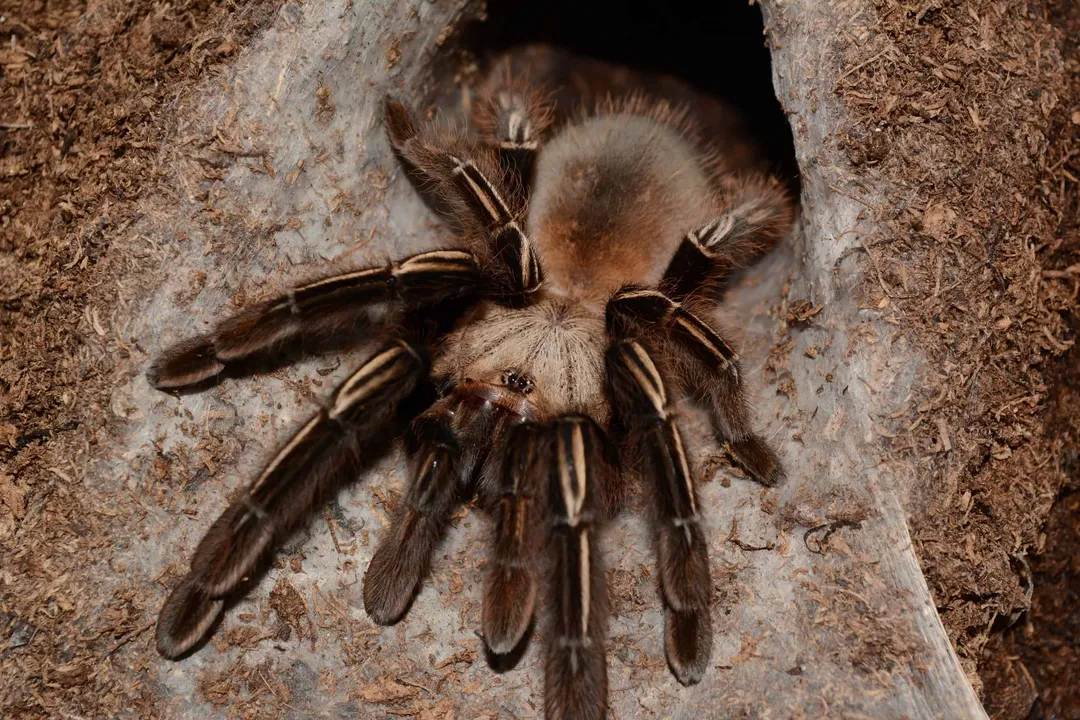
The Skeleton Tarantula, scientifically named Ephebopus murinus, is an arthropod that certainly lives up to its striking common name, often prompting immediate questions about its safety. Like virtually every tarantula species in the world, the Skeleton Tarantula does possess venom. [4] The real concern for enthusiasts and keepers, however, is not if it has venom, but rather the potency of that venom when introduced into human tissue. Research suggests that the bite from E. murinus is generally considered to have mild venom that is not life-threatening to humans. [1][4] Reports from those familiar with the species indicate that a bite is often likened in effect to that of a wasp sting. [3]
While not lethal, this encounter is certainly not pleasant. The effects noted by those who have been bitten include localized pain and swelling, and in some instances, reports mention muscle cramps. [7] This mild toxicity means that while medical intervention for systemic issues is unlikely to be required, anyone with known severe allergies to other insect venom, such as bees or wasps, should exercise extreme caution, as individual reactions can always be unpredictable. [3] The primary defensive mechanisms, however, often do not involve biting at all.
# Striking Appearance
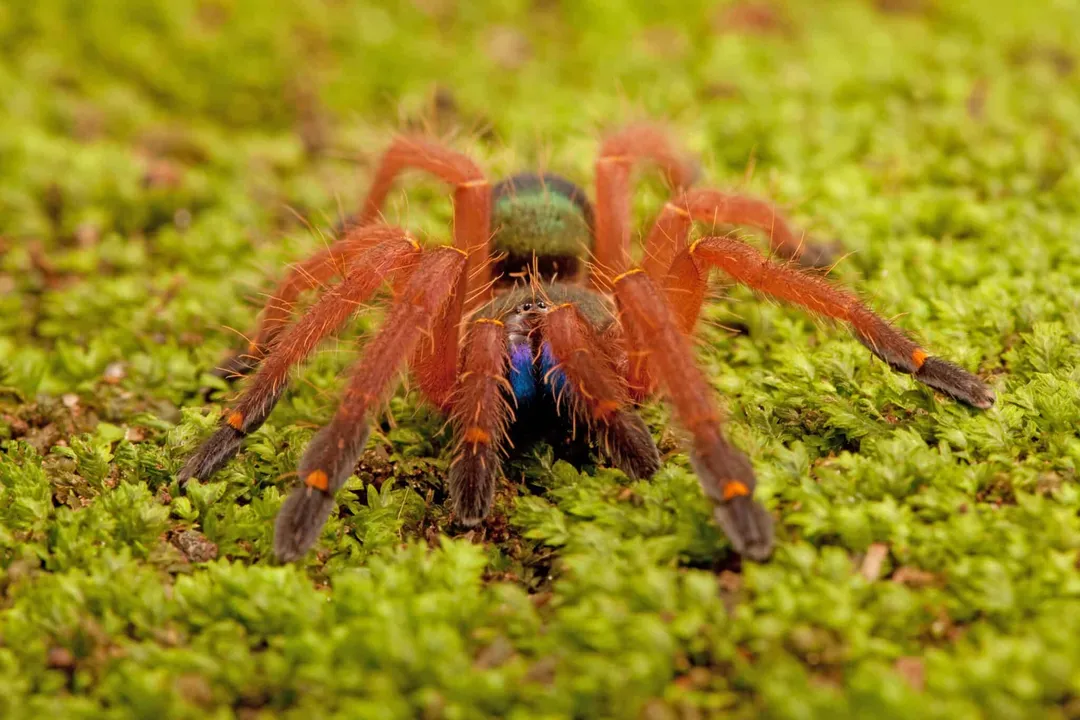
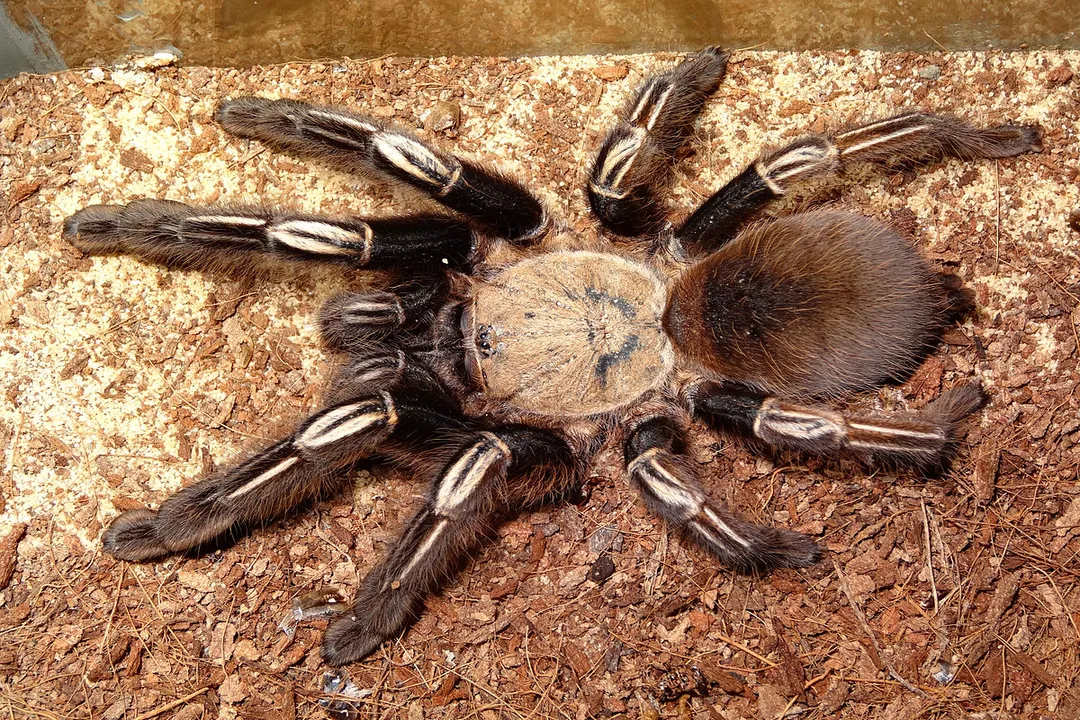
The visual signature of Ephebopus murinus is what earns it its common designation. It features a dark body, typically dark gray to reddish-brown or dark brown. [1][4] This dark base provides a stark contrast to the defining feature: bold, ivory-colored parallel bands across the patellae and tibiae of its legs, which visually mimic skeletal markings. [1][8] The carapace, or head section, is often described as lighter brown or coffee-colored. [4][8]
Adult females are considerably larger than the males, capable of reaching a leg span of around 11 to 12 cm (4.3 to 4.7 inches), with exceptional individuals reaching up to 15 cm (5.9 inches). [1][8] In contrast, males are smaller, typically around 38 mm in body length. [1] Lifespan also shows a significant sexual difference; females can live well over 15 years in captivity, whereas males generally have a much shorter lifespan, sometimes only reaching three to four years of age. [4][6]
# Unique Defensive Hardware
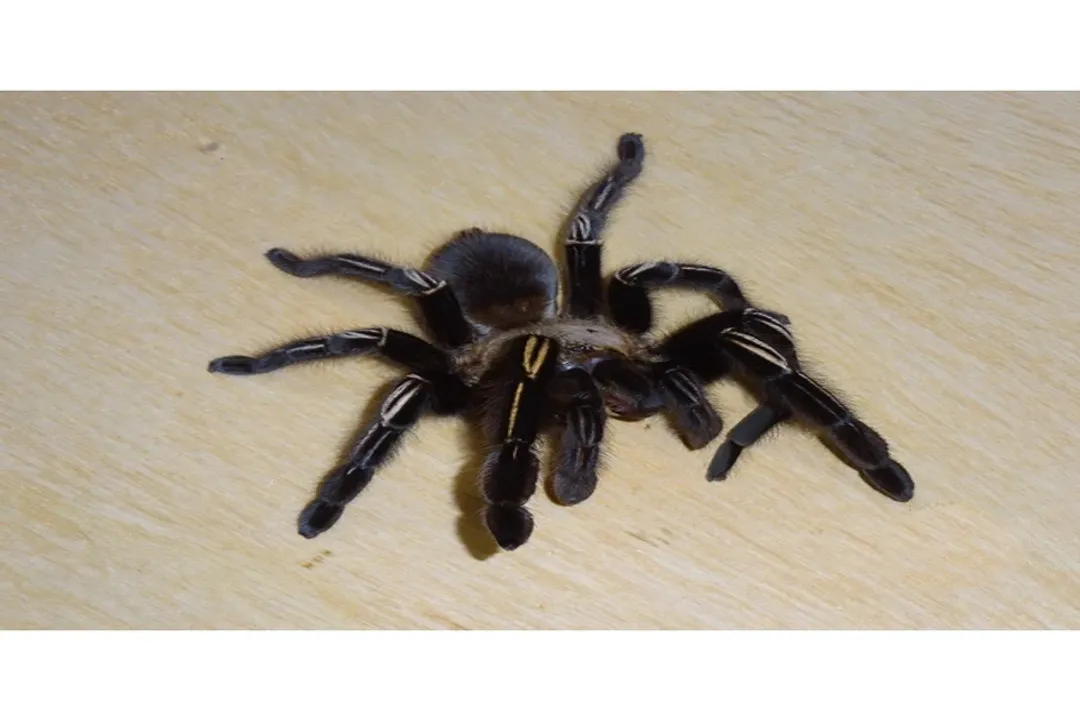
Another significant feature distinguishing the Skeleton Tarantula from many other spiders in the Theraphosidae family involves its use of urticating hairs, which are specialized, irritating bristles used for defense. [1][3][4] While most New World tarantulas possess these hairs primarily on their abdomen and eject them by kicking, E. murinus exhibits an unusual adaptation: it possesses urticating hairs located on its pedipalps, which are the two short appendages near the mouthparts. [3][4][8] The spider rubs these leg-like structures against its chelicerae (jaws) to deploy the hairs as a deterrent. [8]
This unique defensive posture often accompanies its highly defensive temperament. Owners frequently describe the species as feisty, cranky, and aggressive. [4][6] When feeling cornered or significantly threatened, an E. murinus might rear up, display its fangs, and even charge at a perceived threat. [4][8] The combination of urticating hairs delivered from the front of the body and the potential for a mild bite makes handling these spiders strongly discouraged by keepers, who prefer them as a dedicated display animal. [4]
Keeping this species requires recognizing that when the enclosure is disturbed, the tarantula’s first instinct is often not to flee deep into its home, but rather to meet the disturbance with a show of force. This readiness to confront intruders—even those vastly larger than itself—is a characteristic that draws many experienced enthusiasts to the species, even while acknowledging the inherent risks associated with such a spirited animal. [2]
# Natural Domain Shift
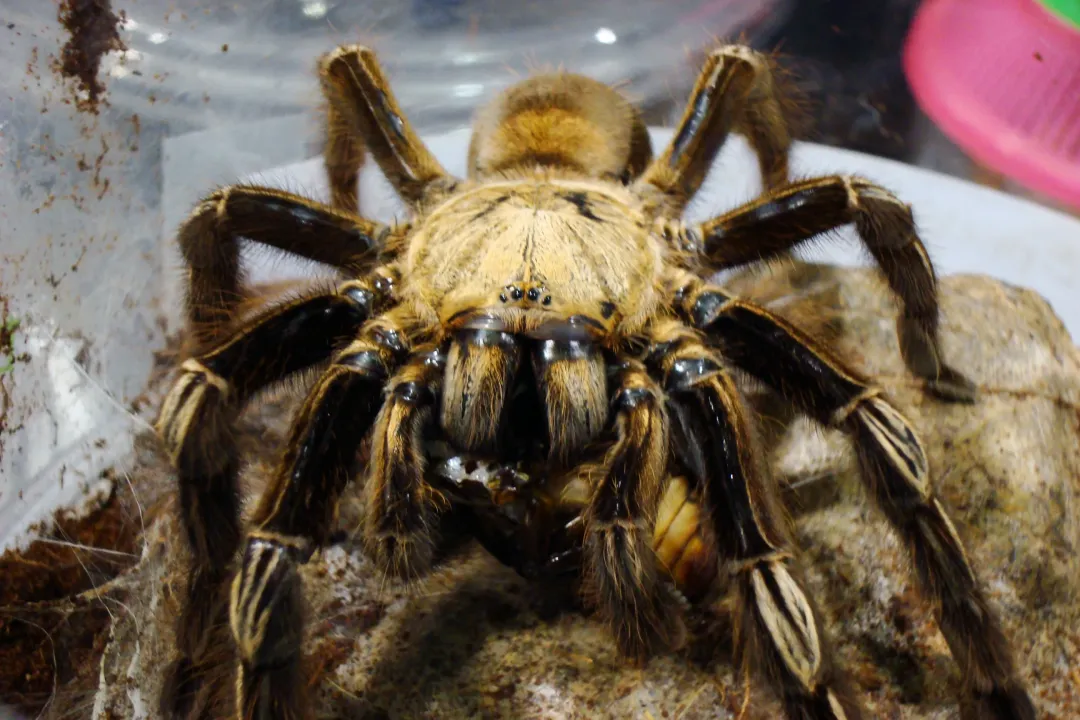
The natural environment of the Skeleton Tarantula is the humid tropical lowland forest of northeastern South America, with confirmed native locations including Brazil, French Guiana, Guyana, and Suriname. [1][4][8] This environment dictates a crucial aspect of its life cycle: an ontogenetic habitat shift. [1]
Spiderlings and juveniles begin their lives in the trees, exhibiting an arboreal lifestyle where they construct silken tubular retreats, often within vegetation like bromeliads. [1][4][8] As the spider matures into a subadult and eventually an adult, it transitions completely to a terrestrial, or ground-dwelling, existence. [1][4] The adult E. murinus is known as a fossorial species, meaning it actively excavates deep, complex 'J'-shaped burrows in the soil or leaf litter. [1][7] This transition is quite unique compared to many other tarantulas that maintain a consistent lifestyle from juvenile stages. [8] This means proper captive care must accommodate this phase change, transitioning from vertical space emphasis for slings to significant substrate depth for adults. [7] Providing enough substrate—sometimes cited as 6 to 8 inches for a full-grown specimen—is essential so the spider can create its natural, protected subterranean retreat. [7]
If you encounter one of these spiders above ground in the wild, it is likely nocturnal and either foraging or perhaps just emerging from its webbed entrance. [1][4] They are ambush predators, relying on vibrations sensed through their silk webs to detect ground-dwelling prey such as insects, worms, and occasionally small lizards. [1][4][7]
# Keeper Considerations and Insights
For those keeping E. murinus in captivity, understanding their dual nature—shy burrower versus defensive sentinel—is key to a successful ownership experience. Since they are so highly invested in their burrows, keepers often suggest angling toilet paper rolls or pieces of cork bark into the substrate to give them an immediate, appealing structure to convert into a permanent home. [3] This tendency to retreat when given the chance is often cited as the reason their venom is not considered a major threat; they simply prefer not to engage. [6]
The species is generally not recommended for absolute beginners precisely because of its speed, defensive nature, and unique defensive hair deployment system. [3][4] For an experienced keeper, however, observing their complex web structures—often intricate tunnels lining the burrow entrance—offers a rewarding challenge. [3][6]
When considering the danger, it is helpful to contextualize it. While the venom is mild, [4] the spider's speed and willingness to display aggression mean that keeper error in enclosure maintenance—like rushing a substrate change or failing to secure the lid—is often what precipitates an adverse interaction. [2] It is interesting to consider that a tarantula’s perceived ‘aggression’ is often directly proportional to how secure its primary shelter is; for a fossorial species like the Skeleton Leg, disturbing the ground around its established bolt-hole is perhaps the ultimate provocation, overriding its natural tendency to flee.
Furthermore, because the primary defense mechanism involves flicking hairs from the pedipalps—the appendages that are naturally closest to the keeper when the spider rears up in a threat pose—the risk of immediate hair bombardment is arguably higher during a startled defensive display than a bite itself, as the hairs are deployed from the front-facing limbs. [4][8] This means that even if you successfully avoid the fangs, a close inspection of the area where the pedipalps meet the cephalothorax can result in those highly irritating hairs being thrown directly toward your face or hands, necessitating protection even when simply opening the enclosure for maintenance or feeding. [4]
# Final Assessment on Safety
In summary, yes, the Skeleton Tarantula Ephebopus murinus is venomous, as is the standard for the tarantula family. However, the clinical significance of its venom is low, often compared to a common sting. [3][4] The greater deterrent for interaction is their temperament: they are known to be fast, easily agitated, and quick to assume a defensive stance, using both venom and their distinct urticating hairs. [4][7] For those who respect their need for undisturbed burrowing space and their preference for solitude, this unique species offers a fascinating glimpse into the diverse lifestyles within the tarantula world. [1]
Related Questions
#Citations
Skeleton Tarantula Ephebopus murinus - Reptile Apartment
Skeleton Tarantula - Ephebopus murinus - A-Z Animals
My sons's E. Murinus(skeleton leg) is absolutely nuts. All I ... - Reddit
Skeleton tarantula - Grokipedia
Buy Ephebopus murinus (Skeleton Leg Tarantula) - Juice's Arthropods
Blog Archive Skeleton Tarantula (Ephebopus murinus)
Skeleton Leg Tarantulas For Sale | Big Apple Herp
Skeleton tarantula - Wikipedia